What to Do When Your Contractor Misses a Deadline

You’ve planned the project, set aside the budget, and cleared your schedule. The contractor promised a finished kitchen in six weeks, but now week eight is approaching with no end in sight. The frustration is real. A missed deadline isn’t just an inconvenience; it can disrupt your life, strain your budget, and leave your home in a state of stressful limbo. Understanding what happens if a contractor misses a deadline, and knowing your options, is the first step to getting your project,and your peace of mind,back on track.
Understanding What Happens If Contractor Misses Deadline
A contractor missing a deadline means the agreed-upon completion date for your project has passed without the work being finished. This can range from a minor delay of a few days to a major stall that stretches for weeks or months.
Delays happen for many reasons. Sometimes it’s due to unforeseen issues like hidden water damage or supply chain problems. Other times, it’s because a contractor has overbooked themselves, mismanaged their schedule, or encountered crew shortages.
While any home project can be affected, renovations with complex dependencies,like a bathroom remodel where the plumber must finish before the tiler can start,are especially vulnerable to cascading delays.
Why This Matters for Your Home
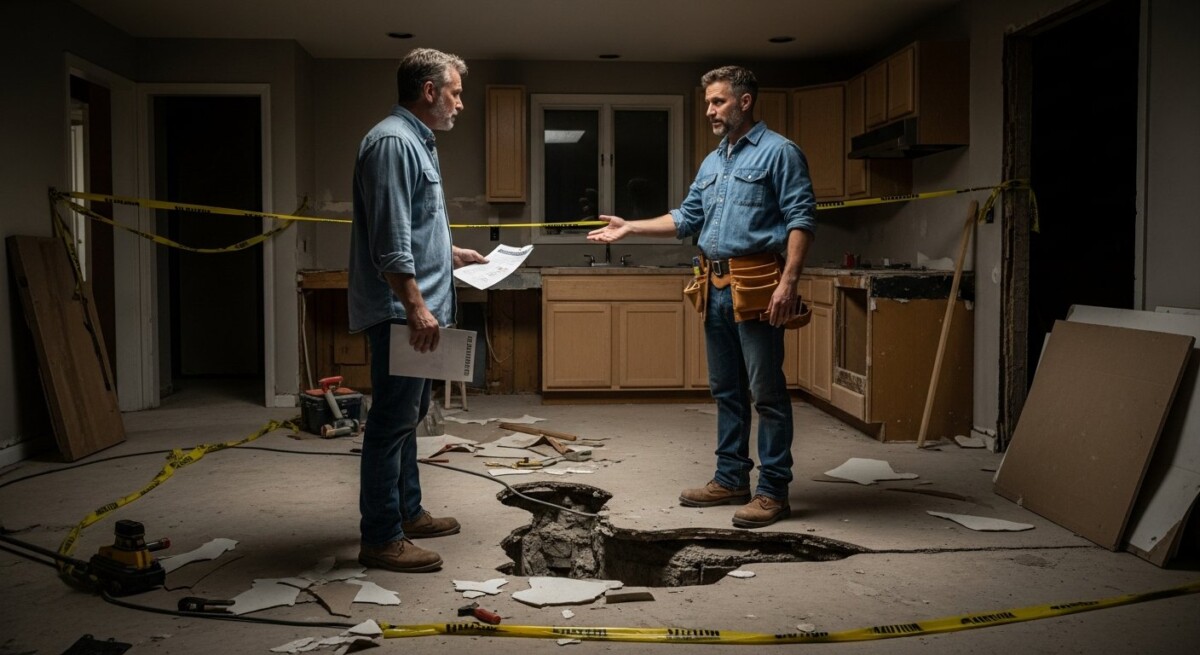
When a project drags on, your daily life is put on hold. You might be living without a functional kitchen, sharing one bathroom with a full family, or navigating around construction debris and dust for far longer than you planned. This disruption affects your comfort, routine, and stress levels.
Beyond the inconvenience, an unfinished project can pose real risks. Exposed wiring, unsecured structures, or temporary fixes left in place can become safety hazards. An open wall or roof can leave your home vulnerable to weather, pests, or even theft.
Financially, delays can be costly. You might be paying for temporary accommodations, eating out more often, or facing penalties if you needed the project done by a certain date for a sale or event. The longer a project sits unfinished, the greater the chance for materials to get damaged or for initial work to deteriorate, leading to even more repair costs.
If you notice signs of this issue in your home, it may help to speak with a qualified contractor. Request a free quote or call to explore your repair or remodeling options.
Common Problems Homeowners Experience
Dealing with a delayed contractor often leads to a series of frustrating and tangible problems. Communication breaks down, leaving you in the dark about when workers will show up or what the new timeline is. The job site becomes a constant, stressful reminder of the stalled project.
Financially, you may have already paid a significant deposit or made progress payments for work that isn’t complete. This ties up your money and reduces your leverage. Furthermore, the quality of work can sometimes suffer as a rushed crew tries to make up for lost time at the very end.
- Prolonged Living Disruption: Your home remains a construction zone, affecting meals, sleep, and family life.
- Communication Breakdown: The contractor becomes unresponsive or vague about new completion dates.
- Financial Strain: Your budget is locked, and you may incur additional living expenses.
- Subcontractor Scheduling Conflicts: Electricians or plumbers booked for the original timeline may no longer be available, causing further delays.
- Warranty and Permit Issues: Project delays can push work past the expiration dates on material warranties or building permits.
- Decreased Trust and Confidence: You lose faith in the contractor’s ability to manage the project effectively.
How Professionals Solve the Problem
A reputable, professional contractor brings structure and accountability to a stalled project. Their first step is always a thorough assessment to diagnose the true cause of the delay, whether it’s a scope issue, a material problem, or poor prior management.
They then create a clear, realistic recovery plan with a revised schedule. This plan includes mobilizing reliable crews, securing necessary materials, and maintaining transparent communication with you every step of the way. Their experience allows them to anticipate and navigate obstacles that may have derailed the previous contractor.
- Project Assessment & Diagnosis: They inspect the current work, review contracts, and identify the root causes of the delay.
- Transparent Recovery Planning: You receive a detailed, written plan outlining the steps to completion, a new timeline, and any revised costs.
- Resource Mobilization: They schedule their skilled crews and order materials with confirmed lead times to ensure steady progress.
- Focused Execution & Communication: Work resumes with consistent updates, minimizing further disruption and bringing the project to a proper close.
A professional inspection can reveal hidden issues before they become expensive repairs. Compare contractor quotes here or call to discuss your project.
Warning Signs You Should Not Ignore
Often, a missed final deadline is preceded by smaller warning signs during the project. Paying attention to these early indicators can help you address scheduling issues before they become a full-blown crisis.
If your contractor is consistently late, frequently changes the schedule, or has long gaps with no workers on site, these are red flags. A lack of clear communication about progress is another major sign that the project timeline may be at risk.
- Consistent Tardiness or No-Shows: Crews regularly start late, leave early, or don’t show up on scheduled days.
- Frequent, Unexplained Schedule Changes: The timeline is constantly being pushed back with vague excuses.
- Long Periods of Inactivity: Your project site sits untouched for days or weeks with no communication.
- Unreturned Calls or Messages: Your attempts to get updates are ignored or met with defensiveness.
- Blame-Gaming: The contractor consistently blames suppliers, subcontractors, or weather without taking responsibility.
- Requests for Additional Payments Ahead of Schedule: Asking for the next draw payment before the corresponding milestone is complete.
What Affects the Cost of Repairs or Installation
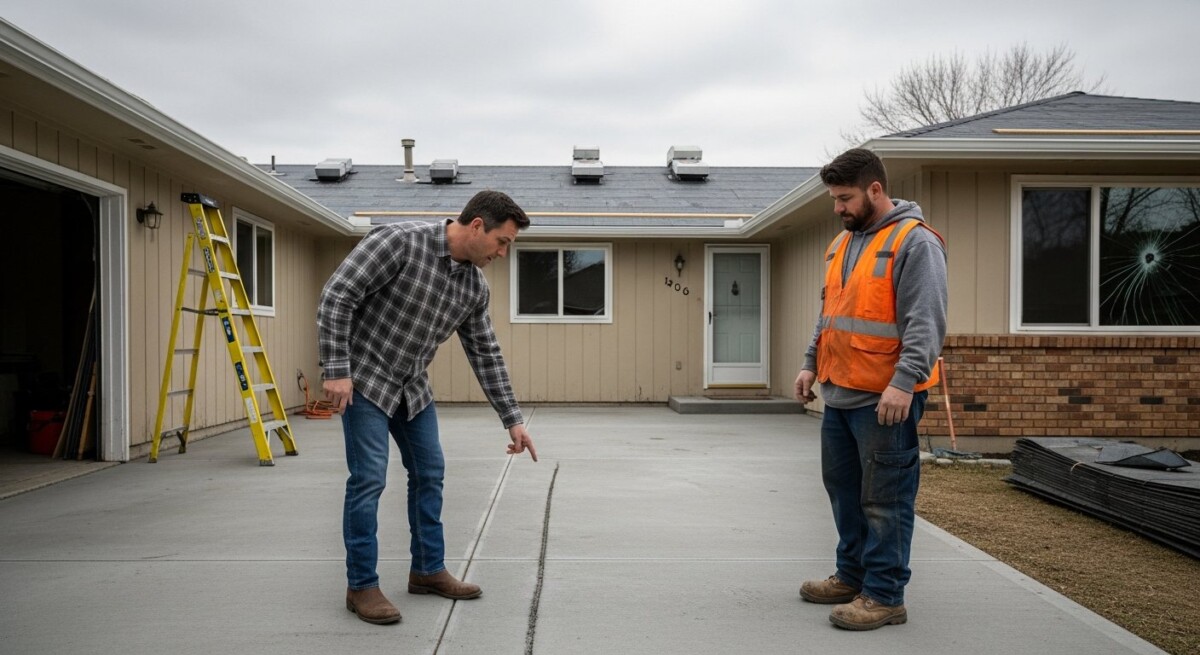
If you need to hire a new contractor to complete a stalled project, the cost can vary. A key factor is the state of the existing work. A professional must first spend time diagnosing what’s been done, what’s been done correctly, and what needs to be fixed or redone before they can even start new work.
The complexity of the original project and the availability of materials also play a big role. If specialized items are on backorder, costs may rise. Furthermore, a new contractor is taking on inherent risk by finishing someone else’s work, which may be reflected in their quote to ensure they can address any unforeseen problems properly.
Costs can vary depending on the condition of your home. The best way to know the price is to get a personalized estimate. Request free quotes from contractors or call today.
How to Choose the Right Contractor
Selecting the right professional to rescue a delayed project is crucial. You need someone with proven reliability and experience in project recovery. This isn’t the time for the lowest bidder; it’s the time for the most trustworthy and communicative professional.
Look for a contractor who listens to your concerns, asks detailed questions about the project history, and isn’t afraid to give you a straight answer about challenges and timelines. For a deeper dive into vetting contractors from the start, our guide on what to do when your contractor misses a deadline offers proactive strategies to avoid this situation.
- Verify Licenses, Insurance, and Bonding: This is non-negotiable for your protection and a sign of professionalism.
- Check References & Online Reviews: Specifically ask for references from clients who had complex or rescued projects.
- Request a Detailed, Written Estimate: The quote should clearly separate the cost for assessing/fixing existing work from the cost to complete the project.
- Compare Multiple Quotes: Get at least three detailed estimates to understand the market rate and scope of the recovery work.
- Review the Contract Meticulously: Ensure it includes a clear payment schedule tied to milestones, a detailed scope of work, and a realistic completion date with provisions for delays.
Long-Term Benefits of Professional Work
Hiring a true professional to complete your project delivers value that lasts long after the workers have left. First and foremost, you gain peace of mind knowing the job was done correctly and safely, with proper permits and inspections. This protects your family and your investment.
A professionally finished project also comes with valid warranties on both materials and labor. This means if an issue arises down the line, you have recourse. Furthermore, quality workmanship increases your home’s value and appeal, whether you’re enjoying it for years to come or preparing to sell. Understanding your rights and next steps is key, which is why reviewing a resource on contractor deadline disputes is so valuable for homeowners.
What should I do first when my contractor misses the deadline?
Start by communicating directly and calmly with your contractor. Request a written explanation for the delay and a new, detailed completion schedule. Refer to your contract, as it may outline procedures or penalties for delays. Document all communication in writing.
Can I fire my contractor for missing the deadline?
It depends on your contract. Most contracts have a clause for termination for cause, which may include unreasonable delays. You must typically provide written notice and allow a short period (e.g., 3-7 days) for them to cure the breach. Always consult your contract and consider legal advice before taking this step.
Am I entitled to a discount or refund for the delay?
Unless your contract includes a “liquidated damages” clause specifying a daily monetary penalty for delays, you are not automatically entitled to a discount. However, you can negotiate one, especially if the delay has caused you significant additional expense. This is often a point of discussion when resolving contractor disputes.
What if the delay is due to back-ordered materials I selected?
If the delay is solely due to a material you chose that is unavailable, it is generally not the contractor’s fault. A good contractor should communicate this issue early and help you explore alternatives. The timeline should be adjusted accordingly, but financial penalties typically wouldn’t apply.
Should I withhold payment if the project is delayed?
Withholding a payment that is currently due per the contract can put you in breach of contract. Instead, if future payments are due, you can negotiate to hold them until specific progress is made. Never withhold payment without clear contractual justification or legal advice.
How can I prevent deadline issues in my next project?
Choose your contractor carefully with thorough vetting. Have a detailed contract that includes a clear timeline with milestones, a payment schedule tied to those milestones, and a clause addressing how delays will be handled. Maintain regular, documented communication throughout the project.
What if the contractor just abandons the project?
This is a serious breach of contract. Document everything, send a formal notice of default via certified mail, and contact your state’s contractor licensing board. You will likely need to hire a new contractor to assess and complete the work, and you may need to pursue legal action to recover losses.
Does homeowners insurance cover costs from a contractor delay?
Standard homeowners insurance does not cover financial losses due to contractor delays or poor workmanship. It may cover sudden, accidental damage that occurs during construction (like a fire or water leak), but not the delay itself. Always review your policy details.
A missed deadline can feel overwhelming, but it’s a solvable problem. By taking calm, informed steps and seeking help from reputable professionals, you can regain control of your home project. Addressing delays promptly protects your investment, your safety, and your sanity. The most practical first step is often to consult with a qualified contractor to understand your specific options and get a clear path forward.