What Happens If Your Contractor Goes Over Budget
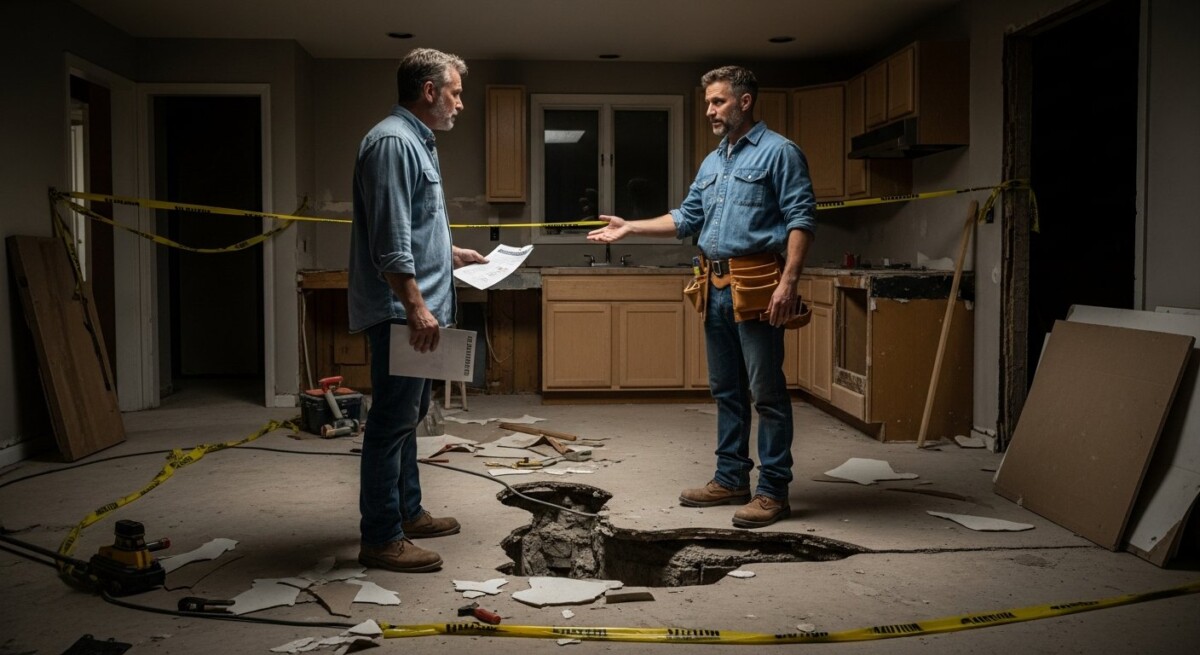
You signed a contract, agreed on a price, and the work began. Then the emails change. Suddenly there is talk of unexpected foundation issues, material price hikes, or extra labor hours. Your mailbox holds a change order with a new total that is thousands higher. This scenario is one of the most stressful events in home improvement. Knowing what happens if a contractor goes over budget is not just about protecting your wallet. It is about understanding your rights, the contract you signed, and the practical steps you can take to regain control of your project.
Cost overruns in home remodeling are surprisingly common. According to industry data, nearly 40 percent of renovation projects exceed their original estimate. The reasons range from honest miscalculations to deliberate low-balling. But whatever the cause, the outcome is the same: a homeowner faces an unexpected financial burden. The good news is that you have more power than you think. A combination of a well-written contract, careful documentation, and smart use of a contractor directory can turn a potential disaster into a manageable negotiation.
Before you panic, you need to understand the legal and practical framework that governs a project that exceeds its budget. This article walks you through exactly that. It covers common causes of overruns, your rights when the number climbs, prevention strategies you can use before you sign, and the immediate steps to take if you are already over budget. It also explains how getting multiple quotes through a trusted platform like Homes.Contractors can be your best defense against runaway costs.
Why Contractors Exceed Budgets
Understanding the root causes of budget overruns helps you anticipate and avoid them. Not every overrun is a sign of bad faith. Some are unavoidable. But many can be minimized with the right preparation.
The most common reason is scope creep. This happens when a homeowner asks for additional work after the contract is signed. Adding a new window, upgrading tile, or moving a wall all increase labor and material costs. While these changes are often desirable, they rarely come with a clear price tag upfront. A contractor may quote a rough number, but the final cost can balloon. The solution is simple: always request a written change order before any extra work begins. Never rely on a verbal agreement.
A second cause is inaccurate initial estimates. Some contractors intentionally bid low to win the job, then recoup the difference through change orders. This practice, known as low-balling, is unethical and, in some states, may violate consumer protection laws. Other contractors simply make honest mistakes in their takeoffs or underestimate material prices. In either case, you need a contract that clearly states what is included and what is not. A detailed scope of work is your best friend.
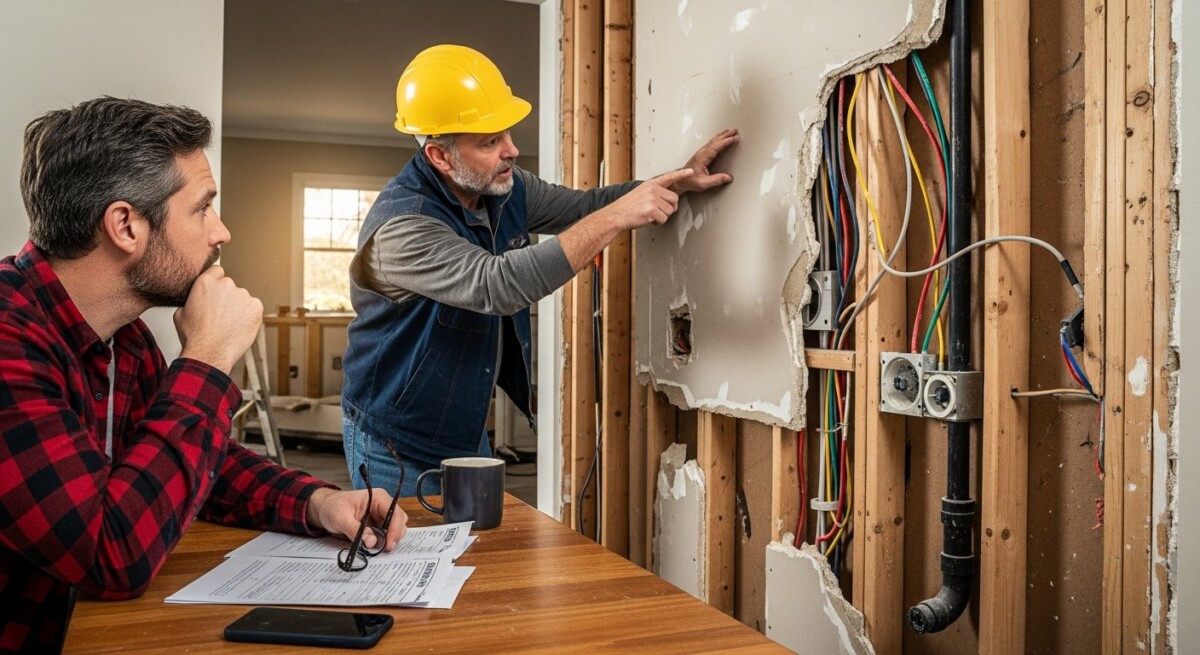
Hidden conditions are another major factor. In remodeling work, opening a wall can reveal rot, faulty wiring, or outdated plumbing that must be fixed before the project can continue. These unforeseen issues are legitimate reasons for cost increases. However, a good contractor will alert you immediately and provide a written estimate for the necessary repairs. A bad contractor will simply add the cost to the final bill without your approval. Your contract should require written consent for any work beyond the original scope.
Finally, material price volatility can drive costs up. Lumber, steel, and specialty finishes can spike between the time of your estimate and the start of construction. A reputable contractor will include a price escalation clause or use locked-in supplier quotes. If your contract does not address material price changes, you may be responsible for the difference. Always ask about this before you sign.
Your Legal Rights When a Contractor Goes Over Budget
What happens if a contractor goes over budget and you have not approved the extra cost? In most states, a contractor cannot unilaterally increase the contract price. If they perform work that goes beyond the scope of the signed agreement without a written change order, you may have the right to refuse payment for that extra work. This is a critical protection for homeowners.
However, the specifics vary by jurisdiction. Some states require all change orders to be in writing and signed by both parties. Others allow oral modifications up to a certain dollar amount. Your contract should specify the process for changes. If it does not, state law may fill the gap. For example, many states follow the principle of quantum meruit, which means the contractor can recover reasonable value for extra work, even without a signed change order, if you accepted the benefit. This is why documentation is essential. If you see extra work being done, address it immediately. Silence can be interpreted as consent.
Another important right is the ability to stop work. If the contractor demands payment far above the original estimate and you have not agreed to the increase, you can instruct them to halt until the dispute is resolved. Be careful, though. Stopping work can lead to delays and potential claims for breach of contract if the contractor argues that the overrun was reasonable. The safest path is to consult a lawyer or use a mediator. Many homeowner-constructor disputes are settled through negotiation rather than litigation.
Mechanics liens are a serious risk when money is disputed. A contractor who has not been paid for work performed can file a lien against your property. This clouds your title and can lead to foreclosure if unpaid. To protect yourself, always get lien waivers from the contractor and any subcontractors as you make progress payments. This ensures that everyone has been paid and no lien rights are pending. Our detailed homeowner guide on budget overruns explains lien waivers in depth and provides sample language you can request.
If the overrun is due to fraud or misrepresentation, you may have additional remedies. For example, if the contractor deliberately low-balled the estimate and then pressured you into expensive change orders, you could sue for deceptive trade practices. Many states allow treble damages for such conduct. Keep all estimates, emails, and text messages. A paper trail is your strongest evidence.
How to Prevent Cost Overruns Before They Happen
Prevention is far easier than correction. The steps you take before signing a contract can reduce the chance of a budget blowout by 80 percent or more. Here are the key prevention strategies:
- Get at least three written bids. Comparing multiple estimates reveals the market price for your project and flags any outlier that is suspiciously low. Low bids are often the beginning of a change-order cycle.
- Demand a detailed scope of work. The contract should list every material, brand, color, and model number. It should describe the sequence of work, cleanup procedures, and warranty terms. Vague language invites overruns.
- Require a not-to-exceed clause. Some contractors will agree to a guaranteed maximum price. If they go over, they absorb the cost. This is common for well-defined projects. Ask for it.
- Include a change order procedure. The contract must state that no extra work will be done without a written change order signed by you. Any verbal request should be followed up with an email confirming the discussion.
- Set a contingency fund. Even with the best planning, surprises happen. Set aside 10 to 20 percent of the project budget as a reserve. If you do not use it, you save it.
These steps are not just good practice; they are your first line of defense. When you get multiple bids, you also gain leverage. A contractor who knows you have other quotes is less likely to try inflating costs. The article on contractor budget issues on Homes.Contractors shows how homeowners who compare quotes save an average of 18 percent on their total project cost.
Another powerful tool is the use of a payment schedule tied to milestones. Instead of a large upfront deposit, structure payments to align with completed phases: foundation, framing, rough-in, finish work, and final walkthrough. This keeps the contractor motivated to finish each phase and gives you the ability to withhold payment if quality or scope issues arise. Never pay more than 10 to 15 percent upfront, and never pay in full before work is finished.
Steps to Take If the Contractor Already Exceeded the Budget
What happens if a contractor goes over budget and you are already in the middle of the project? First, do not make any additional payments until you fully understand the situation. Call a stop to all discretionary work. Then follow these steps:
- Review your contract immediately. Find the change order clause and the scope of work. Determine whether the extra work was authorized. If it was not, you are on strong ground.
- Request a written breakdown. Ask the contractor to provide a line-item explanation of all extra costs. Legitimate overruns come with receipts and subcontractor invoices. Question any vague items like miscellaneous or general conditions.
- Negotiate a compromise. If the overrun is a reasonable response to hidden conditions, consider splitting the difference. Many contractors will accept a reduced amount to keep the project moving and avoid a dispute.
- Put all agreements in writing. Any new price or payment plan must be signed by both parties. Even if you are frustrated, do not rely on handshake deals.
- Consider mediation. If you cannot reach an agreement, a neutral third party can often resolve the conflict faster and cheaper than a lawsuit. Many local home builder associations offer mediation services.
Documentation is your lifeline during this process. Save every email, take photos of the work in progress, and keep a log of phone calls with times and summaries. If the dispute escalates, you will need this evidence. If the contractor refuses to negotiate or threatens to walk off the job, you may need to consult an attorney who specializes in construction law. Many offer free initial consultations.
One often overlooked option is to ask for a credit or concession on future work. If the contractor wants to keep your business, they might agree to reduce the overrun in exchange for a recommendation or a future project. This is especially effective if you found the contractor through a platform like Homes.Contractors, where reviews and ratings directly impact their ability to get new leads.
The Role of Multiple Quotes in Budget Management
Getting multiple quotes is not just a way to find the lowest price. It is a strategy for understanding what a fair price looks like. When you receive three or more estimates, you can see where each contractor allocates money. One might charge more for materials but less for labor. Another might include a large contingency. This transparency makes it much harder for any single contractor to sneak in hidden costs later.
The process of gathering quotes also forces you to define your project scope clearly. You cannot compare apples to oranges. So you will inevitably create a detailed list of specifications. That list becomes the basis of your contract. A well-defined scope is the single best deterrent to budget overruns. When the contractor knows that every item is documented, they are less likely to claim that something was not included.
Homes.Contractors makes this easy by connecting you with pre-vetted contractors in your area. You can request up to four quotes through one simple form. The contractors are screened for licensing, insurance, and customer satisfaction. This reduces the risk of hiring an unscrupulous operator. Plus, you can read reviews from other homeowners to see if a contractor has a history of budget overruns. Use the FAQ sections on the site for specific trades, such as the bathroom remodeling FAQ, to learn common cost pitfalls in that type of project.
When you receive the quotes, compare them side by side. Look at the total price, but also at the assumptions. Does each quote include permits? Who is responsible for dumpster fees? What about cleanup? These details can become change orders if not specified. If a quote seems too good to be true, ask for an explanation. A reputable contractor will be happy to justify their numbers.
Finally, remember that the cheapest bid is rarely the best deal. A contractor who cuts corners on the estimate will likely cut corners on the job. The goal is to find the contractor with the most transparent, detailed proposal that matches your budget. If you are still unsure, our guide on contractor overruns includes a checklist you can use to evaluate each bid.
Budget overruns are stressful, but they do not have to derail your project or your finances. By understanding your rights, insisting on clear contracts, and using the power of multiple quotes, you can keep your renovation on track. Homes.Contractors is here to help you every step of the way, from finding reliable contractors to accessing expert advice. Protect your home, your budget, and your peace of mind with the right preparation.