What Happens If a Contractor Goes Over Budget: A Homeowner Guide
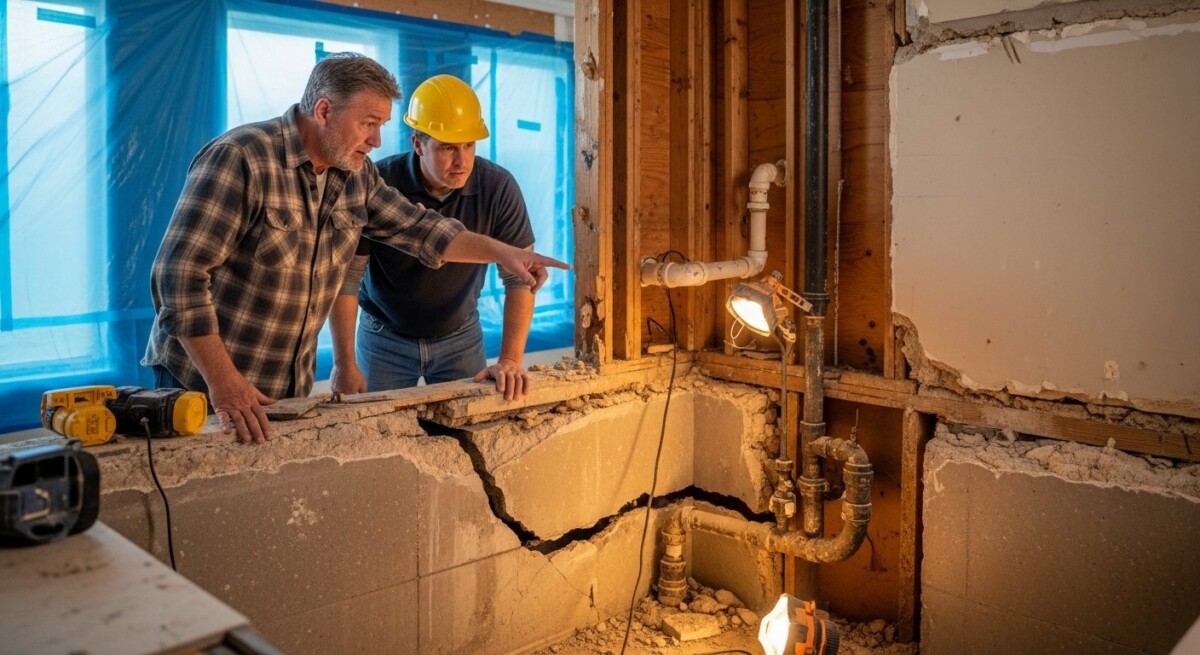
You hired a contractor with a signed contract and a clear price. Midway through the project, you receive a call: unexpected issues have surfaced, and the cost is climbing. Maybe the foundation has hidden rot, or the electrical wiring doesn’t meet code. Suddenly, your carefully planned budget feels like a suggestion rather than a limit. This scenario,what happens if a contractor goes over budget,is more common than most homeowners realize, and it can derail your finances and timeline if not handled wisely.
The problem often starts small. A few extra materials here, an unforeseen structural issue there. But when these costs compound, they can transform a manageable home improvement into a stressful financial burden. Many homeowners discover the issue only after work has begun, leaving them feeling trapped between an unfinished project and a ballooning bill. Ignoring the problem or hoping it resolves itself rarely ends well; instead, it often leads to rushed work, compromised quality, or legal disputes.
Understanding what happens if a contractor goes over budget is your first step toward protecting your home, your savings, and your peace of mind. This article explains the common causes, the real risks to your property, and the practical steps you can take to regain control,including when to seek professional guidance or compare contractor quotes before proceeding.
Understanding What Happens If a Contractor Goes Over Budget
Simply put, a contractor goes over budget when the final cost of a project exceeds the original estimate or contract price. This can happen for many reasons, but the most common include unexpected structural problems, material price increases, scope changes requested by the homeowner, or poor initial planning by the contractor. In some cases, contractors intentionally lowball estimates to win the job, then add charges later.
Homes most affected are older properties with outdated systems, houses with previous DIY repairs, and projects where the contractor did not perform a thorough pre-work inspection. However, even new construction can experience budget overruns if the contractor underestimates labor or materials. The key is recognizing that overruns are not always a sign of dishonesty,but they always require clear communication and documentation.
Why Budget Overruns Happen More Often Than You Think
According to industry data, nearly half of all home renovation projects exceed their original budget. The reasons vary: hidden water damage behind walls, outdated wiring that must be brought to code, or supply chain delays that force the use of more expensive materials. In our guide on what happens if your contractor goes over budget, we explain how homeowners can prepare for these surprises. The bottom line: never assume the first estimate is final.
Why This Matters for Your Home
When a contractor goes over budget, the consequences extend beyond your wallet. Unfinished work can leave your home vulnerable to weather, pests, or further structural damage. For example, if a roofing project stops mid-way due to cost disputes, your attic and interior could suffer water damage during the next storm. Safety also becomes a concern,electrical or plumbing work left incomplete poses fire or flood risks.
Comfort suffers too. A renovation that stalls because of budget issues can leave you without a functioning kitchen, bathroom, or HVAC system for weeks or months. And the longer the delay, the more expensive the eventual fix becomes. Small problems like a minor leak or a cracked foundation wall can escalate into major repairs if not addressed promptly. Protecting your home means addressing budget overruns as soon as they appear.
If you notice signs of this issue in your home, it may help to speak with a qualified contractor. Request a free quote or call to explore your repair or remodeling options.
Common Problems Homeowners Experience
Homeowners facing a budget overrun often encounter a cascade of issues. The contractor may demand payment before completing agreed-upon work, or they may cut corners to stay within the original price, resulting in subpar quality. You might also face a lien on your property if the contractor hasn’t paid subcontractors or suppliers. These problems can strain your relationship with the contractor and leave you feeling powerless.
In real homes, these issues manifest in specific ways. A bathroom remodel might stop after demolition because the contractor discovered mold and wants extra money to remediate it. A kitchen renovation could stall when custom cabinets arrive damaged and replacements cost more. The following list outlines the most frequent problems homeowners report:
- Unforeseen structural issues (rot, termites, foundation cracks) discovered after work begins
- Material price increases due to supply chain disruptions or last-minute changes
- Scope creep,the homeowner adds small upgrades that accumulate into large costs
- Poor initial estimates that omit necessary permits, disposal fees, or labor hours
- Contractor demands for progress payments before work is completed to specifications
- Subcontractor or supplier liens placed on the property due to non-payment
How Professionals Solve the Problem
Experienced contractors handle budget overruns differently than amateurs. They start with a thorough pre-project inspection to identify potential issues before work begins. When surprises do arise, they present clear options with itemized costs, allowing you to make informed decisions. They also include contingency clauses in contracts,typically 10,20% of the total budget,to cover unexpected expenses without disrupting the project.
The typical process for managing a budget overrun professionally looks like this:
- Initial assessment: The contractor inspects the home and identifies all visible and likely hidden issues.
- Transparent estimate: You receive a detailed written estimate with line items for materials, labor, permits, and a contingency fund.
- Change order protocol: Any cost increase beyond the estimate requires a signed change order before work proceeds.
- Regular updates: The contractor provides weekly progress reports and cost tracking so you always know where you stand.
- Final reconciliation: At project completion, you receive a final invoice that matches the signed change orders and original contract.
Professional work is safer and more reliable because it follows building codes, uses proper materials, and includes warranties. DIY fixes or hiring an unlicensed handyman to save money often leads to more expensive repairs later. When you work with a vetted professional, you gain accountability and protection.
A professional inspection can reveal hidden issues before they become expensive repairs. Compare contractor quotes here or call to discuss your project.
Warning Signs You Should Not Ignore
Many budget overruns can be predicted if you know what to look for. Early detection gives you time to adjust your plans, renegotiate terms, or even switch contractors before work begins. The warning signs are often subtle but consistent across most projects. Pay attention to these red flags:
- The contractor’s initial estimate seems significantly lower than other quotes you received
- They refuse to provide a written contract with detailed scope of work
- They pressure you to pay a large deposit upfront (more than 10,20% of the total)
- They discover “unexpected problems” shortly after starting work and demand more money immediately
- They avoid pulling permits or scheduling required inspections
- Communication becomes vague or infrequent once the project begins
If you notice any of these signs, pause the project and seek a second opinion. A professional contractor will welcome your questions and provide clear documentation. Acting early can prevent a small budget overrun from becoming a financial disaster. Remember, it is always cheaper to address issues before work starts than after.
What Affects the Cost of Repairs or Installation
Several factors influence how much a repair or installation will ultimately cost, especially when a contractor goes over budget. Understanding these factors helps you evaluate whether an overrun is reasonable or if you are being overcharged. The size of the project is the most obvious factor,a full kitchen remodel costs more than a countertop replacement. But materials also play a huge role: custom cabinets, premium flooring, and specialty fixtures can double or triple material costs.
Labor requirements vary by trade and location. Electricians, plumbers, and structural engineers command higher rates due to licensing and insurance costs. The accessibility of the work area matters too,a bathroom on the third floor with no elevator will cost more than a ground-floor room. Finally, the age of your home often dictates hidden costs: older homes may contain lead paint, asbestos, or outdated wiring that must be brought to current code. These factors are why two similar projects can have vastly different final prices.
Costs can vary depending on the condition of your home. The best way to know the price is to get a personalized estimate. Request free quotes from contractors or call today.
How to Choose the Right Contractor
Selecting the right contractor is your best defense against budget overruns. A reliable contractor will be transparent about costs, communicate regularly, and honor their contract. Start by verifying that any contractor you consider is licensed and insured in your state. This protects you if something goes wrong during the project. Next, read online reviews on platforms like Google, Yelp, and the Better Business Bureau to see how past clients describe their experience.
Always ask for detailed estimates from at least three contractors before making a decision. Compare not just the total price, but the line items,a lower total may mean they omitted necessary work. Confirm their experience with projects similar to yours; a contractor who specializes in kitchens may not be the best choice for a foundation repair. Finally, trust your instincts. If a contractor is pushy, vague, or unwilling to put promises in writing, move on.
- Verify state license and general liability insurance
- Read recent customer reviews and ask for references
- Request itemized estimates with material and labor breakdowns
- Compare quotes from at least three contractors
- Confirm they have experience with your specific type of project
Long-Term Benefits of Professional Work
Investing in professional work, even if it costs more upfront, pays dividends over time. Professional contractors use quality materials and follow building codes, which means your repairs or renovations will last longer and require fewer fixes. For example, a professionally installed roof can last 20,30 years, while a cheap DIY job might need replacement in five. This durability saves you money and hassle down the road.
Energy efficiency is another major benefit. Proper insulation, window installation, and HVAC work can lower your monthly utility bills by 20% or more. Safety improvements,like updated wiring or mold remediation,protect your family and reduce insurance risks. And when it’s time to sell, professional work adds to your home’s resale value. Buyers are willing to pay more for a home with documented, code-compliant improvements. Ultimately, professional work is an investment in your home’s future.
Frequently Asked Questions
Can a contractor charge more than the original estimate?
Yes, but only if both parties agree to a change order in writing. Without a signed change order, you are not legally obligated to pay additional amounts. Always get any cost increase documented before work continues.
What should I do if my contractor demands more money mid-project?
First, ask for a detailed explanation of why the cost increased. Review your original contract to see if it includes a contingency clause. If you are unsure, pause the project and get a second opinion from another contractor before agreeing to any additional charges.
How much over budget do contractors typically go?
On average, home renovation projects exceed their original budget by 10,20%. However, poorly planned projects or those with hidden issues can go 50% or more over budget. A contingency fund of 10,20% is standard for this reason.
Can I stop payment if the contractor goes over budget?
You can refuse to pay for unauthorized work, but you must pay for work completed according to the contract. If you stop payment entirely, the contractor may file a lien against your property. It is better to negotiate a change order or seek mediation.
Is it normal for a contractor to ask for more money after demolition?
Yes, because demolition often reveals hidden problems like rot, mold, or outdated wiring that were not visible before. A reputable contractor will show you the issue and provide a written estimate for the additional work before proceeding.
How can I avoid budget overruns in the first place?
Get multiple detailed quotes, include a contingency fund in your budget, and sign a contract that requires written change orders for any cost increase. Also, hire a contractor who performs a thorough pre-work inspection and communicates openly.
What if my contractor refuses to finish the job unless I pay more?
This is a breach of contract if the additional work is not covered by a change order. Document everything in writing, and consider contacting your state’s contractor licensing board or a construction attorney for guidance.
Do I need a lawyer if my contractor goes over budget?
Not always, but legal help is advisable if the overrun is large, the contractor refuses to communicate, or a lien has been filed. Many homeowner disputes can be resolved through mediation without going to court.
Budget overruns don’t have to ruin your home improvement project. The key is staying informed, communicating clearly, and working with professionals who prioritize transparency. Before you commit to any contractor, take the time to compare quotes and read reviews. A little extra effort upfront can save you thousands of dollars and countless headaches later. Your home deserves quality work,and you deserve peace of mind.