What Happens If Contractor Damages Property: Homeowner Guide
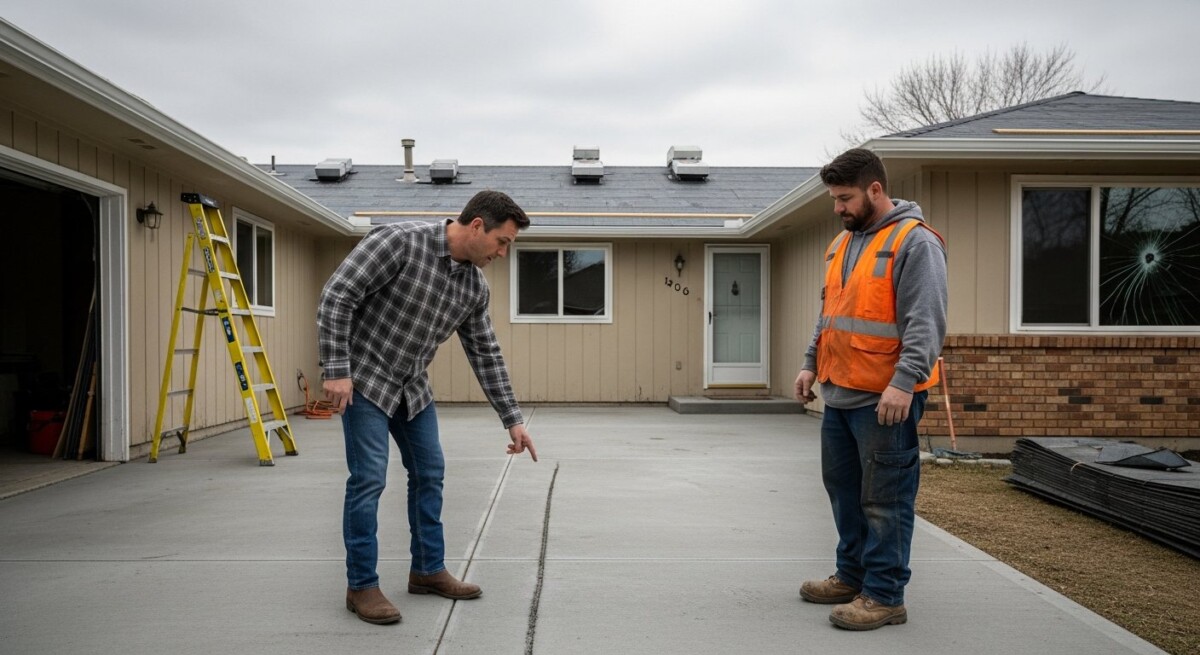
You hired a contractor to fix your roof, remodel your bathroom, or install new siding. The work was supposed to improve your home. Instead, you walk outside and notice a deep scratch across your new driveway, a dent in your gutters, or a broken window from a dropped ladder. Your stomach drops. Now you are wondering what happens if contractor damages property and whether you will be stuck paying for their mistake.
This situation is more common than many homeowners realize. Accidents happen during construction and repair projects, even with experienced crews. The problem becomes serious when the damage is ignored, brushed off, or not handled correctly. Small issues like a cracked tile or a gouged wall can lead to water intrusion, mold growth, or structural problems if left unrepaired.
Understanding your rights and the proper steps to take protects both your home and your wallet. This guide walks you through what happens if contractor damages property, how to handle it, and why professional repairs are often the safest solution.
Understanding What Happens If Contractor Damages Property
When a contractor damages your property, the situation falls under liability and contractual responsibility. In simple terms, the contractor,or their insurance,should cover the cost of repairs. Most licensed contractors carry general liability insurance specifically for this reason. This insurance pays for accidental damage to your home or belongings during a project.
The damage can happen for many reasons. A worker might misjudge a measurement, drop a heavy tool, or accidentally drive a nail through a pipe. Sometimes the damage is visible immediately. Other times, it is hidden behind walls or under floors and only discovered weeks or months later. Older homes are especially vulnerable because materials may be brittle, and hidden issues like outdated wiring or weak joists can make accidents more likely.
If you are asking what happens if contractor damages property, the answer depends on the severity of the damage, the contractor’s insurance coverage, and how quickly you address it. In most cases, a professional contractor will take responsibility, file a claim, and arrange for repairs. But if the contractor is unlicensed, uninsured, or unwilling to cooperate, the process becomes much harder.
Why Insurance Matters in Property Damage Situations
A contractor’s liability insurance is your first line of protection. Without it, you may have to pursue legal action or pay out of pocket. Always verify a contractor’s insurance before work begins. In our guide on what happens if contractor damages property, we explain how to check coverage and what to do if a claim is denied.
Why This Matters for Your Home
Ignoring contractor-caused damage can turn a small frustration into a major expense. A cracked window left unrepaired may allow moisture to seep into your walls, leading to rot or mold. A dented gutter might cause water to overflow and damage your foundation. The longer you wait, the more the problem spreads.
There are also safety risks. Damaged electrical wiring, weakened flooring, or compromised structural elements can put your family in danger. Even cosmetic damage like a chipped countertop or scratched floor can reduce your home’s value and make it harder to sell later.
Taking action quickly protects your investment and keeps your home safe. Whether the damage is minor or significant, addressing it with professional help ensures the repair is done correctly and meets building codes.
If you notice signs of this issue in your home, it may help to speak with a qualified contractor. Request a free quote or call to explore your repair or remodeling options.
Common Problems Homeowners Experience
Homeowners encounter a wide range of damage caused by contractors. Some problems are obvious right away, while others take time to surface. The most common issues fall into a few categories.
Visible damage is the easiest to spot. This includes scratches on floors or countertops, dents in drywall, broken tiles, cracked windows, or damaged landscaping. Performance problems are trickier. You might notice a new roof leaking after a storm or a newly installed toilet running constantly. Structural concerns involve things like sagging beams, cracked foundation walls, or misaligned doors and windows caused by improper work.
Aging materials also play a role. Old pipes can burst when a contractor applies too much pressure, and brittle roofing tiles can crack underfoot. These problems are not always the contractor’s fault, but they still need to be addressed.
- Scratched or dented flooring from dropped tools or equipment
- Cracked tiles or broken fixtures during installation
- Water damage from improperly sealed windows or roofs
- Dents or holes in drywall from moving furniture or materials
- Damaged landscaping from heavy equipment or debris
- Electrical issues caused by cutting into wires accidentally
How Professionals Solve the Problem
When a contractor damages your property, a professional repair service can restore your home efficiently. Experienced contractors follow a clear process to assess the damage, determine the best repair method, and complete the work to a high standard. They also have the right tools and materials to match existing finishes, so the repair blends in seamlessly.
A professional approach is often safer than a DIY fix. For example, repairing a damaged electrical line or a cracked foundation requires specialized knowledge. Mistakes can lead to fires, collapses, or further damage. Professionals also carry their own insurance, so if something goes wrong during the repair, you are protected.
- Inspection and assessment. The contractor examines the damage, checks for hidden issues, and documents everything with photos and notes.
- Estimate and plan. They provide a detailed quote for the repair work, including materials, labor, and timeline.
- Site preparation. The work area is cleared and protected to prevent additional damage.
- Repair or replacement. Damaged materials are removed and replaced or repaired using professional techniques.
- Final inspection and cleanup. The contractor checks the quality of the work and cleans up all debris before finishing.
A professional inspection can reveal hidden issues before they become expensive repairs. Compare contractor quotes here or call to discuss your project.
Warning Signs You Should Not Ignore
Not all damage is obvious. Some signs only appear after the contractor has left the job site. Knowing what to look for helps you catch problems early and avoid costly repairs down the road.
Pay attention to changes in your home’s performance. A door that suddenly sticks, a window that won’t close properly, or a new draft around an exterior wall can all indicate hidden damage. Unusual smells like mustiness or mildew suggest water intrusion. Strange sounds, such as creaking floors or dripping water, also deserve investigation.
If you notice any of these warning signs, do not wait. The longer you delay, the more likely the damage will spread and require extensive,and expensive,repairs.
- New cracks in walls, ceilings, or foundation
- Doors or windows that stick or do not close properly
- Water stains on ceilings or walls near the work area
- Musty odors or visible mold growth
- Unexplained increases in your water or energy bill
- Loose or uneven flooring after installation work
What Affects the Cost of Repairs or Installation
The cost to fix contractor-caused damage varies widely depending on several factors. Understanding these variables helps you budget and compare quotes from different contractors.
The size and complexity of the repair is the biggest factor. A small scratch on a hardwood floor may cost a few hundred dollars to sand and refinish. Replacing a section of damaged drywall, repainting, and matching texture can run several hundred more. Major issues like structural damage, water remediation, or electrical rewiring can cost thousands.
Materials also affect the price. High-end countertops, custom cabinetry, or specialty flooring are more expensive to replace. Labor rates vary by region and the contractor’s experience level. Accessibility matters too,damage in a tight crawlspace or on a steep roof costs more to repair than damage in an open room. Older homes may require additional work to bring materials up to current code, increasing the total cost.
Costs can vary depending on the condition of your home. The best way to know the price is to get a personalized estimate. Request free quotes from contractors or call today.
How to Choose the Right Contractor
Selecting a trustworthy contractor is essential, especially after you have already experienced property damage. You want someone who will do the job right, communicate clearly, and stand behind their work.
Start by asking for recommendations from neighbors or friends. Then verify each contractor’s credentials. A licensed and insured contractor is far less likely to cause additional problems. Check online reviews and look for consistent positive feedback about reliability, quality, and customer service.
Always get multiple quotes before making a decision. Comparing estimates helps you understand the fair market price and avoid being overcharged. A detailed written estimate should include materials, labor, timeline, and payment schedule. Do not hire a contractor who demands full payment upfront.
- Verify the contractor’s license and insurance before signing any agreement
- Read customer reviews on multiple platforms to gauge reliability
- Ask for written estimates from at least three different contractors
- Confirm the contractor has experience with the specific type of repair you need
- Review the contract carefully, including warranty terms and dispute resolution
Long-Term Benefits of Professional Work
Hiring a professional to repair contractor-caused damage offers lasting advantages that go beyond a quick fix. Professional repairs are built to last, using quality materials and proven techniques. This means you are less likely to face the same problem again in a few months or years.
Safety is another major benefit. Professionals follow building codes and safety standards, reducing the risk of fire, electrical shock, or structural failure. Energy efficiency often improves too. Properly sealed windows, insulated walls, and correctly installed roofing help lower your heating and cooling costs.
Finally, professional work protects your home’s resale value. When it comes time to sell, a well-maintained home with documented repairs is more attractive to buyers. You can feel confident knowing your home is safe, efficient, and in excellent condition.
What should I do immediately after a contractor damages my property?
Document the damage with photos and videos. Write down the date, time, and details of the incident. Contact the contractor right away to discuss the damage and ask how they plan to handle it. If they are cooperative, they will likely file an insurance claim. If not, you may need to contact your own insurance company or seek legal advice.
Will the contractor’s insurance cover the damage?
In most cases, yes. A licensed contractor’s general liability insurance is designed to cover accidental damage to your property. However, the policy may have limits or exclusions. Always ask for a copy of the insurance certificate before work begins so you know what is covered.
Can I sue a contractor for damaging my property?
Yes, you can file a lawsuit if the contractor refuses to take responsibility or does not have adequate insurance. However, legal action can be time-consuming and expensive. Most homeowners resolve damage claims through insurance or direct negotiation with the contractor.
What if the contractor is unlicensed or uninsured?
This situation is much more difficult. Without insurance, you may have to pay for repairs yourself and then try to recover the cost through small claims court. This is why it is critical to verify licenses and insurance before hiring any contractor.
How do I prove the contractor caused the damage?
Take clear photos and videos before, during, and after the work. Keep all contracts, invoices, and communication with the contractor. If possible, get a written statement from a witness or another professional who can confirm the damage was caused by the contractor’s work.
Should I let the contractor fix the damage themselves?
It depends on your level of trust. If the contractor has been honest and cooperative, letting them fix the damage can be convenient. However, if you are concerned about quality, you can request that they pay for a different contractor to make the repair. Get the agreement in writing.
Does my homeowner’s insurance cover contractor damage?
Your homeowner’s policy may cover the damage, but it is usually better to file a claim through the contractor’s liability insurance. Using your own insurance could lead to higher premiums or a deductible. Check with your agent to understand your coverage.
How long do I have to report damage to a contractor?
Most contracts include a timeframe for reporting damage, often 30 to 90 days after the work is completed. Review your contract carefully. If you discover damage after that window, you may still have legal options, but it becomes harder to prove the contractor was at fault.
Dealing with property damage from a contractor is stressful, but you do not have to handle it alone. The key is to act quickly, document everything, and work with professionals who can restore your home safely and correctly. Comparing contractor quotes gives you the information you need to make a confident decision and get your home back to its best condition.