What Happens If a Contractor Misses the Deadline

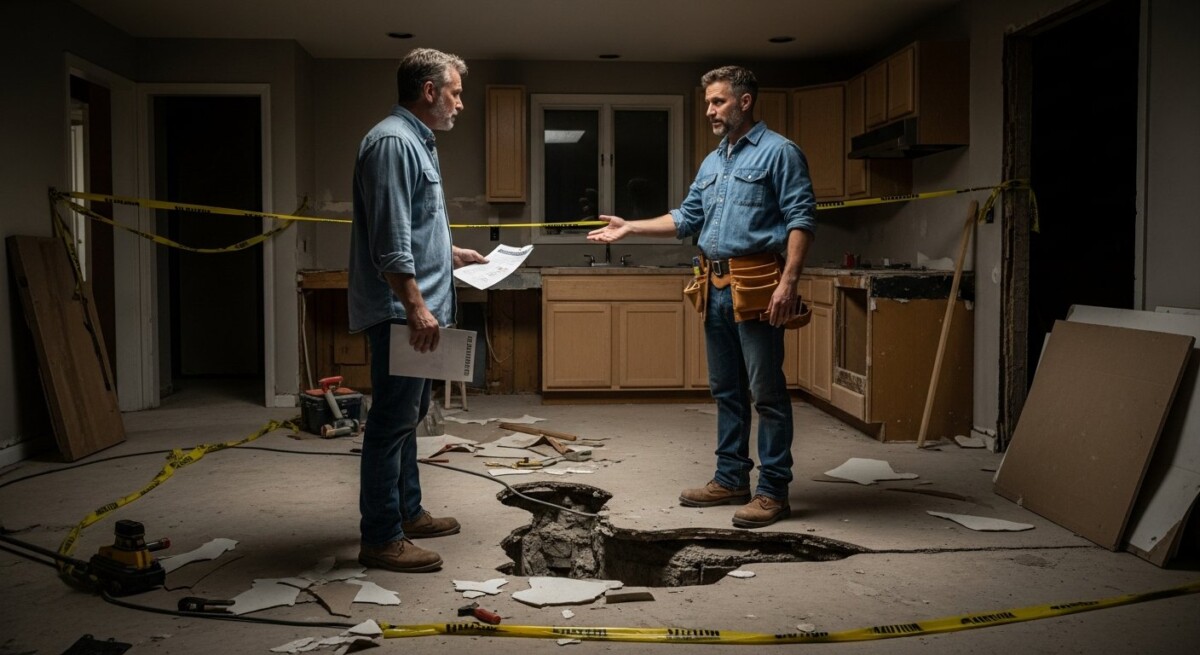
You hired a contractor with a clear timeline. The project was supposed to take six weeks, but now you are entering week nine with no end in sight. Your kitchen is a skeleton of drywall and exposed wires, and your family is eating takeout on paper plates for the third straight week. This scenario is more common than most homeowners realize, and understanding what happens if a contractor misses a deadline can save you from sleepless nights and unexpected expenses.
When a contractor misses a deadline, the immediate frustration is only the beginning. Delays can ripple through your life,disrupting work schedules, straining family routines, and sometimes exposing your home to weather damage or safety hazards. The key is knowing your rights, understanding why delays happen, and learning how to get the project back on track without losing your investment. In our guide on what to do when your contractor misses a deadline, we explain how to protect yourself legally and financially.
Understanding What Happens If Contractor Misses Deadline
A missed deadline means the contractor has failed to complete the agreed-upon work by the date specified in your contract. This can happen for many reasons: poor planning, supply chain issues, subcontractor availability, or simply taking on more jobs than they can handle. Missing a deadline is not automatically a breach of contract, but it becomes a serious issue when delays are unreasonable or unexplained.
Homes that are most affected by missed deadlines are those undergoing major remodels,kitchen renovations, bathroom overhauls, basement finishing, or room additions. These projects often involve multiple trades (plumbers, electricians, carpenters) working in sequence. When one trade is late, everything downstream gets pushed. If you are living in the home during construction, the stress multiplies quickly.
Why Deadlines Get Missed
Some delays are legitimate. Weather can halt roofing or foundation work. Special-order materials might arrive weeks late. Permits can take longer than expected. But other delays stem from poor project management or overbooking. A reliable contractor will communicate proactively about any setback and provide a revised timeline. When communication breaks down, that is when homeowners start feeling trapped.
Why This Matters for Your Home
Ignoring a missed deadline can lead to cascading problems. If your project involves an open roof, unsealed windows, or exposed framing, delays can allow moisture to seep into your home. Water damage leads to mold, rot, and structural issues that cost thousands to fix. Safety risks also increase when electrical or plumbing systems are left unfinished for weeks.
Comfort is another major concern. A half-finished renovation can make your home unlivable. You may be without a working kitchen, bathroom, or heating system. The longer the delay, the more you pay for takeout meals, hotel stays, and alternative living arrangements. Every week of delay also eats into your home’s value,especially if you planned to sell shortly after the renovation.
If you notice signs of trouble in your project timeline, it may help to speak with a qualified contractor. Request a free quote or call to explore your repair or remodeling options.
Common Problems Homeowners Experience
Homeowners who face missed deadlines often report similar patterns. The contractor stops showing up regularly. Phone calls go unanswered. Excuses pile up. What started as a week-long delay stretches into a month or more. By then, the trust is broken, and the homeowner is left wondering how to get their life back.
Other common problems include:
- Subcontractors showing up unannounced or not at all
- Materials sitting on site but no progress for days
- Incomplete work that forces you to hire another contractor to finish
- Damage to existing structures caused by rushed or sloppy work
- Change orders that increase the price without shortening the timeline
- Lien warnings from suppliers who haven’t been paid by the contractor
How Professionals Solve the Problem
Experienced contractors handle deadlines differently from the start. They build realistic timelines that account for material lead times, permit processing, and weather buffers. When delays happen,and they sometimes do,professional contractors communicate immediately, provide a written revised schedule, and often absorb extra costs if the delay was their fault.
The typical process for resolving a missed deadline involves a few clear steps:
- Review your contract to see if there is a timeline clause or penalty for delays.
- Document everything,photos, emails, text messages, and journal entries about what was promised versus what happened.
- Request a face-to-face meeting with the contractor to get a realistic completion date in writing.
- Get a second opinion from another contractor who can assess what remains and give you a quote to finish the job.
- Consider mediation or legal help if the contractor refuses to complete the work or demands more money.
Professional work is often safer and more reliable than DIY fixes, especially when dealing with structural, electrical, or plumbing systems. A licensed contractor carries insurance and bonds that protect you if something goes wrong. If your current contractor is unresponsive, bringing in a new professional can save your project,and your sanity.
A professional inspection can reveal hidden issues before they become expensive repairs. Compare contractor quotes here or call to discuss your project.
Warning Signs You Should Not Ignore
You do not have to wait until a deadline is weeks past to know something is wrong. There are early warning signs that your contractor may miss the deadline. Recognizing them early gives you time to act,whether that means having a tough conversation or finding a replacement.
Watch for these red flags:
- The contractor is hard to reach or returns calls days later
- Subcontractors show up without knowing the full scope of work
- Materials are delivered but sit untouched for days
- The contractor blames everyone else,suppliers, inspectors, weather
- Progress photos show little change from week to week
- You hear excuses like “we are waiting on a part” without a specific delivery date
Early action can prevent larger problems. If you suspect your contractor is falling behind, ask for a written update and a revised completion date. If they cannot provide one, that is your sign to get a second opinion.
What Affects the Cost of Repairs or Installation
If you need to bring in a new contractor to finish the work, the cost depends on several factors. The size of the remaining project matters most,a half-finished bathroom costs less to complete than a half-finished whole-house remodel. Materials also play a role. If the original contractor left behind usable materials, you save money. If you have to buy everything again, costs rise.
Labor rates vary by region and trade. Accessibility is another factor. If the work area is tight,like a small bathroom or a crawlspace,labor costs more. Older homes also tend to cost more because they often hide surprises like outdated wiring, rotting wood, or asbestos that must be handled carefully.
Costs can vary depending on the condition of your home. The best way to know the price is to get a personalized estimate. Request free quotes from contractors or call today.
How to Choose the Right Contractor
Whether you are finishing a stalled project or starting fresh, choosing the right contractor from the beginning is your best defense against missed deadlines. A good contractor will be transparent about timelines, honest about potential delays, and willing to put everything in writing.
Here are practical tips for selecting a contractor you can trust:
- Check licenses and insurance,verify they are current and valid in your state.
- Read customer reviews on multiple platforms, especially for projects similar to yours.
- Ask for detailed estimates that break down labor, materials, permits, and timeline assumptions.
- Compare multiple quotes,three at minimum,to understand the market rate and scope differences.
- Confirm experience with similar projects,a kitchen specialist may not be the best fit for a basement remodel.
When you compare quotes, pay attention to how each contractor talks about deadlines. The one who gives you a realistic schedule with built-in buffers is often more trustworthy than the one who promises the fastest turnaround.
Long-Term Benefits of Professional Work
Hiring a professional contractor,even if it means replacing a bad one,pays off in the long run. Professional work is safer. Licensed contractors follow building codes, which protect your family and your home from fire, electrical shock, or structural failure. Professional installations also last longer, which means fewer repairs and less maintenance over time.
Energy efficiency is another hidden benefit. A properly installed window, insulated wall, or sealed roof can lower your utility bills. Professional contractors know how to optimize these details. And when it comes time to sell your home, a well-documented, professionally completed renovation adds real market value. Buyers pay more for homes with permits, inspections, and a clean work history.
In the end, protecting your home and your budget means working with contractors who respect your time and your investment. If your current project is off track, you have options. You can negotiate, replace, or start fresh. The most important step is the first one: reaching out for help and comparing your options.
What should I do first if my contractor misses the deadline?
Start by reviewing your contract to see what it says about timelines and delays. Then document everything,emails, texts, photos of incomplete work, and a log of missed promises. Request a written update from the contractor with a new completion date. If they refuse or give vague answers, it is time to get a second opinion from another contractor.
Can I sue my contractor for missing the deadline?
You can, but suing should be a last resort. Most contracts require you to give the contractor a chance to fix the problem first. Small claims court is an option for disputes under a certain dollar amount (usually $5,000,$10,000 depending on your state). For larger claims, you may need a lawyer. Always send a written notice of the breach before filing a lawsuit.
What is a reasonable delay for a contractor?
A reasonable delay is one the contractor could not control,like a week of rain for roofing, a permit hold-up at city hall, or a backordered specialty fixture. Unreasonable delays are those caused by poor planning, overbooking, or failure to show up. A good rule of thumb: if the contractor communicates the delay in advance and provides a new date, it is likely reasonable. Silence is not reasonable.
Should I withhold payment if the deadline is missed?
Withholding payment can backfire. Some contracts allow you to withhold a portion of the final payment until the work is complete, but stopping all payments may cause the contractor to walk off the job entirely. A better approach is to pay only for work that has been completed and approved, and hold the final payment until the punch list is done. Check your state’s laws on mechanic’s liens before withholding money.
How do I find a reliable contractor to finish a stalled project?
Look for contractors who specialize in renovation repairs and who have experience taking over incomplete work. Ask for references from homeowners who had similar situations. Use a referral platform like Homes.Contractors to compare multiple pre-vetted contractors in your area. Be upfront about the project history so the new contractor can give you an accurate timeline and price.
Can a contractor charge me more after missing the deadline?
Only if the contract allows for cost-plus pricing or if you agreed to change orders that added scope. If the contract is a fixed-price agreement, the contractor is generally responsible for covering costs from delays they caused. Review your contract carefully. If the contractor tries to charge more for their own delay, that is a red flag and worth disputing in writing.
What is a contractor’s lien and can it affect me?
A mechanic’s lien is a legal claim a contractor or supplier can place on your property if they are not paid. Even if you paid your contractor in full, a subcontractor or supplier can file a lien if the contractor did not pay them. This can hurt your credit and make it hard to sell or refinance your home. To protect yourself, ask for lien waivers from everyone who works on your project before you make final payment.
How can I prevent missed deadlines in future projects?
Write a detailed contract that includes a clear start date, completion date, and a clause for how delays will be handled. Build in a buffer of one to two weeks for unexpected issues. Choose a contractor with a proven track record of finishing on time. And always communicate,check in weekly, ask for progress photos, and address small delays before they become big ones.
Every homeowner deserves a renovation that finishes on time and within budget. If your project has stalled, you do not have to handle it alone. Comparing contractor quotes is the fastest way to see your options and find someone who can finish the job right. Request free quotes from contractors or call today to get your home back on track.