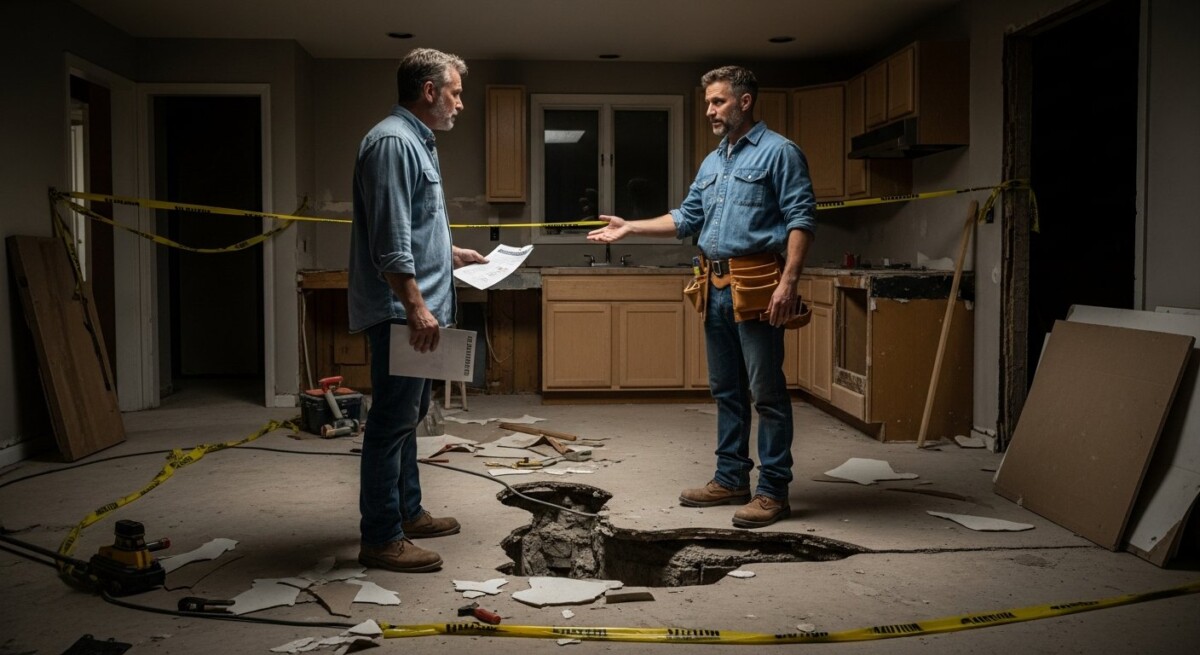
How to Choose a Contractor: Avoid Costly Mistakes

Choosing a contractor for your home improvement project can feel overwhelming. One wrong decision might lead to shoddy workmanship, budget overruns, or even legal trouble. Yet the right contractor transforms your vision into a reality while protecting your investment. This guide walks you through a proven process to vet, compare, and hire a qualified professional. With the resources available through Homes.Contractors, you can streamline the search and make a confident choice.
Why Hiring the Right Contractor Matters
Your home is likely your largest asset. When you hire a contractor, you entrust them with its structure, safety, and value. A skilled contractor delivers quality work on schedule and within budget. They carry proper insurance, secure necessary permits, and communicate clearly. On the other hand, a bad hire can leave you with unfinished work, code violations, or even liens on your property. According to the National Association of Home Builders, nearly half of homeowners regret not doing more research before hiring. Learning how to choose a contractor the right way saves you stress, money, and time.
Success begins with a mindset shift. Instead of focusing on the lowest price, prioritize value, reliability, and transparency. A low bid often signals shortcuts or inexperience. A professional contractor provides a detailed written estimate, explains their process, and welcomes your questions. By understanding what separates excellent contractors from the rest, you avoid the most common pitfalls.
Step 1: Define Your Project Scope and Budget
Before you contact anyone, clarify exactly what you need. Write down the work you want done, the materials you prefer, and the timeline you envision. For example, a kitchen remodel might involve new cabinets, countertops, flooring, and plumbing relocation. The more specific you are, the easier it becomes to compare quotes and avoid misunderstandings later.
Establish a realistic budget that includes a contingency fund of 10 to 20 percent for unexpected issues. Old homes often hide surprises like outdated wiring or water damage. A contractor who pressures you to start immediately without a thorough inspection may be cutting corners. Take your time to refine your scope, then use that document as your baseline for every conversation.
Step 2: Research and Gather Recommendations
Start by asking friends, neighbors, and local hardware stores for contractor names. Online directories like Homes.Contractors offer a curated list of pre-vetted professionals in your area. Look for contractors who specialize in the type of project you are planning. A roofer may not be the best choice for a bathroom remodel. Filter by service category such as roofing, plumbing, or bathroom remodeling to find the right match.
Create a shortlist of three to five candidates. Avoid the temptation to hire the first person who returns your call. A thorough search increases your odds of finding a contractor who fits your style and budget. Read online reviews, but view them critically. A single complaint among dozens of satisfied customers may be less concerning than a pattern of unresolved issues.
Step 3: Verify Licenses, Insurance, and Credentials
Every reputable contractor should hold a valid license for their trade in your state. Licensing requirements vary, but they typically indicate that the contractor has passed exams and meets basic competency standards. Ask for the license number and verify it through your state’s licensing board. Insurance is equally critical. A contractor must carry general liability insurance to cover damage to your property and workers’ compensation to protect you if a worker gets injured on the job.
Here are the key credentials to confirm before you move forward:
- State contractor license (check expiration and any disciplinary actions)
- General liability insurance certificate (minimum $500,000 coverage recommended)
- Workers’ compensation insurance (required in most states)
- Bonding (optional but offers extra protection)
- Trade certifications (e.g., EPA Lead-Safe certification for older homes)
Request copies of these documents directly from the contractor. If they hesitate or provide excuses, consider it a red flag. A legitimate contractor understands that these verifications are standard procedure and will gladly provide proof. You can also ask for their business license and tax identification number.
Step 4: Interview Multiple Contractors and Compare Quotes
Once you have a shortlist, schedule in-person interviews. This is your chance to assess professionalism, communication style, and technical knowledge. Prepare a list of questions that cover their experience with similar projects, their current workload, and how they handle changes or delays. Ask about the subcontractors they plan to use. A general contractor should have long-standing relationships with reliable tradespeople.
Request written estimates from each candidate. A detailed quote should break down labor, materials, permits, cleanup, and any other fees. Avoid contractors who provide only a verbal estimate or a single lump sum without explanation. Compare the line items, not just the total price. An unusually low bid may indicate that the contractor plans to cut corners or will add unexpected charges later. An unusually high bid might reflect a premium for rushed work or unnecessary upgrades.
Use the comparison to narrow your options. Remember that the cheapest bid is rarely the best value. Consider the contractor’s reputation, communication, and willingness to answer your questions. A good contractor educates you rather than pushing you to sign quickly.
Step 5: Check References and Past Work
Reputable contractors are proud of their portfolio and happy to share references. Ask for at least three recent projects similar to yours. Contact those homeowners and ask about their experience. Did the contractor stay on schedule? Were there any surprises? How did they handle problems? Would they hire the same contractor again?
If possible, visit a completed job site in person. Seeing the quality of work firsthand reveals details that photos cannot capture. Look for clean finishes, straight lines, and proper material installation. Also drive by an active job site to observe the crew’s organization and professionalism. A chaotic work area may hint at poor management habits that could affect your project.
Step 6: Review the Contract Carefully Before Signing
A written contract protects both you and the contractor. It should include the full scope of work, start and completion dates, payment schedule, material specifications, and a process for change orders. Never sign a contract that has blank spaces or vague language. If something is unclear, ask for clarification or add an amendment.
Standard payment terms often require a deposit of 10 to 30 percent, with progress payments tied to specific milestones. Avoid contractors who demand full payment upfront. A reasonable payment schedule keeps the contractor motivated and minimizes your financial risk. Also include a warranty clause that covers workmanship for at least one year. Some materials come with manufacturer warranties; the contractor should provide those documents as well.
Step 7: Maintain Clear Communication During the Project
Once the project starts, stay engaged without micromanaging. Set a regular check-in schedule with the contractor. A weekly progress update or a quick daily walk-through helps catch issues early. Keep a written record of all communications, including changes in scope or schedule. If you need to add or change something, submit a formal change order that both parties sign. This prevents disputes over costs and expectations later.
Be respectful of the contractor’s time and workflow. Trust their expertise on construction methods while asserting your needs as the homeowner. A collaborative relationship leads to better outcomes. If problems arise, address them calmly and directly. Most contractors want to deliver a satisfied customer and will work to resolve concerns.
How Homes.Contractors Simplifies the Process
Navigating the contractor selection process alone can be time-consuming. Homes.Contractors removes the guesswork by connecting you with pre-vetted professionals in your area. You can browse detailed profiles, read verified reviews, and request free quotes from multiple contractors in minutes. The site covers a wide range of services from roofing to bathroom remodeling, ensuring you find a specialist for your project.
Instead of cold-calling strangers from an online search, you start with a pool of contractors who have already been screened for licensing and insurance. This saves hours of research and reduces the risk of hiring an unqualified worker. Use the platform to compare estimates side by side, read FAQs tailored to your project type, and access educational articles that deepen your understanding. With Homes.Contractors, you make an informed decision backed by reliable data.
Choosing the right contractor does not have to be a gamble. Follow these steps, lean on trusted resources, and trust your instincts. Your home deserves the best, and with the right partner, your project will be a success.