Understanding Roof Repair Contractor Pricing for Homeowners
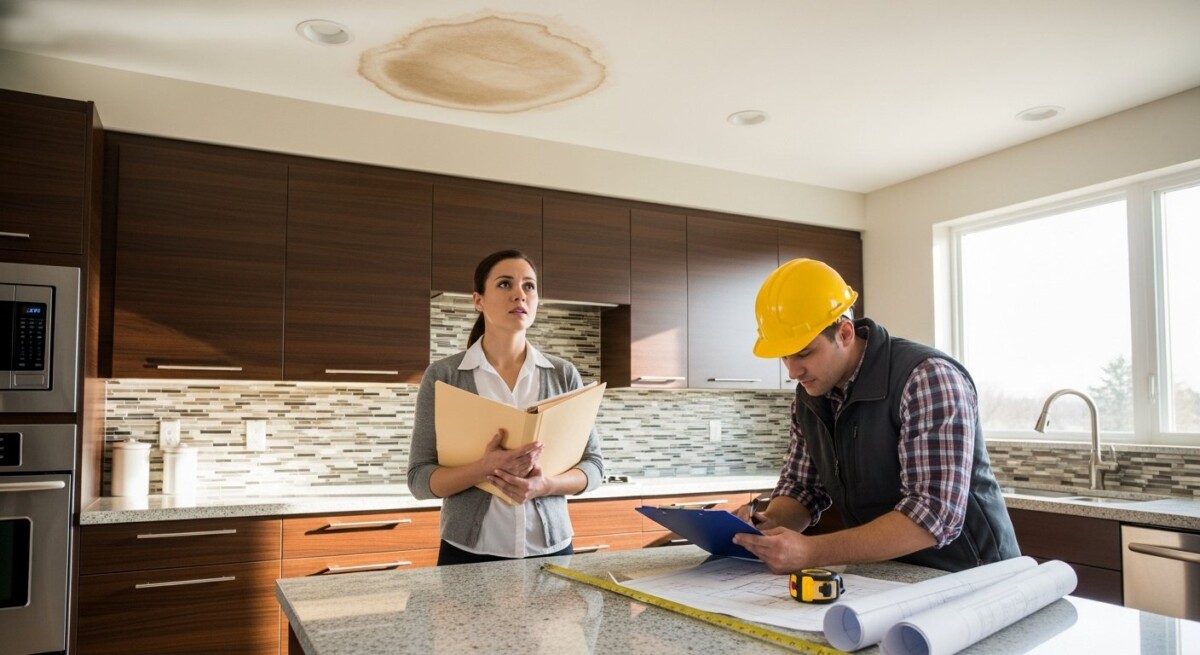
You notice a small water stain on your ceiling after a heavy rain. A few shingles look loose in the yard. Suddenly, you’re facing a decision you didn’t plan for: getting your roof fixed. The big question that stops many homeowners is, “How much will this cost?” It’s easy to put off calling a contractor, hoping the problem is minor or will go away. But that small leak or missing shingle is often a symptom of a larger issue, and delaying repairs can lead to serious damage inside your walls and attic, turning a simple fix into a major, costly project.
Understanding Roof Repair Contractor Pricing
Roof repair contractor pricing is simply the cost a professional charges to fix your roof. It’s not a single, set price. Instead, it’s a detailed estimate that covers the materials, labor, and expertise needed to restore your roof’s protection.
This pricing happens because every roof and every repair is unique. A contractor must assess the damage, calculate the materials required, and plan for the skilled labor to complete the job safely and correctly. The final quote reflects the true scope of work needed to protect your home.
While any home can need repairs, older roofs, homes in areas with severe weather, and properties with complex roof designs (like many valleys or steep pitches) are often most affected. Understanding what goes into a quote is the first step to making a smart decision for your home.
Why This Matters for Your Home
Your roof is your home’s first line of defense. When it’s compromised, the risks extend far beyond a simple drip. Ignoring needed repairs can lead to water infiltrating your attic, which can ruin insulation, warp wooden rafters, and promote dangerous mold growth.
This isn’t just about property damage; it’s about safety and comfort. A failing roof can lead to energy loss, making your heating and cooling systems work harder and raising your utility bills. Most importantly, addressing problems early is almost always less expensive than dealing with the cascading damage that follows neglect.
If you notice signs of this issue in your home, it may help to speak with a qualified contractor. Request a free quote or call to explore your repair or remodeling options.
Common Problems Homeowners Experience
Roof problems often start small and get worse over time. Homeowners might first see a stain on an interior ceiling or notice granules from asphalt shingles collecting in their gutters. These are clear signals that your roof’s protective layer is failing.
Other issues aren’t as visible from the ground. Wind can lift shingles, breaking the seal without causing them to fall off. Ice dams in winter can force water back up under the shingles. Each of these common problems requires a professional eye to diagnose the full extent and recommend the right fix.
- Leaks and Water Stains: The most obvious sign, often appearing on ceilings or near walls.
- Missing, Cracked, or Curling Shingles: Compromises the roof’s waterproof barrier.
- Damaged Flashing: The metal strips around chimneys, vents, and skylights can rust or come loose, creating entry points for water.
- Sagging Roof Deck: Indicates possible structural damage from long-term water exposure in the attic.
- Excessive Granule Loss: Shingles shedding their protective granules signals advanced aging.
- Clogged or Damaged Gutters: Can cause water to back up under the roof edge.
How Professionals Solve the Problem
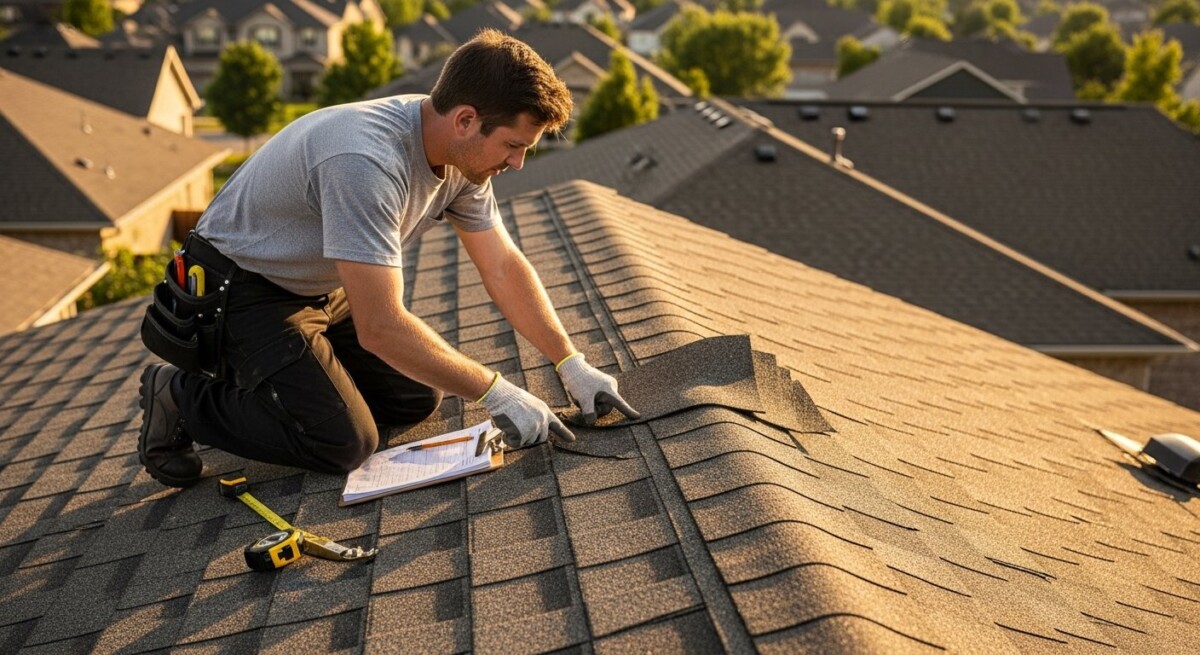
A professional roofing contractor doesn’t just patch a visible hole. They perform a systematic inspection to find the root cause of the problem and all areas of vulnerability. Their goal is to provide a lasting solution that restores the integrity of your entire roof system.
This professional approach is safer, more reliable, and more efficient than a DIY attempt. Contractors have the right safety equipment, knowledge of building codes, and access to quality materials. They also carry insurance, protecting you from liability if an accident occurs. For a deeper look at how contractors build their estimates, our guide on what determines contractor pricing breaks down the key components.
- Inspection & Diagnosis: A thorough check of the roof, attic, and interior for damage.
- Detailed Estimate: A written quote outlining the work, materials, timeline, and cost.
- Material Procurement: Sourcing the correct shingles, underlayment, flashing, and other supplies.
- Safe Preparation & Repair: Setting up safety measures, removing damaged materials, and executing the repair.
- Cleanup & Final Walkthrough: Leaving your property clean and ensuring you’re satisfied with the work.
A professional inspection can reveal hidden issues before they become expensive repairs. Compare contractor quotes here or call to discuss your project.
Warning Signs You Should Not Ignore
Your roof gives you clues long before a major leak erupts. Paying attention to these warnings can save you thousands of dollars. Acting early often means a repair is possible, while waiting can force a full roof replacement.
Don’t dismiss small signs as normal wear and tear. What seems minor from the ground can be a significant issue up close. Scheduling a professional inspection when you first notice a problem gives you the most options and control over the cost and scope of the project.
- Water stains or damp spots on your ceilings or upper walls.
- Shingles that are buckling, curling, or completely missing.
- Dark streaks or moss growth, which can trap moisture against the roof.
- Daylight visible through the roof boards in your attic.
- An unexplained increase in your energy bills.
- Excessive granules (that look like coarse sand) in your gutters.
What Affects the Cost of Repairs or Installation
Several key factors influence the final price of a roof repair. The size and severity of the damage are the most obvious, but other elements play a major role. A contractor’s quote will account for all these variables to provide an accurate price.
For example, a simple repair on an easily accessible, single-story roof with common shingles will cost less than fixing a leak on a steep, multi-story roof with a complex design. The type of roofing material,whether it’s asphalt shingle, tile, metal, or slate,also significantly impacts material and labor costs. To better understand how these variables apply to different projects, you can read about understanding contractor pricing for home projects.
Costs can vary depending on the condition of your home. The best way to know the price is to get a personalized estimate. Request free quotes from contractors or call today.
How to Choose the Right Contractor
Getting multiple quotes is crucial, but the lowest price isn’t always the best value. You need a contractor who is reputable, reliable, and will stand behind their work. Taking a little time to vet potential roofers protects your investment and your peace of mind.
Look for a contractor who communicates clearly, answers all your questions, and provides a detailed, written estimate. A trustworthy professional will never pressure you to sign a contract immediately and will be transparent about their process. For broader advice on navigating costs for larger renovations, our article on house renovation contractor pricing offers useful parallels.
- Verify Licenses & Insurance: Ensure they are licensed to work in your area and carry both liability and workers’ compensation insurance.
- Check Reviews & References: Read online reviews and ask for references from recent, local jobs.
- Get Everything in Writing: The estimate and final contract should detail materials, labor, warranty, timeline, and payment schedule.
- Compare Multiple Quotes: Get at least three detailed estimates to understand the market rate for your specific repair.
- Ask About Experience: Confirm they have experience with your roof type and the specific repair needed.
Long-Term Benefits of Professional Work
Investing in a professional roof repair does more than just stop a leak today. It protects your home’s structure, its contents, and your family’s health for years to come. Quality workmanship with proper materials extends the life of your entire roof.
This professional care also maintains your home’s value and curb appeal. A well-maintained roof is a key selling point and prevents bigger issues that could derail a future sale. Furthermore, a sound roof contributes to better energy efficiency, keeping your home comfortable and reducing monthly bills.
How much does an average roof repair cost?
There’s no single “average” cost, as it depends entirely on the damage. Minor repairs like replacing a few shingles may cost a few hundred dollars, while fixing widespread leak damage or replacing flashing around a chimney can run into the thousands. The only way to get an accurate cost for your home is with a professional inspection and estimate.
Can I repair my roof myself to save money?
While DIY might seem cheaper, roof work is dangerous and requires specific skills. An improper repair can void manufacturer warranties, fail to address the root cause, and even cause more damage. Professionals ensure the repair is done safely, correctly, and with materials that match your existing roof for a lasting solution.
How long should a roof repair take?
Most standard repairs are completed in one to two days. However, complex issues, extensive water damage inside the home, or waiting for special-order materials can extend the timeline. A reputable contractor will provide a projected schedule in their estimate.
Will my homeowner’s insurance cover roof repair?
It depends on the cause of the damage. Insurance typically covers sudden, accidental damage from events like storms or fallen trees. It usually does not cover repairs needed due to normal wear and tear or lack of maintenance. Always review your policy and discuss the damage with your insurance agent.
What’s the difference between a repair and a full replacement?
A repair fixes a specific, localized problem on a roof that is otherwise in good condition. A replacement involves removing all the old roofing material and installing a completely new roof, which is necessary when the roof is at the end of its lifespan or has widespread, severe damage.
How often should I have my roof inspected?
It’s wise to have a professional inspection at least every 2-3 years, and always after a major storm. You should also perform a visual check from the ground each spring and fall, and look in your attic occasionally for signs of water intrusion.
Understanding roof repair pricing empowers you to make informed decisions to protect your biggest investment. By recognizing warning signs early and seeking professional assessments, you can address problems while they are still manageable. Taking the step to compare detailed quotes from qualified contractors is the most practical way to ensure your home stays safe, dry, and valuable for years to come.