What Determines Contractor Pricing for Home Projects
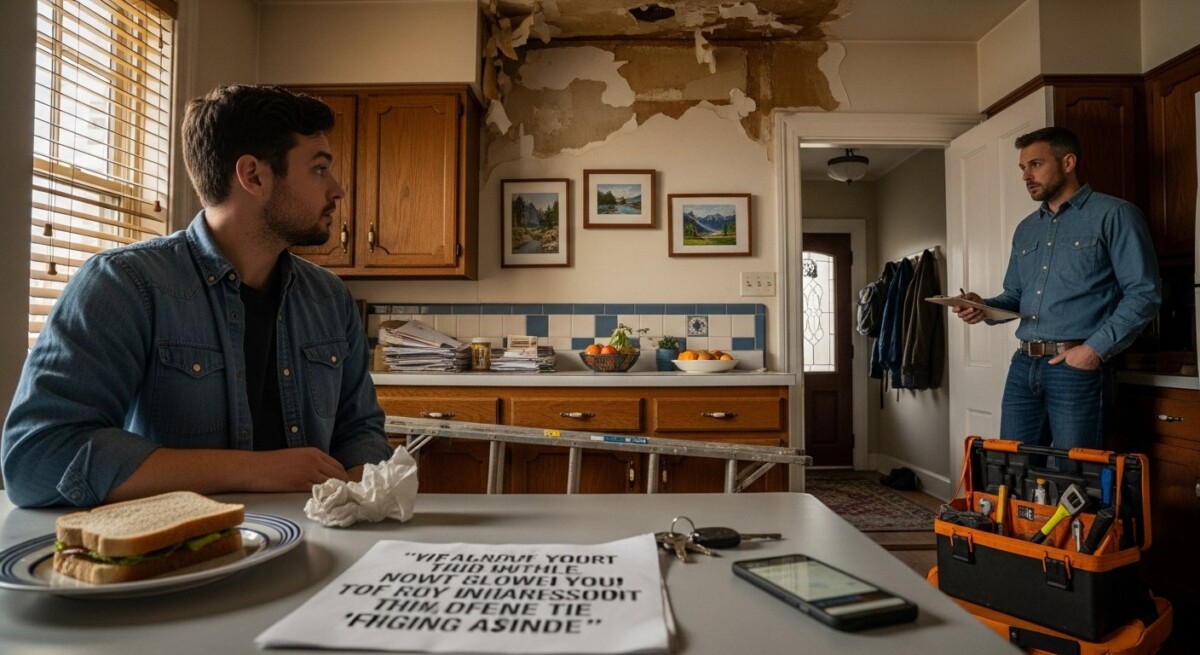
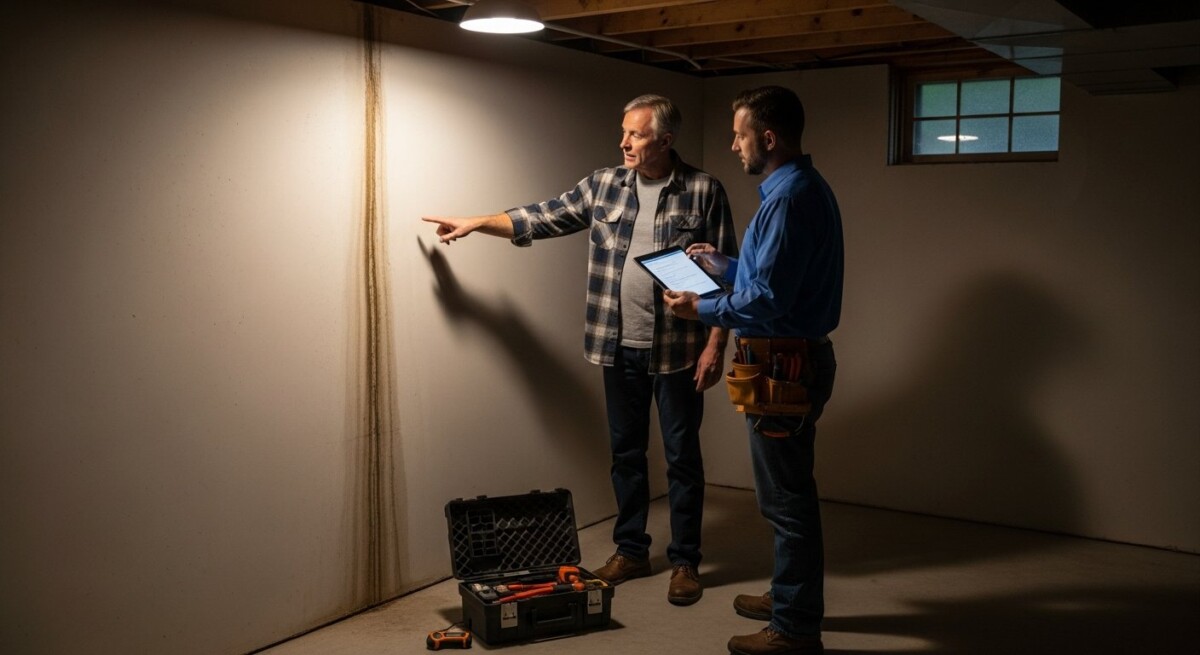
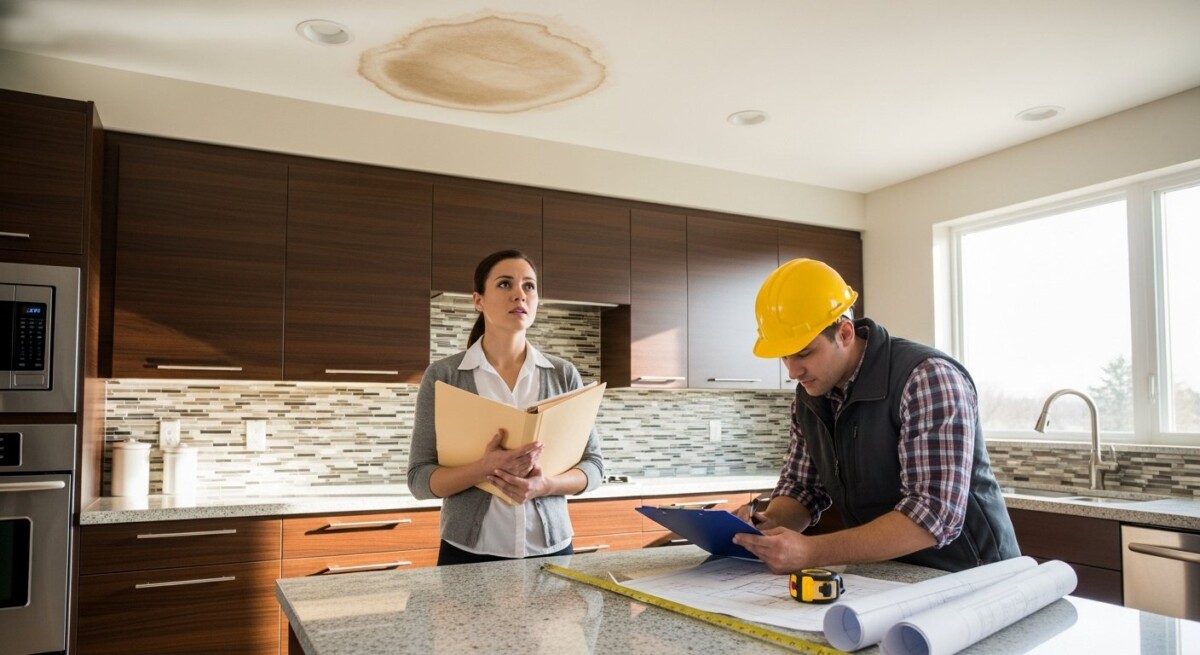
You’ve finally decided to tackle that kitchen remodel or fix the persistent leak in the basement. You call a few contractors, and the quotes that come back vary wildly. One seems surprisingly low, another is eye-wateringly high, and a third is somewhere in the middle. As a homeowner, you’re left wondering: what exactly goes into these numbers? Understanding what determines contractor pricing isn’t just about getting the best deal,it’s about protecting your investment and ensuring the job is done right.
Understanding What Determines Contractor Pricing
Contractor pricing is the final number you see on an estimate, but it’s the sum of many detailed parts. It’s not a random figure or a simple hourly rate multiplied by time. Instead, it’s a calculated reflection of the project’s scope, the materials required, the labor involved, and the contractor’s expertise and business costs.
This pricing model happens because every home and project is unique. A contractor must assess your specific situation, account for potential challenges, and ensure they can complete the work safely, to code, and with a warranty. The goal is to provide a fair price that covers all expenses and allows them to run a sustainable business, while delivering quality you can trust.
Breaking Down the Estimate
When a contractor creates a quote, they are essentially building a blueprint of costs. They start with the direct costs: materials and labor. Then, they layer on indirect costs like insurance, permits, equipment, and overhead. Finally, a reasonable profit margin is included, which is what allows them to stay in business and guarantee their work.
Why This Matters for Your Home
Choosing a contractor based solely on the lowest price can be a costly mistake for your home. The price reflects the quality of materials, the skill of the labor, and the thoroughness of the planning. A quote that seems too good to be true often means corners will be cut, substandard materials will be used, or crucial steps will be skipped.
Ignoring the factors behind pricing can lead to bigger problems down the road. Poor workmanship can cause structural issues, water damage, or electrical hazards. It can also decrease your home’s value and lead to more expensive repairs later. Investing in proper work from the start protects your safety, your property, and your wallet.
If you notice signs of this issue in your home, it may help to speak with a qualified contractor. Request a free quote or call to explore your repair or remodeling options.
Common Problems Homeowners Experience
Homeowners often face confusion and frustration when comparing contractor bids. Without understanding what drives the costs, it’s easy to feel like you’re being overcharged or to unintentionally choose a contractor who will deliver subpar results. This uncertainty can delay important projects, allowing small issues to worsen.
These problems typically appear as huge price gaps between estimates, vague line items that don’t explain what you’re paying for, or pressure to decide immediately. Some contractors may offer a low initial bid only to present “change orders” for extra costs once the project is underway, blowing your budget apart.
- Receiving quotes that vary by thousands of dollars for the same project.
- Estimates that are vague or lack detail on materials and labor breakdowns.
- Pressure to pay a large deposit upfront before any work begins.
- Contractors who are significantly cheaper but cannot provide references or proof of insurance.
- Unexpected costs arising mid-project due to poor initial assessment.
- Choosing a low bidder only to discover the work is shoddy and needs redoing.
How Professionals Solve the Problem
A reputable contractor solves the pricing puzzle through transparency and thoroughness. They start with a detailed assessment of your project, identifying not just the obvious work but potential hidden issues. Their estimate should clearly outline the scope, materials, timeline, and payment schedule, turning a confusing number into a understandable plan.
Professional work is safer and more reliable because it follows building codes, uses quality materials suited for the purpose, and is performed by skilled tradespeople. They carry insurance that protects you from liability, and they stand behind their work with warranties. This approach, detailed in our guide on contractor pricing for home projects, ensures the job is done right the first time, saving you money and stress in the long run.
- Initial Consultation & Scope Definition: They visit your home, discuss your goals, and define the exact work to be done.
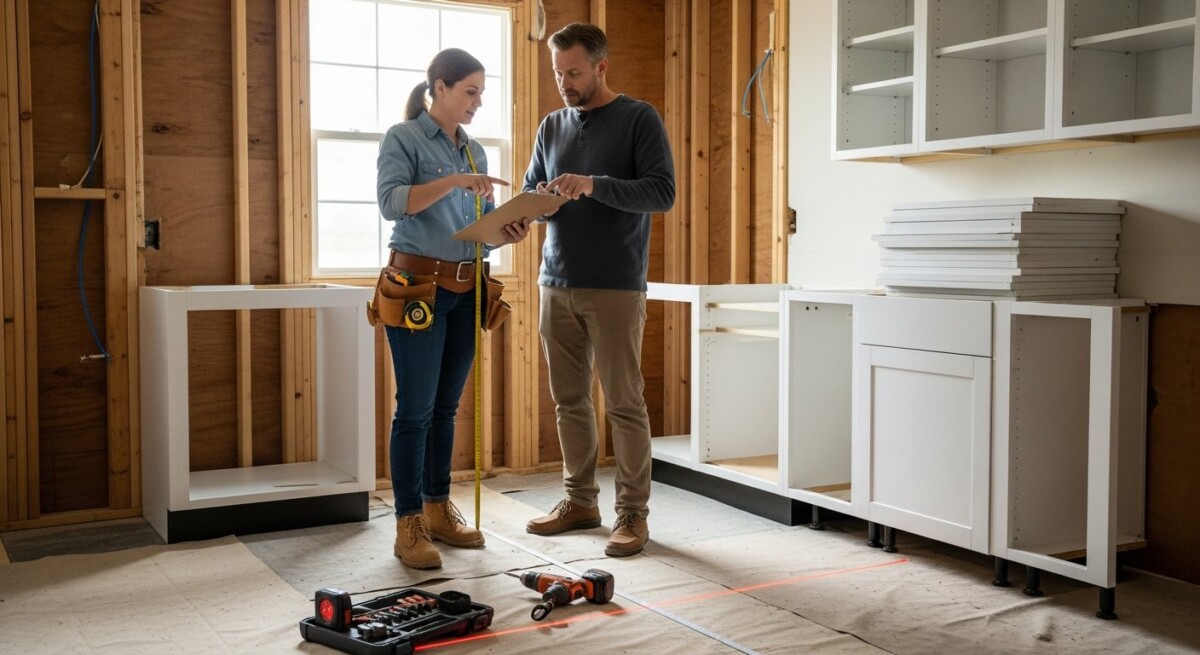
- Detailed Assessment: They inspect the area, take measurements, and identify any underlying issues that need addressing.
- Material Selection & Sourcing: They help you choose appropriate materials and get accurate costs from suppliers.
- Labor & Timeline Planning: They calculate the crew size, specialized skills needed, and a realistic project schedule.
- Quote Preparation: They compile all costs,materials, labor, permits, overhead, and profit,into a clear, itemized estimate.
A professional inspection can reveal hidden issues before they become expensive repairs. Compare contractor quotes here or call to discuss your project.
Warning Signs You Should Not Ignore
When reviewing contractor estimates, certain red flags should prompt you to look closer or seek another opinion. These signs often indicate a contractor who may be unreliable, inexperienced, or planning to use questionable practices. Recognizing them early can prevent project nightmares.
Acting on these warnings protects you. It ensures you hire someone who values clarity and integrity, which directly correlates with the quality of work on your home. Early due diligence is a small investment that prevents major financial and emotional costs later.
- A contractor who insists on a cash-only deal or refuses to provide a written contract.
- An estimate that is dramatically lower than all others without a clear, justifiable reason.
- High-pressure sales tactics or limited-time discounts to sign immediately.
- An unwillingness to provide proof of licensing, insurance, or local references.
- Vague answers to specific questions about materials, brands, or installation methods.
- Requests for full payment upfront before any materials are delivered or work has begun.
What Affects the Cost of Repairs or Installation
Many factors influence the final price of your project. Understanding these helps you make sense of different quotes and discuss your project knowledgeably with contractors. It’s rarely just about square footage; it’s about complexity, condition, and quality.
The size and scope are the most obvious factors, but the age of your home and accessibility of the work area are equally important. An older home may have outdated wiring or plumbing that needs upgrading to meet code, adding to the cost. A difficult-to-reach attic or a backyard with no gate for equipment can significantly increase labor time.
- Project Scope & Size: A full bathroom remodel costs more than a vanity update. More square footage means more materials and labor.
- Material Quality & Selection: Custom cabinets, natural stone countertops, and high-end fixtures cost more than stock or builder-grade options.
- Labor Intensity & Skill: Complex tasks like structural work, intricate tile patterns, or historic restoration require specialized, higher-paid tradespeople.
- Site Conditions & Accessibility: Working in a tight, third-floor condo or a home with asbestos abatement needs adds time, precautions, and cost.
- Permits & Inspections: Most substantial projects require permits, which have fees and add administrative time for the contractor.
- Geographic Location: Labor and material costs vary by region and even by neighborhood within a city.
Costs can vary depending on the condition of your home. The best way to know the price is to get a personalized estimate. Request free quotes from contractors or call today.
How to Choose the Right Contractor
Selecting the right professional is the most critical step in ensuring a successful project. It’s about finding a balance between fair pricing, proven expertise, and trust. The goal is to build a partnership with someone who understands your vision and has the skill to execute it properly.
Start by getting at least three detailed estimates for comparison. Look beyond the bottom line and examine what each quote includes. A slightly higher bid that uses better materials, includes more labor hours for prep work, and offers a stronger warranty often provides far greater value. For a deeper dive into this comparison process, our resource on understanding house renovation contractor pricing can be very helpful.
- Verify Credentials: Always check for a valid state license, liability insurance, and workers’ compensation coverage.
- Read Reviews & Ask for References: Look at online reviews and ask for past client references for similar projects. Contact them.
- Get Everything in Writing: The contract should include a detailed scope of work, material specifications, payment schedule, start/end dates, and warranty information.
- Compare Detailed Estimates: Don’t just compare totals. Ensure each bid outlines the same scope with similar quality materials for a true apples-to-apples comparison.
- Trust Your Instincts: Choose someone who communicates clearly, answers your questions patiently, and makes you feel confident and comfortable.
Long-Term Benefits of Professional Work
Investing in quality contractor work pays dividends long after the project is complete. While the initial cost may be higher than a DIY attempt or a cut-rate handyman, the long-term value is undeniable. Professional work is an investment in your home’s future, not just an expense.
Proper repairs and installations enhance your home’s safety, efficiency, and durability. They prevent recurring problems, reduce energy bills, and require less maintenance. Most importantly, they protect and often increase your home’s resale value. Buyers and appraisers recognize quality workmanship, making your home more attractive and valuable in the market.
Quality work also brings peace of mind. Knowing your electrical system is safe, your roof won’t leak, and your foundation is sound allows you to enjoy your home without underlying worry. This assurance is a significant, though often overlooked, benefit of hiring a true professional.
How much should I budget for a home renovation project?
A good rule of thumb is to add a 10-20% contingency fund on top of your estimated project cost. Unexpected issues, like rot behind walls or outdated wiring, are common in renovations. Having a buffer prevents budget stress and ensures the project can be completed properly even if surprises arise.
Why are some contractor quotes so much higher than others?
Large differences often mean the scopes of work are not the same. A higher quote may include better-quality materials, more thorough prep work, permitting fees, or accounting for complex site conditions. The lowest bid may exclude these essentials, leading to change orders and higher costs later.
Is it okay to hire an unlicensed contractor to save money?
It is very risky. Unlicensed contractors often aren’t insured, putting you liable for any injuries or property damage. Their work may not meet building codes, which can cause safety hazards, fail inspections, and create problems when you sell your home. The potential savings are not worth the significant financial and legal risks.
What should a contractor’s estimate include?
A detailed estimate should include a breakdown of material costs (types and quantities), labor costs, a project timeline, payment schedule, and a clear description of the work to be performed. It should also list the contractor’s license number and information about warranties on both materials and labor.
How do I know if a contractor’s price is fair?
Get at least three estimates for the same detailed scope of work. If one is far lower, ask why. If one is far higher, ask what extras are included. A fair price falls within a reasonable range of the others and is backed by a transparent, detailed breakdown and the contractor’s strong reputation.
Can I negotiate price with a contractor?
You can discuss price, but focus on value, not just cutting cost. Ask if there are areas where you can use different materials to save money without compromising quality, or if phasing the project could help. Be wary of a contractor who readily agrees to a large price cut, as they may plan to reduce quality to compensate.
What’s the difference between an estimate and a quote?
An estimate is a best-guess approximation of costs and can change. A quote (or bid) is a fixed-price offer for the defined scope of work. For planning purposes, always insist on a fixed-price quote before signing a contract to avoid unexpected cost overruns.
How does project complexity affect pricing?
Extremely complex projects require more skilled labor, specialized equipment, detailed planning, and often longer timelines. This complexity, whether it’s a structural change, integrating smart home technology, or working with historic materials, is a major driver of cost, as explained in our broader home contractor pricing guide.
Understanding what determines contractor pricing empowers you to make smart decisions for your home. It moves you from feeling confused by numbers to being an informed partner in your project. By recognizing the value behind a fair price and choosing a qualified professional, you protect your investment and ensure your home improvements are built to last. The next step is simple: gather a few detailed quotes from reputable contractors to understand your specific options and move forward with confidence.