How Contractor Quotes Work: A Homeowner’s Guide to Pricing

You notice a leak under the sink, a cracked driveway, or a room that needs a fresh look. You know you need help, but the thought of calling a contractor feels overwhelming. How much will it cost? Will you get ripped off? You start searching online for answers, and that is when you realize you need to understand how contractor quotes work before you can move forward. Without this knowledge, you risk paying too much or hiring someone who cuts corners.
Many homeowners discover this problem when they receive a vague estimate or a price that seems too good to be true. The issue becomes serious when you delay the project because you are unsure of the process, leading to further damage or missed opportunities. Understanding the quote process is the first step to getting your home repaired or remodeled with confidence.
Understanding how contractor quotes work
A contractor quote is a written document that outlines the cost of a specific project. It includes labor, materials, permits, and any other fees. This is different from a simple verbal estimate, which is just a rough guess. A proper quote is a binding offer that protects both you and the contractor.
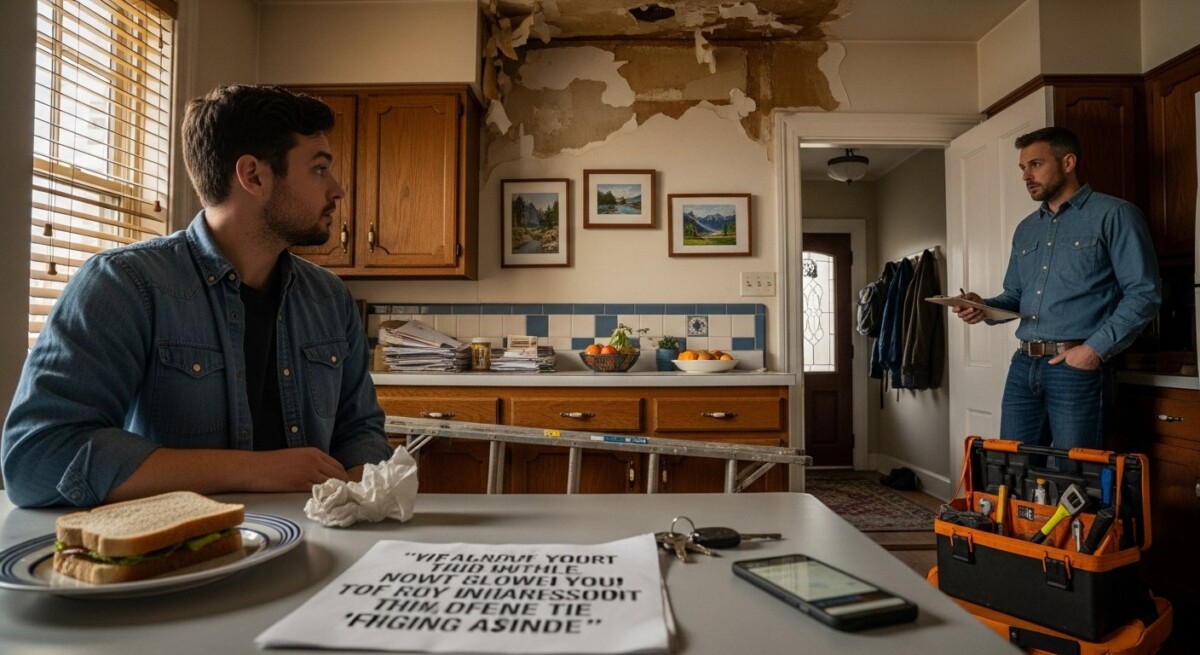
Quotes are created after a contractor visits your home, inspects the area, and discusses your needs. Factors like the size of the project, the materials you choose, and the complexity of the work all affect the final price. Homes with older systems or hard-to-reach areas may require more time and specialized equipment, which increases the quote.
Most homeowners are affected by this process when they need repairs or renovations. Whether you are fixing a roof, remodeling a bathroom, or finishing a basement, understanding quotes helps you make informed decisions and avoid surprises. For a deeper look at the timeline, see our guide on how long contractor quotes take.
Why This Matters for Your Home
Ignoring the quote process can lead to costly mistakes. Without comparing multiple quotes, you might overpay for a job. Worse, a low quote could mean the contractor is using cheap materials or skipping important steps, leading to future repairs. Your home’s safety and value depend on getting the job done right the first time.
Delaying a project because you are unsure about pricing can also cause problems. A small leak can turn into mold damage. An outdated electrical panel can become a fire hazard. By understanding quotes, you can move forward quickly and protect your investment. Professional work also improves comfort and energy efficiency, saving you money on utility bills.
If you notice signs of this issue in your home, it may help to speak with a qualified contractor. Request a free quote or call to explore your repair or remodeling options.
Common Problems Homeowners Experience
Homeowners often face confusion when they receive quotes that vary widely. One contractor might quote $5,000 for a bathroom remodel, while another quotes $12,000. Without understanding the breakdown, you might choose the cheapest option, only to discover hidden fees or poor workmanship later.
Another common issue is the lack of detail in quotes. Some contractors provide a single line item for the total cost, leaving you unsure of what is included. This can lead to disputes when unexpected expenses arise, such as disposal fees or material upgrades.
- Receiving verbal estimates instead of written quotes
- Quotes that do not include permit or inspection fees
- Vague descriptions of materials and labor
- Pressure to sign a contract immediately
- Unexpected charges for site preparation or cleanup
- Quotes that expire too quickly, forcing a rushed decision
How Professionals Solve the Problem
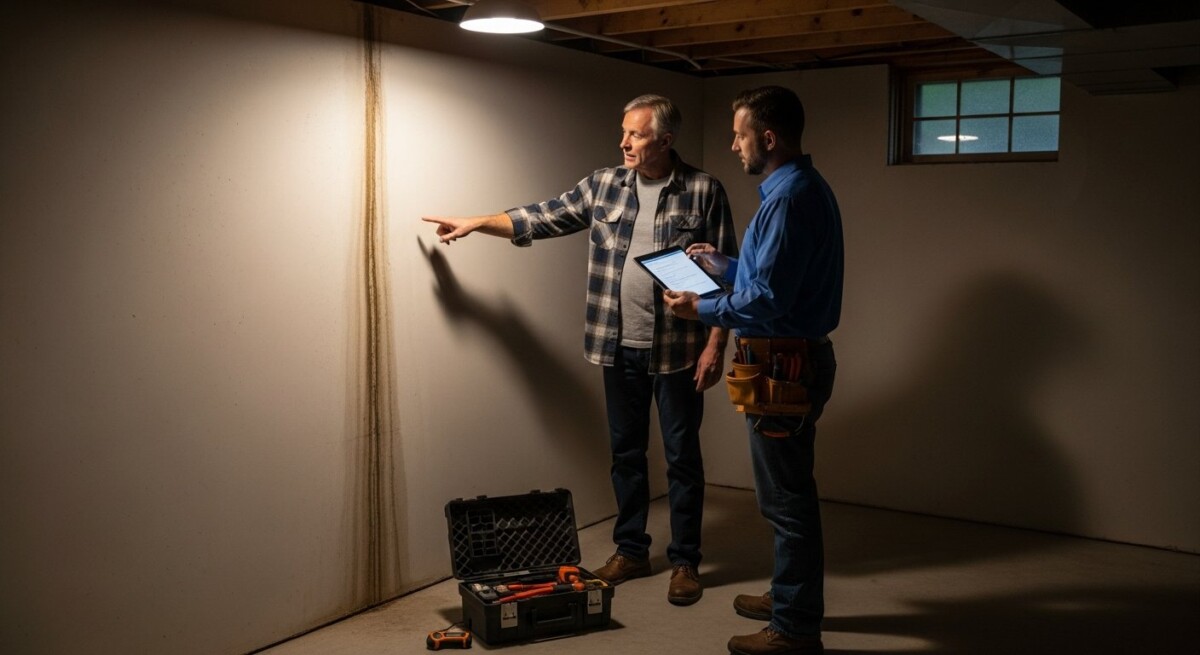
Experienced contractors follow a clear process to provide accurate quotes. They start with a thorough inspection of your home, measuring spaces and checking for underlying issues. This ensures that the quote covers everything needed, from materials to labor to permits.
After the inspection, the contractor prepares a detailed written estimate. This document should list each task, the materials required, the labor hours, and the total cost. A reputable contractor will explain the quote line by line and answer your questions. They will also discuss payment schedules and warranties.
- Initial consultation and on-site inspection
- Review of your goals and budget
- Selection of materials and finishes
- Calculation of labor, permits, and overhead
- Delivery of a detailed written quote
- Review and revision based on your feedback
Professional work is safer and more reliable than DIY fixes because contractors have the training, tools, and insurance to handle unexpected problems. They also guarantee their work, giving you peace of mind. For a step-by-step guide on getting started, read how to request contractor quotes.
A professional inspection can reveal hidden issues before they become expensive repairs. Compare contractor quotes here or call to discuss your project.
Warning Signs You Should Not Ignore
Your home often gives you clues that a repair is needed. Pay attention to these signs, as early action can save you thousands of dollars. For example, water stains on the ceiling might indicate a roof leak, while cracks in the foundation could signal structural issues.
Ignoring these warning signs can lead to bigger problems, such as mold growth, pest infestations, or even collapse. A professional contractor can assess the situation and provide a quote for the necessary repairs. Do not wait until the damage is visible from the street.
- Water stains, peeling paint, or bubbling wallpaper
- Cracks in walls, ceilings, or foundation
- Doors or windows that stick or do not close properly
- Musty odors, especially in basements or crawl spaces
- Higher than normal energy bills
- Visible mold or mildew
What Affects the Cost of Repairs or Installation
Several factors influence the final price of a contractor quote. The size of the project is the most obvious,a larger room or a bigger roof will cost more. The materials you choose also play a major role. Premium tiles, hardwood flooring, or energy-efficient windows are more expensive than basic options.
Labor costs vary based on the complexity of the work and the contractor’s experience. Jobs that require specialized skills, such as electrical or plumbing work, typically cost more. The accessibility of the work area matters too. A bathroom on the second floor may cost more to remodel than one on the ground floor because of the extra effort needed to move materials.
The age of your home can also affect the quote. Older homes may have outdated wiring, lead paint, or asbestos that require special handling. These factors increase the time and cost of the project. Always ask the contractor to explain the breakdown so you understand where your money is going.
Costs can vary depending on the condition of your home. The best way to know the price is to get a personalized estimate. Request free quotes from contractors or call today.
How to Choose the Right Contractor
Selecting the right contractor is just as important as understanding the quote. Start by asking for recommendations from friends or family, or use a trusted directory like Homes.Contractors to find pre-vetted professionals. Always check that the contractor is licensed, insured, and bonded.
Read online reviews and ask for references from past clients. A good contractor will be happy to share examples of their work. When you receive quotes, compare them carefully. Look for detailed breakdowns, not just total prices. The cheapest option is not always the best, and the most expensive is not always the most thorough.
- Verify licenses and insurance with your state or local agency
- Read reviews on Google, Yelp, or the Better Business Bureau
- Ask for at least three detailed written quotes
- Confirm experience with projects similar to yours
- Get everything in writing, including the scope of work and payment schedule
Long-Term Benefits of Professional Work
Hiring a professional contractor is an investment in your home’s future. Quality work lasts longer, reducing the need for frequent repairs. For example, a properly installed roof can last 20 to 30 years, while a DIY job might fail in five. This durability saves you money over time.
Professional work also improves your home’s safety. Licensed contractors follow building codes and safety standards, protecting your family from hazards like electrical fires or structural failures. Additionally, energy-efficient upgrades can lower your utility bills and increase your home’s resale value. A well-maintained home is more attractive to buyers.
By choosing a professional, you also gain peace of mind. You know the job is done right, and you have a warranty to back it up. For tips on comparing offers, see our guide on how to find and compare contractor quotes near me.
What is the difference between a quote and an estimate?
A quote is a fixed price for a specific scope of work, while an estimate is an approximation. Quotes are binding, meaning the contractor cannot charge more unless you agree to changes. Estimates are not binding and can change as the project progresses.
How long are contractor quotes valid?
Most quotes are valid for 30 to 90 days, depending on the contractor and the materials involved. Prices for lumber, steel, or other materials can fluctuate, so the contractor may need to adjust the quote if you wait too long. Always ask about the expiration date when you receive the quote.
Should I get multiple quotes for my project?
Yes, it is a good idea to get at least three quotes from different contractors. This helps you compare prices, understand the scope of work, and choose the best fit for your budget. Be wary of quotes that are significantly lower or higher than the others.
What should a contractor quote include?
A detailed quote should include the total price, a breakdown of labor and materials, the project timeline, payment schedule, and any warranty information. It should also specify what is not included, such as permits or disposal fees. If anything is unclear, ask the contractor to explain.
Can I negotiate a contractor quote?
Yes, you can negotiate, but be respectful. Contractors have set costs for materials and labor, so there may be limited room. Instead of asking for a discount, ask if you can reduce costs by choosing different materials or simplifying the design. Some contractors may also offer discounts for cash payments.
Why are some quotes much higher than others?
Higher quotes may reflect the use of premium materials, more experienced labor, or additional services like cleanup and permits. Lower quotes may cut corners or use cheaper materials. Always review the details of each quote to understand the differences before making a decision.
Do I have to pay for a contractor quote?
Most contractors provide free quotes for standard projects. However, some may charge a fee for complex or large-scale projects, such as custom home builds. This fee is often applied to the final cost if you hire them. Always ask about any fees upfront.
What happens if the final cost exceeds the quote?
If you do not make any changes to the scope of work, a reputable contractor should honor the quote. If unexpected issues arise, such as hidden water damage, the contractor should discuss the additional costs with you before proceeding. Clear communication is key.
Understanding how contractor quotes work is the first step to a successful home improvement project. By learning about the process, comparing quotes, and choosing a professional, you can protect your home and your budget. Do not let confusion or fear delay your project. Request quotes from multiple contractors today and take control of your home’s future.