What Is a Contractor Estimate? A Homeowner’s Guide to Pricing
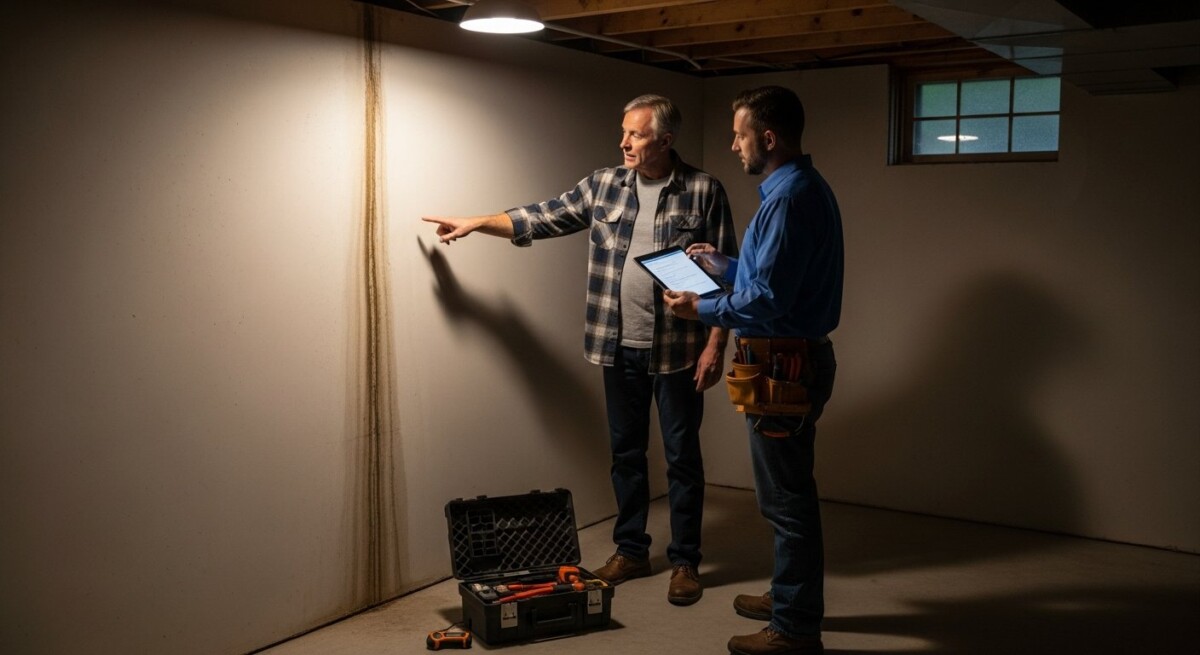
You walk into your basement to grab a box of holiday decorations, and you notice a musty smell. A closer look reveals a dark stain creeping up the drywall near the floor. Your heart sinks. You know something is wrong, but you have no idea how much it will cost to fix. This is the moment when most homeowners start searching for answers about repairs and pricing. Understanding what is a contractor estimate can save you from anxiety and unexpected expenses down the road.
Understanding What Is a Contractor Estimate
A contractor estimate is a written document that outlines the expected cost of a home repair or remodeling project. It breaks down the price of materials, labor, permits, and any other fees involved. Think of it as a financial roadmap for the work you need done.
Estimates are not the same as final invoices. They are educated guesses based on the contractor’s experience, the scope of work, and current market rates. A good estimate gives you a clear picture before any work begins, so you can plan your budget and avoid surprises.
Most homes at some point need a contractor estimate. Whether you are dealing with a leaky roof, outdated plumbing, or a cracked foundation, getting a professional opinion is the first step toward a solution. Even newer homes can develop issues that require expert evaluation.
Why This Matters for Your Home
Ignoring the need for a contractor estimate can lead to bigger problems. Small issues like a slow drain or a chipped tile might seem harmless, but they often mask underlying damage. Water leaks, for example, can rot wood, weaken drywall, and attract mold,all of which cost much more to fix later.
Safety is another major concern. Faulty wiring, unstable railings, or a sagging roof pose real risks to your family. A contractor estimate helps you understand the severity of the problem and the urgency of the repair. It also protects your property value. Homes with unresolved issues sell for less and take longer to move.
Comfort matters too. A drafty window or an inefficient HVAC system makes your home less enjoyable. Getting an estimate allows you to address these problems and improve your daily living environment. Delaying repairs often means higher energy bills and more stress.
If you notice signs of this issue in your home, it may help to speak with a qualified contractor. Request a free quote or call to explore your repair or remodeling options.
Common Problems Homeowners Experience
Homeowners encounter a wide range of issues that require a contractor estimate. Some problems are obvious, like a hole in the wall or a broken window. Others are hidden, such as deteriorating insulation or corroded pipes inside the walls.
Age is a common factor. Older homes often have outdated electrical systems, worn-out roofing, or settling foundations. Even well-maintained houses eventually need updates. The key is catching problems early before they escalate into expensive emergencies.
- Visible water stains on ceilings or walls
- Persistent musty odors in basements or crawl spaces
- Frequent circuit breaker trips or flickering lights
- Uneven floors or doors that stick when closing
- Cracks in the foundation or exterior brickwork
- Drafts or temperature swings in certain rooms
How Professionals Solve the Problem
Experienced contractors approach every project with a systematic process. First, they inspect the affected area thoroughly. They look for visible damage and use tools like moisture meters or thermal cameras to find hidden issues. This step is critical because what you see on the surface is rarely the whole story.
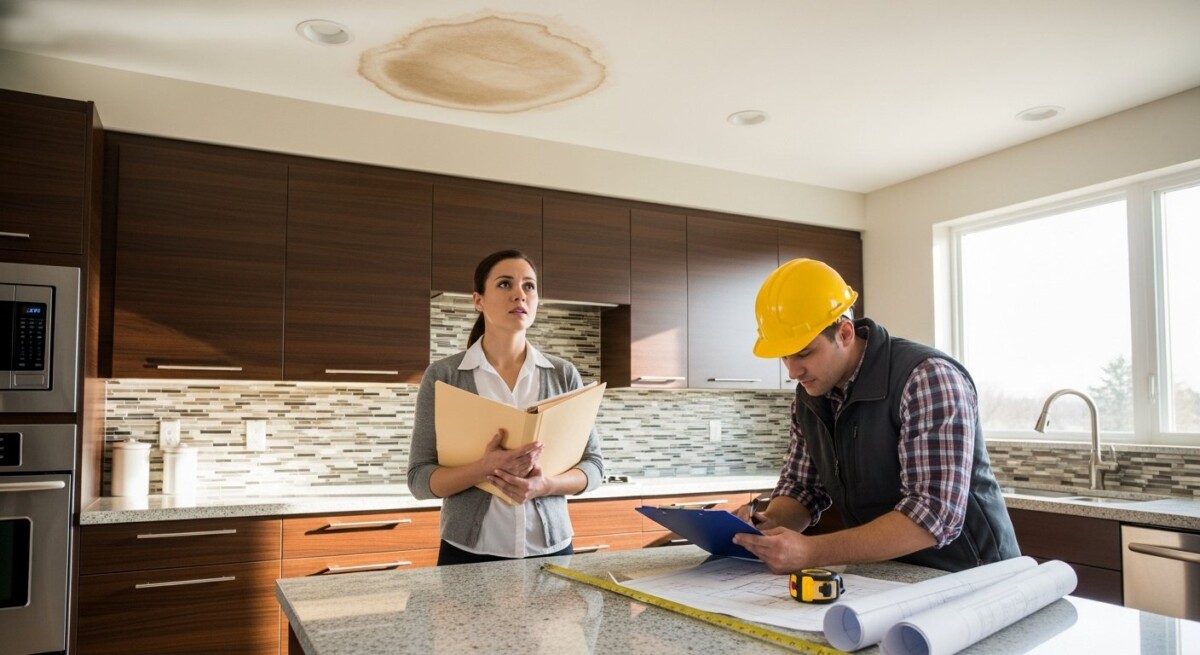
Once the problem is fully understood, the contractor creates a detailed estimate. They list the materials needed, the labor hours required, and any permits or inspections. You receive a clear document that explains the work and the cost. This transparency helps you make an informed decision.
- Initial consultation and on-site inspection
- Diagnosis of the issue and discussion of options
- Creation of a detailed written estimate with cost breakdown
- Review of the estimate with you and answering all questions
- Scheduling the work and obtaining necessary permits
- Completing the repair or installation with quality materials
- Final walkthrough and cleanup
Professional work is generally safer and more reliable than DIY fixes. Contractors carry insurance, follow building codes, and have years of hands-on experience. They also have access to commercial-grade tools and materials that produce longer-lasting results. Trying to save money by doing it yourself can lead to mistakes that cost more to fix later.
A professional inspection can reveal hidden issues before they become expensive repairs. Compare contractor quotes here or call to discuss your project.
Warning Signs You Should Not Ignore
Some home problems announce themselves loudly. Others are subtle and easy to overlook. Paying attention to early warning signs can save you thousands of dollars and a lot of stress. Your home is constantly sending signals,you just need to know what to look for.
If you notice any of the following signs, it is wise to schedule a contractor estimate as soon as possible. Early intervention often means a simpler, cheaper repair. Waiting too long can turn a minor fix into a major renovation.
- Water pooling near the foundation after rain
- Peeling paint or wallpaper that is not from humidity
- Gaps around windows or doors that let in air
- Strange sounds from pipes, like banging or whistling
- Visible sagging in the roofline or ceiling
- A sudden spike in your utility bills
What Affects the Cost of Repairs or Installation
Several factors influence the final price of any home project. The size of the repair is the most obvious factor. A small patch of drywall costs far less than replacing an entire exterior wall. Similarly, a single fixture replacement is cheaper than a full bathroom remodel.
Materials play a big role in pricing. Premium options like hardwood flooring or quartz countertops cost more than budget-friendly alternatives. Labor rates vary by region and by the complexity of the job. A job that requires specialized skills,like structural repairs or custom cabinetry,will have higher labor costs.
Accessibility matters too. A roof repair on a steep slope costs more than one on a flat roof. A pipe hidden behind a tile shower wall takes more time to access than one in an unfinished basement. The age of your home can also affect cost, as older homes often have non-standard materials or outdated systems that require extra care.
Costs can vary depending on the condition of your home. The best way to know the price is to get a personalized estimate. Request free quotes from contractors or call today.
How to Choose the Right Contractor
Selecting a contractor is one of the most important decisions you will make for your home. A trustworthy contractor delivers quality work on time and within budget. A bad choice can lead to shoddy work, delays, and even legal trouble. Take your time and do your research.
Start by asking for recommendations from friends, family, or neighbors who have had similar work done. Online reviews and ratings on trusted platforms can also give you insight into a contractor’s reputation. Always verify that the contractor is licensed and insured in your state.
- Check for a valid state license and proof of insurance
- Read recent customer reviews on multiple platforms
- Ask for a detailed written estimate that includes all costs
- Get at least three quotes to compare pricing and approach
- Confirm the contractor has experience with your specific type of project
Long-Term Benefits of Professional Work
Hiring a professional contractor is an investment in your home’s future. Quality work lasts longer and performs better than quick fixes or amateur attempts. A properly installed roof, for example, can last 20 to 30 years with minimal maintenance. A DIY patch might fail in just a few seasons.
Professional work also improves energy efficiency. Sealing gaps, upgrading insulation, or installing new windows reduces your heating and cooling costs. Over time, these savings can offset the initial cost of the repair. Your home becomes more comfortable and more affordable to run.
Finally, professional work adds real value to your property. When it comes time to sell, buyers look for homes that have been well-maintained and updated. A documented history of professional repairs and renovations gives you leverage in negotiations and helps you command a higher price. It also gives you peace of mind knowing your home is safe and sound.
What is included in a contractor estimate?
A contractor estimate typically includes the cost of materials, labor, permits, and any fees for disposal or cleanup. It also outlines the scope of work, the timeline, and payment terms. A good estimate is detailed and leaves no room for confusion.
How much does a contractor estimate cost?
Most contractors offer free estimates for standard projects. Some may charge a small fee that is later applied to the total cost if you hire them. Always ask about estimate fees upfront so there are no surprises.
Is a contractor estimate binding?
No, an estimate is not a legally binding contract. It is a projection of costs. However, some contractors offer a fixed-price quote that guarantees the price as long as the scope of work does not change. Always clarify whether the estimate is binding or subject to change.
How long is a contractor estimate valid?
Estimates are typically valid for 30 to 90 days, depending on the contractor and the volatility of material prices. After that period, the contractor may need to re-evaluate and adjust the price. Ask about the validity period when you receive your estimate.
Can I negotiate a contractor estimate?
Yes, you can discuss the estimate with the contractor. If the price seems high, ask about alternative materials or a different approach. Some contractors are willing to adjust the scope to fit your budget. Just be realistic about what the work requires.
What is the difference between an estimate and a quote?
An estimate is an approximate cost, while a quote is a fixed price for a specific scope of work. Quotes are more binding and are often used for projects with clearly defined parameters. Estimates are more common for initial planning and exploration.
Should I get multiple contractor estimates?
Yes, getting multiple estimates is highly recommended. It helps you understand the fair market price for your project and gives you leverage in negotiations. It also allows you to compare the approach and professionalism of different contractors.
What if the final cost is higher than the estimate?
If the final cost exceeds the estimate, the contractor should explain why. Common reasons include uncovering hidden damage or needing additional materials. A reputable contractor will discuss any changes with you before proceeding. Make sure your agreement includes a process for handling cost overruns.
Understanding what a contractor estimate is empowers you to take control of your home repairs and renovations. It turns a stressful situation into a manageable one. By getting multiple estimates and choosing a qualified professional, you protect your home, your budget, and your peace of mind. Do not wait until a small problem becomes a big one. Start comparing contractor quotes today and take the first step toward a safer, more comfortable home.