Documents Needed for Contractor Estimate: A Homeowner Checklist

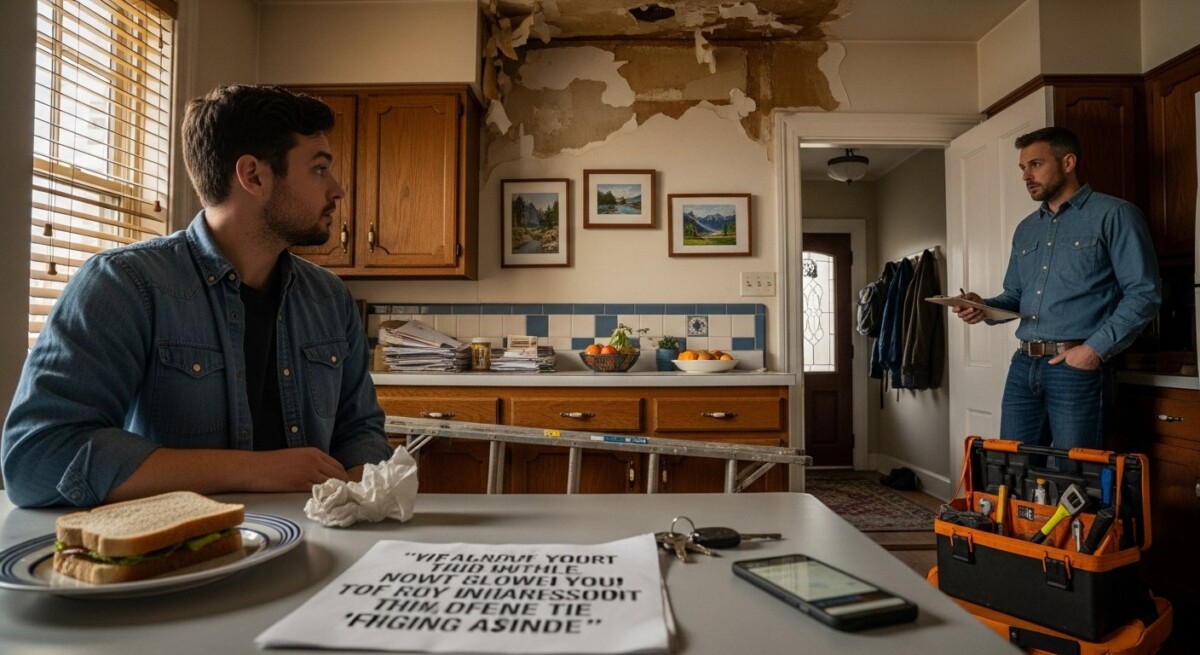
You walk into your kitchen one morning and notice a water stain spreading across the ceiling. Your first thought is a quick fix,maybe a patch and some paint. But when you call a contractor for an estimate, they ask for paperwork you don’t have ready. Suddenly, what seemed like a small leak turns into a delay-filled hassle. Understanding the documents needed for contractor estimate can save you time, stress, and money. Many homeowners discover they need property surveys, prior repair records, or proof of ownership only when they’re already in a rush to get repairs started. Ignoring this prep work can lead to missed appointments, inaccurate quotes, or even project delays that allow damage to spread.
Understanding Documents Needed for Contractor Estimate
A contractor estimate is more than a price guess,it’s a detailed breakdown of labor, materials, and timeline. To create an accurate quote, contractors need specific information about your home and the project scope. The documents needed for contractor estimate typically include property deeds, floor plans, permits from previous work, and sometimes HOA guidelines.
Why do contractors need all this? Because every home is different. The age of your house, the type of foundation, and even local building codes affect pricing. Homes built before 1980, for example, may have outdated wiring or plumbing that requires special handling. Without the right documents, a contractor might underestimate the work, leaving you with surprise costs later.
Why This Matters for Your Home
Having your documents ready isn’t just about being organized,it protects your home and your wallet. When a contractor has a complete picture of your property, they can identify hidden risks like asbestos, structural weaknesses, or code violations. This upfront clarity prevents costly change orders mid-project.
Delaying repairs while you scramble for paperwork can also make problems worse. A small roof leak can rot wooden beams within weeks. Cracked foundation walls can widen during seasonal shifts. The longer you wait, the more complex,and expensive,the fix becomes. Professional contractors use your documents to plan efficiently, reducing both your stress and your total cost.
If you notice signs of this issue in your home, it may help to speak with a qualified contractor. Request a free quote or call to explore your repair or remodeling options.
Common Problems Homeowners Experience
Many homeowners don’t realize they’re missing key documents until the contractor arrives. This often leads to rescheduled appointments or incomplete estimates. For example, a homeowner planning a basement remodel might forget to provide a survey showing property lines, which is critical for egress window placement.
Other common issues include outdated floor plans that don’t match the current layout, missing permits from previous renovations, and unclear HOA restrictions that limit material choices. These gaps force contractors to make assumptions, which can result in quotes that are too low or too high.
- Missing property surveys that affect foundation or drainage work
- Old floor plans that don’t reflect previous additions or remodels
- No records of prior permits for electrical, plumbing, or structural changes
- Unclear property lines for outdoor projects like fences or decks
- Incomplete insurance or warranty documentation for existing materials
- Lack of HOA approval letters for exterior modifications
How Professionals Solve the Problem
Experienced contractors follow a structured process to turn your documents into a reliable estimate. They start by reviewing your paperwork to understand the scope, then conduct a site visit to verify conditions. This two-step approach catches discrepancies early,like a floor plan that shows a wall you already removed.
Here’s a typical process professionals use:
- Document review: Contractor examines your deed, permits, and survey to identify constraints.
- On-site inspection: They measure spaces, check for hidden damage, and test systems like HVAC or plumbing.
- Material and labor calculation: Based on your documents and site findings, they estimate quantities and crew hours.
- Permit planning: They identify which local permits are needed and include those fees in the quote.
- Detailed estimate delivery: You receive a line-item breakdown with timeline and payment schedule.
This professional approach is far more reliable than DIY estimates, which often miss critical factors like load-bearing walls or underground utilities. A contractor’s expertise turns your stack of documents into a realistic, actionable plan.
A professional inspection can reveal hidden issues before they become expensive repairs. Compare contractor quotes here or call to discuss your project.
Warning Signs You Should Not Ignore
Your home often shows early warning signs before a major problem develops. Paying attention to these clues can help you gather the right documents before calling a contractor. For instance, a sagging ceiling might indicate a roof leak that requires your home’s original building plans to assess structural support.
Ignoring these signs while you search for papers can turn a minor issue into a major renovation. Moisture stains, unusual smells, or sticking doors often point to underlying problems that need immediate attention. The sooner you act, the fewer documents you may need,because the damage hasn’t spread yet.
- Water stains on ceilings or walls near plumbing fixtures
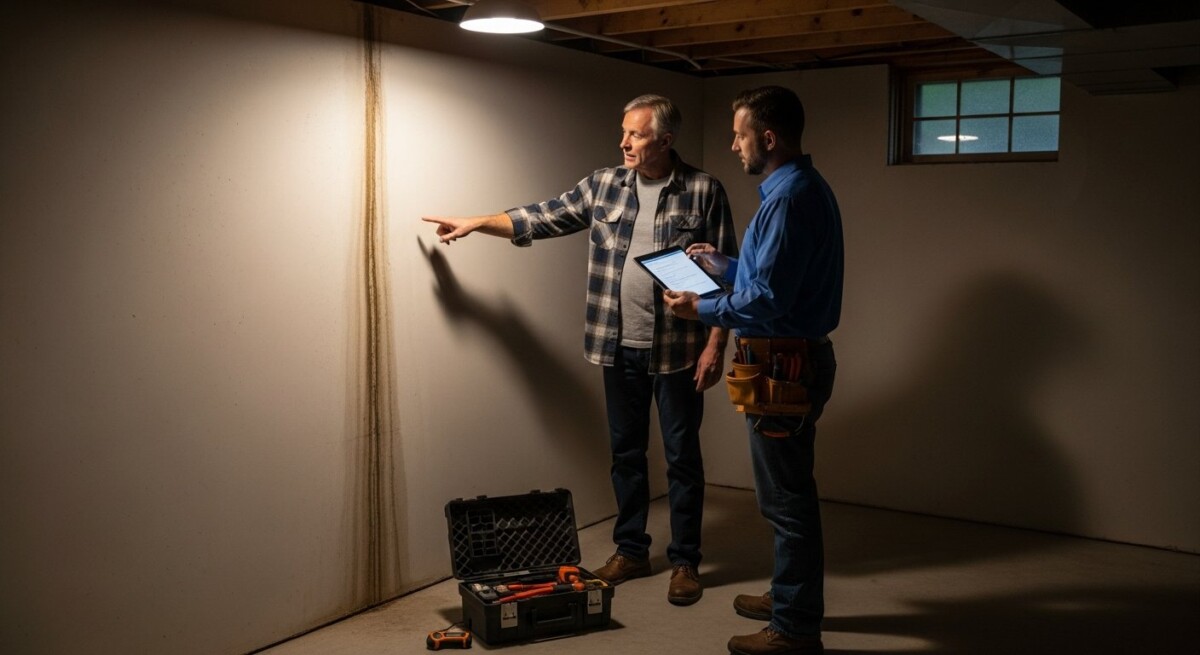
- Cracks in foundation walls that widen over time
- Doors or windows that stick, indicating shifting frames
- Musty odors in basements or crawl spaces
- Sudden spikes in energy bills from poor insulation or leaks
- Visible mold or mildew growth in damp areas
What Affects the Cost of Repairs or Installation
Several factors influence the final price of your project, and having the right documents helps contractors give you a more accurate number. The size of the repair is an obvious factor,a small patch job costs far less than a full room remodel. But materials also play a big role. Custom tiles, specialty windows, or eco-friendly insulation can double your material costs.
Labor requirements vary by complexity. A simple flooring install might take two days, while a kitchen renovation involving structural changes could take weeks. Accessibility matters too,if your home has a narrow attic or a tight crawl space, contractors need more time and equipment. Older homes often require additional permits and code upgrades, which add to the total.
Costs can vary depending on the condition of your home. The best way to know the price is to get a personalized estimate. Request free quotes from contractors or call today.
How to Choose the Right Contractor
Selecting a contractor is one of the most important decisions you’ll make for your home. Start by checking licenses and insurance,this protects you if something goes wrong during the project. Look for contractors who specialize in your type of work, whether that’s roofing, plumbing, or basement finishing.
Reading customer reviews on trusted platforms gives you insight into reliability and communication. Ask for detailed estimates that break down labor, materials, and permit fees. Comparing multiple quotes helps you spot unusually low bids that might cut corners.
- Verify state-required licenses and general liability insurance
- Read recent reviews on Google, Yelp, or the Better Business Bureau
- Ask for a written estimate with line-item costs and a timeline
- Compare at least three quotes to understand market pricing
- Confirm the contractor has completed similar projects recently
Long-Term Benefits of Professional Work
Investing in professional repairs or installations pays off over years, not just months. A properly installed roof or foundation lasts decades, protecting your home from weather and pests. Professional work also improves energy efficiency, lowering your monthly utility bills.
Your home’s value increases with quality renovations. Future buyers appreciate documented, code-compliant work that won’t require immediate fixes. And because professionals use durable materials and techniques, you’ll spend less on maintenance down the road. In our guide on contractor estimates for homeowners, we explain how professional work reduces long-term costs.
What documents do I need for a contractor estimate?
You typically need your property deed, recent property survey, floor plans (if available), prior permit records, HOA guidelines, and any insurance or warranty documents for existing materials. For major renovations, a title report may also be required.
Can I get an estimate without providing documents?
Yes, but the estimate will be less accurate. Contractors may need to add a contingency buffer to cover unknowns, which can increase your quoted price. Providing documents helps you get a more precise, often lower, estimate.
How do I find old permits for my home?
Check with your local building department or city clerk’s office. Many municipalities have online portals where you can search by address. Your contractor may also pull permits on your behalf as part of the estimate process.
Do I need a survey for a fence estimate?
Yes, especially if your property lines are unclear. A survey prevents you from building on a neighbor’s land, which could lead to legal disputes and forced removal. Your contractor can recommend a surveyor if you don’t have one.
What if I don’t have floor plans for my home?
Your contractor can measure your home during the site visit and create a basic layout. However, having original plans helps identify load-bearing walls and existing utility lines, which improves estimate accuracy.
How long does it take to get a contractor estimate?
With all documents ready, most contractors provide estimates within 3 to 7 business days. Without documents, the process may take longer because the contractor needs additional site time to gather information.
Will a contractor charge me for an estimate?
Many contractors offer free estimates for standard projects. Complex jobs like structural repairs or custom builds may involve a small fee, which is often credited toward your project if you hire them.
Can I use the same documents for multiple contractor quotes?
Yes. In fact, providing the same set of documents to each contractor ensures you’re comparing apples to apples. For more tips, read our guide on contractor estimates for homeowners.
Getting your documents organized is the first step toward a smooth, cost-effective home repair or remodel. The sooner you gather your property deed, permits, and survey, the faster you can receive accurate quotes and schedule work. Waiting only gives small problems time to grow into expensive disasters. Compare contractor quotes today to see how professional work can protect your home and your budget. For homeowners in the Chicago area, our contractor estimates Chicago Illinois page provides localized pricing insights.