
Property Restoration: Steps to Recover Your Home
Learn the essential steps of property restoration, from emergency mitigation to working with insurance, and find trusted contractors.
By Chelsea Kris
Learn more about Water Damage Cleanup and Restoration for guides, costs, and what to expect.
Compare Water Damage Cleanup and Restoration Pros Near You

Enter your ZIP code to compare top-rated local professionals and request free quotes.
When disaster strikes, whether it is a burst pipe, a kitchen fire, or a severe storm, the path back to normal can feel overwhelming. Your home, once a source of comfort, is now a source of stress. The chaos of damaged belongings, structural issues, and insurance paperwork can paralyze even the most organized homeowner. Yet, recovery is possible with a clear plan. Property restoration is not just about repairing walls and replacing floors; it is a systematic process that returns your home to a safe, livable condition while protecting your financial investment. This guide walks you through the essential steps, from the initial emergency response to the final walkthrough, so you can navigate the restoration journey with confidence and minimize the disruption to your life.
Understanding the restoration process before you need it can save you time, money, and a great deal of anxiety. Many homeowners make costly mistakes in the first 48 hours after damage occurs, such as throwing away salvageable items or hiring an unlicensed contractor. By learning the correct procedures and knowing what to expect from a professional restoration company, you position yourself to make informed decisions. This article provides that roadmap, helping you turn a chaotic experience into a manageable project with a successful outcome.
What Is Property Restoration and When Do You Need It?
Property restoration encompasses a range of services designed to repair and restore a home after damage from water, fire, mold, storms, or other catastrophic events. It goes beyond simple repairs; it involves cleaning, sanitizing, deodorizing, and rebuilding to bring the property back to its pre-loss condition. Restoration is distinct from remodeling because its primary goal is to undo damage, not to upgrade or change the layout. However, many homeowners choose to incorporate upgrades during the restoration process, which can be a smart way to improve your home while insurance funds are available.
You may need property restoration services after several types of incidents. Water damage is the most common, often resulting from burst pipes, overflowing appliances, or heavy rainfall. Fire and smoke damage can be devastating, leaving behind structural charring, soot, and pervasive odors. Mold growth, which frequently follows water damage, requires specialized remediation to ensure a healthy living environment. Storm damage from hurricanes, tornadoes, or hail can compromise roofs, windows, and siding. Each situation demands a tailored approach and often requires the expertise of certified professionals.
The Immediate Aftermath: First Steps to Protect Your Home
The moments immediately following a damaging event are critical. Your actions can significantly influence the outcome of the restoration process and your ability to recover financially. The first priority is always safety. If there is any risk of structural collapse, electrical hazards, or gas leaks, evacuate the property and contact emergency services. Do not re-enter until authorities declare it safe. Once you are safe, you need to secure the property to prevent further damage and begin the documentation process for your insurance claim.
After ensuring safety, take these immediate actions:
- Stop the source: If possible, shut off the main water valve or electricity to halt ongoing damage.
- Document everything: Use your smartphone to take photos and videos of all damage, including close-ups of belongings and wide shots of rooms. This evidence is crucial for your insurance claim.
- Protect salvageable items: Move undamaged furniture, electronics, and personal belongings to a dry, safe area. Do not move items that are heavily damaged or could pose a safety risk.
- Contact your insurance company: Report the claim as soon as possible. Your insurer will assign a claims adjuster to assess the damage and guide you on coverage.
- Call a professional restoration company: A reputable company can provide emergency mitigation services, such as water extraction and board-up, to prevent secondary damage like mold growth.
Taking these steps quickly not only protects your property but also demonstrates to your insurance company that you acted responsibly to mitigate further loss. This proactive approach can streamline the claims process and help maximize your recovery. Remember, time is of the essence; water damage, for instance, can lead to significant structural issues and mold within just 24 to 48 hours.
How to Choose the Right Restoration Contractor
Selecting a restoration contractor is one of the most consequential decisions you will make during the recovery process. The right professional can make the experience smooth and efficient, while the wrong one can lead to delays, subpar work, and financial disputes. Your goal is to find a contractor who is licensed, insured, and experienced in handling your specific type of damage. Do not simply choose the first name from an online search or a flyer left on your door. Instead, take the time to vet candidates thoroughly.
Start by asking for recommendations from your insurance company, friends, family, or neighbors who have gone through a similar experience. Additionally, use reputable online directories like Homes.Contractors to find pre-vetted professionals in your area. When you have a list of potential contractors, conduct interviews and ask the following questions:
- Are you licensed and insured in my state?
- Do you have experience with this type of damage (water, fire, mold)?
- Can you provide references from recent, similar projects?
- Will you work directly with my insurance company?
- Do you provide a detailed written estimate before starting work?
- What is your timeline for completion, and how do you handle unexpected issues?
Once you have gathered this information, compare the responses and trust your instincts. A professional contractor should be transparent, communicative, and willing to answer all your questions. They should also provide a clear, written contract that outlines the scope of work, materials, timeline, and payment terms. Avoid contractors who demand large upfront payments or pressure you to sign quickly. A reliable professional will work with you and your insurance company to ensure a fair and complete restoration.
Understanding the Restoration Process: A Step-by-Step Overview
The property restoration process is a multi-stage endeavor that requires careful coordination between you, your insurance company, and the restoration team. While the specific steps vary depending on the type and extent of damage, there is a general framework that most projects follow. Understanding this framework helps you know what to expect and allows you to track progress effectively. A typical restoration project moves through assessment, mitigation, cleaning, repairs, and finally, the finishing touches.
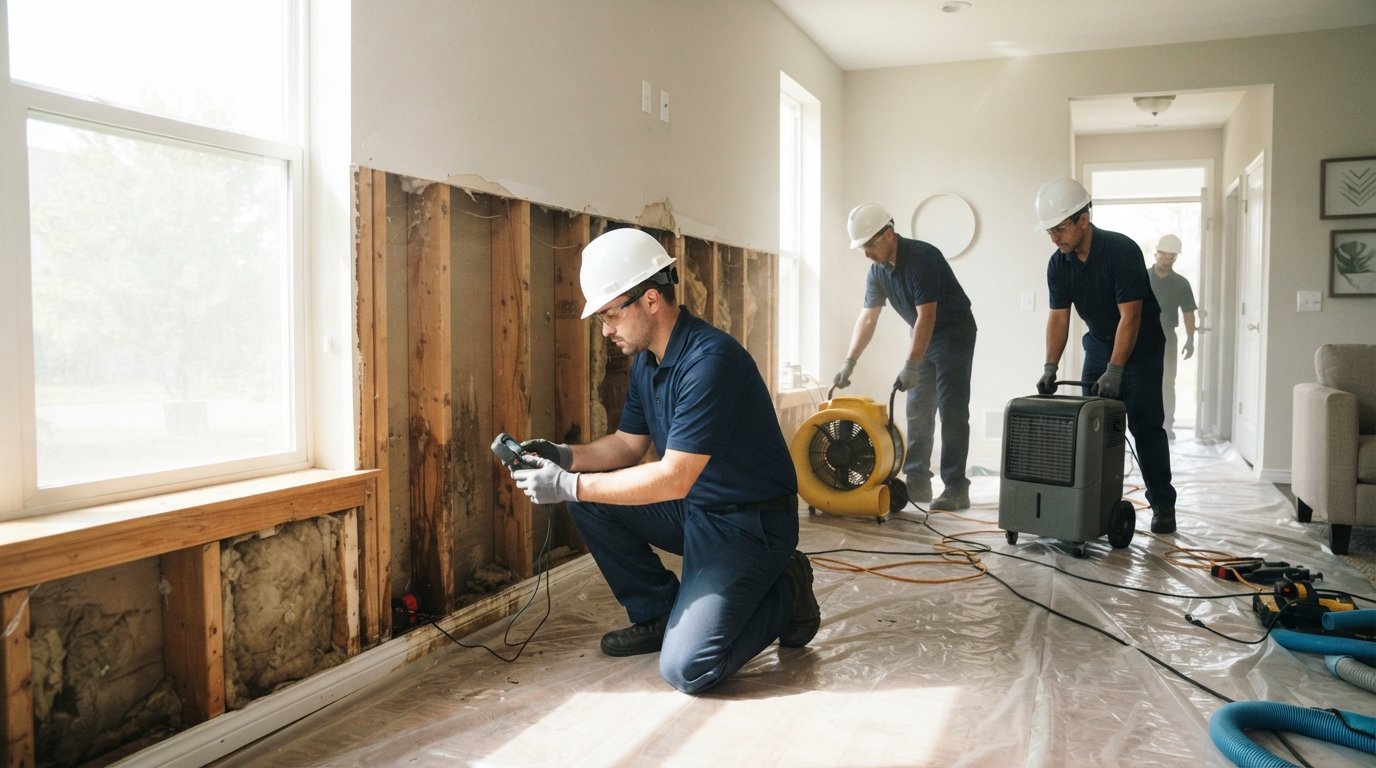
- Assessment and Inspection: The restoration team conducts a thorough inspection to determine the extent of the damage. They use moisture meters, thermal imaging, and other tools to identify hidden issues. This assessment forms the basis for the restoration plan and the estimate.
- Emergency Mitigation: If needed, the team performs immediate actions to prevent further damage, such as water extraction, roof tarping, or boarding up broken windows. This is a critical step to stop the damage from worsening.
- Cleaning and Sanitizing: All affected areas and salvageable belongings are cleaned and sanitized. This may involve specialized equipment like air scrubbers and ozone machines to remove odors and contaminants.
- Repairs and Rebuilding: Structural repairs are made, which can range from minor drywall patches to major reconstruction of rooms or entire sections of the home. This phase brings the property back to a safe and functional state.
- Final Walkthrough and Completion: You walk through the finished work with the contractor to ensure everything meets your expectations and is completed to code. The contractor then provides final documentation for your insurance claim.
Each of these phases requires skilled labor and attention to detail. Your contractor should keep you informed throughout the process, providing regular updates and explaining any changes to the plan. A successful restoration is not just about fixing what was broken; it is about making your home feel like home again. The best contractors take pride in delivering quality workmanship and a seamless customer experience.
Working with Insurance: Maximizing Your Claim
Navigating the insurance claims process can be the most challenging part of property restoration. Insurance policies are complex, and adjusters are busy professionals who handle many claims simultaneously. To maximize your recovery, you need to be organized, proactive, and informed. Your restoration contractor can be a valuable ally in this process, as many companies have experience working with insurers and can provide detailed documentation and estimates that support your claim.
Begin by reviewing your homeowner's insurance policy to understand your coverage limits, deductibles, and exclusions. Common types of coverage include dwelling coverage for the structure, personal property coverage for your belongings, and loss of use coverage for temporary living expenses. When you file your claim, provide a comprehensive inventory of damaged items, including receipts, photos, and serial numbers if available. Your contractor's estimate should itemize all necessary repairs, which you can submit to the adjuster for review.
Here are some key strategies to help you get the most from your insurance settlement:
- Keep detailed records: Maintain a log of all communications with your insurance company and the restoration team.
- Do not rush the settlement: Ensure that the adjuster's estimate covers all necessary repairs before you agree to a final settlement. If there are discrepancies, request a re-inspection or provide additional documentation.
- Understand actual cash value vs. replacement cost: Know whether your policy pays for the actual depreciated value of your damaged property or the full cost to replace it. This distinction can significantly impact your payout.
- Hire an independent adjuster if needed: If you feel your claim is being undervalued, you have the right to hire a public adjuster who works on your behalf to negotiate a fair settlement.
Remember, you are your best advocate. By staying involved and informed, you can ensure that your claim accurately reflects the true extent of the damage and the cost of restoration. A professional restoration company can support you by providing clear, detailed scopes of work and communicating directly with the insurance adjuster to resolve any disputes.
Common Restoration Scenarios and Their Unique Challenges
Different types of damage present unique challenges and require specialized restoration techniques. Understanding these nuances can help you prepare and ensure you hire a contractor with the right expertise. Here we explore the most common scenarios: water damage, fire and smoke damage, and mold remediation.
Water damage is often the most frequent cause of home destruction. It can originate from clean water sources like a broken supply line, gray water from a washing machine overflow, or black water from sewage backups. The latter is highly hazardous and requires immediate professional intervention. Water damage restoration involves rapid water extraction, thorough drying of structures and materials, and antimicrobial treatment to prevent mold. The challenge is that water can seep into hidden areas, such as behind walls and under flooring, leading to long-term issues if not properly dried. Professional moisture detection equipment is essential to ensure complete drying.
Fire and smoke damage is particularly complex because the damage is not just from the flames. Smoke and soot can infiltrate every crevice, leaving behind corrosive residues and pervasive odors. Restoration involves cleaning and deodorizing the entire property, including HVAC systems, which may require specialized equipment like ozone generators and thermal foggers. Structural repairs may be needed for charred beams or drywall. The emotional toll of fire damage is also significant, as many personal belongings are often lost or damaged. A compassionate and thorough restoration team can help salvage as much as possible and make the home livable again.
Mold remediation is a critical process that addresses health hazards and structural damage. Mold can begin to grow within 24 to 48 hours of water exposure, so prompt action is vital. Professional mold remediation involves containing the affected area, filtering the air, removing contaminated materials, and applying antimicrobial treatments. The goal is to eliminate mold colonies and prevent regrowth. It is essential to hire a certified mold remediation specialist who follows industry standards, as improper handling can spread spores and exacerbate the problem.
Preventing Future Damage: Smart Homeowner Strategies
While you cannot always prevent disasters, many common causes of property damage are avoidable with regular maintenance and smart upgrades. Investing in preventative measures can save you from the stress and expense of future restoration projects. After you have restored your home, take the opportunity to make it more resilient against potential threats. This not only protects your property but may also reduce your insurance premiums.
Here are some practical strategies to reduce your risk:
- Regular roof inspections: Have a professional inspect your roof at least once a year and after major storms. Replace missing or damaged shingles promptly to prevent leaks.
- Maintain plumbing: Insulate pipes in unheated areas to prevent freezing. Inspect hoses on washing machines and dishwashers for cracks or bulges, and replace them every five years.
- Install water leak detectors: These smart devices can alert you to leaks early, allowing you to shut off the water and prevent significant damage.
- Clean gutters and downspouts: Clogged gutters can cause water to back up under your roof and damage your foundation. Clean them regularly, especially in the fall.
- Check your sump pump: If you have a basement, ensure your sump pump is in good working order and has a backup battery in case of power outages.
- Address mold-prone areas: Fix any leaks immediately, ensure proper ventilation in bathrooms and kitchens, and use dehumidifiers in damp areas.
Taking these proactive steps can significantly reduce the likelihood of a major restoration event. However, even with the best prevention, accidents happen. When they do, knowing how to respond and having a trusted restoration professional on call can make all the difference. Consider establishing a relationship with a local restoration company before you need them, so you know who to call in an emergency.
The Cost of Property Restoration and How to Budget
The cost of property restoration varies widely depending on the extent of the damage, the type of materials involved, and your location. Minor repairs might cost a few hundred dollars, while a full-scale restoration of a home after a major fire or flood can run into the tens of thousands. Understanding the factors that influence cost can help you budget and avoid financial surprises. Your insurance policy will cover some or all of the costs, depending on your coverage and the cause of the damage.
Restoration costs generally fall into several categories: emergency mitigation (water extraction, board-up), cleaning and sanitation, structural repairs, and rebuilding. The cost of materials, such as drywall, flooring, and cabinetry, can vary significantly based on quality and brand. Labor costs are influenced by the complexity of the work and local wage rates. For example, a simple water damage cleanup in a basement might cost $2,000 to $5,000, while a whole-house fire restoration could exceed $50,000.
To budget effectively, start by getting a detailed written estimate from your restoration contractor. This estimate should break down the costs for labor, materials, and any subcontracted work. If you are working with insurance, your adjuster will provide a separate estimate. Be sure to compare the two and discuss any discrepancies with both parties. It is also wise to set aside an emergency fund for home repairs, as insurance deductibles and uncovered expenses can add up. Some restoration companies offer financing options, which can be helpful if you face a large out-of-pocket cost.
Remember that the cheapest estimate is not always the best. Quality workmanship and proper materials are essential for a durable restoration. Investing in a reputable contractor can prevent future problems and ensure your home is truly restored to a safe and comfortable condition.
Why Choose Homes.Contractors for Your Restoration Needs
Finding a trustworthy restoration contractor is critical, and Homes.Contractors is designed to make that process easier. As a comprehensive online directory, we connect homeowners across the United States with pre-vetted, qualified contractors for a wide range of home improvement and repair services, including property restoration. Our platform simplifies the search by allowing you to submit a project request and receive multiple, free, no-obligation quotes from local professionals. This empowers you to compare pricing and services, ensuring you find the right fit for your specific needs.
We understand that home emergencies are stressful and time-sensitive. That is why our service is designed to be quick and efficient. You can quickly get matched with restoration experts in your area, saving you hours of research and phone calls. Our platform also provides valuable resources, including educational articles and an FAQ hub, to help you make informed decisions. We do not directly book or fulfill services, but we act as a trusted referral platform, connecting you with professionals who are ready to help.
In addition to restoration, Homes.Contractors covers a broad spectrum of services, from roofing and plumbing to full home remodeling. Our ratings-by-state feature allows you to see how contractors are rated by other homeowners in your geographic area, adding an extra layer of confidence to your selection. When you choose a contractor through Homes.Contractors, you are taking a proactive step toward a successful restoration project. We are committed to helping you find the right pro to get the job done right.
Final Thoughts: Rebuilding Your Home and Peace of Mind
Property restoration is more than a series of repairs; it is a journey back to normalcy. The process can be daunting, but with the right knowledge and a trusted professional by your side, you can navigate it successfully. By acting quickly after damage, choosing a qualified contractor, and understanding your insurance coverage, you set the stage for a smooth recovery. Remember that you do not have to face this challenge alone. Professional restoration companies and platforms like Homes.Contractors are there to provide the expertise and support you need.
As you move forward, take the lessons learned from the experience to make your home more resilient and better prepared for the future. Regular maintenance and preventative measures can reduce the risk of future damage, giving you peace of mind. Ultimately, the goal is not just to restore your property, but to restore your sense of security and comfort in your home. With careful planning and the right team, you can achieve that goal and emerge from the experience stronger and more prepared.
Learn more about Water Damage Cleanup and Restoration for guides, costs, and what to expect.
Compare Water Damage Cleanup and Restoration Pros Near You
Enter your ZIP code to compare top-rated local professionals and request free quotes.