
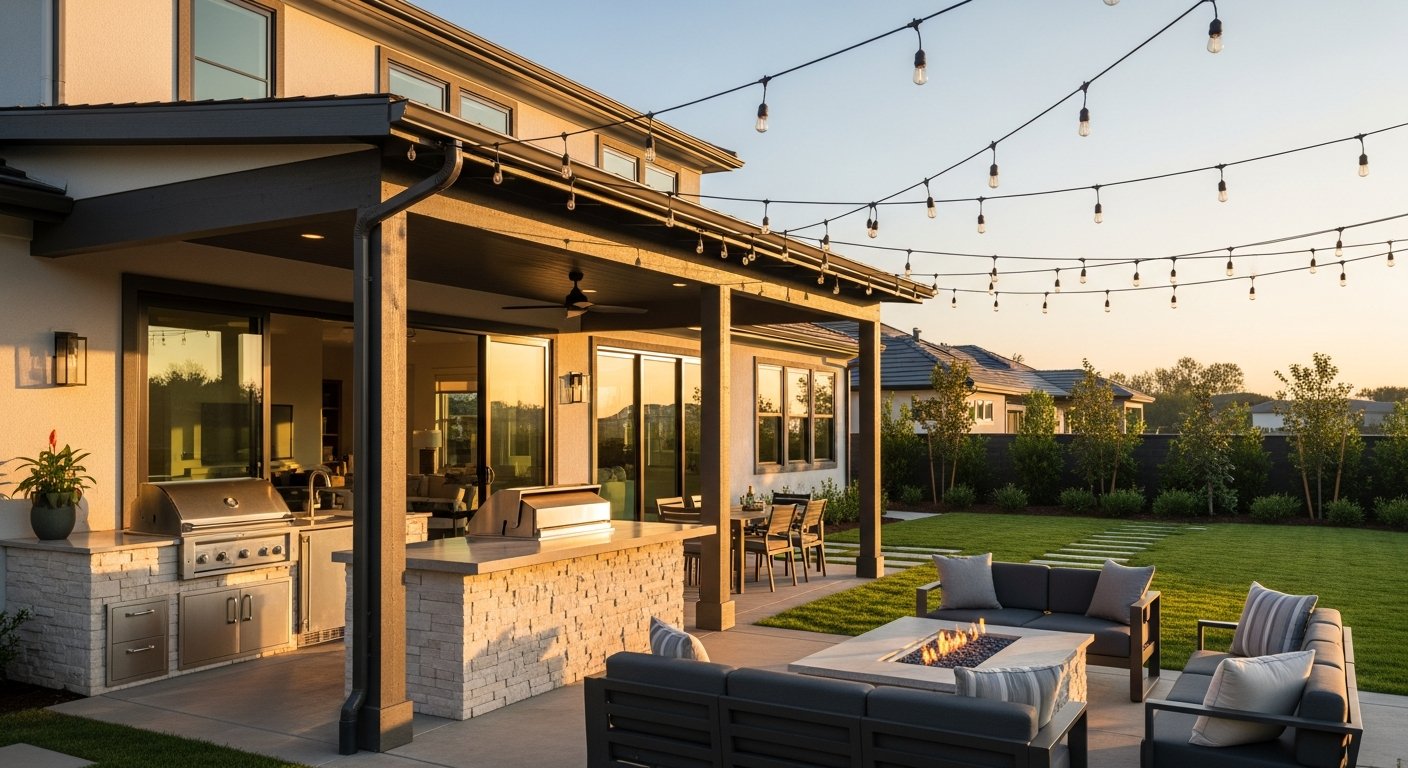
Outdoor Living Spaces: Design, Budget, and Build
Transform your backyard with a functional outdoor living space. Learn how to budget, design, and hire the right contractor for your project.
By Alexia Mabel
Learn more about Deck or Porch Remodel or Addition for guides, costs, and what to expect.
Compare Deck or Porch Remodel or Addition Pros Near You

Enter your ZIP code to compare top-rated local professionals and request free quotes.
Imagine stepping out your back door into a space that feels like a natural extension of your home. A place for morning coffee, weekend gatherings, or quiet evenings under the stars. This is the promise of a well-designed outdoor living area. For many homeowners, the backyard has evolved from a simple patch of grass into a primary living zone. The demand for functional, beautiful, and durable outdoor living spaces has grown significantly, and for good reason. These areas not only enhance your daily lifestyle but also add considerable value to your property. However, transforming an outdoor area requires careful planning, a realistic budget, and the right team of professionals. This guide will walk you through the essential steps, from initial design concepts to selecting a contractor, so you can create an outdoor space that serves you well for years to come.
Whether you envision a fully equipped outdoor kitchen, a cozy fire pit lounge, or a simple covered patio, the process can feel overwhelming. There are countless material choices, design trends, and potential pitfalls. The key to a successful project is preparation. By understanding the scope of work and the costs involved, you can make informed decisions and avoid common mistakes. This article aims to provide you with the knowledge you need to move forward with confidence. We will explore the key planning stages, the financial considerations, and the crucial steps for hiring the best contractor for your specific project. With the right approach, your outdoor living space can become your favorite room in the house.
Defining Your Outdoor Vision and Needs
Before you call a contractor or visit a showroom, take time to define what you want. The most successful outdoor living spaces are those that reflect the homeowner's lifestyle and needs. Start by asking yourself some fundamental questions. How do you plan to use this space? Is it for large family gatherings, intimate dinners, or quiet relaxation? Do you need a space for children to play, or is it primarily for adult entertainment? Answering these questions will guide every subsequent decision, from the layout to the materials you choose.
Consider the flow of your home. An outdoor living space should feel connected to your indoor living areas. Think about the views from inside your house and how you can frame them from outside. If you love to cook, an outdoor kitchen with a built-in grill, refrigerator, and prep area will be a priority. If you live in a climate with cool evenings, a fire pit or an outdoor fireplace will extend the usability of your space. For those who work from home, a quiet, shaded nook might be the perfect addition. The goal is to create a space that is both functional and inviting, a true extension of your home's character.
Key Zones to Consider
When planning your layout, think in terms of distinct zones. Just as you have a living room and a dining room inside, your outdoor space can be divided into functional areas. This approach creates a sense of order and purpose. Here are some common zones to consider for your outdoor living spaces:
- Dining Area: A dedicated space for a table and chairs, ideal for al fresco meals.
- Lounge Area: Comfortable seating, such as sofas and armchairs, arranged for conversation and relaxation.
- Cooking Area: A grill, smoker, or full outdoor kitchen setup with counter space and storage.
- Recreation Zone: Space for activities like a fire pit, a playset, a lawn for games, or even a pool.
- Garden or Green Space: A quiet area with plants, flowers, or a vegetable garden to add life and color.
Once you have a clear idea of the zones you need, you can begin to measure your yard and think about the physical layout. This will help you communicate your vision to a professional and get a more accurate estimate. Remember that the best designs are those that are both beautiful and practical, making the most of the space you have.
Budgeting for Your Outdoor Project
Understanding the financial commitment is a critical part of planning any home improvement project. Outdoor living spaces can range from a few thousand dollars for a simple patio to six figures for a complete outdoor kitchen and living room. The cost is influenced by a variety of factors, including the size of the project, the materials you select, the complexity of the design, and labor costs in your area. It is essential to establish a realistic budget early on and to communicate that budget clearly to potential contractors.
A common mistake is underestimating the cost of the project. Beyond the obvious expenses like pavers and a grill, there are hidden costs to consider. These can include permits, site preparation, electrical or plumbing work, and landscaping. It is wise to include a contingency fund of 10 to 20 percent in your budget to cover any unexpected issues that may arise during construction. By planning for these costs from the start, you can avoid financial stress and ensure your project is completed without compromise.
Cost Factors to Keep in Mind
To help you get a clearer picture, here are some of the primary cost drivers for outdoor living projects. A professional contractor can provide a more detailed breakdown based on your specific plans.
- Materials: The choice between concrete, pavers, natural stone, or wood decking significantly impacts the price. High-end materials like travertine or ipe wood are more expensive but offer durability and a premium look.
- Labor: The complexity of the installation is a major factor. Features like built-in seating, retaining walls, and outdoor kitchens require skilled labor and more time.
- Utilities: Running water, gas, and electricity to your outdoor space can add a significant amount to the total cost. This includes the cost of trenching, wiring, and plumbing.
- Permits: Depending on where you live, you may need a permit for structural work, electrical, or plumbing. Permit fees vary by locality.
- Furniture and Accessories: The cost of outdoor furniture, lighting, and décor is often overlooked but can be a substantial part of the budget.
After you have a rough estimate of the costs, it is time to start thinking about the construction process. This is where the expertise of a qualified contractor becomes invaluable. They can help you refine your design, select appropriate materials, and manage the project from start to finish.
Selecting the Right Contractor for Your Project
Choosing the right contractor is the single most important decision you will make. The quality of the workmanship and the success of your project depend on it. You need a professional who is licensed, insured, and has a proven track record of delivering high-quality outdoor living spaces. Do not rely on a quick online search alone. Take the time to research, ask for recommendations, and interview multiple candidates. A reputable contractor will be happy to provide references and show you examples of their previous work.
When you meet with potential contractors, be prepared with a clear description of your project and your budget. Ask them about their experience with similar projects, their timeline, and how they handle unexpected challenges. A good contractor will listen to your ideas and offer suggestions, not just a sales pitch. They will also provide a detailed, written estimate that outlines all the costs involved. This is where a platform like Homes.Contractors can be an excellent resource. It connects you with pre-vetted professionals in your area, making the process of finding and comparing contractors much simpler and more reliable.
Questions to Ask Before You Hire
To ensure you are making the right choice, ask every potential contractor these key questions. Their answers will give you valuable insight into their professionalism and expertise.
- Are you licensed and insured? Ask for proof of both general liability and workers' compensation insurance.
- Can you provide a detailed, itemized written estimate? This should include all materials, labor, and any other fees.
- What is your timeline for this project? Get a clear start date and an estimated completion date.
- How do you handle change orders or unexpected issues? Understand the process for any adjustments to the plan or budget.
- Can you provide references from recent, similar projects? Follow up with these references to ask about their experience.
After you have interviewed a few candidates and received your estimates, compare them carefully. Do not automatically choose the lowest bid. Consider the contractor's experience, the quality of materials they propose, and their communication style. The right fit is a contractor who understands your vision, communicates clearly, and offers a fair price for the scope of work. Using a directory like Homes.Contractors can help you build a shortlist of qualified candidates efficiently. It allows you to request multiple quotes, giving you the leverage to make a well-informed choice.
Design and Material Selection for Longevity
The materials you choose for your outdoor living space will determine its durability, maintenance requirements, and overall aesthetic. It is important to select materials that are not only beautiful but also suited to your local climate. In areas with harsh winters, you need materials that can withstand freezing and thawing cycles. In hot, sunny climates, you need materials that resist fading and heat absorption. Your contractor can provide valuable advice on what works best in your region.
For flooring, popular options include concrete pavers, natural stone, porcelain tile, and wood decking. Pavers are versatile and easy to repair, while natural stone offers a timeless, organic look. Porcelain tile is durable and comes in a wide range of styles that mimic other materials. Wood decking, especially hardwoods like cedar or ipe, provides a warm, classic feel but requires regular maintenance. For structures like pergolas and covered patios, consider materials like aluminum, vinyl, or pressure-treated wood, each offering different levels of durability and maintenance.
Prioritizing Comfort and Functionality
Beyond the hardscaping, the comfort and functionality of your space are paramount. Consider incorporating features that enhance usability and enjoyment. For example, a covered patio or a pergola can provide much-needed shade and protect you from the elements. Outdoor lighting extends the hours you can use the space and creates a warm, inviting ambiance. Ceiling fans help with air circulation and keep bugs away. An outdoor sound system can set the mood for entertaining.
Another key element is the choice of outdoor furniture. Invest in pieces that are specifically designed for outdoor use, as they are made from weather-resistant materials like teak, aluminum, or all-weather wicker. Cushions should be made from high-performance, UV-resistant fabrics that can withstand sun and rain. Adding elements like outdoor rugs, throw pillows, and potted plants can help soften the space and make it feel as comfortable as your indoor living room. The goal is to create a seamless transition between indoors and out, so you never want to leave.
Navigating the Construction Process
Once you have selected a contractor and finalized your design, the construction phase begins. This can be an exciting time, but it is also when you need to be most involved. A good contractor will keep you informed throughout the process, but you should also be proactive in asking questions and monitoring progress. Before work begins, ensure you have a clear contract that includes the scope of work, the timeline, the payment schedule, and a process for change orders.
Preparation is often the first step. This may involve clearing the site, grading the land, and installing necessary utilities like plumbing and electrical. This stage can be messy and disruptive, so it is important to be prepared. Once the site is ready, the main construction work begins. This could include laying the foundation for a patio, building a deck, or constructing an outdoor kitchen. The timeline for this phase will depend on the complexity of your project and the size of the crew. Regular communication with your contractor is key to ensuring the project stays on schedule and within budget.
Dealing with Potential Issues
Even with the best planning, unexpected issues can arise during construction. This could be anything from discovering underground utilities to encountering poor soil conditions. A professional contractor will handle these situations calmly and professionally. They should communicate the issue to you, explain the options, and provide a clear estimate for any additional costs. Do not be afraid to ask questions and get everything in writing.
As the project nears completion, a final walk-through is essential. This is your opportunity to inspect the workmanship and ensure everything meets your expectations. Create a punch list of any minor items that need to be corrected or completed. Once these are resolved, you will make the final payment and receive any necessary warranties or documentation. With the project complete, you can begin to enjoy your new outdoor living space, knowing it was built with skill and care.
Creating a beautiful and functional outdoor living space is a rewarding investment. It enhances your quality of life and adds value to your home. The journey from a simple idea to a finished project involves careful planning, smart budgeting, and the expertise of a trusted contractor. By taking the time to define your needs, understand the costs, and choose the right professional, you set the stage for a successful outcome. The result will be a space where you can create lasting memories with family and friends for many years.
If you are ready to start your project, the next step is to find the right help. Homes.Contractors is designed to connect you with qualified, pre-vetted contractors in your area. You can request multiple, customized quotes for free, allowing you to compare options and make an informed decision. With the right team on your side, you can transform your backyard into the outdoor oasis you have always wanted.
Learn more about Deck or Porch Remodel or Addition for guides, costs, and what to expect.
Compare Deck or Porch Remodel or Addition Pros Near You
Enter your ZIP code to compare top-rated local professionals and request free quotes.