
Emergency Plumbing Repair Preparation for Homeowners
Emergency plumbing repair preparation for homeowners starts with knowing your shut-off valve. Call (833)-439-3727 for vetted pros who can help.

By Grace Ingram
Learn more about Emergency Plumbing for guides, costs, and what to expect.
Compare Emergency Plumbing Pros Near You

Enter your ZIP code to compare top-rated local professionals and request free quotes.
A burst pipe at 2 a.m. or a sewer backup on a holiday weekend can turn a manageable inconvenience into a costly disaster within minutes. The difference between a minor cleanup and a full-scale restoration often comes down to how prepared you are before the first drop of water hits the floor. Emergency plumbing repair preparation for homeowners is not about becoming a plumber; it is about knowing exactly where to act, what to shut off, and whom to call so you can protect your home and your wallet when every second counts.
This guide walks you through the practical steps that separate a calm, controlled response from a panicked scramble. You will learn where your shut-off valves live, what supplies belong in a plumbing emergency kit, how to document damage for insurance, and when to step back and let a licensed professional take over. The goal is simple: give you a clear plan so that when something goes wrong, you already know what to do.
Know Your Shut-Off Valves Before You Need Them
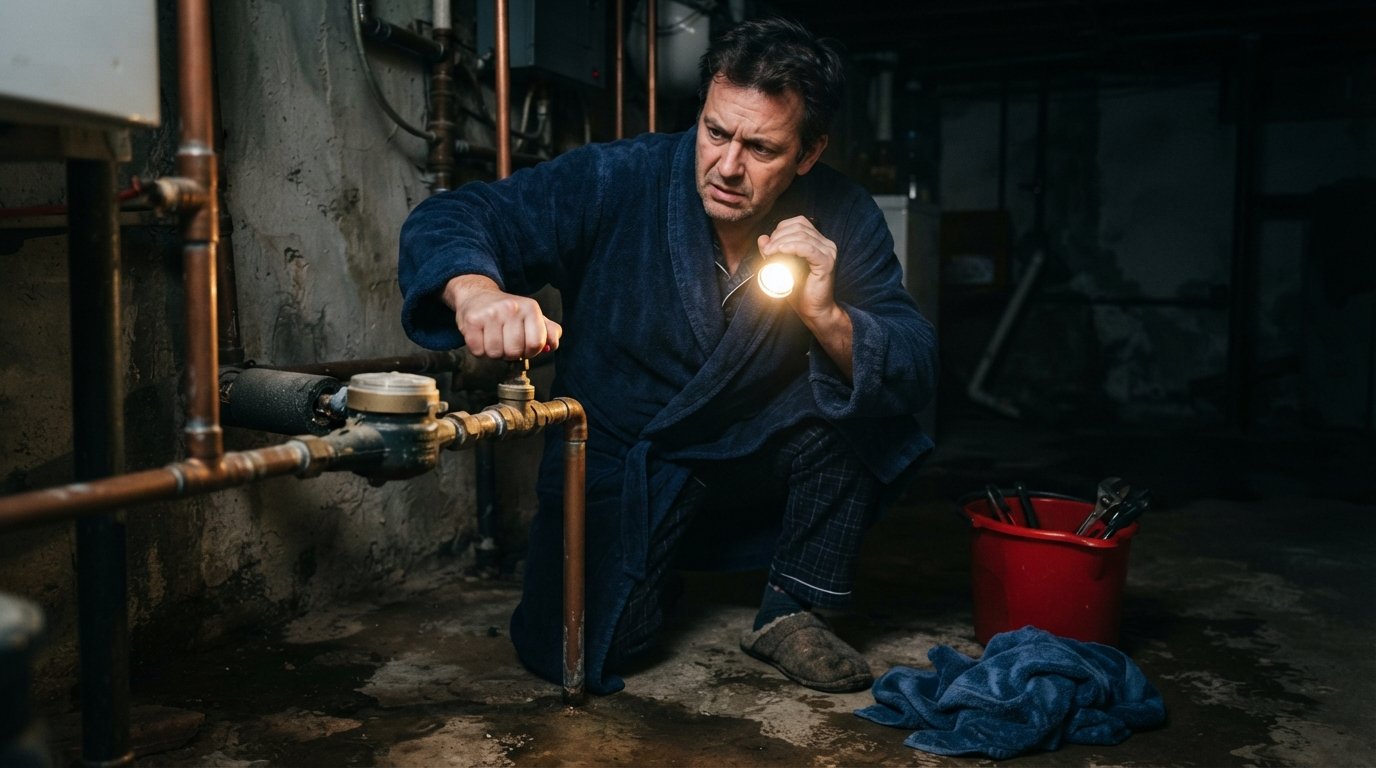
The single most important piece of emergency plumbing knowledge is the location of your main water shut-off valve. In a true emergency, such as a supply line bursting or a fixture that will not stop running, turning off the main valve stops the flow of water to the entire house and limits damage immediately. Most homes have this valve near the water meter, in a basement, in a utility closet, or at the point where the water line enters the home. If you live in a warmer climate, it may be in a garage or an exterior utility box. Find it now, before an emergency, and tag it with a bright label so anyone in the household can locate it in the dark or under stress.
Beyond the main valve, every fixture has its own shut-off valve, and knowing these locations saves time when a problem is isolated. Toilets typically have an oval-shaped valve behind the bowl near the floor. Sinks have angle stops underneath the cabinet. Water heaters have a cold-water inlet valve on top. Washing machines have hot and cold valves behind the unit. If a single fixture fails, closing its local valve lets you keep water running to the rest of the house while you deal with the problem. Test these valves periodically by turning them closed and open again, because a valve that has not moved in years can seize or break when you need it most.
For homes with a main valve that is old, stiff, or buried, consider having a licensed plumber install a modern ball valve or a whole-house emergency shut-off device. Some smart water monitors can detect abnormal flow and shut the supply off automatically, which is a powerful layer of protection for homeowners who travel or have older plumbing. Whatever your setup, make sure every adult in the home knows how to operate the main valve, and keep a sturdy wrench or the manufacturer's tool nearby if your valve requires one. A quick walkthrough with your household, including older children, is one of the highest-value preparedness steps you can take.
Build a Plumbing Emergency Kit That Actually Works
When water is spreading across the floor, you do not want to search through cluttered drawers for a towel and a bucket. A dedicated plumbing emergency kit, stored in a known location and checked once a year, lets you act fast and contain the mess until a professional arrives. The kit does not need to be elaborate, but it should cover the basics of stopping water, protecting surfaces, and cleaning up safely. Think of it as a first-aid kit for your pipes.
Here are the core items to assemble in a waterproof container or bucket:
- Shut-off tools: A adjustable wrench, a valve key if your meter requires one, and a small pair of pliers for fixture valves.
- Containment supplies: Old towels, a heavy-duty bucket, a mop, and plastic sheeting or a tarp to divert water away from walls and flooring.
- Temporary repair materials: Plumber's tape (Teflon tape), a pipe repair clamp, waterproof epoxy putty, and a few hose clamps in common sizes.
- Safety gear: Rubber gloves, safety glasses, and a flashlight with fresh batteries.
- Documentation tools: A waterproof pouch for receipts and a notepad, or simply your phone for photos and videos.
With these supplies on hand, you can shut off the water, contain the spread, and make a temporary fix in situations where a small leak or a loose connection is the culprit. For example, plumber's tape can reseal a threaded fitting, and a pipe repair clamp can stop a pinhole leak on a straight section of pipe long enough for a plumber to arrive. Waterproof epoxy putty can patch small cracks in drain lines or supply pipes as a stopgap. Remember that these are temporary measures only; they buy you time, they do not replace a proper repair.
Also keep a list of emergency contacts in the kit or saved on your phone. Include your preferred licensed plumber, your water utility's emergency line, your insurance agent, and a restoration company in case of significant water damage. If you do not yet have a regular plumber, now is the time to find one. Resources like emergency plumbing contractors available 24 hours can connect you with vetted local professionals who handle after-hours calls, so you are not searching for help while water is rising.
Decide When to Call a Professional vs. Handle It Yourself
Not every plumbing problem requires an emergency call, but some absolutely do. Knowing the difference protects your home from further damage and protects you from injury or costly mistakes. As a general rule, if the problem involves a burst pipe, a sewer backup, no water anywhere in the house, or water you cannot shut off, call a licensed plumber immediately. These situations can escalate quickly and may involve contaminated water or electrical hazards.
On the other hand, some issues are safe to manage temporarily on your own while you wait for a scheduled repair. A slow drip under a sink, a running toilet, or a clogged drain that you can clear with a plunger are examples where a temporary fix and a call during business hours are reasonable. The key is to assess the risk honestly. If water is pooling near electrical outlets, if the water is dark or smells like sewage, or if you cannot find or operate the shut-off valve, stop and call a professional right away.
Use this quick framework to guide your decision:
- Can you stop the water? If yes, do it first. If no, evacuate the area and call a plumber and your water utility.
- Is the water clean or contaminated? Clean water from a supply line is less hazardous than sewage or gray water, which requires professional cleanup.
- Is there an electrical risk? Water near outlets, panels, or appliances is a call-the-pro situation.
- Is the problem isolated or whole-house? A single fixture is often manageable; a whole-house loss of water or pressure needs expert attention.
When you call, be ready to describe the problem clearly, state whether you have shut off the water, and provide your address and contact information. A prepared homeowner gets faster, more effective help because the plumber knows what to expect. If you are unsure who to call, a directory of pre-vetted contractors can help you reach a qualified professional quickly, and you can request multiple quotes for non-emergency follow-up work once the immediate crisis is resolved.
Document the Damage for a Smoother Insurance Claim
Once the water is off and the immediate danger has passed, your next priority is documentation. Insurance claims for water damage go far more smoothly when you have clear evidence of what happened and what was affected. Before you start cleaning up, take photos and videos of the damage from multiple angles. Capture the source of the leak or backup, the spread of water, and any damaged belongings, flooring, walls, or furniture. If you need to move items to prevent further damage, photograph them in place first.
Keep a written log of the event as well. Note the date and time you discovered the problem, when you shut off the water, when you called a plumber, and when the plumber arrived. Save all receipts for emergency repairs, temporary fixes, and any hotel or living expenses if your home becomes uninhabitable. Your insurance adjuster will want a clear timeline and proof of costs. Many policies require you to mitigate damage, meaning you must take reasonable steps to prevent further harm, so document those steps too.
It also helps to review your homeowner's policy before an emergency so you understand what is covered. Standard policies often cover sudden and accidental water damage, such as a burst pipe, but may exclude damage from neglected maintenance or sewer backups unless you have added a rider. Knowing your coverage in advance helps you ask the right questions and avoid surprises. If you are planning broader repairs or upgrades after the emergency, a resource like PlanRemodel offers directories of pre-vetted contractors and educational guides that can help you compare quotes and plan the restoration work with confidence.
Preventive Maintenance That Reduces Emergency Risk
The best emergency plumbing repair preparation for homeowners is prevention. A few simple habits and seasonal checks dramatically reduce the chance that you will ever face a burst pipe or a flooded basement. Start by knowing the age and condition of your plumbing. Homes with older galvanized or polybutylene pipes are at higher risk of failure, and water heaters older than ten years are more likely to leak or fail. If your home falls into these categories, have a licensed plumber inspect the system and advise on upgrades before a problem occurs.
Seasonal maintenance matters, especially in cold climates. Before winter arrives, disconnect garden hoses, shut off and drain exterior faucets, and insulate exposed pipes in basements, crawl spaces, and garages. If you travel during freezing weather, leave your heat on at a minimum of 55 degrees Fahrenheit and consider having someone check the house. In warmer climates, watch for corrosion and root intrusion in sewer lines, and avoid pouring grease or flushing items that can clog drains. A yearly inspection of supply lines, especially those behind washing machines and under sinks, can catch a failing hose before it bursts.
Finally, consider installing leak detectors near water heaters, washing machines, and under sinks. These inexpensive devices sound an alarm or send a phone alert when moisture is detected, giving you precious minutes to shut off the water before damage spreads. Combined with a clear emergency plan, a well-stocked kit, and a trusted plumber on speed dial, these steps turn a potential disaster into a manageable event. Preparation is not glamorous, but it is the most reliable way to protect your home and your budget when plumbing goes wrong.
Take a few minutes this week to locate your main shut-off valve, assemble your emergency kit, and save a plumber's number in your phone. Those small actions now can save you thousands of dollars and a great deal of stress later.
Learn more about Emergency Plumbing for guides, costs, and what to expect.
Compare Emergency Plumbing Pros Near You
Enter your ZIP code to compare top-rated local professionals and request free quotes.