
Spring Home Maintenance Checklist Tasks Homeowners Forget
Spring home maintenance checklist tasks homeowners forget, from flushing the water heater to testing the sump pump. Call (833)-439-3727 for contractor help.

By Maya Griffin
Learn more about Handyman for guides, costs, and what to expect.
Compare Handyman Pros Near You

Enter your ZIP code to compare top-rated local professionals and request free quotes.
Spring arrives with longer days and a mental list of chores, but the tasks that cause the most damage are often the ones nobody talks about. You remember to clean the gutters and maybe swap the furnace filter, but what about flushing the water heater or testing the sump pump before the first heavy rain? These quiet, forgotten tasks are the ones that turn a small oversight into a four-figure repair bill. This guide covers the spring home maintenance checklist items homeowners routinely skip, with practical steps to get them done safely and efficiently. Whether you are a first-time homeowner or a seasoned property manager, these are the jobs that protect your home's value and your budget.
Forgotten Spring Tasks That Prevent Costly Damage
Most spring maintenance lists repeat the same advice: clean gutters, check smoke detectors, and maybe power-wash the siding. Those tasks matter, but they are not where the real risk hides. The forgotten tasks are the ones buried in basements, attics, and utility closets, the systems that work silently until they fail. According to the Insurance Institute for Business and Home Safety, water damage and freezing account for a significant share of homeowner insurance claims, and many of those losses trace back to neglected maintenance rather than sudden disasters. The good news is that most of these forgotten tasks take less than an hour and cost little to nothing.
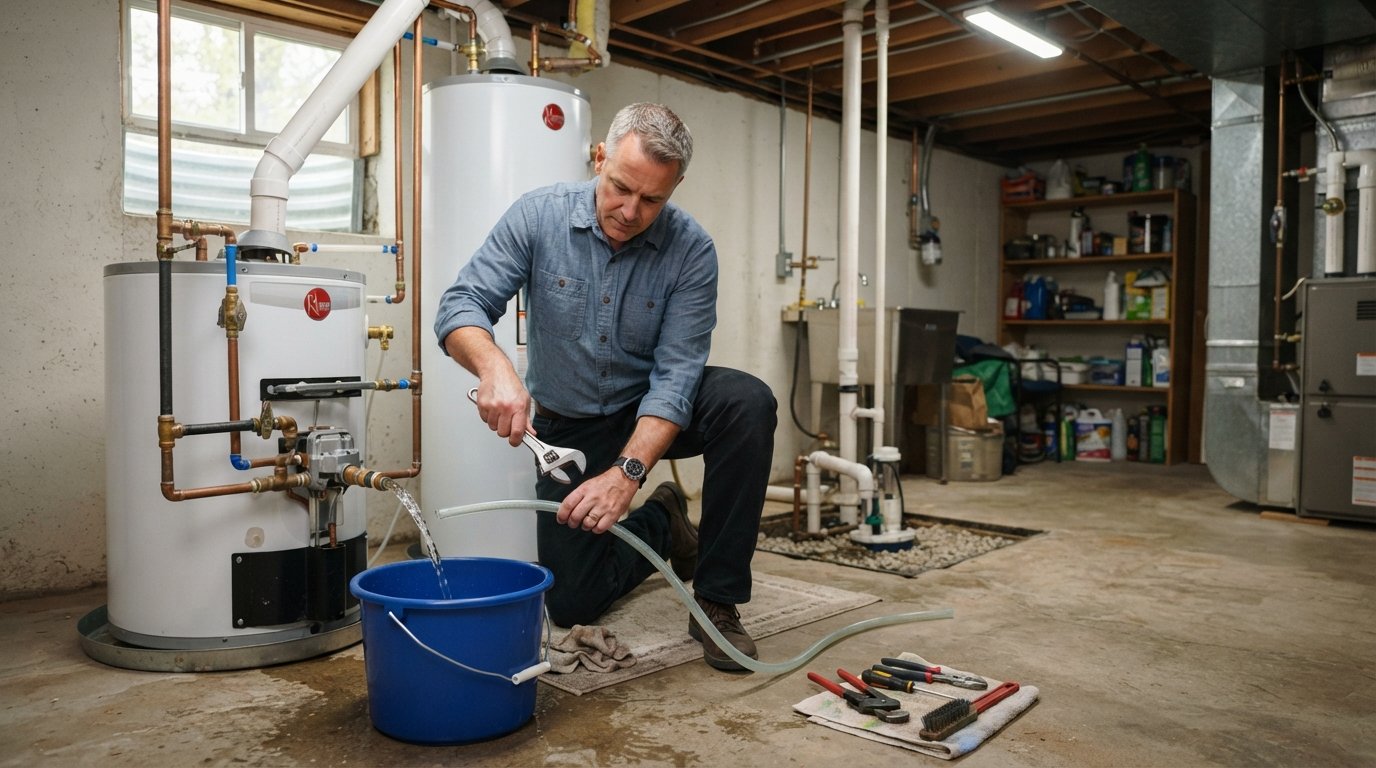
Start with the water heater. Sediment builds up in the tank over time, especially in areas with hard water, and that layer of mineral deposits forces the unit to work harder and heats less efficiently. Flushing the tank once a year removes the sediment and extends the appliance's lifespan by several years. To do it safely, turn off the power or gas, connect a garden hose to the drain valve, and let the water run until it clears. If you are not comfortable working around a gas line or electrical connection, a licensed plumber can handle it during a routine service call. This is also a good moment to check the anode rod, the sacrificial metal that prevents tank corrosion; if it is heavily corroded, replacing it is far cheaper than replacing the whole unit.
The sump pump is another silent guardian that homeowners forget until the basement floods. Before spring rains arrive, test the pump by pouring a bucket of water into the pit and watching whether it activates and drains properly. Listen for unusual noises, check that the float switch moves freely, and make sure the discharge pipe directs water well away from the foundation. If the pump is more than seven to ten years old or runs constantly during wet weather, consider a backup system or a replacement. A failed sump pump during a spring storm can turn a finished basement into a total loss, and most standard homeowner policies have limited coverage for basement water damage.
Dryer vents are a fire hazard that rarely makes the spring checklist. Lint accumulates not just in the trap but along the entire exhaust duct, and according to the U.S. Fire Administration, clothes dryers cause thousands of home fires each year. Disconnect the duct from the back of the dryer, vacuum out the lint, and check the exterior vent flap for blockages or bird nests. If the duct run is long or concealed in a wall, a professional duct cleaning is worth the investment. While you are in the laundry area, inspect the washing machine hoses for bulging or cracks; replacing a rubber hose with a braided stainless steel version is an inexpensive upgrade that prevents a catastrophic leak.
These forgotten tasks share a common thread: they are invisible until they fail. Creating a simple maintenance log, either a notebook or a spreadsheet, helps you track when each system was last serviced. That record also becomes valuable when you sell your home or file an insurance claim, since it demonstrates a pattern of responsible upkeep.
How to Inspect Your Roof and Attic for Winter Damage Without Climbing Up
Winter takes a toll on roofs through freeze-thaw cycles, ice dams, and wind-driven rain, but you do not need to scale a ladder to assess the damage. In fact, staying off the roof is safer and often more revealing. Start inside the attic on a dry day. Bring a flashlight and look for water stains, dark streaks, or sagging sheathing on the underside of the roof deck. Check the rafters for signs of moisture, and smell for mustiness, which can indicate trapped humidity and poor ventilation. Look at the insulation: if it is compressed, damp, or displaced, it is no longer doing its job. While you are up there, inspect the attic vents and baffles to confirm air is moving freely; proper ventilation prevents ice dams next winter and keeps the attic cooler in summer.
From the ground, use binoculars to scan the roof for missing, cracked, or curling shingles. Pay attention to the valleys and around chimneys and skylights, where flashing failures are common. Granules from asphalt shingles collecting in gutters or at the base of downspouts signal that the roof is aging. If you see sagging along the roofline or daylight showing through the roof boards in the attic, call a roofing contractor promptly; those are signs of structural issues that worsen with every storm. A professional roof inspection typically costs a few hundred dollars and can catch problems while they are still minor repairs rather than full replacements.
Attic ventilation and insulation deserve special attention because they affect energy bills year-round. Check that bathroom and kitchen exhaust fans vent to the exterior, not into the attic, where moist air condenses and breeds mold. If you find evidence of pests, such as droppings, chewed wires, or nesting material, address it before the spring breeding season. Squirrels and raccoons can cause serious damage to insulation and wiring, and some infestations require professional wildlife removal. Document everything you find with photos and notes; this record helps you get accurate contractor estimates and prioritize repairs by urgency.
If the inspection reveals issues that need professional attention, gather multiple quotes before committing. In our guide on how to get a construction quote online, we explain how to compare bids and verify contractor credentials, which is especially useful for roofing work where scope and materials vary widely between proposals.
Gutter and Downspout Maintenance to Prevent Basement Water Issues
Clogged gutters are the most common cause of basement water problems, yet many homeowners clean them once in the fall and forget about them until the next autumn. Spring brings its own debris load: shingle granules, buds, seeds, and nests from birds and squirrels. When gutters overflow, water pours down the foundation walls, saturates the soil, and finds its way into basements and crawl spaces. The fix is straightforward but requires attention to detail. Scoop out debris by hand or with a gutter scoop, then flush the system with a hose to confirm water flows freely to the downspouts.
Downspouts deserve as much attention as the gutters themselves. Check that each downspout discharges water at least four to six feet away from the foundation, and add extensions or splash blocks if needed. If the ground slopes back toward the house, regrade the soil so water drains away; a slight slope of about one inch per foot for the first six feet is a good rule of thumb. Consider installing gutter guards if you have many trees nearby, but be aware that no guard eliminates cleaning entirely. While you are working on the exterior, inspect the fascia and soffit for rot, peeling paint, or pest damage, since these areas are often the first to show water infiltration.
A spring gutter inspection is also a chance to check the roof drainage system as a whole. Look for sagging gutters that have pulled away from the fascia, which indicates loose or rotted fasteners. Tighten brackets, replace damaged sections, and seal seams with gutter sealant. If your home has underground drain lines that carry water away from the foundation, verify that they are not clogged by running water through them and watching for backups. In areas with heavy spring rainfall, a French drain or a dry well may be worth considering to manage excess water. If you are unsure about the scope of work, a landscaping or drainage contractor can assess the grading and recommend solutions.
Basement water issues often start small, with dampness along the base of walls or efflorescence, the white powdery deposit that indicates moisture migration through concrete. Address these signs early by improving drainage and sealing cracks. Keep in mind that homeowner insurance typically does not cover groundwater seepage, so prevention is the only protection. A few hours spent on gutters and grading in spring can save thousands in foundation repair and mold remediation later.
When to Schedule HVAC Tune-Ups and What a Spring AC Check Includes
Spring is the ideal time to schedule air conditioning maintenance, before the first heat wave strains the system and before technicians book up for the season. A professional tune-up typically includes cleaning the condenser coils, checking refrigerant levels, testing the capacitors and contactors, lubricating moving parts, and verifying that the thermostat cycles correctly. The technician should also inspect the condensate drain line, which can clog and cause water damage, and measure airflow to ensure the system is not working harder than necessary. According to the U.S. Department of Energy, regular maintenance can improve equipment efficiency and prevent up to 75 percent of HVAC failures, which is why manufacturers often require documented service to honor warranties.
Homeowners can handle several tasks themselves between professional visits. Replace the air filter every one to three months, depending on pets and dust levels, and note the size so you can buy in bulk. Clear debris from around the outdoor condenser unit, keeping at least two feet of clearance on all sides for airflow. Gently rinse the coils with a garden hose, and straighten bent fins with a fin comb. Inside, vacuum the supply and return registers, and check that furniture and rugs are not blocking airflow. If your system uses a programmable thermostat, update the schedule for warmer weather and replace the batteries.
Spring is also a good time to think about indoor air quality. Consider having the ducts inspected for leaks and debris, especially if you notice uneven cooling or excessive dust. If your home has a humidifier connected to the HVAC system, switch it to summer mode or turn it off, and replace the water panel. For homes with window air conditioning units, clean the filters and check the seals before installing them. If your system is more than 15 years old or requires frequent repairs, a spring tune-up is a good opportunity to discuss replacement options with a qualified contractor, since new units are significantly more efficient and may qualify for rebates.
When hiring an HVAC professional, verify licensing and insurance, and ask for a written estimate that itemizes the work. Avoid contractors who pressure you into unnecessary repairs or who cannot explain the purpose of each service. A reputable technician will walk you through the findings and provide photos of any issues. Scheduling maintenance in early spring, before demand peaks, often means better availability and sometimes lower prices.
Creating a Seasonal Maintenance Calendar for the Whole Year
The best defense against forgotten tasks is a written plan. A seasonal maintenance calendar turns a vague sense of obligation into a manageable schedule, and it helps you budget for larger expenses by spreading them across the year. Start by listing every system in your home: roof, gutters, HVAC, water heater, plumbing, electrical, appliances, and exterior surfaces. Then assign each task to a season based on when it matters most. Spring focuses on post-winter inspection and preparation for cooling season; summer on exterior painting and deck care; fall on heating system checks and winterization; winter on indoor projects and monitoring for ice dams.
Here is a simple framework to adapt to your home and climate:
- Spring: Flush the water heater, test the sump pump, clean dryer vents, inspect the roof and attic, clean gutters, schedule AC tune-up, check exterior grading and drainage.
- Summer: Wash exterior surfaces, seal decks and fences, check irrigation systems, inspect window and door seals, clean refrigerator coils, test garage door safety features.
- Fall: Schedule furnace tune-up, clean gutters after leaf drop, drain and store hoses, winterize irrigation, check smoke and carbon monoxide detectors, seal drafts.
- Winter: Monitor attic for ice dams, check pipe insulation, test sump pump backup, inspect weatherstripping, plan indoor projects and budget for spring repairs.
Once the calendar is drafted, set reminders in your phone or email for each task, and keep a maintenance log with dates, receipts, and contractor contact information. This record is invaluable when you need to make a warranty claim or when you are preparing to sell your home. It also helps you spot recurring problems, such as a gutter that clogs every spring or a basement that dampens after heavy rain, so you can address the root cause rather than repeating the same fix.
For homeowners who prefer to delegate, a reputable handyman service or a home maintenance subscription can handle many of these tasks on a schedule. If you need help finding qualified professionals in your area, resources like PlanRemodel offer directories of pre-vetted contractors for roofing, HVAC, plumbing, and more, along with educational guides to help you plan and budget. The key is to act before problems appear, not after. A well-maintained home costs less to own, holds its value better, and provides peace of mind through every season.
Spring maintenance is not about checking boxes on a generic list; it is about understanding how your home works and paying attention to the systems that fail quietly. Flush the water heater, test the sump pump, clear the dryer vent, inspect the attic, and clean the gutters before the rains arrive. Schedule the HVAC tune-up early, and build a calendar that keeps the rest of the year on track. These small, often-forgotten tasks are the difference between a minor repair and a major expense, and they take far less time than most homeowners expect.