
Roof Material for Hail Prone Areas Comparison
Compare hail-resistant roofing materials and find the best fit for your home. Call (833)-439-3727 for expert contractor guidance.

By Alice Miller
Learn more about Roof Installation or Replacement for guides, costs, and what to expect.
Compare Roof Installation or Replacement Pros Near You

Enter your ZIP code to compare top-rated local professionals and request free quotes.
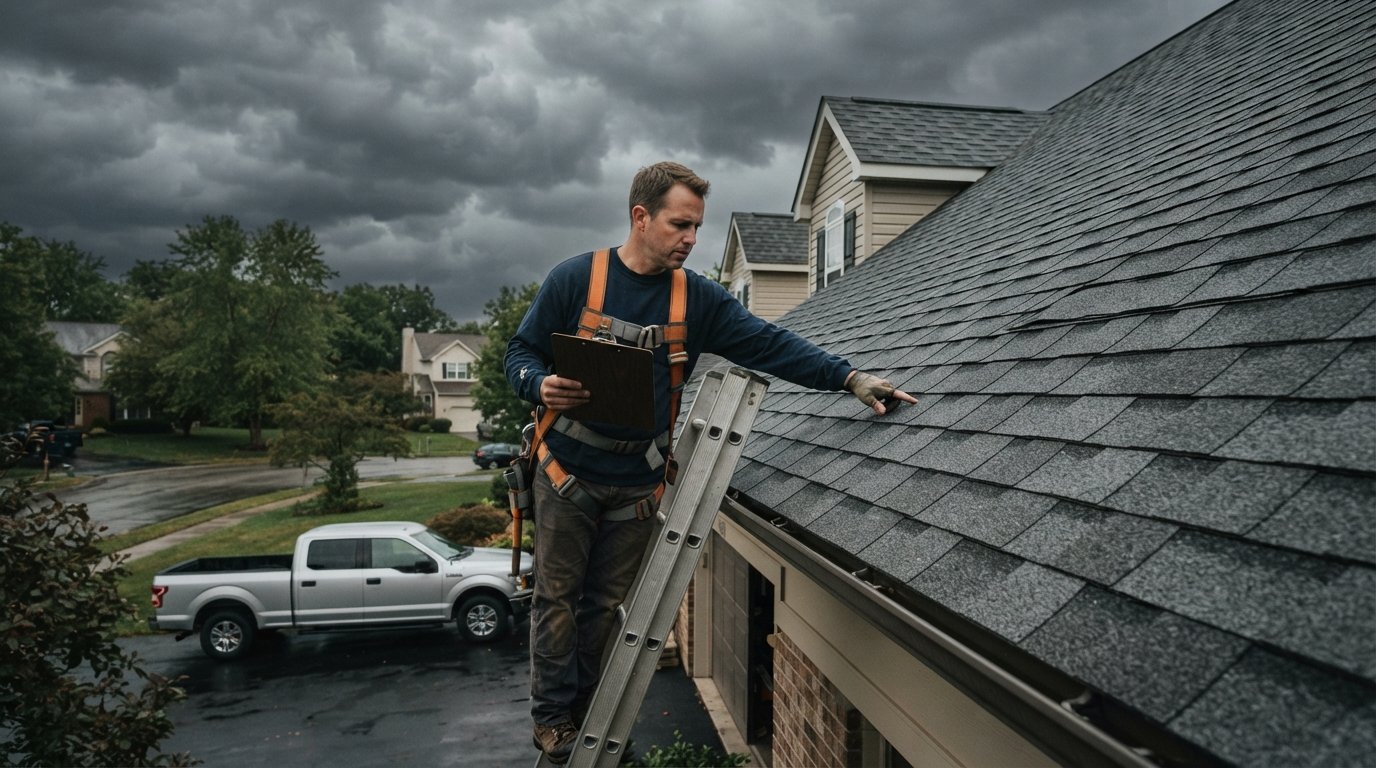
Hailstorms can turn a routine weather event into a costly home repair nightmare, and the difference between a roof that survives intact and one that needs full replacement often comes down to material choice. If you live in hail country, whether that is the Front Range of Colorado, the Texas Panhandle, or the Midwest hail belt, you have probably seen neighbors dealing with insurance claims and contractors while you wonder whether your own roof is up to the task. This guide breaks down the roof material for hail prone areas comparison so you can make a confident, cost-conscious decision.
Why Hail Resistance Matters More Than Ever
Hail damage is not just about a few dents in the gutter. A severe hailstorm can fracture asphalt shingles, expose the underlayment, and lead to water infiltration that rots decking and ceilings. According to the Insurance Information Institute, hail causes billions of dollars in property damage each year in the United States, and roofing claims are among the most common. Homeowners in hail-prone regions face a double burden: higher insurance premiums and the risk of repeated replacements if the material cannot handle impact.
Choosing a hail-resistant roof is not only about avoiding the next storm. It is also about protecting resale value, reducing maintenance, and potentially lowering insurance costs. Many insurers now offer premium discounts for roofs that meet impact-resistance standards, so the material you select can pay you back over time. The key is understanding how different materials perform under impact, what certifications mean, and how to compare costs fairly.
For a broader look at how wind and hail considerations overlap, see our guide on choosing roof materials for high wind and hail areas. That resource expands on how wind uplift and impact resistance work together, which is especially relevant if your region gets both.
Understanding Impact Ratings: UL 2218 Class 4 and What It Means
The most widely recognized standard for hail impact resistance is UL 2218, a test developed by Underwriters Laboratories. In this test, a steel ball is dropped from a specified height onto a roofing sample, and the material is graded from Class 1 to Class 4. Class 4 is the highest rating, meaning the material can withstand the impact of a 2-inch steel ball dropped from 20 feet without cracking or tearing. That does not mean a Class 4 roof is indestructible, but it offers a measurable performance advantage over standard materials.
Many shingle manufacturers also offer their own hail warranties, and some products carry the IBHS Fortified Home designation, which includes additional requirements beyond impact resistance. When comparing materials, always look for the UL 2218 Class 4 label on the product packaging or specification sheet. A contractor who claims a material is "hail proof" without documentation should raise a red flag. No roof is truly hail proof, but Class 4 products are tested to a higher standard and are more likely to survive severe storms.
It is also important to distinguish between impact resistance and cosmetic damage. Some materials may resist cracking but still show dents or granule loss, which can affect appearance and, in some cases, void warranties. Read the fine print on any hail warranty to understand what is covered: material failure, cosmetic damage, or both.
Comparing Hail-Resistant Roofing Materials
When you run a roof material for hail prone areas comparison, you will find that no single material wins on every metric. Metal, synthetic, composite, and impact-resistant asphalt each have strengths and trade-offs. The best choice depends on your budget, climate, home style, and insurance situation. Below is a breakdown of how each performs in hail.
Impact-Resistant Asphalt Shingles
Standard asphalt shingles are the most common roofing material in the United States, but they are also among the most vulnerable to hail. Impact-resistant asphalt shingles, often called Class 4 shingles, use a modified asphalt formulation and a reinforced fiberglass mat to absorb impact better than standard products. Many major manufacturers offer Class 4 lines, and some come with warranties that cover hail damage for a specified period.
These shingles are a popular choice because they look like traditional asphalt, install similarly, and cost less than metal or synthetic alternatives. However, not all Class 4 shingles are equal. Some perform better in real-world hail tests than others, and the warranty terms vary widely. If you choose this route, ask your contractor for the specific product name and warranty details, and verify that the shingles are rated Class 4.
Metal Roofing
Metal roofs, especially those made of steel or aluminum, offer excellent impact resistance when properly installed. Standing seam metal roofs with a minimum 24-gauge thickness can withstand large hail without puncturing, and many carry Class 4 ratings. Metal is also durable, energy-efficient, and low-maintenance, making it a strong long-term investment.
The downside is upfront cost: metal roofing typically costs two to three times more than asphalt shingles. Installation requires specialized skills, and not all roofing contractors are experienced with metal. In hail-prone areas, metal can also be noisy during storms, though proper insulation mitigates this. If you plan to stay in your home for decades, the durability and potential insurance discounts can offset the higher price.
Synthetic and Composite Roofing
Synthetic roofing products, made from engineered polymers, are designed to mimic the look of wood shakes, slate, or tile while offering superior impact resistance. Many synthetic roofs carry Class 4 ratings and are lightweight, which reduces stress on the roof structure. Composite roofing, which often combines recycled materials, also performs well in hail and can be more affordable than natural slate or tile.
These materials are gaining popularity in hail-prone regions because they offer a balance of aesthetics, durability, and cost. However, the market is crowded with products of varying quality, and some synthetic roofs have experienced premature failures. Research the manufacturer's reputation and warranty before committing.
Tile and Slate
Clay tile, concrete tile, and natural slate are naturally hard and can resist hail well, but they are also brittle. A direct hit from large hail can crack or break tiles, and repairs can be expensive. Some tile products are rated Class 4, but the underlying underlayment and installation quality matter just as much as the tile itself. In areas with frequent severe hail, tile may not be the most practical choice unless you are prepared for periodic repairs.
Cost Comparison: Hail-Resistant vs. Standard Asphalt
Budget is often the deciding factor in any roofing project. The table below provides a general comparison of installed costs for common roofing materials in hail-prone areas. Actual prices vary by region, roof complexity, and contractor rates.
- Standard asphalt shingles: $4.50 to $7.00 per square foot installed.
- Impact-resistant asphalt shingles (Class 4): $6.00 to $9.00 per square foot installed.
- Metal roofing (standing seam): $10.00 to $18.00 per square foot installed.
- Synthetic/composite roofing: $8.00 to $14.00 per square foot installed.
- Tile or slate: $12.00 to $25.00 per square foot installed.
While impact-resistant asphalt shingles cost roughly 20 to 40 percent more than standard shingles, they can reduce the risk of hail damage and may qualify for insurance discounts. Metal and synthetic roofs cost significantly more upfront but offer longer lifespans and potentially greater savings over time. When comparing costs, factor in insurance premium reductions, expected lifespan, and maintenance expenses. A roof that lasts 50 years may be cheaper per year than one that needs replacement every 15 years.
To get accurate local pricing, request multiple quotes from pre-vetted roofing contractors. A platform like PlanRemodel can connect you with qualified professionals in your area who specialize in hail-resistant roofing.
How Hail-Resistant Roofing Affects Insurance Premiums
Insurance companies are increasingly aware of the value of impact-resistant roofs. Many offer premium discounts, deductible waivers, or other incentives for homeowners who install Class 4 roofing products. The exact savings vary by insurer and state, but discounts of 5 to 30 percent on the wind and hail portion of your premium are common. In some states, insurers are required to offer discounts for Class 4 roofs.
Before you choose a material, contact your insurance agent and ask about available discounts. Some insurers also offer reduced deductibles for hail claims if your roof meets certain standards. Be prepared to provide documentation, such as the UL 2218 Class 4 certificate or the manufacturer's warranty. Keep in mind that an insurance discount alone may not justify a much more expensive roof, but it can improve the return on investment for metal or synthetic options.
It is also worth asking whether your insurer has a preferred contractor network or specific installation requirements. Some policies require that hail-resistant roofs be installed by licensed contractors to qualify for discounts. Always verify credentials and ask for proof of insurance before work begins.
What to Ask a Roofing Contractor About Hail Warranty Coverage
A warranty is only as good as the company behind it and the fine print it contains. When interviewing roofing contractors, ask specific questions about hail coverage to avoid surprises later. Here are key points to clarify:
- What exactly does the hail warranty cover? Does it cover material replacement, labor, or both? Is cosmetic damage (such as granule loss or dents) included, or only functional failure?
- How long is the warranty period? Some manufacturers offer lifetime warranties on materials, but hail coverage may be limited to a shorter period, such as 10 or 15 years.
- Are there installation requirements? Many warranties are void if the roof is not installed according to the manufacturer's specifications. Ask for written confirmation that the contractor will follow those guidelines.
- Who honors the warranty? Is it the manufacturer, the contractor, or both? If the contractor goes out of business, will the manufacturer still stand behind the product?
- What documentation will I receive? Request a copy of the warranty and the Class 4 certification for your records. This documentation may be needed for insurance claims or resale.
Also ask the contractor about their experience with hail claims and whether they can provide references from homeowners who have filed claims. A knowledgeable contractor can help you navigate the insurance process and ensure that your new roof meets the requirements for discounts.
Making the Decision: Factors Beyond Material
While material choice is critical, other factors influence how well your roof will withstand hail. Proper installation is paramount: even the best material can fail if installed incorrectly. Ventilation, decking condition, and flashing details all affect performance. Choose a contractor who is licensed, insured, and experienced with hail-resistant products.
Consider your home's architecture and neighborhood character. Some homeowners associations restrict certain materials, so check before you commit. Also think about your long-term plans: if you plan to sell within a few years, the resale value of a durable roof may be attractive to buyers, but you may not recoup the full cost of a premium material.
Finally, do not overlook maintenance. After a hailstorm, have your roof inspected by a professional, even if you do not see obvious damage. Small cracks or granule loss can lead to bigger problems down the line. Regular inspections can also help you catch issues early and extend the life of your roof.
Choosing the right roof for a hail-prone area is a balancing act between upfront cost, long-term durability, and insurance savings. Impact-resistant asphalt shingles offer a cost-effective upgrade, metal and synthetic roofs provide superior longevity, and tile can be beautiful but brittle. By understanding impact ratings, asking the right questions, and working with a qualified contractor, you can protect your home and your wallet from the next big storm.
Learn more about Roof Installation or Replacement for guides, costs, and what to expect.
Compare Roof Installation or Replacement Pros Near You
Enter your ZIP code to compare top-rated local professionals and request free quotes.