
Choosing Roof Materials for High Wind and Hail Areas
Compare roofing materials for high wind and hail areas to protect your home and save on insurance. Call (833)-439-3727 for expert contractor quotes.

By Aaron Turner
Learn more about Roof Installation or Replacement for guides, costs, and what to expect.
Compare Roof Installation or Replacement Pros Near You

Enter your ZIP code to compare top-rated local professionals and request free quotes.
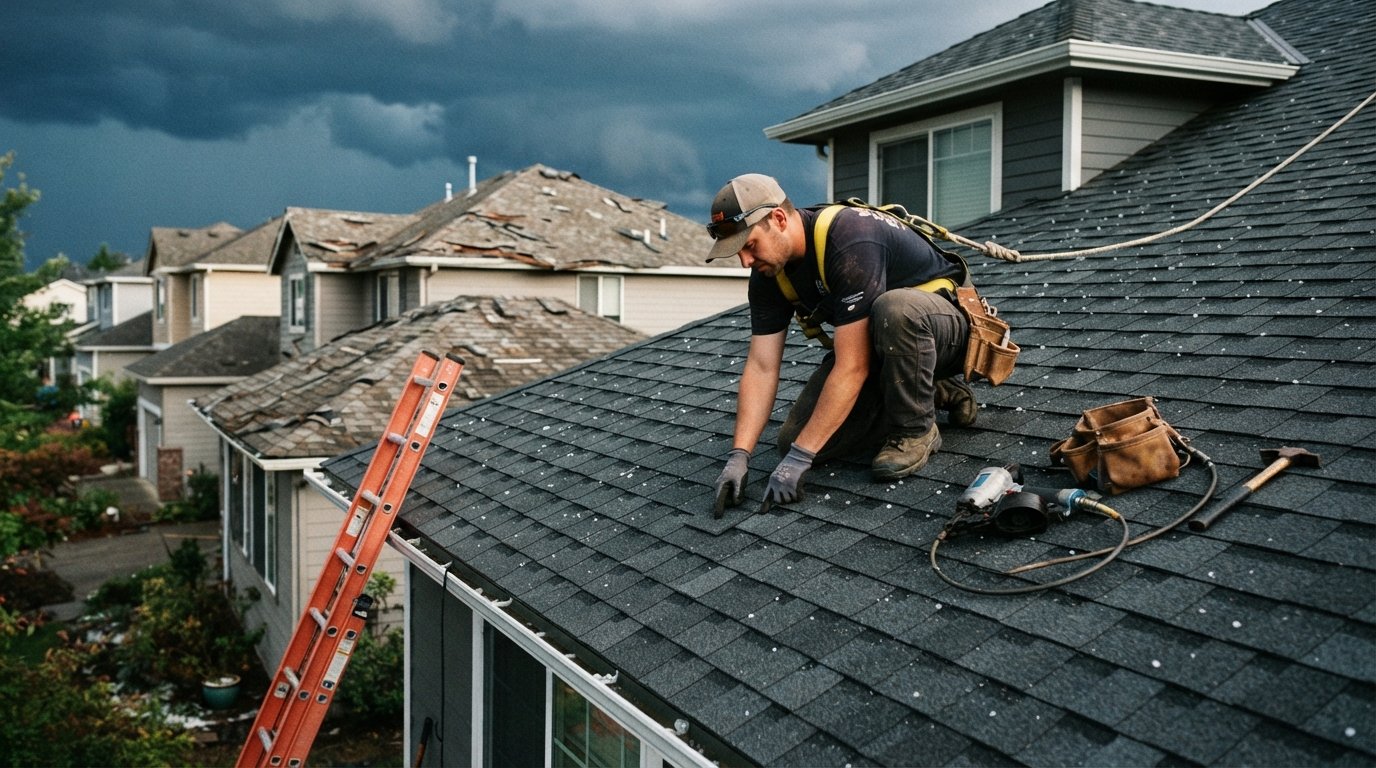
When a storm rolls in with 90 mph gusts and golf ball sized hail, your roof is the first line of defense between your family and the elements. In storm prone regions like the Midwest, Texas, and the Gulf Coast, the difference between a roof that survives and one that fails often comes down to material choice and installation quality. Choosing roof materials for high wind and hail areas is not just about durability; it is about protecting your home, avoiding repeat insurance claims, and potentially lowering your premiums. This guide walks you through the top options, what the ratings actually mean, and how to ensure your new roof meets the stringent requirements for warranty and insurance benefits.
Why Standard Roofing Often Fails in Severe Weather
Many homeowners assume any new roof will handle whatever Mother Nature throws at it. The reality is that standard three tab asphalt shingles, which are common on many homes, have a limited wind rating and almost no impact resistance. When hail strikes, it can bruise the mat beneath the granules, leading to premature failure. High winds can lift shingles if they are not properly sealed or if the nails are placed in the wrong spot. In areas prone to these events, building codes have evolved to require stronger materials and specific installation methods. Understanding these vulnerabilities is the first step toward making a smarter investment.
Insurance companies have also changed their policies in response to repeated storm damage. Many now offer discounts for impact resistant roofs, but they also may refuse to cover older roofs that do not meet current standards. This makes material selection a financial decision as much as a practical one. The goal is to break the cycle of repair, replace, and claim by installing a roof that can withstand the worst weather your region experiences.
Comparing Roofing Materials for Wind and Hail Resistance
Four main categories dominate the storm resistant roofing market: asphalt shingles, metal roofing, tile, and synthetic composite. Each has distinct strengths and weaknesses when it comes to wind uplift and hail impact. The best choice depends on your budget, the architectural style of your home, and the specific threats in your area.
Asphalt Shingles: Affordable but Varies Widely
Asphalt shingles remain the most popular roofing material in the United States due to their low upfront cost and ease of installation. However, not all asphalt shingles are created equal. Standard shingles typically carry a wind rating of 60 to 70 mph, which is insufficient for hurricane prone zones. High performance asphalt shingles, often called impact resistant shingles, are manufactured with a reinforced polymer modified asphalt and a stronger fiberglass mat. These can achieve a Class 4 impact rating, the highest available, and wind ratings up to 130 mph when installed with six nails per shingle and a sealed starter strip.
The tradeoff is cost: impact resistant asphalt shingles can cost 20 to 40 percent more than standard shingles. However, many insurance companies offer premium discounts of up to 25 percent for homes with Class 4 roofs, which can offset the initial expense over time. It is crucial to verify that the specific product you choose has been tested by a recognized laboratory and carries the appropriate rating. Some manufacturers also require a certified contractor for the warranty to remain valid, so hiring a qualified professional is essential.
Metal Roofing: Superior Wind Performance and Longevity
Metal roofing, including standing seam and metal shingle systems, is a top performer in high wind scenarios. Standing seam metal roofs have concealed fasteners and interlocking panels that create a continuous barrier against wind uplift. Many metal systems are rated for winds up to 140 mph or higher, making them ideal for coastal areas. They are also highly resistant to hail, though large hail can dent softer metals like aluminum. Steel and copper offer better impact resistance than aluminum.
The lifespan of a metal roof is another major advantage, often lasting 50 years or more compared to 15 to 20 years for asphalt. While the upfront cost is higher, typically two to three times that of asphalt, the long term value can be substantial. Metal roofs are also energy efficient, reflecting solar heat and reducing cooling costs. Installation requires specialized skills, so you need a contractor experienced with metal roofing to ensure proper fastening and flashing. Improper installation can lead to oil canning, leaks, and wind failure.
Tile Roofing: Heavyweight Champion for Hail
Clay and concrete tile roofs are naturally resistant to hail and wind. Their dense composition allows them to absorb impact without cracking or puncturing, and they are often rated Class 4 for impact. In high wind areas, however, tile must be mechanically fastened and the underlayment must be properly secured. Traditional tile roofs can be vulnerable to wind uplift if the tiles are not attached correctly, but modern installation techniques using foam adhesive and screws can achieve excellent wind ratings. Tile roofs are heavy, so a structural evaluation is necessary to ensure your home can support the weight.
Tile is also expensive, with costs ranging from $10 to $20 per square foot installed. However, its durability and timeless appearance make it a favorite in upscale neighborhoods. In hail prone regions like Texas and Colorado, tile roofs often outlast asphalt by decades, reducing the frequency of replacements. The key is to work with a contractor who specializes in tile and understands the local wind and hail requirements.
Synthetic Composite: The Engineered Alternative
Synthetic roofing materials, made from a blend of polymers and rubber, are designed to mimic the look of slate, wood shakes, or tile while offering superior impact and wind resistance. Many synthetic products carry Class 4 impact ratings and wind ratings up to 110 mph. They are lighter than natural tile or slate, reducing structural load, and they are resistant to rot, insects, and UV damage. Some high end synthetics come with lifetime warranties.
Costs for synthetic roofing fall between asphalt and metal, typically $8 to $15 per square foot installed. While they are not as common as asphalt or metal, they are gaining traction in storm prone areas because they combine aesthetics with performance. As with any material, proper installation is critical. Manufacturers often require installers to be certified, and failure to follow guidelines can void the warranty.
Understanding Impact Ratings and Insurance Discounts
When shopping for a storm resistant roof, you will encounter two key ratings: UL 2218 for impact resistance and ASTM D3161 or D7158 for wind resistance. UL 2218 classifies shingles from Class 1 to Class 4, with Class 4 being the highest, meaning the material can withstand a 2 inch steel ball dropped from 20 feet without cracking. For wind, ASTM D3161 tests shingles at specific speeds, while D7158 is a more rigorous test for high wind areas. Your contractor should provide documentation showing the product meets these standards.
Insurance companies in storm prone states often provide discounts for roofs with Class 4 impact ratings and high wind ratings. These discounts can range from 10 to 30 percent on your homeowner's premium. In some states, like Texas, insurers are required to offer discounts for impact resistant roofing. To qualify, you may need to provide a certification or invoice showing the product and installation details. It is wise to check with your insurer before you choose a material to confirm which ratings qualify for discounts.
Installation Requirements and Contractor Certifications
Even the best roofing material will fail if it is not installed correctly. In high wind and hail areas, installation details matter more than the material itself. For example, asphalt shingles must be nailed in the correct location with the right number of nails, and starter strips must be sealed. Metal roofs require precise fastening and panel engagement. Tile roofs need proper underlayment and mechanical attachment. A contractor who is not familiar with local code requirements can inadvertently void your warranty and leave your home vulnerable.
Manufacturer certifications are a strong indicator of a contractor's expertise. Many top brands offer tiered certification programs, such as GAF Master Elite or Owens Corning Platinum Preferred. These certifications require the contractor to carry proper insurance, maintain a good reputation, and undergo training. When a certified contractor installs a qualifying product, you may be eligible for enhanced warranties, including coverage for labor and materials. Always ask for proof of certification and verify it with the manufacturer.
If you need help finding a certified roofing professional in your area, resources like home remodeling services in high-demand states can connect you with pre-vetted contractors who specialize in storm resistant installations. Additionally, platforms like PlanRemodel offer directories and educational content to guide you through the selection process. These tools can save you time and help you avoid unqualified installers.
Cost Versus Durability: The Long-Term View
When comparing roofing materials, the initial price tag is only part of the story. A roof that costs less upfront but requires frequent repairs or replacement after every major storm is not a bargain. Consider the life cycle cost, which includes installation, maintenance, repairs, and insurance premiums over the life of the roof. Impact resistant asphalt may cost more initially, but it can last longer and reduce insurance costs. Metal and tile have higher upfront costs but can last 50 years or more, making them cost effective over decades.
To make a smart decision, gather quotes from multiple contractors and ask for a breakdown of materials, labor, and warranties. Request specific product data sheets and verify the ratings. Ask about the expected lifespan and any maintenance requirements. A reputable contractor will be transparent about these details and help you weigh the pros and cons based on your budget and risk tolerance.
Key Steps to Choose the Right Roof for Your Area
Navigating the options can feel overwhelming, but a structured approach simplifies the process. Start by assessing your local climate and building codes. Then evaluate your budget and long term goals. The following steps will help you make an informed choice.
- Research local codes and insurance incentives: Check with your city building department and your insurance agent to understand minimum requirements and available discounts.
- Get multiple quotes from certified contractors: Contact at least three roofing companies that specialize in storm resistant materials and are certified by manufacturers.
- Compare product ratings and warranties: Look for Class 4 impact and high wind ratings, and review warranty terms for coverage and transferability.
- Verify contractor credentials: Confirm licensing, insurance, and manufacturer certifications before signing a contract.
- Plan for installation quality: Discuss installation details, such as fastening patterns and underlayment, to ensure they meet or exceed code.
Following these steps will help you avoid common pitfalls and ensure your new roof performs as expected when the next storm hits. Remember that your roof is a system, and every component from the decking to the ridge cap must work together.
Making a Confident Decision for Lasting Protection
Choosing roof materials for high wind and hail areas requires balancing performance, cost, and aesthetics. Whether you opt for impact resistant asphalt, durable metal, heavy tile, or engineered synthetic, the key is to prioritize tested ratings and certified installation. By doing your homework and working with qualified professionals, you can protect your home, reduce insurance headaches, and enjoy peace of mind for years to come. Take the time to evaluate your options carefully, and do not hesitate to seek expert guidance. Your roof is one of your most important investments; make it a strong one.