
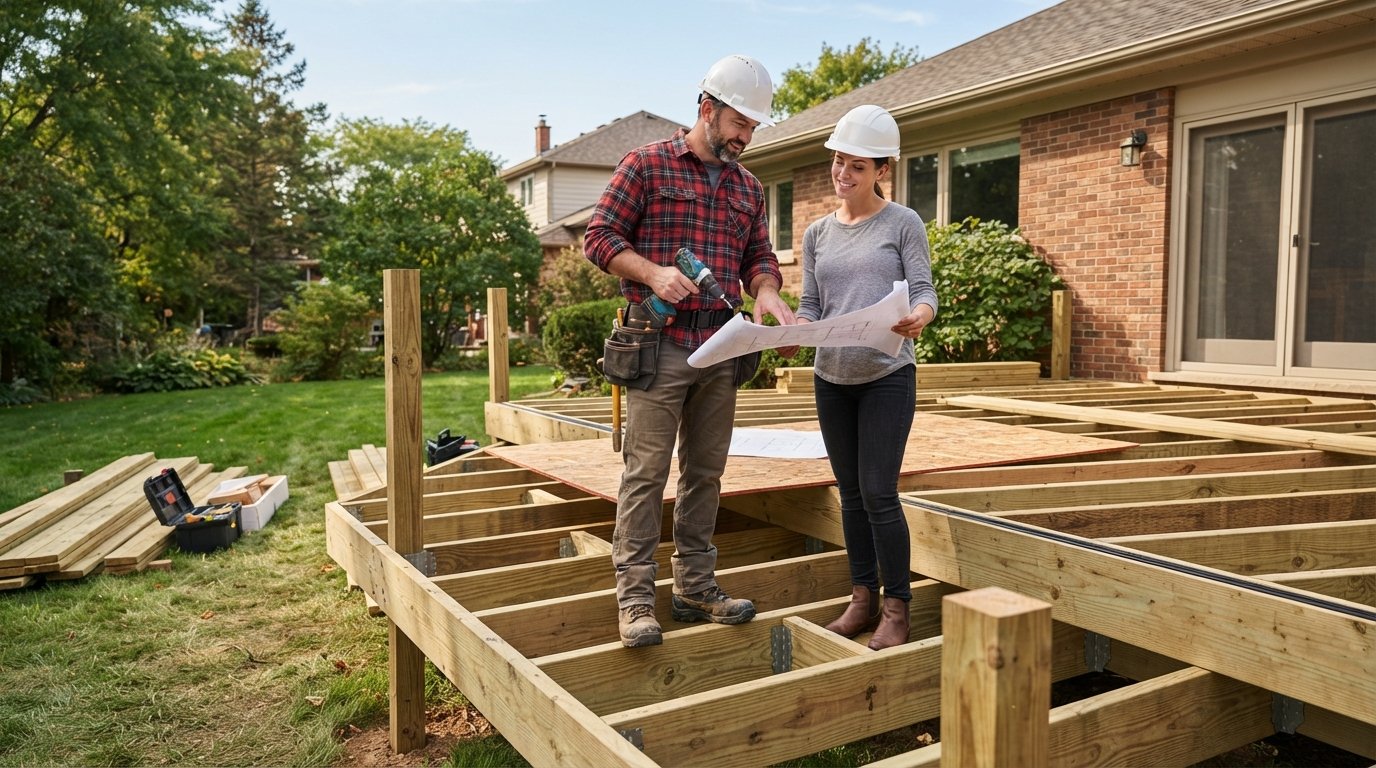
How to Choose the Best Deck Builders for Your Project
Learn how to choose the best deck builders for your project. Get tips on vetting contractors, comparing quotes, and avoiding common mistakes.
By Alexia Mabel
Learn more about Deck or Porch Remodel or Addition for guides, costs, and what to expect.
Compare Deck or Porch Remodel or Addition Pros Near You

Enter your ZIP code to compare top-rated local professionals and request free quotes.
Your deck is more than just an outdoor structure; it is an extension of your living space, a place for family gatherings, weekend barbecues, and quiet morning coffees. A well-built deck can significantly increase your home's value and curb appeal. However, the difference between a deck that lasts for decades and one that becomes a constant source of repairs often comes down to the skill and reliability of the professionals you hire. Finding the right deck builders is a critical decision that requires careful research, clear communication, and a solid understanding of what to look for in a contractor.
For many homeowners, the process of hiring a contractor feels overwhelming. You might be worried about the cost, the timeline, or the quality of workmanship. This guide is designed to walk you through every step, from defining your project scope to comparing quotes and signing a contract. We will focus on practical, actionable advice that helps you confidently select a professional who can bring your vision to life without unnecessary stress or surprise costs.
Why Professional Deck Builders Matter
While some homeowners are tempted to tackle a deck as a DIY project, the complexity of the job often proves too much. A deck must be structurally sound to support the weight of people, furniture, and weather conditions. It must also comply with local building codes and be properly integrated with your home's architecture. Professional deck builders bring a level of expertise that ensures safety, longevity, and aesthetic appeal.
They understand the nuances of materials, from pressure-treated lumber to composite decking, and can recommend the best option for your climate and budget. They also have the tools and experience to handle unexpected challenges, such as uneven ground or complex angles. By hiring a professional, you are not just paying for labor; you are investing in peace of mind and the assurance that the job will be done correctly the first time.
Defining Your Deck Project and Budget
Before you start searching for contractors, you need to have a clear idea of what you want. This clarity will help you communicate effectively with potential builders and get accurate quotes. Begin by considering the purpose of your deck. Will it be primarily for dining, lounging, or entertaining? Do you want a simple single-level platform or a multi-level design with built-in seating and planters?
Next, think about the size and location. Measure the available space in your yard and consider how the deck will connect to your home. Take note of any obstacles like trees or utility lines. Once you have a general concept, you can start to outline a realistic budget. The cost of deck construction varies widely based on materials, size, and complexity. On average, homeowners spend between $15,000 and $30,000 for a professionally built deck, but this can be higher for large or premium projects.
When setting your budget, remember to include a contingency fund of about 10% to 20% for unexpected expenses. This buffer can cover issues like discovering a problematic foundation or needing to upgrade electrical outlets for lighting. It is also wise to consider the long-term value. Spending a bit more on high-quality materials and workmanship can save you money on repairs and replacement down the line.
How to Find and Vet Deck Builders
Finding qualified deck builders is easier when you have a structured approach. Start by asking for recommendations from friends, family, and neighbors who have recently had decks built. Their personal experiences can provide valuable insights into a contractor's work ethic and quality. You can also check online review platforms like Google, Yelp, and the Better Business Bureau for additional feedback.
Once you have a list of potential candidates, it is time to vet them thoroughly. Trustworthy contractors should be happy to provide references from past clients and examples of their previous work. When you speak with references, ask about their overall satisfaction, whether the project stayed on schedule, and if there were any issues that were resolved professionally.
Here are some key questions to ask when interviewing deck builders:
- Are you licensed and insured? Ask for proof of both general liability and workers' compensation insurance.
- How long have you been in business? Look for a track record of at least five years.
- Do you have experience with the specific type of deck I want? Some builders specialize in composite, while others are experts in custom woodwork.
- Can you provide a detailed written estimate? This should include materials, labor, cleanup, and a project timeline.
- Who will be the on-site project manager? Ensure there is a clear point of contact.
After your interviews, you should have a shortlist of contractors who seem capable and professional. At this point, it is wise to verify their credentials with your local licensing board. Homes.Contractors encourages all homeowners to independently confirm that any contractor they are considering is in good standing and has no unresolved complaints.
Comparing Quotes from Different Contractors
Once you have narrowed your list to two or three candidates, ask each to provide a detailed quote. Do not automatically choose the cheapest option. A low bid can sometimes indicate lower quality materials or an inexperience that leads to costly mistakes. Instead, compare the quotes line by line to understand what is included.
Check that each quote covers the same scope of work, including demolition of an old deck if needed, site preparation, material grades, and cleanup. A reputable contractor will provide a breakdown of costs for materials and labor separately. This transparency helps you see where your money is going. Pay attention to the payment schedule as well. A typical schedule might involve a deposit upfront, progress payments, and a final payment upon completion. Be wary of contractors who demand a large percentage before any work begins.
When reviewing quotes, consider the warranties offered. A good contractor will back their workmanship with a warranty that covers a year or more. Material manufacturers also provide warranties on their products, and your contractor should explain how these work. The best quote is not necessarily the one with the highest price tag, but the one that offers the best combination of cost, quality, and terms.
Understanding Deck Materials and Costs
The materials you choose will have a significant impact on your deck's appearance, durability, and maintenance needs. Pressure-treated wood is the most budget-friendly option, but it requires regular sealing and staining to prevent decay. Cedar and redwood are naturally resistant to rot and insects, offering a beautiful, classic look, but they come at a higher cost.
Composite decking has become increasingly popular because of its low maintenance and long lifespan. It is made from a blend of wood fibers and plastic, so it will not splinter or warp. While the upfront cost is higher than wood, the savings in maintenance time and materials can make it more economical over time. PVC or vinyl decking is another option that is fully waterproof and very durable, often used for decks over living spaces.
Here is a quick comparison of common decking materials:
- Pressure-treated wood: Low initial cost, but high maintenance and a shorter lifespan.
- Cedar/Redwood: Natural beauty, moderate cost, and requires periodic maintenance.
- Composite: High durability, low maintenance, and available in many colors and finishes.
- PVC/Vinyl: Fully waterproof, resistant to mold and stains, but the most expensive option.
Your choice of material will also affect the structural requirements. For example, composite and PVC decking often require more joist support than wood. A skilled builder will know the specific installation guidelines for the material you select, which is crucial for your warranty to remain valid. Do not hesitate to ask your contractor for their recommendation based on your local climate and how you plan to use the deck.
The Construction Process: What to Expect
A professional deck project typically follows a predictable sequence. It starts with a site visit and a finalization of the design. The contractor will then secure necessary permits from your local building department. This is a critical step that protects you as the homeowner, as building inspections ensure your deck is safe and up to code.
Once permits are in place, the construction begins. The first step is often demolition or ground preparation. The area is cleared, and the foundation is set. This may involve digging holes for concrete footings or installing a ledger board attached to your house. Proper flashing between the ledger board and your home is essential to prevent water damage, a point where many poorly built decks fail.
After the foundation is set, the framing is constructed. This includes the beams and joists that will support the decking boards. The substructure is the most important part of the build, as it determines the structural integrity. A reputable contractor will take the time to ensure everything is level, square, and properly spaced. Once the framing is complete, the decking boards are installed, followed by railings, stairs, and any custom features like built-in benches or lighting.
Throughout the process, you should expect regular communication from your contractor. They should keep you updated on progress and any issues that arise. A final walkthrough is done upon completion to review the work and address any minor touch-ups. This is also the time to receive all warranties, permits, and inspection certificates.
Red Flags to Avoid with Deck Builders
While many contractors are honest and hardworking, there are some who cut corners or engage in misleading practices. Being aware of red flags can help you avoid a bad experience. One major warning sign is a contractor who pressures you to sign a contract immediately or asks for a large cash deposit upfront. Another is a lack of a physical business address or a refusal to provide references.
Be cautious of bids that are significantly lower than others. This could indicate the use of inferior materials or a lack of understanding of the project's complexity. Similarly, a contractor who is not familiar with local building codes or who suggests skipping permits is a serious safety risk. Always trust your instincts. If something feels off, it is better to walk away and continue your search.
Additionally, be wary of contractors who are not transparent about their insurance coverage. You should be listed as an additional insured on their policy for the duration of the project. This protects you from liability if a worker is injured on your property. Do not let anyone start work until you have verified their insurance certificates.
Smart Questions to Ask Before You Sign
The final step before hiring is to have a detailed conversation with your chosen contractor to clarify all terms. Make sure you have a written contract that includes the project scope, materials list, payment schedule, start and completion dates, and warranty information. Ask for clarification on anything that is unclear.
Here are a few final questions to consider:
- How do you handle change orders? A clear process for changes can prevent disputes later.
- What is your cleanup and daily site maintenance policy?
- How do you protect my landscaping and property during construction?
- Will you provide a final invoice with a lien waiver? This protects you from subcontractor claims.
Once you have signed the contract, you can feel confident that you have done your due diligence. With the right deck builders on your side, you are on your way to enjoying a beautiful, functional outdoor space that adds value to your home for years to come. Remember that the effort you put into selecting a professional is an investment in the success of your project.
Take your time, ask questions, and rely on resources like Homes.Contractors to connect you with local professionals who have been reviewed by other homeowners. Your dream deck is within reach, and the journey begins with the right partner.
Learn more about Deck or Porch Remodel or Addition for guides, costs, and what to expect.
Compare Deck or Porch Remodel or Addition Pros Near You
Enter your ZIP code to compare top-rated local professionals and request free quotes.