How Long Home Renovation Projects Really Take
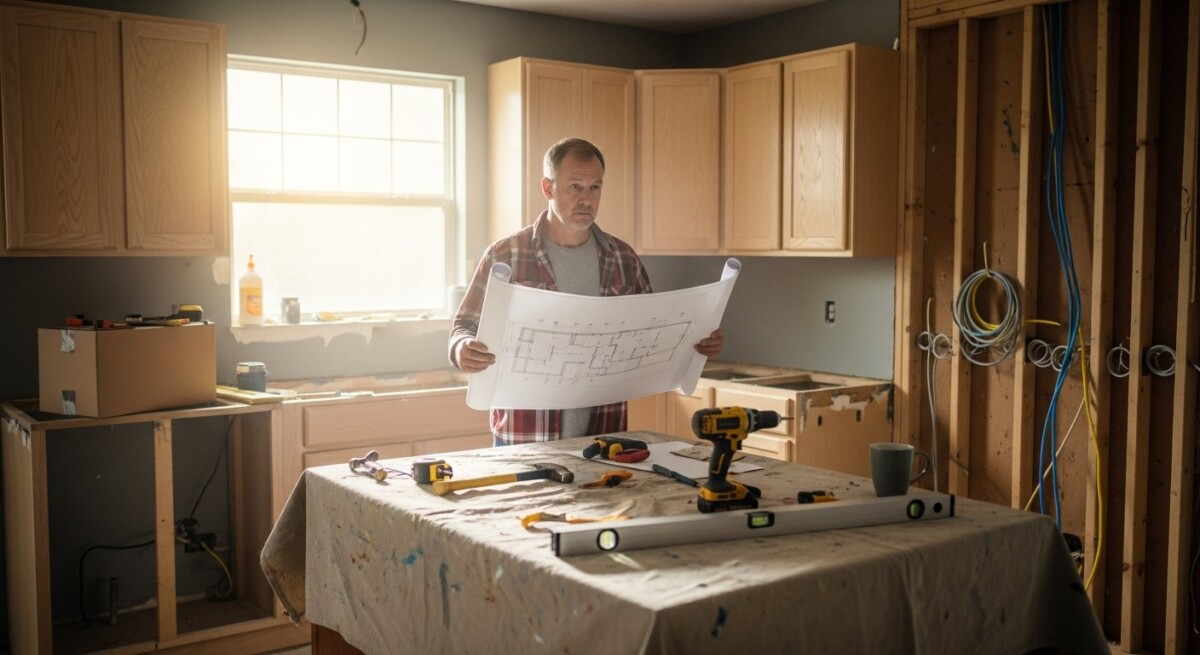
You’ve finally decided to tackle that kitchen remodel or finish the basement. You’re excited, you have a vision, and you’re ready to get started. But then the big question hits: how long will this actually take? If you’re picturing a few weekends of work, you might be in for a surprise. The reality of renovation timelines is often the biggest shock for homeowners, leading to frustration, budget overruns, and strained living situations if not planned correctly.
Understanding How Long Home Renovation Projects Take
Home renovation timelines are more than just the days of active construction. They represent the entire journey from your first idea to the final cleanup. A project’s duration is a complex puzzle, influenced by planning, materials, labor, and the inevitable surprises hidden within your walls.
Every home is unique, which means no two renovation schedules are identical. What takes four weeks in a newer home could easily stretch to eight in an older property. Understanding this from the start is the key to setting realistic expectations and maintaining your sanity throughout the process.
The Three Phases of Every Renovation
Think of your project in three distinct blocks. First is the planning and design phase, where you finalize ideas, secure permits, and order materials. Next is the construction phase, the physical work you see happening. Finally, there’s the finishing phase, involving details, inspections, and final touches.
Homeowners often underestimate the first and last phases, focusing only on the hammer-and-nails middle. A well-structured timeline accounts for all three, ensuring a smoother path to completion.
Why This Matters for Your Home
An accurate timeline isn’t just about convenience; it’s about protecting your investment and your daily life. A project that drags on can disrupt your family’s routine, create safety hazards with prolonged construction zones, and strain your budget with additional living expenses if you need to temporarily relocate.
Furthermore, an unfinished renovation can decrease your home’s value and appeal. Potential buyers see a half-finished project as a liability, not potential. Managing the timeline effectively protects your property’s market value and your own peace of mind.
If you’re starting to plan a project and feel unsure about the timeline, it may help to speak with a qualified contractor. Request a free quote or call to explore your repair or remodeling options.
Common Problems Homeowners Experience
The most frequent issue is the “weekend project” that turns into a month-long ordeal. This often happens when homeowners discover problems like faulty wiring, plumbing issues, or structural concerns only after opening up a wall. What seemed simple becomes complex very quickly.
Another common problem is the domino effect. Delaying one task, like cabinet delivery, halts a dozen others,countertop templating, plumbing hookups, and electrical finishes. This cascading delay is a primary reason timelines double. For a deeper dive into managing these financial variables, our stress-free home renovation budgeting guide is an essential resource.
- The Permit Puzzle: Waiting for municipal approvals can add weeks of unseen delay.
- Material Backorders: Special-order tiles, appliances, or windows often have long lead times.
- Weather Woes: Exterior projects are at the mercy of rain, snow, or extreme heat.
- Subcontractor Scheduling: Coordinating electricians, plumbers, and HVAC technicians is like herding cats.
- Scope Creep: Deciding to “add just one more thing” mid-project is a major timeline killer.
- Hidden Damage: Rot, mold, or outdated systems discovered mid-project require immediate, unplanned fixes.
How Professionals Solve the Problem
Experienced contractors don’t guess how long home renovation projects take; they build a schedule based on proven workflows and local knowledge. They have relationships with suppliers and subcontractors, understand permit office rhythms, and can accurately sequence tasks to avoid costly downtime.
Their expertise allows them to anticipate common hurdles specific to your home’s age and style. They build contingency time into the schedule for the unexpected, preventing small surprises from derailing the entire project. This proactive planning is what you pay for when you hire a professional.
- Detailed Assessment & Planning: They start with a thorough inspection to identify potential hidden issues before work begins.
- Realistic Scheduling: They create a phased timeline, accounting for material lead times, inspections, and task dependencies.
- Efficient Coordination: They manage the flow of workers, materials, and equipment to keep the project moving smoothly.
- Problem-Solving: When issues arise, they have the experience to implement solutions quickly without compromising quality.
- Communication: They provide regular updates, so you’re never left wondering what’s happening next.
A professional inspection can reveal hidden issues before they become expensive repairs. Compare contractor quotes here or call to discuss your project.
Warning Signs You Should Not Ignore
Before you even start, certain signs can indicate your project might take longer than average. These red flags suggest underlying complexities that need expert attention. Ignoring them is a surefire way to watch your timeline evaporate.
If your home shows several of these signs, it’s crucial to factor in significant discovery and remediation time. Addressing these issues early in the planning phase is far faster than dealing with them as emergency mid-project fixes.
- Your home was built before 1980, especially before 1970.
- You have signs of past water damage, like stained ceilings or musty smells.
- Your electrical panel is outdated (fuses instead of breakers, or a very small service).
- You’ve encountered DIY “specialties” from previous owners.
- You plan to alter load-bearing walls or the home’s footprint.
- Your project requires a zoning variance or is in a historic district.
What Affects the Cost of Repairs or Installation
Time is money in renovation. The factors that stretch your timeline almost always increase your cost. Labor is the largest expense, and more time means more labor hours. Additionally, living in a construction zone or needing temporary housing adds indirect costs that strain your budget.
Understanding what drives duration helps you understand what drives price. A complex project in a hard-to-access area of an old home will naturally cost more than a simple update in a newer, open space. This is why personalized quotes are so valuable,they reflect your home’s specific reality.
Costs can vary depending on the condition of your home. The best way to know the price is to get a personalized estimate. Request free quotes from contractors or call today.
How to Choose the Right Contractor
The single biggest factor in your timeline is the contractor you hire. A reliable, communicative professional is your best defense against endless delays. They should view your timeline as a commitment, not a suggestion.
Your goal is to find a partner who is honest about potential challenges and has a track record of completing similar projects on schedule. Don’t just choose the lowest bid; choose the bid that demonstrates the clearest understanding of the time and process involved.
- Verify Credentials: Always check for a valid state license, insurance, and bonding.
- Review Past Work: Ask for references and photos of completed projects similar to yours.
- Get a Detailed, Written Contract: This should include a payment schedule, a list of materials, and,critically,a projected timeline with milestones.
- Assess Communication: Choose someone who listens, answers questions clearly, and proactively communicates. If they’re hard to reach during the sales process, imagine during construction.
- Compare Multiple Quotes: Look at the scope, materials, and proposed schedule in each. A surprisingly low bid often means an unrealistically short timeline or cut corners.
Long-Term Benefits of Professional Work
Investing in a professionally managed renovation pays off long after the workers leave. A project completed correctly, on a well-planned schedule, ensures durability and minimizes callbacks for fixes. This means you get to enjoy your new space without lingering headaches or follow-up repairs.
Furthermore, quality workmanship completed efficiently protects your home’s structure and systems. It enhances safety, improves energy efficiency, and provides the documentation and permits that add legitimate value to your property. For homeowners in specific regions, like those in Arizona, finding a local expert who understands these regional nuances is key. You can learn more about this in our complete guide to home renovation contractors in Phoenix.
In the end, a professional renovation is an investment in your home’s future. It creates a space that is not only beautiful but also built to last, giving you confidence and comfort for years to come.
How long does a typical bathroom remodel take?
A standard, full bathroom remodel with a professional contractor typically takes 3 to 4 weeks from demolition to completion. This assumes no major structural changes and that all materials are in stock. If you’re moving plumbing fixtures, adding custom tile work, or dealing with an older home, plan for 5 to 6 weeks.
What is the average timeline for a kitchen renovation?
For a medium-sized kitchen with cabinet replacement, new appliances, and countertops, expect 6 to 8 weeks of construction time. The overall project timeline, including design and material ordering, can be 3 to 4 months. Major kitchen overhauls that involve reconfiguring the layout or expanding the space can take 3 to 5 months.
Why do contractors give a range of time instead of a firm date?
Reputable contractors provide a range because of the unknowns inherent in renovation work. They build in contingency time for unexpected issues like hidden water damage, delayed inspections, or back-ordered materials. A firm, unmovable date often signals inexperience or a willingness to cut corners if delays occur.
Can I live in my home during a major renovation?
It depends on the project’s scope and your tolerance for disruption. For a kitchen remodel, you’ll need a temporary cooking setup. For a whole-house renovation, it’s often very challenging. Your contractor can advise you, but always plan for more dust, noise, and inconvenience than you expect.
What is the single biggest cause of renovation delays?
While hidden problems are a culprit, the most common cause is a change order,making a significant change to the plan after work has begun. This stops progress, requires new materials, and can force already-scheduled trades to return later. Finalize your design before demolition starts.
How can I help keep my project on schedule?
Be decisive during the planning phase, make all material selections on time, ensure clear access to the work area, and limit change orders once construction begins. Prompt communication and payment when milestones are met also help maintain a positive, productive workflow.
Understanding how long home renovation projects take is the first step toward a successful, less stressful experience. By respecting the process, planning for the unexpected, and partnering with a qualified professional, you can navigate the timeline with confidence. The best next step is to gather information specific to your home. Start by comparing detailed quotes from experienced contractors to get a realistic picture of your project’s path forward.