Get Instant Renovation Estimates Online: A Homeowner’s Guide
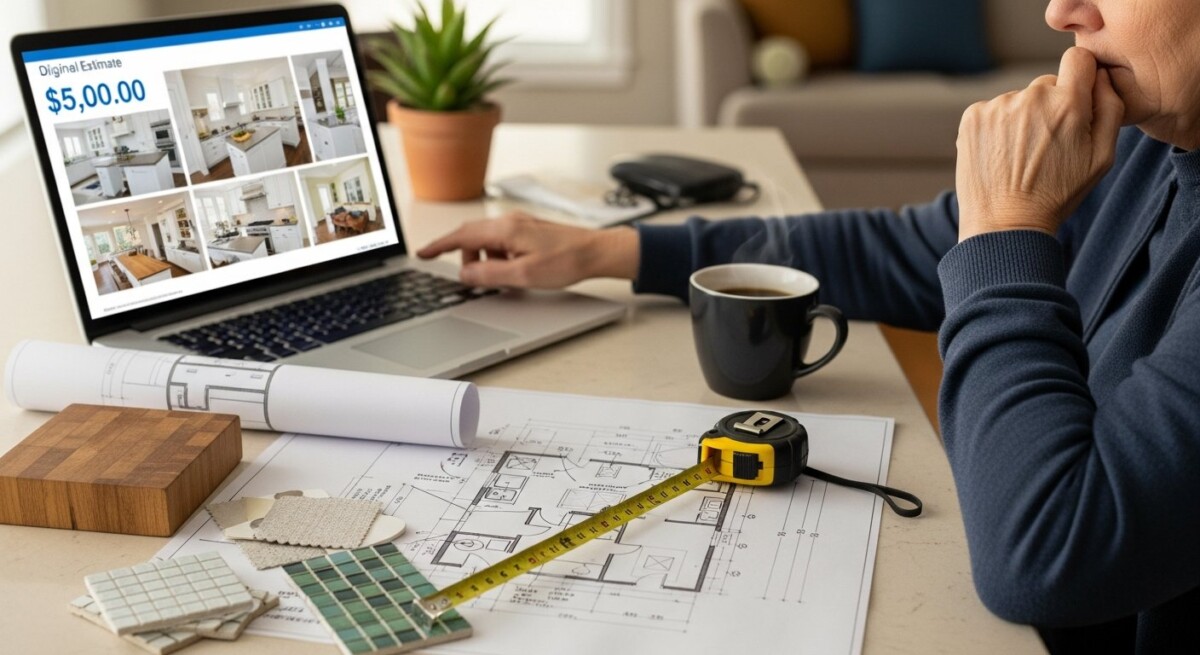
You’re finally ready to tackle that kitchen update or finish the basement. You search online for ideas and costs, and you’re immediately offered an “instant renovation estimate” from a website. It asks for your square footage, project type, and maybe your zip code, then spits out a number. It seems so easy and convenient, but a nagging feeling sets in. How can a computer possibly know the true cost of your unique home, with its specific challenges and your exact vision? Relying solely on that generic number can lead to major budget surprises, project delays, and the stress of hiring the wrong contractor for a job that’s nothing like the estimate promised.
Understanding Instant Renovation Estimates Online
Instant online renovation estimates are tools provided by websites, service aggregators, or contractors to give homeowners a quick, ballpark figure for a project. They use basic algorithms that factor in average regional labor and material costs, combined with the high-level details you provide. The goal is to generate a lead for a contractor or give you a very rough starting point.
These tools are not detailed, on-site quotes. They cannot see your home’s condition, the quality of your existing structures, or the accessibility of the work area. They make broad assumptions that may not apply to your situation at all.
Think of an instant estimate like looking up the average price of a car online. It tells you a sedan might cost between $25,000 and $35,000, but it doesn’t account for the specific model, trim level, dealership fees, or your trade-in value. Your home renovation has infinitely more variables.
How the Estimates Are Calculated
These tools typically pull from national cost databases and adjust for your geographic area. They multiply average cost-per-square-foot figures by the size you enter. For a bathroom remodel, for instance, it might have a base price for a “standard” update and then add flat fees for each item you check, like a new vanity or tile.
Why This Matters for Your Home
Using an instant estimate as your final budget is one of the biggest mistakes a homeowner can make. It sets an unrealistic expectation that can derail your entire project from the start. When contractors provide real quotes that are significantly higher, you might feel misled or assume they’re overcharging, causing you to delay necessary work or choose a less qualified bid.
More importantly, a generic number completely ignores hidden issues that a professional would spot. That instant kitchen estimate doesn’t know your electrical panel is outdated and can’t handle new appliances. It doesn’t account for water damage behind the walls or a floor that isn’t level. Basing your financial planning on a figure that excludes these potential problems is a recipe for stress and unexpected debt.
If you notice signs of this issue in your home, it may help to speak with a qualified contractor. Request a free quote or call to explore your repair or remodeling options.
Common Problems Homeowners Experience
Homeowners who lean too heavily on instant estimates often encounter a series of frustrating and costly realities once the project begins. The promised budget quickly becomes a distant memory, replaced by change orders and extra charges.
The core issue is the lack of a physical inspection. An online form cannot diagnose the health of your home. This leads to several common problems:
- Massive Budget Overruns: The instant quote says $20,000, but real quotes come in at $35,000 due to structural issues, code upgrades, or material choices.
- Project Delays: When hidden problems like mold, rotten subfloor, or faulty wiring are discovered, work must stop until they’re addressed, pushing your timeline back weeks or months.
- Low-Quality Work: In an attempt to meet the unrealistically low budget, a contractor might cut corners, use inferior materials, or skip important steps.
- Contractor Disputes: Misaligned expectations from the start can lead to tension, disagreements over scope, and unhappy working relationships.
- Financing Shortfalls: You might secure a loan or set aside savings based on the online figure, only to find you can’t afford the actual project cost.
- Safety Compromises: Critical safety issues, like outdated electrical or plumbing, are never factored into an algorithm, leaving your home at risk.
How Professionals Solve the Problem
A professional contractor solves the “estimate gap” by replacing guesswork with knowledge. They start with a detailed, in-person consultation and inspection. This allows them to understand your goals, assess the actual conditions of your space, and identify any hidden challenges before pricing the work.
The result is a detailed, line-item quote or proposal. This document becomes the roadmap for your project, outlining specific materials, labor costs, a timeline, and payment schedule. There are no surprises because everything is documented upfront. Here is the typical process a professional follows:
- On-Site Consultation: They visit your home, listen to your needs, take measurements, and examine the area for structural, electrical, and plumbing conditions.
- Scope of Work Definition: They create a detailed description of every task to be performed, from demolition to final cleanup.
- Material Selection: You choose specific products (e.g., brand and model of flooring, exact countertop material), so the quote reflects real costs.
- Detailed Quote Creation: They provide a written breakdown of costs for labor, materials, permits, and any contingencies for unforeseen issues common in renovations.
- Contract Signing: Once you approve the quote, it becomes a binding contract that protects both you and the contractor, ensuring the work is done as specified for the agreed price.
A professional inspection can reveal hidden issues before they become expensive repairs. Compare contractor quotes here or call to discuss your project.
Warning Signs You Should Not Ignore
How do you know if an instant estimate is leading you astray? The warning signs often appear before you even hire someone. Pay attention to your gut feeling and the details provided.
If a contractor is willing to give a firm price without seeing your home, that’s a major red flag. It means they are either using a generic formula or planning to hit you with extra charges later. A trustworthy professional will always insist on seeing the job site first. Here are key signs the instant estimate isn’t reliable:
- The quote is suspiciously low compared to other research or seems too good to be true.
- No detailed breakdown is provided,just one total number with no explanation of what’s included.
- The website or tool asks for very little information about your home’s age, condition, or specific project desires.
- You cannot select specific materials or brands within the estimating tool.
- There’s no mention of permits, inspections, or potential structural work.
- The estimate doesn’t change when you toggle between basic and premium finishes.
What Affects the Cost of Repairs or Installation
Understanding what goes into a real renovation cost helps you see why instant estimates fall short. A professional quote considers a complex mix of factors unique to your property. The size of the project is just the starting point.
Material choices cause the most significant variation. The difference between stock cabinets and custom-built, or laminate countertops and quartz, is thousands of dollars. Labor complexity is another huge factor. Is the room easily accessible, or will workers need to navigate tight staircases? Does the project require rerouting plumbing or upgrading electrical service? Each of these elements adds time and cost.
Costs can vary depending on the condition of your home. The best way to know the price is to get a personalized estimate. Request free quotes from contractors or call today.
How to Choose the Right Contractor
Once you understand the limits of online estimates, the next step is finding a contractor you can trust with a real, on-site assessment. This decision is crucial to your project’s success, your budget, and your peace of mind. Take your time and do thorough research.
Start by getting recommendations from friends, family, or local community groups. Then, vet each candidate carefully. A reputable contractor will be transparent, communicative, and happy to provide proof of their qualifications. Follow these practical tips:
- Verify Licenses and Insurance: Always ask for and confirm their state-issued contractor’s license and proof of liability and workers’ compensation insurance.
- Read Reviews and Check References: Look at reviews on multiple platforms and ask for 2-3 past client references for similar projects. Call them.
- Get Detailed, Written Estimates: Obtain at least three detailed, written quotes based on the same scope of work and materials for an apples-to-apples comparison.
- Ask About Experience: Specifically ask how many projects like yours they have completed in the past year.
- Review the Contract Thoroughly: Never start work without a signed contract that includes payment schedule, timeline, specific materials, and a process for handling changes.
Long-Term Benefits of Professional Work
Investing in a proper estimate and a qualified professional pays dividends long after the project is complete. It’s not just about getting the job done; it’s about getting it done right, which protects your biggest investment,your home.
Professional work ensures safety and compliance with building codes, which is critical for your family’s wellbeing and for insurance purposes. It also means durability; quality materials installed correctly will last for decades, saving you money on premature repairs or replacements. Furthermore, a well-executed renovation significantly boosts your home’s resale value and appeal.
You’ll also enjoy improved energy efficiency from properly installed windows, insulation, and HVAC systems, leading to lower utility bills. Perhaps most importantly, you gain peace of mind knowing the work was done to a high standard, with warranties backing both the materials and the labor, freeing you from worry about hidden defects or future failures.
How accurate are online renovation estimates?
Online estimates are best viewed as a very rough starting point, often with an accuracy range of +/- 30-50%. They cannot account for your home’s specific condition, hidden problems, local labor rates for skilled trades, or your exact material selections. They are useful for initial brainstorming but should never be used as a final budget.
What should a real contractor’s quote include?
A real quote should be a detailed, multi-page document. It must include a clear scope of work, itemized costs for labor and materials, specific product names and models, a project timeline, payment schedule, information on permits and inspections, and the contractor’s license and insurance details. Vague, one-page quotes are a warning sign.
Why are in-person estimates so important?
An in-person estimate allows the contractor to see and assess what a computer cannot: structural integrity, existing wiring and plumbing, water damage, mold, accessibility challenges, and the overall condition of your home. This inspection is essential for creating an accurate, fair, and comprehensive price for the work.
Is it worth getting multiple quotes?
Absolutely. Getting at least three detailed quotes from licensed, insured contractors is one of the smartest things you can do. It allows you to compare not just price, but also the proposed approach, timeline, communication style, and professionalism. The lowest price isn’t always the best value if the scope or quality is lacking.
Can I use an online estimate to get a loan?
It is highly unadvisable. Lenders typically require a detailed, written estimate or contract from a licensed contractor to approve a home improvement loan. An online estimate lacks the specificity and credibility needed for financial institutions. Basing your loan amount on it could leave you short on funds.
What’s the difference between an estimate and a quote?
An estimate is an educated guess of the projected cost and is subject to change. A quote (or bid) is a firm, fixed-price offer to do the work as specified. Once you accept a quote, it becomes the contractual price for the job, barring any changes you request to the scope of work.
How do I talk to a contractor about my budget?
Be upfront and honest. Tell them your ideal budget range during the initial consultation. A good contractor will work with you to prioritize elements of the project, suggest where you can save or splurge, and design a plan that maximizes your investment while staying within a realistic financial framework.
What if I find hidden problems after work starts?
This is common in renovations. A professional contractor’s detailed quote will often include a contingency clause (typically 10-15%) for unforeseen issues. They will stop work, document the problem, provide you with options and costs to fix it, and get your written approval before proceeding. This process prevents surprise bills.
Instant online renovation estimates can be a helpful first step for dreaming and initial research, but they are no substitute for professional expertise. The true cost and success of your home project depend on a thorough understanding of your unique space. By recognizing the limits of automated tools and investing time in getting detailed, in-person quotes from qualified contractors, you protect your home, your budget, and your sanity. Take the next step today by comparing real quotes for your project, and move forward with confidence.