What Is a Subcontractor in Construction? A Homeowner’s Guide

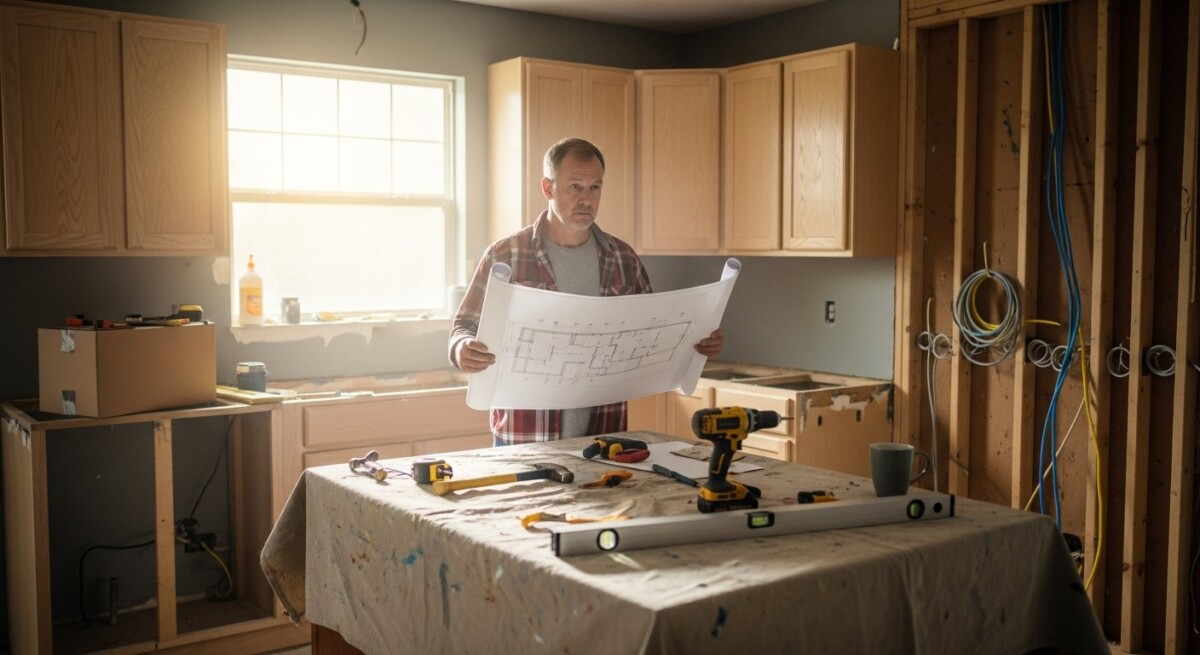
You’ve hired a general contractor for your kitchen remodel, and the work is finally starting. But on the first day, a new person shows up, introduces themselves as the electrician, and says the contractor sent them. You’re left wondering, “Who is this, and who’s really in charge of my project?” This scenario is incredibly common, and understanding the roles on your job site is crucial for a smooth, successful renovation. Knowing what a subcontractor is and how they fit into the puzzle can prevent misunderstandings, protect your investment, and ensure your vision becomes reality.
Understanding What Is a Subcontractor in Construction
In simple terms, a subcontractor (or “sub”) is a specialist hired by your general contractor to perform a specific part of the job. Think of your general contractor as the project manager or orchestra conductor. They oversee the entire project, handle permits, order materials, and coordinate the schedule.
The subcontractors are the skilled musicians. They are the experts in their individual trades, like plumbing, electrical work, drywall, tiling, or cabinetry. Your general contractor doesn’t typically do all these specialized tasks themselves. Instead, they hire trusted subs they’ve worked with before to ensure each phase is done correctly and to code.
This system is standard in the industry, from small bathroom updates to whole-house additions. It allows the general contractor to bring in top-tier talent for each specialty, which is often more efficient and guarantees a higher quality result than one person trying to do everything.
Why This Matters for Your Home
Understanding this relationship matters because it directly impacts your project’s quality, timeline, and your peace of mind. When roles are clear, communication flows smoothly, and accountability is established. You know who to talk to about the overall project (the general contractor) and who is responsible for each specific task (their subs).
Ignoring this dynamic can lead to confusion, delays, and even disputes. If you give instructions directly to a sub without the general contractor’s knowledge, it can create scheduling or cost conflicts. A well-coordinated team where everyone knows their role leads to a safer, more efficient, and higher-quality outcome for your home.
If you notice signs of poor coordination or communication on your job site, it may help to speak with a qualified contractor. Request a free quote or call to explore your repair or remodeling options.
Common Problems Homeowners Experience
The subcontractor system works beautifully when managed well, but homeowners can face issues when it’s not. The most common problems stem from a breakdown in communication or unclear responsibilities. You might feel like you’re dealing with a revolving door of strangers in your home without a clear point of contact.
Other issues arise when the general contractor hasn’t properly vetted their subs, leading to inconsistent work quality. A stunning tile job can be ruined by poor plumbing behind the walls. These disconnects happen when the left hand doesn’t know what the right hand is doing, which is why a strong general contractor is essential to coordinate all the moving parts. For a deeper look at managing project finances, which includes subcontracted work, our resource on what increases construction project cost breaks down the key factors.
Typical homeowner frustrations include:
- Unclear who is responsible for fixing a mistake or defect.
- Delays because one sub’s work isn’t ready for the next sub to begin.
- Difficulty getting answers when the general contractor isn’t on site.
- Variations in work quality between different tradespeople.
- Confusion over payment schedules and who gets paid for what.
- Safety or cleanliness concerns with multiple crews coming and going.
How Professionals Solve the Problem
A reputable general contractor solves these potential problems through experience and systems. They act as your single point of contact and the manager of the entire team. Their primary job is to select the right subs, schedule them in the correct sequence, and ensure their work meets the project’s standards and your expectations.
They handle all the behind-the-scenes coordination so you don’t have to. This includes securing lien releases from subs to protect you, ensuring all work is permitted and inspected, and guaranteeing the final result. The process a professional uses typically follows these steps:
- Planning & Vetting: The contractor carefully plans the project sequence and hires pre-vetted, licensed, and insured subcontractors for each trade.
- Clear Communication: They provide detailed plans and specs to each sub, so everyone is working from the same blueprint.
- Synchronized Scheduling: They create and manage a master schedule, ensuring the framers are done before the electrician arrives, and the drywall is up before the painters start.
- Quality Control & Oversight: The general contractor inspects each sub’s work upon completion before the next phase begins, catching issues early.
- Single-Point Management: They handle all sub payments, change orders, and problem-solving, presenting you with one cohesive bill and one person to answer to.
A professional inspection can reveal hidden issues before they become expensive repairs. Compare contractor quotes here or call to discuss your project.
Warning Signs You Should Not Ignore
How can you tell if the subcontractor relationship on your project is healthy or headed for trouble? Pay attention to the communication and organization from the start. Early warning signs often indicate a lack of experience or poor management practices by the general contractor.
Ignoring these signs can lead to prolonged projects, cost overruns, and subpar work that may need expensive corrections later. Your home and your budget deserve a team that operates like a well-oiled machine, not a group of strangers. Being able to find reliable construction contractors is the first critical step in avoiding these pitfalls.
Be cautious if you observe:
- The general contractor cannot provide a clear project schedule with sub timelines.
- Subcontractors show up without the general contractor informing you first.
- You are asked to pay subcontractors directly (this is a major red flag).
- Subs seem unfamiliar with the project plans or are constantly asking you for decisions.
- There are long, unexplained gaps between different trades starting work.
- The worksite is consistently disorganized or unsafe with poor coordination between crews.
What Affects the Cost of Repairs or Installation
The use of subcontractors is a significant factor in your project’s overall cost. A general contractor’s quote includes their management fee plus the costs of all the subcontracted labor and materials. The final price depends on several key elements tied directly to this system.
The complexity and specialization of the work required will determine which subs are needed. A high-end custom tile installer or a specialist in historic home restoration will command different rates than a standard installer. The general contractor’s network of trusted, quality subs also influences cost,reliability and expertise often come at a premium that saves money on avoidable mistakes.
Costs can vary depending on the condition of your home. The best way to know the price is to get a personalized estimate. Request free quotes from contractors or call today.
How to Choose the Right Contractor
Your choice of general contractor is your choice of a team leader. Therefore, your vetting process should focus on how they manage their subcontractors and projects. The right contractor will have a proven system and be transparent about how they work.
Ask specific questions about their subcontractor relationships during your interviews. Their answers will reveal their level of organization, quality standards, and commitment to a smooth process for you. A crucial part of this selection process is knowing how to request construction bids that detail these very relationships and responsibilities.
Follow these tips when choosing:
- Ask for Subcontractor Details: Inquire if they use subs, which trades they sub out, and how long they’ve worked with their key subs.
- Verify Licenses and Insurance: Ensure the general contractor AND all their subs carry proper licensing and insurance (liability and workers’ comp).
- Request a Detailed Schedule: A professional should provide a timeline showing when major trades will be on site.
- Understand the Payment Structure: Your contract should clearly state that the general contractor pays the subs, not you. Never pay a sub directly.
- Check References Specifically: Ask past clients about the punctuality and professionalism of the subcontractors on site.
Long-Term Benefits of Professional Work
Investing in a general contractor who expertly manages a team of skilled subcontractors pays dividends long after the project is complete. This professional approach builds a foundation of quality and accountability into your home. You’re not just paying for a new bathroom or addition; you’re paying for the peace of mind that comes with proper installation and integration.
This translates to fewer callbacks for repairs, systems that work efficiently and safely, and materials that are installed correctly to last for years. Professionally coordinated work also ensures that all aspects of the project meet building codes, which is essential for your safety and for future home sales. Ultimately, it protects and enhances the value of your largest investment,your home.
What is the difference between a contractor and a subcontractor?
The general contractor (or prime contractor) is hired by you, the homeowner, to manage the entire project. A subcontractor is hired by the general contractor to perform a specific, specialized portion of the work, like electrical or plumbing. You have a direct contract with the general contractor, not the subs.
Should I hire subcontractors directly to save money?
While it may seem cheaper, hiring subs directly is generally not advisable for most homeowners. You become the project manager, responsible for scheduling, permits, inspections, and fixing mistakes between trades. The risk of delays, errors, and liability often outweighs any potential savings.
Who is responsible if a subcontractor does poor work?
Your general contractor is ultimately responsible. Since you hired them, they are accountable for the quality of all work on your project, including that done by their subs. A good contract will state that the contractor must correct any deficient work at no additional cost to you.
How do I know if my contractor’s subs are licensed and insured?
Ask your general contractor to provide Certificates of Insurance (COIs) for all subcontractors before work begins. You can also request license numbers and verify them with your state’s licensing board. A reputable contractor will provide this willingly.
Can I request a specific subcontractor to be used on my project?
You can certainly make a request or recommendation. Most professional contractors are open to this if you have a trusted specialist, but they will likely want to vet them first to ensure they meet their standards, schedule, and insurance requirements.
Who do I talk to if there’s a problem when the contractor isn’t on site?
Always direct questions or concerns to your general contractor first. They are your point of contact. If a sub asks you a question about the project, it’s best to reply, “Please check with [General Contractor’s Name] and have them get back to me,” to maintain clear lines of communication.
Understanding the role of subcontractors demystifies the construction process and empowers you as a homeowner. It highlights the value of hiring a skilled general contractor who can orchestrate a team of specialists to bring your vision to life efficiently and correctly. By recognizing the importance of this system, asking the right questions, and choosing your contractor wisely, you protect your home, your budget, and your sanity. If you’re planning a project, the most important step is to start with clear information,consider comparing detailed quotes from several qualified professionals to understand your options and find the right team leader for your home.