
Contractor Liability and Workers Comp Verification for Homeowners
Verify contractor liability and workers comp insurance before hiring. Call 8334393727 for help finding vetted local pros and free project quotes.
By Adnan Nazir
Learn more about General Contracting for guides, costs, and what to expect.
Compare General Contracting Pros Near You

Enter your ZIP code to compare top-rated local professionals and request free quotes.
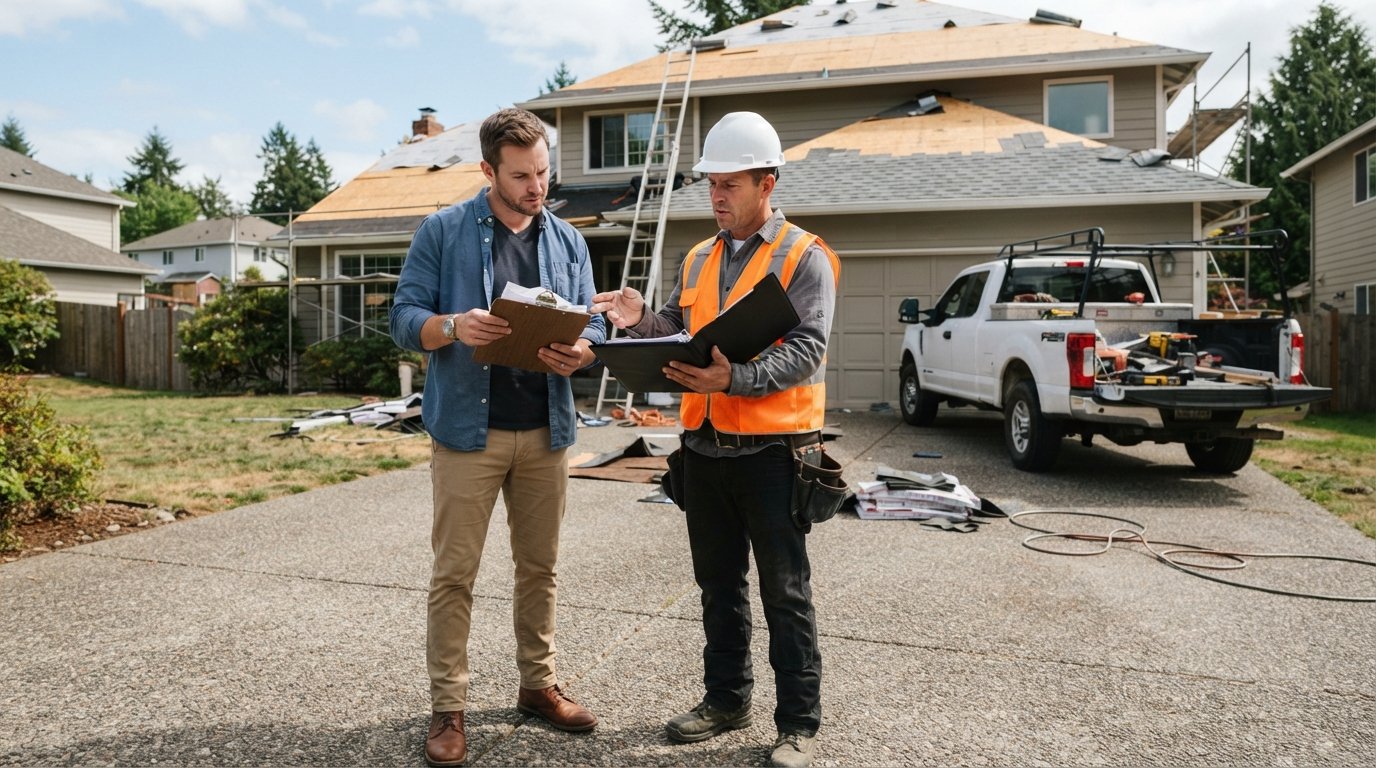
You hire a contractor to replace your roof, and three days into the job, a worker falls off a ladder. Or a sledgehammer slips and destroys your custom front door. Who pays? If you skipped contractor liability and workers comp insurance verification for homeowners, the answer might be you. Every year, homeowners across the United States absorb tens of thousands of dollars in medical bills, property damage claims, and legal fees because the person they hired carried no coverage, or carried coverage that had quietly lapsed. The good news: a 15-minute verification process can shield you from almost all of that risk, and it costs you nothing but a little diligence.
This guide walks you through exactly how to check contractor insurance, what the certificates actually mean, which questions to ask, and what to do when something looks wrong. Whether you are hiring for a bathroom remodel, a fencing project, or an emergency HVAC repair, the same core rules apply. And if you would rather start with vetted professionals who have already passed a screening process, platforms like FreeQuotes.Contractors connect homeowners with local pros and provide free project quotes, which can save you hours of legwork before you even begin verifying paperwork.
Why Contractor Insurance Verification Matters More Than Ever
Home improvement spending in the U.S. remains near record highs, and the contractor market has expanded fast to meet demand. That growth has a downside: unlicensed, uninsured operators are more common than most homeowners realize. A 2024 survey by a national home services network found that roughly one in four homeowners never checked whether their contractor carried insurance, and nearly half did not know the difference between liability coverage and workers compensation. Those knowledge gaps create real financial exposure.
The legal principle at play is straightforward. If an uninsured worker is injured on your property, your homeowners insurance policy may be asked to cover medical costs, and in some states, the worker can pursue a claim directly against you. If an uninsured contractor damages your neighbor's property or a passerby, you could be named in the lawsuit because the work was performed at your address. Standard homeowners policies typically exclude business-related injuries and may cap or deny coverage when the homeowner failed to verify contractor credentials. In other words, the very insurance you rely on to protect your home may not protect you here.
Workers compensation coverage is the other half of the equation. In most states, employers are required to carry workers comp for their employees. If a contractor carries it, an injured worker files a claim through the contractor's policy, and you are generally shielded. If the contractor does not carry it, the injured worker may look to you, the property owner, for compensation. Some states also allow what is called a homeowner liability gap, meaning your own policy might respond only after a lengthy dispute, if at all.
Verification is not just about protecting yourself. It also filters out the least reliable contractors. A company that maintains active liability and workers comp policies is typically a company with a real business address, a payroll, and something to lose. That is a meaningful signal of professionalism before you ever discuss price.
Understanding the Two Key Policies: Liability and Workers Comp
Before you request documents, it helps to know what each policy actually covers. Homeowners often conflate the two, and contractors sometimes exploit that confusion. Here is the practical breakdown.
General liability insurance covers third-party bodily injury and property damage caused by the contractor's operations. If a worker drops a bundle of shingles through your car windshield, general liability should pay for the repair. If a subcontractor accidentally severs a gas line and the utility company charges for emergency response, general liability is typically the policy that responds. Most reputable contractors carry a minimum of $1 million per occurrence, and many carry $2 million or more for larger projects.
Workers compensation insurance covers medical expenses and lost wages for employees who are injured on the job, regardless of fault. It also provides death benefits to families in the worst cases. In nearly every state, workers comp is mandatory once a business reaches a certain number of employees, though the threshold varies. A sole proprietor with no employees may be exempt in some states, but that exemption creates risk for you if that sole proprietor gets hurt on your property.
There are two other coverages worth asking about, depending on the project. Commercial auto insurance covers vehicles used for the job, which matters if a contractor's truck damages your driveway or garage door. And a surety bond, while not insurance, provides a financial guarantee that the contractor will complete the work according to code and contract terms. Bonds are common for licensed contractors in many states.
When you request proof, you want to see certificates for each policy that applies. A certificate of insurance, often called a COI, is a one-page summary issued by the insurer. It lists the policyholder, the policy type, the policy number, the effective dates, the coverage limits, and the insurer's contact information. It is not the full policy, but it is the standard document used in the industry to verify coverage.
How to Verify Contractor Liability and Workers Comp Insurance: A Step-by-Step Process
The verification process is not complicated, but it does require you to slow down and follow a sequence. Skipping a step is how homeowners end up with a certificate that looks official but covers nothing. Here is the process that works.
- Request certificates before work begins, not after. Ask for a certificate of insurance for general liability and a separate certificate for workers compensation. If the contractor cannot produce them within a day or two, that is a red flag.
- Read the certificate carefully. Check the named insured, the policy effective and expiration dates, and the coverage limits. Make sure the named insured matches the company you are hiring, not a similar-sounding entity.
- Call the insurance company directly. Use the phone number on the certificate, not a number the contractor gives you. Ask the insurer to confirm the policy is active, the limits are accurate, and the certificate is genuine. This single step catches most fraud.
- Ask to be listed as an additional insured. For larger projects, request that your name be added to the contractor's general liability policy as an additional insured. This gives you direct rights under the policy if a claim arises.
- Verify the workers comp exemption status. If the contractor claims to be exempt from workers comp, ask for a copy of the state exemption certificate. Then call the state workers compensation board to confirm it is valid.
- Check licensing and bonding. Insurance is only one piece. Verify the contractor's license and bond through your state or local licensing board. A licensed contractor is easier to pursue if something goes wrong.
- Re-verify before final payment. Policies lapse. A contractor who was covered at the start of the project may not be covered at the end. A quick call before you write the final check can save you from a nasty surprise.
If you are comparing multiple bids, this verification step fits naturally into your review process. Our guide on contractor estimates for homeowners explains how to line up quotes side by side, and you can add an insurance column to that comparison to make the decision even clearer.
One more practical tip: keep copies of every certificate, email, and phone note in a project folder. If a dispute arises later, documentation is your best evidence that you acted in good faith and did your due diligence.
Red Flags That Signal an Insurance Problem
Most insurance problems announce themselves before the first hammer swings. You just have to know what to look for. The following warning signs appear again and again in homeowner complaints and state attorney general reports.
- Reluctance to provide documents. A legitimate contractor keeps certificates on hand and sends them without hesitation. Excuses about the office being busy or the certificate being with the accountant are stall tactics.
- Certificates with expired dates. Check the effective dates carefully. A certificate that expired three months ago tells you the policy may have lapsed, or the contractor is recycling old paperwork.
- Named insured does not match. If the certificate lists a different company name than the one on your contract, ask why. It could be a parent company, or it could be a sign the contractor is borrowing someone else's coverage.
- Cash-only payment requests. Contractors who demand cash and avoid written contracts are often avoiding payroll taxes and insurance premiums. That is a warning sign for you as much as for the tax authorities.
- No physical business address. A contractor who operates only from a cell phone and a truck is harder to trace if something goes wrong. Ask for a business address and verify it.
- Pressure to start immediately. Urgency is a classic tactic to prevent you from doing your homework. A professional contractor can wait a day while you verify coverage.
If you encounter two or more of these red flags, walk away. There is no shortage of qualified contractors, and the cost of switching to a better one is far lower than the cost of a single uninsured injury.
What Happens When You Skip Verification
The consequences of skipping verification are not theoretical. They show up in court records and insurance claim files every day. Consider a typical scenario: a homeowner hires a low-bid painter to refresh the exterior of a two-story house. The painter brings two helpers, neither of whom is covered by workers comp. One helper falls from a ladder and breaks a wrist and several ribs. The medical bills exceed $60,000. The painter has no workers comp policy and no assets. The injured worker's attorney files a claim against the homeowner, arguing that the homeowner controlled the work site and failed to ensure a safe environment. The homeowner's insurance company initially denies coverage because the injury arose from a business activity on the property. The homeowner ends up negotiating a settlement out of pocket.
A second scenario involves property damage. A contractor with a lapsed general liability policy accidentally cracks a foundation wall while excavating for a deck. The repair estimate is $25,000. The contractor disappears. The homeowner's own policy covers part of the loss but raises the premium and applies a deductible. The homeowner absorbs the rest.
These outcomes are avoidable. The verification process takes minutes, and it shifts the financial risk back where it belongs: onto the contractor's insurance carrier.
Special Considerations for Different Project Types
Not every project carries the same risk profile. A simple interior painting job is lower risk than a roofing replacement or a foundation repair. That said, even low-risk projects can go wrong, and the verification basics do not change. What changes is the level of scrutiny and the coverage limits you should expect.
For roofing, siding, and other exterior work, falls are the leading cause of serious injury. You should insist on workers comp coverage with no exemptions, and you should verify that the general liability limit is at least $1 million per occurrence. For HVAC, plumbing, and electrical work, the risk shifts toward property damage, especially water and fire damage. Confirm that the contractor carries general liability and, where applicable, a contractor's license bond. For remodeling projects that involve multiple subcontractors, ask each subcontractor for their own certificates, not just the general contractor's. A general contractor's policy may not extend to independent subs.
Homeowners in states with strict licensing requirements, such as California, Florida, and Texas, have additional tools. State licensing boards often publish contractor license status, complaint history, and insurance verification online. A few minutes on those sites can confirm much of what you would otherwise have to verify by phone.
How to Document and Maintain Your Verification Records
Good recordkeeping turns a one-time check into lasting protection. Create a simple project file, either physical or digital, and include the following items.
- Signed contract with the contractor's legal business name, address, and license number
- Copy of the certificate of insurance for general liability
- Copy of the certificate of insurance for workers compensation, or the state exemption certificate
- Notes from your phone call to the insurance company, including the date, the representative's name, and what was confirmed
- Copies of any additional insured endorsements
- Payment records, including check numbers or transaction confirmations
- Photos of the work in progress and at completion
Store this file somewhere you can find it years later. Most construction defect claims and injury claims are filed within a state's statute of limitations, which can range from two to ten years depending on the claim type and jurisdiction. If a claim arrives long after the project is finished, your documentation will be the first thing your attorney or insurance adjuster asks for.
It also helps to keep a simple log of any change orders or scope changes. Each change is a good moment to re-confirm that insurance is still active, especially if the change adds new workers or extends the project timeline.
When to Ask a Professional for Help
Most homeowners can handle basic insurance verification on their own. But some situations call for professional guidance. If your project involves complex subcontracting, historic property restrictions, or unusually high values, a construction attorney or a professional risk advisor can review the paperwork and flag gaps. If you are a landlord or property manager with multiple properties, a standardized verification checklist and a relationship with an insurance broker will save you time and money over the long run.
For most homeowners, though, the process is manageable. Start by requesting quotes from multiple vetted contractors, verify insurance for each one, and compare the full picture, not just the price. If you want to skip the hardest part of finding candidates, a service that connects homeowners with pre-screened local contractors can give you a shortlist to work from. From there, the verification steps in this guide do the rest.
The bottom line is simple. Contractor liability and workers comp insurance verification for homeowners is not paperwork for its own sake. It is the difference between a project that enhances your home and a project that drains your savings. Take the extra 15 minutes. Ask for the certificates. Make the phone calls. Your future self will thank you.