
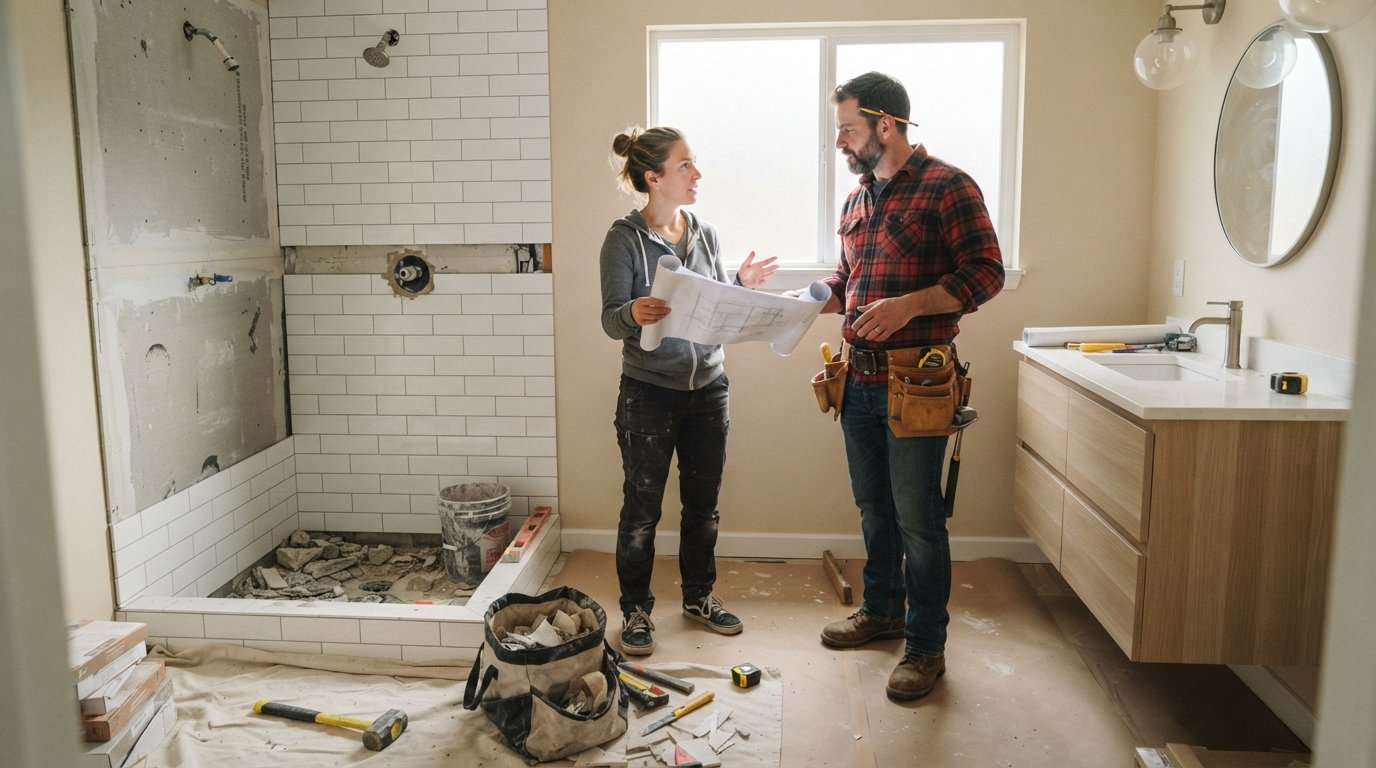
Bathroom Renovation Costs and ROI: A Homeowner Guide
Plan a successful bathroom renovation with cost breakdowns, contractor tips, and design ideas that boost home value and daily comfort.
By Adnan Nazir
Learn more about Bathroom Remodel for guides, costs, and what to expect.
Compare Bathroom Remodel Pros Near You

Enter your ZIP code to compare top-rated local professionals and request free quotes.
When you start thinking about a bathroom renovation, the excitement of a fresh, modern space often collides with the reality of budgets, timelines, and contractor choices. It is one of the most personal rooms in your home, yet it also carries significant weight when it comes to property value. Whether you are fixing a dated layout, dealing with water damage, or simply craving a spa-like retreat, the decisions you make in the coming weeks will affect your daily comfort and your home's resale potential for years. This guide walks you through the essential planning steps, cost considerations, and contractor selection strategies so you can approach your project with confidence and avoid the common pitfalls that turn renovations into nightmares.
Why a Bathroom Renovation Is Worth the Investment
Bathrooms are among the most used rooms in any home, which means they also show wear and tear faster than many other spaces. A well-executed renovation can restore functionality, improve energy efficiency, and dramatically enhance the aesthetics of your home. But beyond the obvious daily benefits, there is a strong financial argument for updating this space. Real estate experts consistently rank bathroom upgrades among the top projects for return on investment (ROI), often recouping 60% to 70% of the project cost when you sell your home.
The key to maximizing that return lies in smart choices. You do not need to install gold fixtures or imported marble to see a solid payback. In fact, mid-range renovations that focus on quality fixtures, efficient plumbing, and timeless design tend to perform best in the resale market. Buyers are looking for clean, functional, and move-in-ready spaces, and a refreshed bathroom signals that the home has been cared for. Additionally, a renovation gives you the chance to address hidden issues like mold, outdated electrical wiring, or subpar ventilation, which can prevent costly problems down the road.
Before you dive into tile samples and vanity options, take a step back and define your primary goal. Are you renovating for your own enjoyment, preparing to sell, or addressing urgent repairs? Your answer will influence every decision, from the scope of work to the budget you allocate. For instance, a homeowner planning to stay for the next decade might prioritize a luxurious soaking tub, while someone prepping for a sale should focus on neutral finishes and durability. Clarifying your objective early will keep the project on track and prevent you from overspending on features that do not align with your long-term plans.
Planning Your Bathroom Renovation Budget
One of the most frequent mistakes homeowners make is underestimating the true cost of a bathroom renovation. It is not just about the visible materials like tiles and fixtures; you also need to account for labor, permits, demolition, disposal, and unexpected structural surprises. A realistic budget should include a contingency fund of 10% to 20% of the total project cost to cover unforeseen issues such as water damage behind walls or outdated plumbing that needs replacement. Without this buffer, you risk running out of money mid-project, which can lead to delays and compromises.
On average, a mid-range bathroom remodel in the United States costs between $10,000 and $25,000, depending on the size of the room, the quality of materials, and your geographic location. High-end renovations can easily exceed $30,000, especially if you are expanding the footprint or using premium materials. To get a more precise estimate for your specific project, it is wise to request quotes from multiple contractors. This not only gives you a clearer picture of the market rate but also helps you compare the scope of work each professional includes in their bid.
When reviewing estimates, pay close attention to what is included and what is not. Some contractors provide a comprehensive quote that covers everything from demolition to final cleanup, while others offer a base price with allowances for fixtures and finishes. Ask for a detailed breakdown of labor, materials, and any subcontractor costs. This transparency will help you avoid surprise bills later. Additionally, consider whether you will need a permit for the work. Most jurisdictions require permits for plumbing or electrical changes, and failing to obtain them can result in fines and issues when you sell your home.
Cost Breakdown: Where Your Money Goes
Understanding where your renovation dollars are likely to go can help you prioritize spending and identify areas where you can save. Here is a typical cost breakdown for a mid-range bathroom remodel:
- Labor: 40% to 50% of the total budget, covering demolition, plumbing, electrical, tiling, and installation.
- Materials: 20% to 30% for tiles, fixtures, vanity, countertop, and paint.
- Plumbing and electrical: 10% to 15% for moving or upgrading pipes, drains, and wiring.
- Permits and inspections: 5% to 10% depending on local requirements.
- Contingency fund: 10% to 20% for unexpected issues.
While it may be tempting to cut corners on labor to save money, this is rarely a wise move. Skilled tradespeople ensure that your renovation is safe, code-compliant, and built to last. Poor workmanship can lead to leaks, electrical hazards, and costly repairs down the line. Instead, look for savings in material choices. For example, porcelain tile can mimic the look of natural stone at a fraction of the cost, and stock cabinets are significantly cheaper than custom options. Prioritize spending on items that are hard to change later, such as plumbing rough-ins and waterproofing, and save on décor elements that you can easily swap out in the future.
Key Decisions Before You Hire a Contractor
Once you have a clear budget and scope, the next critical step is selecting the right contractor. This decision can make or break your renovation experience. Start by asking for recommendations from friends, family, and neighbors who have recently completed similar projects. Online reviews and ratings on platforms like Homes.Contractors can also provide valuable insights into a contractor's reliability, quality of work, and professionalism. When you have a shortlist of candidates, verify that each one is licensed, insured, and bonded. A legitimate contractor should have no problem providing proof of insurance and a valid license for your state.
Interviewing candidates is more than just comparing prices. Ask about their experience with bathroom renovations specifically, and request references from recent projects. Follow up with those references to ask about their overall satisfaction, adherence to timelines, and how the contractor handled any issues that arose. A reputable professional will be happy to share this information. Additionally, pay attention to how they communicate during the interview process. Are they responsive, clear, and willing to answer your questions? Good communication is essential for a smooth project, so choose someone who makes you feel confident and informed.
When you are ready to make a decision, obtain written quotes from at least three contractors. Each quote should include a detailed description of the work, materials, timeline, and payment schedule. Be wary of quotes that are significantly lower than the others, as this can indicate the use of subpar materials or a lack of experience. Similarly, be cautious of contractors who demand a large upfront payment. A typical payment schedule involves a deposit of 10% to 20% at the start, with subsequent payments tied to project milestones. Avoid paying the full amount until the work is complete and you have done a final walkthrough.
Designing a Functional and Stylish Bathroom
With the practical side of planning under control, you can turn your attention to the fun part: design. A successful bathroom renovation balances aesthetics with function, creating a space that is both beautiful and practical for daily use. Start by considering the layout. If you are keeping the existing footprint, think about how you can improve the flow. Can a new vanity provide more counter space? Would a walk-in shower be more accessible than a tub? These decisions should be based on how you and your family use the bathroom, not just on current trends.
Storage is another crucial element that is often overlooked. Cluttered countertops and overflowing cabinets can make even the most beautiful bathroom feel chaotic. Incorporate storage solutions that suit your needs, such as a vanity with drawers, a mirrored medicine cabinet, or open shelving for towels. If you have the space, consider adding a linen closet or a tall cabinet for extra supplies. When it comes to finishes, choose materials that are durable, water-resistant, and easy to clean. Porcelain and ceramic tiles are excellent choices for floors and walls, while quartz and solid surface materials offer low-maintenance countertops. Avoid porous natural stone in high-moisture areas unless it is properly sealed and maintained.
Lighting is another area where you can make a significant impact. A combination of ambient, task, and accent lighting can transform the mood of the room. Install a bright overhead light for general illumination, add sconces on either side of the mirror for even task lighting, and consider a dimmer switch for relaxing baths. If your bathroom lacks natural light, a skylight or a larger window can make the space feel more open and airy, though this will add to the project cost. Finally, do not forget about ventilation. A high-quality exhaust fan is essential for preventing mold and mildew, so invest in a unit that is appropriately sized for your bathroom.
Navigating the Renovation Process: Step by Step
Understanding the typical sequence of a bathroom renovation can help you prepare for what to expect and reduce anxiety during the project. While every job is unique, most renovations follow a similar flow. The first step is demolition, where the old fixtures, tiles, and cabinets are removed. This can be messy and noisy, and it may take a few days depending on the size of the space. After demolition, the contractor will address any structural or plumbing issues that were hidden behind the walls. This is when that contingency fund becomes especially valuable if unexpected problems arise.
Next comes the rough-in work, which involves installing or relocating plumbing, electrical, and HVAC lines. This phase requires careful coordination between the contractor and any subcontractors, and it is typically inspected by your local building department before the walls are closed up. Once the inspections pass, the contractor will install insulation, drywall, and begin the prep work for tile and fixtures. This is often the longest phase of the project, so be prepared for a few weeks of construction dust and limited access to the bathroom.
The final stages include tile installation, painting, and mounting of the vanity, toilet, shower, and lighting fixtures. A final walkthrough with your contractor is essential to ensure that everything is installed correctly and that any cosmetic flaws are addressed. Before making the final payment, test all the fixtures, check for leaks, and verify that the tile grout is properly sealed. Once you are satisfied, you can enjoy your new bathroom, but keep in mind that some issues may only appear after a few days of use. A good contractor will offer a warranty on their workmanship, so do not hesitate to reach out if something does not seem right.
Working with Contractors: Communication and Oversight
Even with a well-written contract, the success of your renovation depends heavily on your relationship with the contractor. Clear, consistent communication is key. Before the project begins, establish a schedule for check-ins, whether that is a weekly meeting or a quick text update every few days. Decide who the main point of contact is for any questions or concerns. It is also wise to document any changes to the scope of work in writing, including adjustments to the budget or timeline. Verbal agreements can easily be forgotten, leading to misunderstandings later.
While you should trust your contractor's expertise, you also need to stay involved in the process. Regularly visit the site to see the progress and ask questions about any aspect of the work you do not understand. If you notice a problem, address it immediately rather than waiting until the end of the project. Most contractors are willing to make corrections if issues are caught early, but fixing mistakes after the fact can be costly and time-consuming. Keep a file with your contract, permits, receipts, and any correspondence, as this will be invaluable if a dispute arises.
Finally, remember that your contractor is a professional, not a mind reader. If you have specific preferences for the placement of fixtures or the style of finishes, communicate them clearly and provide visual references if possible. Likewise, be respectful of the contractor's time and expertise. Trust their recommendations on technical matters, and be open to suggestions that could save you money or improve the result. A collaborative relationship built on mutual respect will lead to a smoother process and a final product that you will love for years to come.
Financing Your Bathroom Renovation
Even with careful budgeting, you may need to explore financing options to fund your bathroom renovation. The good news is that there are several avenues available, each with its own advantages and drawbacks. A home equity loan or home equity line of credit (HELOC) allows you to borrow against the equity in your home, often at a lower interest rate than unsecured loans. However, these options require that you have sufficient equity and can handle the additional monthly payments. Another common approach is a cash-out refinance, where you replace your existing mortgage with a larger loan and pocket the difference, but this can be a complex process with significant closing costs.
For smaller projects, a personal loan or credit card with a promotional 0% APR period might be feasible. Personal loans typically have fixed interest rates and predictable monthly payments, making them a straightforward option. Credit cards can be useful for managing cash flow, but they carry high interest rates if you do not pay off the balance quickly. Before choosing any financing method, compare offers from multiple lenders and consider the total cost of borrowing, including fees and interest over the life of the loan.
If you do not want to take on debt, you might consider phasing your renovation. Prioritize the most critical updates, such as a new water heater or a leak-free shower, and tackle cosmetic changes later. This approach allows you to spread the cost over time while still making meaningful improvements. Whichever path you choose, make sure your financing is secured before you sign a contract with a contractor. This ensures that you can pay for the work as it progresses and avoids any last-minute scrambling for funds.
Common Pitfalls to Avoid in Bathroom Renovation
Even the most well-planned renovation can hit snags, but many common pitfalls are entirely avoidable with a little foresight. One of the biggest mistakes is choosing a contractor based solely on price. While it is natural to want to save money, the cheapest bid is not always the best value. A low bid may indicate inferior materials, rushed work, or a lack of proper insurance. Instead, focus on the overall value, which includes quality, reliability, and the contractor's track record. Similarly, avoid making significant design changes after the work has begun. This can lead to change orders, which are costly and can delay the project.
Another frequent issue is underestimating the amount of time the renovation will take. Contractors often provide a timeline, but unexpected issues can extend the project by days or even weeks. Build some flexibility into your schedule, and do not plan any major events that require a fully functional bathroom during the renovation period. If you are renovating the only bathroom in your home, you will need to make alternative arrangements for showers and toilet use, which is something to plan for in advance.
Finally, do not overlook the importance of ventilation and waterproofing. A bathroom that is not properly sealed can develop mold and mildew, leading to health issues and structural damage. Ensure that your contractor uses appropriate waterproofing membranes in the shower area and installs a high-quality exhaust fan. These are not areas to skimp on, as the cost of fixing moisture problems is far higher than the cost of doing it right the first time.
Making the Most of Your New Bathroom
After weeks of planning and construction, the day will finally come when your new bathroom is ready to use. Before you celebrate, take some time to do a thorough inspection. Check the caulking around the tub and shower, test the water pressure and temperature, and flush the toilet multiple times to ensure there are no leaks. Look for any gaps in the tile grout or uneven surfaces that could indicate a poor installation. If you spot any issues, bring them up with your contractor immediately, as most will be happy to fix minor problems under warranty.
Once you are satisfied with the work, think about how to maintain your new space to keep it looking its best. Wipe down surfaces regularly to prevent soap scum and hard water stains. Use a squeegee on the shower walls after each use, and wash bathmats and towels frequently to prevent mildew. Invest in good quality cleaning products that are safe for your specific finishes, and address any grout or caulk issues as soon as they appear. With proper care, your renovated bathroom can remain a beautiful and functional retreat for many years.
Your bathroom renovation is not just a financial investment; it is an investment in your daily well-being. A well-designed, functional bathroom can start your day on the right foot and help you unwind after a long day. By following the steps outlined in this guide, you can navigate the process with confidence, avoid common pitfalls, and create a space that meets your needs and enhances your home's value. Remember to take your time, communicate openly with your contractor, and enjoy the transformation as it unfolds.
Learn more about Bathroom Remodel for guides, costs, and what to expect.
Compare Bathroom Remodel Pros Near You
Enter your ZIP code to compare top-rated local professionals and request free quotes.