
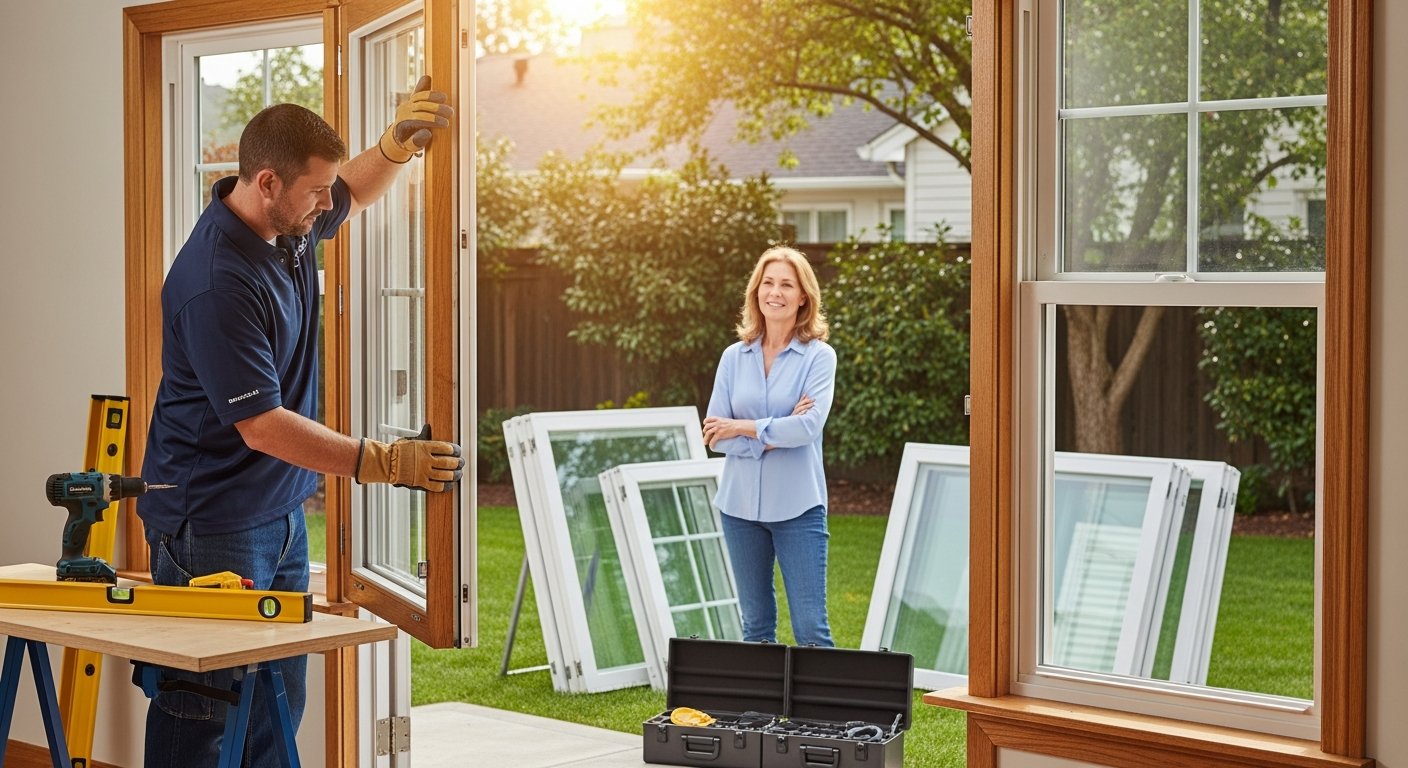
Window Installation: A Homeowner's Cost Guide
Learn the essentials of window installation, including costs, types, and how to choose a contractor for a successful, energy-efficient upgrade.
By Adnan Nazir
Learn more about Window Installation for guides, costs, and what to expect.
Compare Window Installation Pros Near You

Enter your ZIP code to compare top-rated local professionals and request free quotes.
New windows can transform your home's comfort, curb appeal, and energy efficiency, but the installation process can feel overwhelming. Whether you are replacing drafty single-pane units or upgrading to modern, energy-saving models, understanding the ins and outs of window installation is essential. This guide will walk you through everything from choosing the right materials to hiring a professional, ensuring your project stays on track and on budget.
Why Window Installation Matters
Proper window installation is not just about aesthetics; it directly impacts your home's structural integrity and energy performance. Poorly installed windows can lead to air leaks, water intrusion, and even mold growth, which can undermine the benefits of even the most expensive windows. A professional installation ensures that your windows are square, level, and properly sealed, providing a tight barrier against the elements.
Moreover, new windows can significantly reduce your heating and cooling costs. According to the U.S. Department of Energy, heat gain and loss through windows account for 25% to 30% of residential heating and cooling energy use. By choosing energy-efficient windows and having them installed correctly, you can improve your home's thermal comfort and reduce utility bills. This makes window installation a smart investment for both your wallet and your home's value.
Types of Windows and Installation Considerations
Before you start your window installation project, you need to select the right type of window for each room. The style you choose affects not only the look of your home but also the complexity of the installation. Here are some popular options:
- Double-Hung Windows: These classic windows have two sashes that slide vertically. They are versatile, easy to clean, and a common choice for many homes.
- Casement Windows: Hinged on the side, these windows crank outward for maximum ventilation and a clear view. They are excellent for hard-to-reach areas like above the kitchen sink.
- Sliding Windows: These windows feature sashes that slide horizontally. They are ideal for wide openings where a cranked window is impractical, and they offer a modern, sleek look.
- Awning Windows: Hinged at the top, these windows swing outward, allowing ventilation even during light rain. They are often used in basements or bathrooms for privacy and airflow.
- Picture Windows: Fixed and non-operable, these large windows are designed to frame a beautiful view and let in abundant natural light. They offer no ventilation but are highly energy-efficient.
The complexity of the installation varies with the window type. For example, a direct replacement of a double-hung window in an existing frame is simpler than installing a new picture window that requires a larger rough opening. Always consider the structural implications and the skill required for each type.
Full-Frame vs. Pocket Installation
Understanding the two main installation methods is crucial when discussing your project with contractors. Full-frame installation involves removing the entire old window, including the frame and trim, down to the rough opening. This method is necessary when there is significant rot, structural damage, or when you are changing the size of the window opening. It allows for a complete inspection of the surrounding wall and ensures a new, watertight seal.
In contrast, pocket installation (or insert replacement) fits a new window into the existing frame. This is less invasive, faster, and more affordable, making it a popular choice for homeowners with sound window frames. However, it is not suitable if the existing frame is damaged or if you want to change the window style entirely. A professional contractor can assess your situation and recommend the best method for your home.
How to Choose a Window Installation Contractor
Selecting the right contractor is the single most important factor in the success of your window installation. A skilled professional not only ensures quality workmanship but also helps you navigate the complexities of permits and local building codes. To find a reliable contractor, consider the following steps:
- Get Multiple Quotes: Obtain at least three detailed quotes from different contractors. Compare the scope of work, materials, and warranties, not just the bottom-line price.
- Check Credentials: Verify that the contractor is licensed, bonded, and insured. Ask for proof of insurance and check for any complaints with your local Better Business Bureau.
- Read Reviews and Ask for References: Look for online reviews and ask the contractor for references from recent window installation projects. Contact these references to ask about their experience.
- Ask About Warranties: Inquire about the warranty on both the windows themselves and the installation workmanship. A reputable contractor will stand behind their work.
Once you have gathered quotes, take the time to compare them carefully. A significantly lower quote might indicate lower-quality materials or shortcuts in labor. Conversely, the most expensive quote is not always the best. Look for a contractor who offers a fair price, clear communication, and a comprehensive warranty. Remember, the cheapest option can often end up costing more in the long run due to repairs or energy loss.
Understanding the Costs of Window Installation
The cost of window installation varies widely based on several factors, including the number of windows, the type of window, the installation method, and your geographic location. On average, homeowners can expect to pay between $500 and $1,500 per window for a full-frame replacement, including labor and materials. Pocket installations are typically less expensive, ranging from $300 to $800 per window.
Here are the key cost components to consider:
- Window Materials: Vinyl windows are generally the most affordable, while wood, fiberglass, and aluminum are more expensive. Each material has different durability and maintenance requirements.
- Labor Costs: Professional installation labor typically accounts for 50% to 60% of the total project cost. This includes removing old windows, preparing the opening, and installing the new unit.
- Additional Materials: You may need to pay for new trim, flashing, insulation, and caulking, which can add to the overall cost.
- Permits and Disposal: Some municipalities require a permit for window replacement, and you may be charged for the disposal of old windows and debris.
To get an accurate picture of your project's cost, it is best to request a detailed quote from a professional contractor. Homes.Contractors can connect you with pre-vetted window installation experts in your area. By requesting multiple quotes through their platform, you can compare pricing and services to find the best fit for your budget.
Energy Efficiency and Rebates
Investing in energy-efficient windows can yield significant long-term savings. Look for windows with the ENERGY STAR label, which meet strict energy performance guidelines set by the U.S. Environmental Protection Agency. These windows use advanced technologies like low-emissivity (Low-E) glass and inert gas fills to minimize heat transfer.
Many utility companies and state programs offer rebates or incentives for installing energy-efficient windows. Before your project begins, check with your local utility provider and search for federal tax credits. These incentives can help offset the initial cost of your window installation, making it a more affordable upgrade. Your contractor may also be familiar with available rebates in your area, so do not hesitate to ask.
Steps in a Professional Window Installation Process
Understanding what to expect during the installation process can help you prepare your home and ensure everything runs smoothly. While the exact steps will vary depending on the contractor and the type of installation, a typical full-frame window installation includes the following:
- Preparation: The contractor will protect your floors and furniture, and remove the old window and any damaged framing.
- Framing and Insulation: The rough opening is checked for squareness and level. The contractor will then install new framing if necessary and add insulation around the opening.
- Window Placement: The new window is set into the opening, shimmed to ensure it is level and plumb, and then secured with screws.
- Sealing and Flashing: The contractor will apply a waterproof barrier (flashing) and sealant around the exterior of the window to prevent water intrusion.
- Finishing: Finally, the interior and exterior trim is installed, and the window is caulked and painted or finished to match your home's decor.
A professional crew will typically complete a standard window installation in a day, depending on the number of windows and the complexity of the job. After the installation, the contractor should walk you through the new windows, explain how to operate them, and review the warranty information. It is also wise to inspect the work and ensure that all locks, handles, and seals are functioning correctly.
DIY vs. Professional Installation
Some homeowners consider a DIY window installation to save money. While this can be a rewarding project for a skilled handyman, it comes with significant risks. Improper installation can void the window manufacturer's warranty, lead to air and water leaks, and even cause structural damage to your home. Moreover, you may not have the specialized tools or experience required to handle unexpected issues like rot or uneven framing.
Hiring a professional contractor ensures that the job is done correctly, safely, and up to code. They have the expertise to handle any complications and guarantee their workmanship. To find trusted professionals, use a directory like Homes.Contractors, which connects you with pre-screened contractors in your area. You can request multiple quotes and compare their credentials, making it easier to choose a qualified expert.
Final Thoughts on Your Window Installation
Window installation is a significant investment that can enhance your home's comfort, appearance, and value. By understanding the types of windows, installation methods, and costs involved, you are better prepared to make informed decisions. The key to a successful project lies in choosing the right contractor, prioritizing quality materials, and following through with proper maintenance.
When you are ready to start your window installation project, take the first step by requesting quotes from local, pre-vetted contractors through Homes.Contractors. With multiple quotes in hand, you can compare options, ask the right questions, and select a professional who meets your needs and budget. Your new windows are not just an upgrade; they are a long-term investment in your home's future.
Learn more about Window Installation for guides, costs, and what to expect.
Compare Window Installation Pros Near You
Enter your ZIP code to compare top-rated local professionals and request free quotes.