When to Hire a General Contractor: A Homeowner’s Guide to Smart Decisions
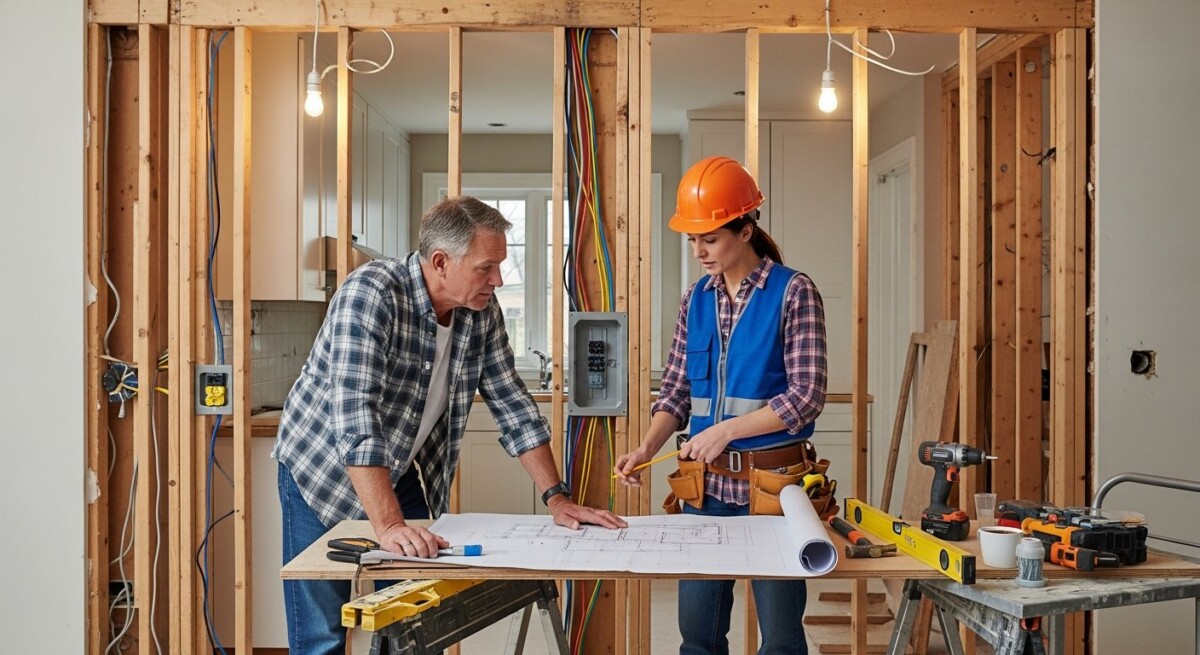
You finally decided to tackle that long-overdue kitchen update or finish the basement. You’ve watched a few DIY videos, picked out tile samples, and even started jotting down a budget. But then reality hits: the project involves moving a load-bearing wall, rerouting plumbing, and coordinating an electrician, a drywaller, and a flooring installer. Suddenly, your weekend project looks like a three-month headache. This is the exact moment when most homeowners wonder, “Do I need to hire a general contractor?” If this sounds familiar, you’re not alone,and the answer could save you time, money, and a lot of stress.
Understanding When to Hire a General Contractor
A general contractor (GC) is the person who manages your entire renovation or repair project from start to finish. They hire subcontractors, pull permits, schedule inspections, and keep the work on budget and on time. The decision to hire a GC comes down to the scope, complexity, and risk of your project.
You should consider hiring a general contractor when your project requires more than two trades (e.g., plumbing, electrical, and carpentry), involves structural changes, or needs permits from your local building department. Homes built before 1980 often have hidden issues like outdated wiring or asbestos, which a professional can handle safely.
What Exactly Does a General Contractor Do?
A GC acts as your single point of contact. They handle the logistics, solve problems on the fly, and ensure the work meets building codes. Instead of you chasing down a plumber who didn’t show up, the GC manages that. For projects like whole-home remodels, room additions, or major repairs after water damage, a GC is not a luxury,it’s a necessity.
Why This Matters for Your Home
Ignoring the need for a general contractor can lead to serious consequences. Without proper coordination, you risk delays, shoddy workmanship, and even safety hazards. A poorly managed project can also decrease your home’s value rather than increase it.
For example, a homeowner who tries to act as their own GC might save on the 10,20% markup a contractor charges, but they often lose that savings in mistakes, rework, and missed deadlines. The real cost of going it alone can be thousands more than hiring a pro upfront.
Safety is another major concern. If an unlicensed subcontractor gets injured on your property, you could be liable. A licensed general contractor carries insurance that protects you and your home. Your peace of mind is worth the investment.
If you notice signs of this issue in your home, it may help to speak with a qualified contractor. Request a free quote or call to explore your repair or remodeling options.
Common Problems Homeowners Experience
Many homeowners jump into a project without understanding the hidden challenges. They underestimate the time it takes to coordinate trades, order materials, and handle unexpected problems like mold behind a wall or an outdated electrical panel.
Another common problem is scope creep,starting with a small bathroom update and ending up gutting the entire room because you discovered rot. Without a GC to manage the budget and timeline, these surprises can derail your finances and your family’s daily life.
Here are typical issues that signal you may need a GC:
- Multiple trades required , plumbing, electrical, drywall, flooring, and painting all need to be scheduled in the right order.
- Permits and inspections , your local city or county requires permits for structural, electrical, or plumbing work.
- Structural changes , removing or adding walls, expanding rooms, or changing the roofline.
- Budget exceeds $10,000 , larger projects have more risk and complexity.
- You live out of town , a GC can oversee the project and send you updates.
- Lack of time , you don’t have 10,20 hours per week to manage contractors and suppliers.
How Professionals Solve the Problem
Experienced general contractors have established relationships with reliable subcontractors. They know who does quality work, who shows up on time, and who stays within budget. This network alone can save you weeks of research and vetting.
Professionals also handle the paperwork. They pull the required permits, schedule inspections, and ensure the work passes code. If something goes wrong, they fix it,at no extra cost to you. That’s a level of accountability you simply can’t get when you hire individual tradespeople yourself.
Here’s how a typical project flows with a GC:
- Initial consultation , you discuss your goals, budget, and timeline.
- Detailed estimate , they provide a written scope of work with material and labor costs.
- Permitting , they submit plans and obtain necessary permits.
- Schedule management , they coordinate subcontractors, material deliveries, and inspections.
- Quality control , they inspect each phase and address issues immediately.
- Final walkthrough , you approve the finished work, and they handle any punch-list items.
A professional inspection can reveal hidden issues before they become expensive repairs. Compare contractor quotes here or call to discuss your project.
Warning Signs You Should Not Ignore
Certain red flags should prompt you to call a general contractor immediately. Ignoring them can turn a small repair into a major renovation. For instance, a water stain on your ceiling might indicate a slow leak that has already damaged the roof decking and insulation.
Similarly, if you notice cracks in your foundation walls or doors that stick, these could signal structural movement that requires professional assessment. A GC will bring in the right specialist,like a structural engineer,to diagnose the problem correctly.
Watch for these warning signs:
- Cracks in walls or ceilings , especially if they are widening or accompanied by sagging.
- Water damage or mold , persistent stains, musty odors, or peeling paint.
- Outdated electrical system , flickering lights, warm outlets, or frequent breaker trips.
- Sagging floors or roof , indicates possible structural failure.
- High energy bills , may mean poor insulation, drafty windows, or HVAC duct issues.
- Permit required , if your project needs a permit, you likely need a GC to pull it.
What Affects the Cost of Repairs or Installation
The cost of hiring a general contractor varies widely based on your project’s size, location, and complexity. In general, you can expect to pay a GC 10,20% of the total project cost as their fee for management and overhead.
Other factors that influence price include material quality (custom cabinets vs. stock), accessibility (a second-floor bathroom vs. a basement), and the age of your home (older homes often require more remediation work). Labor rates also differ by region,urban areas typically cost more than rural ones.
Getting multiple quotes is the best way to understand the market rate for your specific project. Don’t automatically choose the lowest bid; instead, compare the scope of work, timeline, and warranty offered.
Costs can vary depending on the condition of your home. The best way to know the price is to get a personalized estimate. Request free quotes from contractors or call today.
How to Choose the Right Contractor
Selecting the right general contractor can feel overwhelming, but a few practical steps will help you find someone you can trust. Start by asking friends, neighbors, or your local hardware store for recommendations. Then verify each candidate’s credentials.
Always check that the contractor is licensed, insured, and bonded. A license shows they meet state requirements, and insurance protects you if something goes wrong. Also, look up their Better Business Bureau rating and read online reviews on Google or Yelp.
Here’s a quick checklist for vetting a contractor:
- Verify license and insurance , ask for proof and call their insurance provider to confirm coverage.
- Read customer reviews , look for recent, detailed reviews from homeowners with similar projects.
- Ask for references , call past clients and ask about communication, timeliness, and budget adherence.
- Get detailed written estimates , compare scope of work, materials, payment schedule, and warranty.
- Confirm experience , ensure they have done projects like yours before (e.g., historic homes, kitchen remodels).
For more guidance on this process, check out our article on finding a trusted general contractor in Charlotte NC or read our comparison of general contractor vs specialist to see which is right for your project.
Long-Term Benefits of Professional Work
Hiring a general contractor isn’t just about getting the job done,it’s about getting it done right. Professional work lasts longer, performs better, and adds more value to your home. A well-executed renovation can increase your property’s resale value by 60,80% of the project cost.
Energy efficiency is another hidden benefit. A GC can recommend modern insulation, efficient windows, and HVAC upgrades that lower your utility bills month after month. Plus, professional installations often come with warranties that protect you if something fails.
Finally, you gain peace of mind. Knowing that a licensed, insured professional is managing the project lets you focus on your family and your life,not on chasing subcontractors or worrying about building codes. That’s a benefit you can’t put a price on.
How soon should I hire a general contractor for a renovation?
You should hire a general contractor as early as possible,ideally before you buy materials or tear down walls. A GC can help you finalize your design, create a realistic budget, and avoid costly mistakes from the start.
Can I be my own general contractor to save money?
Yes, some experienced homeowners act as their own GC, but it requires significant time, knowledge, and risk tolerance. If you make a mistake, it can cost more than the GC’s fee. For most people, hiring a pro is safer and less stressful.
What should I look for in a general contractor estimate?
A good estimate includes a detailed scope of work, material specifications, labor costs, payment schedule, and timeline. Avoid vague estimates that don’t break down costs,they often lead to surprise charges later.
How do I know if a contractor is licensed and insured?
Ask for their license number and insurance certificate. You can usually verify the license on your state’s contractor licensing board website. Call the insurance company to confirm their policy is active and covers liability and worker’s comp.
What is the typical timeline for a kitchen remodel with a GC?
A full kitchen remodel usually takes 6,12 weeks, depending on the scope. A GC will give you a realistic timeline based on material availability, subcontractor schedules, and permit approvals.
Do I need a general contractor for a bathroom remodel?
If your bathroom remodel involves moving plumbing, adding electrical outlets, or tiling a shower, it’s wise to hire a GC. For simple cosmetic updates like painting and new fixtures, you may not need one.
How many quotes should I get before hiring a contractor?
Aim for at least three detailed quotes from different contractors. This helps you compare pricing, scope, and professionalism. Don’t automatically choose the cheapest,look for the best value and clear communication.
What happens if my project goes over budget?
A good GC will communicate potential overruns early and get your approval before spending extra. They also build a contingency (usually 10,15%) into the budget to cover unexpected issues like hidden water damage.
Deciding when to hire a general contractor doesn’t have to be confusing. If your project involves multiple trades, permits, or structural work, a professional GC is your best ally. Acting early,before problems escalate,saves you money, protects your home, and delivers results you’ll enjoy for years. For a complete overview, read our guide on when to hire a general contractor for your renovation. Start by comparing contractor quotes to find the right fit for your home and your budget.