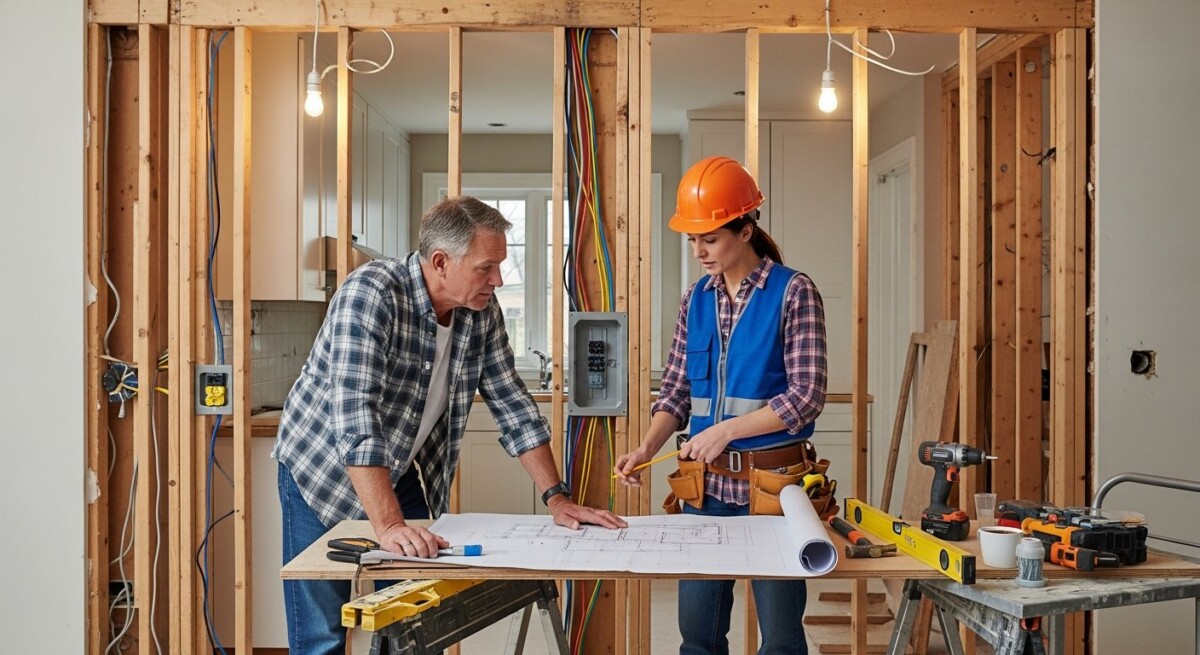
Contractor Bid vs Estimate Explained: A Homeowner’s Guide

You’ve got a leaky roof, a cracked foundation, or a kitchen that’s straight out of 1985. You call three contractors. One sends a scribbled note on a napkin. Another hands you a three-page document full of numbers. The third says, “I’ll give you a ballpark figure.” Suddenly you’re drowning in confusion: Is this a bid or an estimate? Which one actually tells you what you’ll pay? And why does it matter for your home?
This is exactly the moment when contractor bid vs estimate explained becomes more than a dictionary lesson,it’s a financial and safety decision. A bid is a fixed price; an estimate is a best guess. Mix them up, and you could end up approving work that doubles in cost halfway through. Ignore the difference entirely, and you might choose a contractor based on the wrong number, leading to subpar repairs or unfinished projects.
For homeowners, understanding this distinction isn’t just about budgeting,it’s about protecting your property. Let’s break it down in plain English so you can move forward with confidence.
Understanding Contractor Bid vs Estimate Explained
In simple terms, a contractor bid is a fixed, legally binding offer to complete a specific scope of work for a set price. Once you accept a bid, the contractor is obligated to finish the job at that price,unless you change the scope of work (which triggers a change order). An estimate, on the other hand, is a rough calculation of what the project might cost. It’s not binding, and the final bill can go up (or occasionally down) based on real-world conditions.
Why do contractors offer both? Because projects vary. For a small, predictable repair like swapping a faucet, a simple estimate might be fine. For a whole-house remodel or a new roof, you need a detailed bid to lock in costs. Homes most affected by this confusion are older houses with hidden issues (like outdated wiring or rot) and large-scale renovations where surprises are common.
Why This Matters for Your Home
Choosing a contractor based on an estimate instead of a bid is one of the fastest ways to blow your renovation budget. Imagine approving a $5,000 estimate for bathroom tile work, only to discover halfway through that the subfloor needs replacing,and now the contractor charges you an extra $2,000. With a bid, that risk is on the contractor. With an estimate, it’s on you.
Beyond money, there’s safety. A low estimate might mean the contractor planned to cut corners on materials or labor. A detailed bid forces them to itemize everything, from permits to safety equipment. This transparency protects your home’s structure and your family’s well-being.
Delaying a project because you’re stuck on the bid-versus-estimate confusion often leads to larger problems. A small roof leak ignored while you compare numbers can cause mold, rot, and structural damage that costs thousands more to fix. Understanding the difference lets you act decisively and hire the right pro from the start.
If you notice signs of this issue in your home, it may help to speak with a qualified contractor. Request a free quote or call 1-800-555-0199 to explore your repair or remodeling options.
Common Problems Homeowners Experience
Homeowners often run into trouble when they treat an estimate like a bid. You might receive a verbal “about $3,000” over the phone, then get a final invoice for $4,500. Or a contractor provides a vague estimate that doesn’t include materials, dump fees, or permit costs,leaving you to cover those extras.
Another frequent issue is “bait and switch” pricing. A contractor gives you an unrealistically low estimate to win the job, then pressures you into expensive upgrades once work begins. Without a detailed bid, you have no legal recourse to hold them to the original price.
Common problems include:
- Receiving a verbal estimate instead of a written bid
- Hidden fees for disposal, permits, or unexpected repairs
- Project delays caused by scope creep (adding work without a new bid)
- Confusion over whether the price includes materials, labor, and cleanup
- Using an estimate to compare contractors when bids give the real picture
- Signing a contract that references an estimate, not a bid
How Professionals Solve the Problem
Experienced contractors solve the bid-vs-estimate confusion by being transparent from the start. They conduct a thorough site inspection before giving any number, noting every detail from wall thickness to plumbing access. Then they produce a written bid that itemizes labor, materials, permits, cleanup, and a timeline. This document becomes the contract’s backbone.
Here’s how a professional typically handles a project:
- On-site assessment , They inspect the work area, take measurements, and identify potential complications.
- Detailed bid creation , They break down costs by category (materials, labor, permits, disposal) with no hidden fees.
- Scope clarity , They specify exactly what’s included (and what’s not) so you know if extras like new drywall or paint are separate.
- Written acceptance , You sign the bid, making it a binding contract. Any changes later require a written change order with adjusted pricing.
Professional work is safer because it follows building codes and uses proper materials. DIY fixes often miss underlying problems,like a leak that’s traveled behind a wall,leading to bigger repairs later. A contractor’s bid protects you financially and structurally.
A professional inspection can reveal hidden issues before they become expensive repairs. Compare contractor quotes here or call 1-800-555-0199 to discuss your project.
Warning Signs You Should Not Ignore
Your home gives you clues when you’re dealing with bid-vs-estimate trouble. The biggest red flag is a contractor who refuses to put a price in writing. If they say, “Don’t worry, I’ll take care of you,” but won’t give a detailed bid, walk away. Another sign is a price that seems too good to be true,it usually is, and you’ll pay for it later in change orders.
Watch for contractors who pressure you to sign immediately or who dodge questions about permits. A professional bid always includes permit costs because legal work protects your home’s value and insurability.
Warning signs to look for:
- Contractor gives only a verbal price or a vague “ballpark” figure
- Bid lacks line items for materials, labor, and permits
- Price is significantly lower than other quotes (20% or more)
- Contractor asks for a large deposit before providing a written bid
- Terms like “estimate” and “bid” are used interchangeably in the contract
- No mention of change order procedures for unexpected work
What Affects the Cost of Repairs or Installation
Several factors influence whether a contractor gives you an estimate or a bid,and how much that number ends up being. The size of the project is the biggest driver: a small repair like patching drywall might get a quick estimate, while a full basement finish requires a detailed bid. Materials also matter,custom tile costs more than stock laminate, and that difference shows up in the bid.
Labor requirements vary by trade and location. A plumber’s hourly rate differs from a carpenter’s, and rates are higher in urban areas. Accessibility affects labor too: a roof with steep slopes or a crawlspace with low clearance takes longer to work in, increasing the bid. Finally, the age of your home can hide surprises,older houses often have outdated wiring, asbestos, or lead paint that must be handled professionally, adding cost to the bid.
Costs can vary depending on the condition of your home. The best way to know the price is to get a personalized estimate. Request free quotes from contractors or call 1-800-555-0199 today.
How to Choose the Right Contractor
Selecting a contractor isn’t just about the lowest price,it’s about who gives you the clearest, most honest bid. Start by asking each candidate to provide a written bid (not just an estimate) for the exact same scope of work. This lets you compare apples to apples. Then verify their credentials.
Here are practical tips for choosing wisely:
- Check licenses and insurance , Confirm they’re licensed in your state and carry liability and workers’ comp insurance.
- Read customer reviews , Look for patterns in reviews, especially about staying on budget and communicating clearly.
- Ask for detailed bids , A good bid includes material brands, labor hours, permit fees, and cleanup costs.
- Compare multiple quotes , Get at least three bids to understand the market range for your project.
- Confirm experience , Ask how many similar projects they’ve completed and request references.
Long-Term Benefits of Professional Work
Hiring a contractor who provides a clear bid pays off for years. Your home is safer because work meets code and uses quality materials. Repairs last longer,a professional roof fix, for example, can add 15,20 years to your roof’s life, while a patch job might fail in two. Energy efficiency improves when windows, insulation, or HVAC are installed correctly, lowering your utility bills.
Professional work also boosts your home’s resale value. A kitchen remodel with permits and a documented bid shows buyers that the work was done right, making your home easier to sell at a higher price. And because the job was done properly the first time, you avoid repeat repairs and the hassle of calling contractors back.
Ultimately, understanding contractor bid vs estimate explained gives you power,the power to budget accurately, choose the right pro, and protect your biggest investment. Don’t let confusion cost you thousands. Get clear bids, compare them, and move forward with confidence.
What is the difference between a contractor bid and an estimate?
A bid is a fixed, binding price for a defined scope of work. An estimate is a non-binding rough calculation of potential costs. Bids protect you from price increases; estimates leave room for change orders.
Can a contractor change the price after giving an estimate?
Yes, unless the estimate is clearly stated as a bid. Most estimates include a note that final pricing may vary based on actual conditions found during work.
Should I get a bid or an estimate for my home renovation?
Always get a written bid for any project over $1,000 or that involves structural work. For minor repairs under $500, an estimate may suffice, but ask for it in writing.
Why do contractors give estimates instead of bids?
Contractors give estimates when they can’t fully inspect the scope of work,for example, if the project has hidden elements like wall rot or old wiring. An estimate protects them from absorbing unexpected costs.
How do I compare contractor bids fairly?
Ensure each bid covers the exact same scope of work, materials, and timeline. Compare line items like labor rates, material brands, permit fees, and cleanup costs, not just the total price.
What is a change order in contracting?
A change order is a written amendment to the original bid that adjusts the price and timeline when the scope of work changes. Always get a change order before extra work begins.
Is a verbal agreement for a contractor bid legally binding?
In most states, verbal agreements for work over $500 are not enforceable. Always get a written, signed bid to protect yourself legally.
How many contractor quotes should I get for a major project?
Get at least three detailed bids from licensed, insured contractors. This helps you understand the fair market price and avoid overpaying or falling for a lowball estimate.
Understanding the difference between a contractor bid and an estimate is the first step toward a successful home project. Don’t let confusion stall your repairs or blow your budget. Compare multiple contractor quotes today to find the right pro for your home and get the job done right.