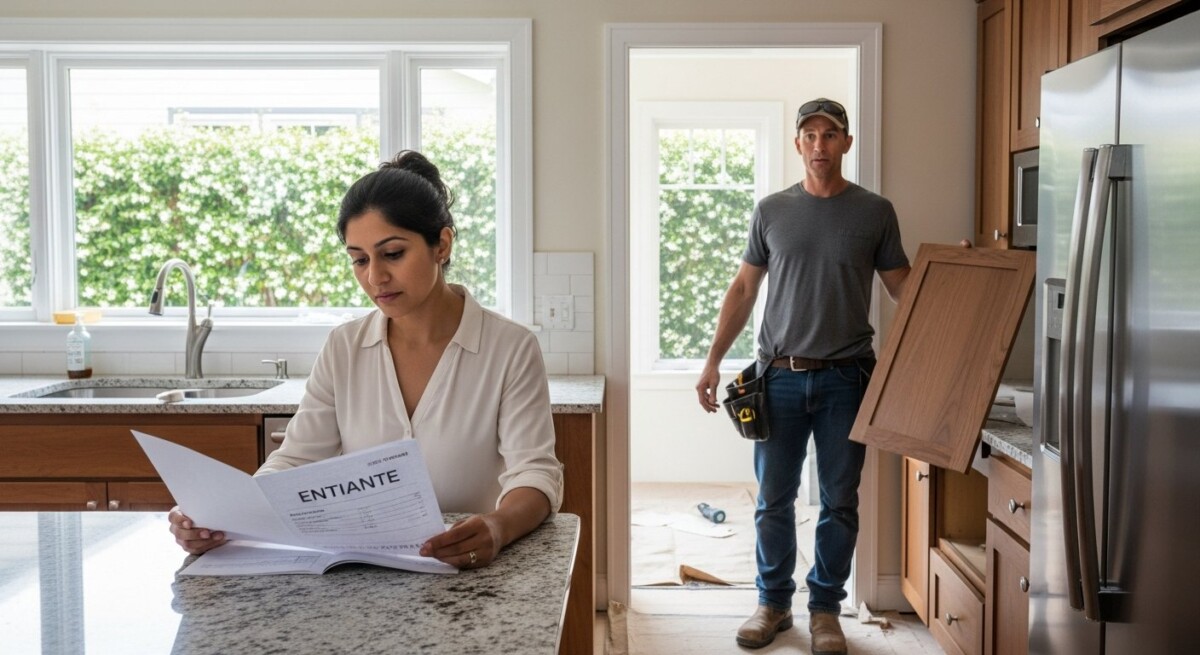
Understanding Your Floor Installation Contractor Estimate

You’ve finally decided to replace those worn-out carpets or that dated vinyl flooring. You’re excited, you’ve picked out beautiful new materials, and you start calling contractors. Then, the estimates start arriving. One is a single-page total, another is a detailed breakdown, and a third seems surprisingly low. Suddenly, what felt like a straightforward project feels confusing and a bit overwhelming. Understanding your floor installation contractor estimate isn’t just about the bottom line,it’s the blueprint for your project’s success, your budget’s health, and your long-term satisfaction. Ignoring the details or choosing based solely on price can lead to unexpected costs, subpar work, and headaches that last as long as your new floors.
Understanding Floor Installation Contractor Estimate
A floor installation contractor estimate is a detailed proposal that outlines the projected costs and scope of your flooring project. It’s more than just a price tag; it’s a communication tool between you and the professional. This document translates your vision into a concrete plan, specifying what will be done, with what materials, and for how much.
It happens because every home and project is unique. A contractor must assess your specific subfloor condition, room dimensions, material choices, and any unforeseen challenges. A thorough estimate protects both you and the contractor by setting clear expectations from the start. It prevents the all-too-common scenario of a project starting at one price and ballooning due to “surprises” that weren’t accounted for.
While all homes benefit from a clear estimate, older homes are often most affected by unclear quotes. Issues like uneven subfloors, asbestos-containing materials under old flooring, or structural settling can significantly impact the job’s complexity and cost. A detailed estimate will flag these potential areas for further inspection.
Why This Matters for Your Home
Your floors are one of the most used and visible components of your home. A poor installation doesn’t just look bad,it can compromise your home’s integrity, safety, and value. Gaps, buckling, or uneven surfaces aren’t just aesthetic flaws; they’re tripping hazards and can indicate deeper problems with the subfloor.
Furthermore, an inaccurate or vague estimate can derail your finances. You might budget for the number on the page, only to find out later that critical steps like floor leveling or old material disposal were excluded. This leads to stressful change orders and extra costs you didn’t plan for, turning an exciting upgrade into a financial strain.
Investing time in understanding the estimate upfront protects your investment. It ensures the job is done right the first time, with quality materials and skilled labor. Properly installed floors last longer, perform better, and directly contribute to your home’s market value and your daily comfort.
If you notice signs of this issue in your home, it may help to speak with a qualified contractor. Request a free quote or call to explore your repair or remodeling options.
Common Problems Homeowners Experience
Homeowners often face frustration when estimates are unclear or incomplete. The most common issue is the “apples to oranges” problem, where quotes from different contractors include vastly different services, making a true comparison impossible. One might include moving furniture and haul-away, while another quotes for installation labor only.
Another frequent problem is underestimating the prep work. The beautiful new flooring is only as good as what’s underneath it. Contractors might provide a low estimate by assuming the subfloor is perfect, only to discover during demolition that significant leveling or repair is needed, leading to a costly add-on.
- Vague Line Items: Descriptions like “labor and materials” without specifics on material brand, grade, or labor hours.
- Missing Prep Work: Exclusion of critical steps like subfloor inspection, leveling, moisture barriers, or underlayment.
- Hidden Fees: Unclear costs for disposal, permits, moving furniture, or unexpected delays.
- Overly Optimistic Timelines: Estimates that don’t account for material delivery delays or complex layout challenges.
- Unqualified Low Bids: A price significantly lower than others, often indicating inexperience, cutting corners, or planned change orders.
- Lack of Warranty Details: No clear statement on what is guaranteed, for how long, and what voids the warranty.
How Professionals Solve the Problem
A reputable flooring contractor solves these problems by providing a comprehensive, transparent estimate. They view the estimate as the foundation of a trusting client relationship. Their process is designed to eliminate guesswork and set the stage for a smooth project from demo to cleanup.
Professionals bring a systematic approach that DIY efforts or less-scrupulous operators often lack. They know where problems typically hide and build contingencies into their planning. Their expertise isn’t just in laying planks or tiles; it’s in project management, problem anticipation, and clear communication, all documented in the estimate.
- Site Inspection: They visit your home to measure accurately and assess subfloor conditions, door clearances, and room layout.
- Detailed Scope of Work: Every task is listed, from furniture moving and demolition to installation, trim work, and cleanup.
- Material Specifications: Exact product names, grades, colors, quantities, and underlayment are documented.
- Labor Breakdown: Clear allocation of hours or rates for different phases of the job.
- Timeline Projection: A realistic schedule from start to completion, including key milestones.
- Terms & Conditions: Payment schedule, warranty information, change order process, and cleanup standards.
A professional inspection can reveal hidden issues before they become expensive repairs. Compare contractor quotes here or call to discuss your project.
Warning Signs You Should Not Ignore
When reviewing an estimate, certain red flags should prompt you to ask more questions or seek another opinion. An estimate that seems too good to be true usually is. It often means critical steps are omitted, or the contractor plans to use the lowest-quality materials to meet that price point.
Pressure to sign immediately is another major warning sign. Reputable contractors give you time to review their proposal, ask questions, and compare contractor estimates comfortably. High-pressure tactics are designed to prevent you from doing your due diligence.
- The “One-Page Wonder”: An estimate that fits on a single page with almost no detail.
- Large Upfront Payment Demand: Requesting more than 10-30% as a deposit before any work begins.
- Reluctance to Put It in Writing: A verbal quote that changes or a contractor who avoids providing a detailed written estimate.
- No License or Insurance Information: The estimate doesn’t list the contractor’s license number or proof of liability and workers’ comp insurance.
- Vague References to “Industry Standard”: Using this phrase to avoid specifying exact materials or methods.
- Unwillingness to Address Your Questions: If they get defensive or dismissive when you ask for clarifications on the estimate.
What Affects the Cost of Repairs or Installation
Many factors influence the final number on your floor installation estimate. Understanding these variables helps you see why quotes differ and make informed choices that balance cost with quality. The single biggest factor is often the material itself, from budget-friendly laminate to premium hardwood or custom tile.
Labor complexity is a close second. A simple, square room is far less expensive to floor than a space with multiple angles, cabinets, closets, or stairs. The condition of your existing subfloor is the great unknown; until the old flooring is up, even the best contractor can only estimate the repair work needed.
Costs can vary depending on the condition of your home. The best way to know the price is to get a personalized estimate. Request free quotes from contractors or call today.
How to Choose the Right Contractor
Your choice of contractor is more important than your choice of flooring material. A great installer can make budget materials look fantastic, while a poor installer can ruin the most expensive hardwood. The estimate is your first real insight into how they operate.
Start by ensuring they are qualified. Then, use the estimate as a key selection tool. A contractor who provides a clear, thorough, and patient explanation of their quote demonstrates professionalism and respect for you as a client. This attitude typically carries through the entire project.
- Verify Licenses and Insurance: Confirm their state contractor’s license is active and that they carry general liability and workers’ compensation insurance.
- Read Reviews and Ask for References: Check online platforms and ask for past client contacts to ask about their experience, especially regarding how closely the final project matched the estimate.
- Request a Detailed, Written Estimate: Never proceed with a verbal agreement. As outlined in our resource on contractor estimates for homeowners, a written document is essential for clarity and protection.
- Compare Multiple Quotes: Get at least three detailed estimates. Compare the scope, materials, and timelines, not just the bottom-line price.
- Assess Communication: Choose a contractor who listens, answers questions clearly, and makes you feel confident and informed.
Long-Term Benefits of Professional Work
Investing in a professional installation based on a solid estimate pays dividends for years. The most immediate benefit is peace of mind. You know the job was done correctly, with the right materials and techniques, which means your floors will be safe, stable, and beautiful.
Professionally installed floors are far more durable. They resist warping, gapping, and premature wear because they were installed over a properly prepared subfloor. This durability translates directly into cost savings, as you won’t face expensive repairs or a premature replacement.
Finally, quality workmanship enhances your home’s value. When it comes time to sell, potential buyers and home inspectors can spot a shoddy flooring job. A flawless, professional installation is a strong selling point that can increase your home’s appeal and justify a higher asking price, giving you a full return on your thoughtful investment.
What should a floor installation estimate include?
A comprehensive estimate should include a detailed scope of work, exact material specifications (brand, style, grade), labor costs, a breakdown of all fees (disposal, permits), a projected timeline, payment schedule, and warranty information. It should leave no question about what is and isn’t included in the price.
How many estimates should I get for a flooring project?
It’s wise to get at least three detailed estimates from licensed, insured, and well-reviewed contractors. This gives you a good range for comparison on price, scope, and professionalism. It helps you identify outliers and choose the best value, not just the lowest price.
Why is there such a big price difference between estimates?
Large differences often mean the estimates are not comparing the same things. One may include subfloor prep and high-quality underlayment, while another does not. Differences in material quality, labor rates, and the contractor’s overhead (like insurance) also contribute. A detailed line-item comparison is crucial.
Is a lower estimate always a better deal?
Not usually. A significantly lower estimate is a major red flag. It often means the contractor is using inferior materials, plans to cut corners, has misunderstood the scope, or is inexperienced. The lowest bid can end up costing more in repairs and frustration down the line.
What questions should I ask a contractor about their estimate?
Ask for clarification on any vague line items. Specifically, ask if the price includes moving furniture, subfloor preparation and repair, disposal of old materials, trim and transition pieces, and a final cleanup. Also, ask how they handle unexpected issues discovered during demolition.
How do contractors calculate square footage for flooring?
Professionals measure the total area of the room and add a waste factor (typically 5-10% for simple layouts, 10-20% for complex patterns or tile). This accounts for cuts, pattern matching, and mistakes. Be wary of estimates that use the exact room square footage without a waste factor,it may lead to material shortages.
Can I negotiate a contractor’s estimate?
You can discuss the estimate, but negotiation should be respectful. Instead of just asking for a lower price, ask if there are areas to adjust the scope or material choices to meet your budget. A professional may offer alternative materials or suggest phasing the project. For larger projects, understanding the full financial picture is key, which is why understanding your home addition contractor estimate principles apply to major reflooring jobs as well.
What happens if the actual cost exceeds the estimate?
With a fixed-price contract based on a thorough estimate, the price should not change unless you request a change in the work (a “change order”). If unforeseen problems arise (like severe subfloor rot), a reputable contractor will discuss them with you immediately, provide a written change order for the additional work, and get your approval before proceeding.
Taking the time to understand your floor installation contractor estimate is one of the most important steps in your remodeling journey. It transforms a complex project into a manageable plan, protects your budget from surprises, and sets the stage for a result you’ll love for years. By choosing a professional who provides clarity and detail from the start, you invest not just in new floors, but in the long-term comfort, safety, and value of your home. Start your project with confidence by comparing detailed quotes from qualified local contractors.