
Summer Power Outage Safety Plan: Stay Cool and Safe
A summer power outage safety plan keeps your family cool and food safe. Build your kit, know when to evacuate, and protect your home.
By Chelsea Kris
Learn more about Generator Installation for guides, costs, and what to expect.
Compare Generator Installation Pros Near You

Enter your ZIP code to compare top-rated local professionals and request free quotes.
The heat is already oppressive when the lights flicker and die. Within minutes, the air conditioning stops, the refrigerator hums its last note, and your home begins to feel like an oven. Summer power outages are not just inconvenient; they are dangerous. A comprehensive safety plan turns a chaotic blackout into a manageable event. This guide walks you through building a surviving a summer power outage safety plan that protects your health, your home, and your budget, with practical steps you can take before, during, and after the grid goes down.
Why Summer Outages Are Different and More Dangerous
Summer storms, grid overload, and rolling blackouts create a trifecta of risk: extreme heat, food spoilage, and vulnerable populations. Unlike winter outages where you can layer up, summer outages trap you in rising temperatures. The CDC warns that heat-related illness can escalate quickly, especially for seniors, children, and those with chronic conditions. The first step in any safety plan is recognizing that this is a health emergency, not just a comfort issue.
Your strategy must address three core threats: heat stress, food and water safety, and structural risks like downed power lines or flooded basements. By planning ahead, you reduce panic and make clear decisions when the lights go out.
Pre-Outage Preparation: Build Your Plan Before the Storm
Waiting until the outage hits is too late. A solid surviving a summer power outage safety plan starts weeks in advance. Begin by assessing your household's specific needs. Do you have a family member who relies on powered medical equipment? Are you caring for pets that are sensitive to heat? These factors dictate your supplies and evacuation triggers.
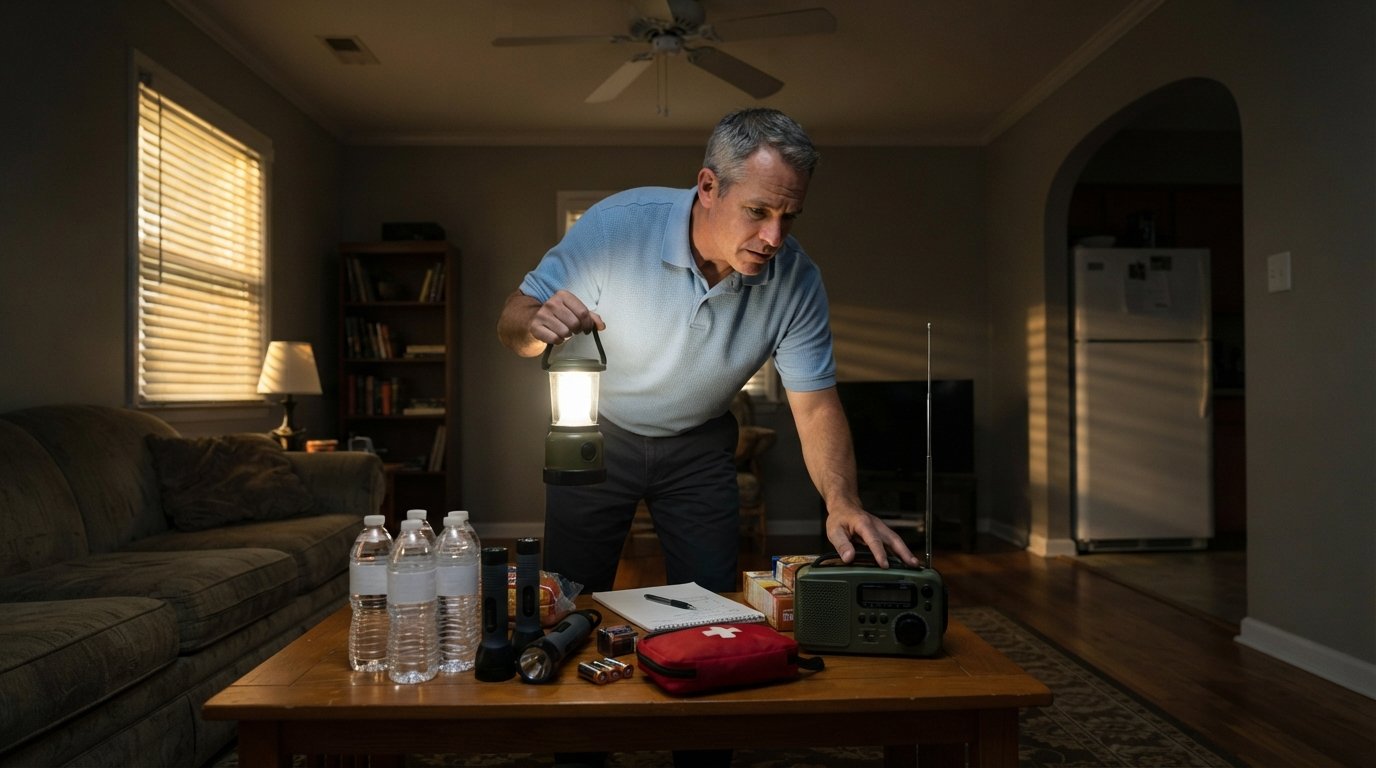
Create a power outage kit that stays in an easy-to-reach location. It should include:
- Battery-powered or hand-crank radio and flashlights
- Extra batteries in common sizes
- At least one gallon of water per person per day for three days
- Non-perishable food that requires no cooking
- Manual can opener
- First aid kit and prescription medications
- Cooling towels, electrolyte packets, and a battery-operated fan
Beyond supplies, consider a backup power solution. A portable generator can keep a refrigerator and a few fans running, but it must be used outdoors and away from windows to prevent carbon monoxide poisoning. If you are on the market for a whole-house standby generator or a portable unit, a licensed electrician can help you size it correctly. For homeowners planning larger upgrades like solar with battery storage, it is wise to get multiple contractor quotes to compare costs and warranties. A platform like FreeQuotes.Contractors allows you to request free quotes from pre-vetted local pros, ensuring you find the right expert for your backup power needs without overpaying.
Another key preparation step is to document your home's condition before any outage. Take photos of your electrical panel, appliances, and any expensive electronics. This documentation helps with insurance claims if a surge damages your property. Also, sign up for local emergency alerts and know the location of cooling centers in your area.
During an Outage: Immediate Actions to Stay Safe
When the power fails, your first priority is to confirm it is a true outage and not a tripped breaker. Check if your neighbors are also dark. If it is a widespread outage, unplug sensitive electronics like TVs, computers, and gaming consoles to protect them from a surge when power returns. Leave one light plugged in and turned on so you know when electricity is restored.
Next, focus on keeping your home as cool as possible. Close all blinds and curtains during the day to block radiant heat. Use battery-powered fans to circulate air, and if you have a basement, consider spending the hottest hours there. Avoid using your oven or stove, which adds heat and can be a fire risk if using a gas appliance without proper ventilation.
Food safety is critical. Keep refrigerator and freezer doors closed as much as possible. A full freezer will hold its temperature for about 48 hours (24 hours if half full). A refrigerator will keep food cold for about 4 hours. After that, you need to evaluate each item. The USDA advises discarding perishable food that has been above 40 degrees Fahrenheit for more than two hours. When in doubt, throw it out.
If the heat becomes unbearable, do not tough it out. Move to a cooling center, a friend's home, or a hotel. Heat exhaustion can escalate to heat stroke, a life-threatening condition. Watch for symptoms like heavy sweating, weakness, dizziness, nausea, and muscle cramps. If someone exhibits confusion, hot dry skin, or loses consciousness, call 911 immediately.
Managing Medical and Mobility Needs
For households with medical equipment, a power outage is a medical emergency waiting to happen. Before summer, speak with your healthcare provider about a plan for power-dependent devices. Many utility companies offer a medical baseline program that prioritizes restoration for vulnerable customers. Enroll in advance.
If you rely on refrigerated medications like insulin, have a cooler and ice packs ready. Monitor the temperature with a thermometer and follow the manufacturer's guidelines for storage. For mobility devices like electric wheelchairs, ensure they are fully charged before a storm and have a manual backup if possible.
Coordinate with neighbors who might need help. A simple check-in can save a life. If you are a caregiver, include your client's needs in your outage plan and practice evacuation routes.
After the Outage: Safe Restoration and Recovery
When power returns, do not rush to plug everything back in at once. Wait a few minutes to let the grid stabilize. Then, plug in appliances one by one, starting with the most essential. Check your refrigerator and freezer temperatures and discard any food that is unsafe. If your home flooded during a storm, do not enter until you are sure it is safe. Turn off the main breaker if you suspect water damage to electrical systems.
Inspect your home for damage. Look for downed power lines, which can still be live. Never touch them or anything they are touching. Report them to the utility company immediately. If you used a generator, let it cool down before refueling, and never store fuel indoors.
Finally, review your outage plan. What worked? What did you forget? Use each event as a chance to improve. For major repairs or upgrades, like replacing a damaged HVAC system or installing a transfer switch for your generator, getting multiple contractor quotes is the smartest way to ensure quality and fair pricing. Homes.Contractors offers a directory of pre-vetted professionals and educational resources to help you navigate those projects.
Building a Long-Term Resilience Strategy
Surviving a summer power outage safety plan is not just about one event; it is about building resilience for the future. As extreme weather becomes more common, investing in home upgrades that keep you safe is a wise decision. Consider these options:
- Solar panels with battery storage: Generate your own power and keep critical circuits running during outages.
- Whole-house surge protector: Protects your electronics from grid spikes when power returns.
- Energy-efficient windows and insulation: Keeps your home cooler longer during an outage.
- Smart home monitoring: Alerts you to temperature changes and power status when you are away.
These upgrades require a qualified contractor. Whether you need a roofer to install solar-ready shingles, an electrician to wire a generator, or an HVAC pro to service your AC, getting multiple quotes helps you compare costs and choose the best value. Always verify licenses and insurance before hiring, and ask for references.
Your safety plan should also include a communication strategy. Keep a list of emergency contacts, including your utility company, local emergency services, and out-of-town relatives. Designate a meeting place if you need to evacuate. Practice your plan with your family at least twice a year.
Summer power outages are unpredictable, but your response does not have to be. With a thorough safety plan, you can protect your loved ones, your home, and your peace of mind. Start preparing today, and when the next blackout hits, you will be ready.
Learn more about Generator Installation for guides, costs, and what to expect.
Compare Generator Installation Pros Near You
Enter your ZIP code to compare top-rated local professionals and request free quotes.