How to Negotiate a Contractor Estimate for Your Home

You’ve finally decided to tackle that kitchen remodel or fix that leaky roof. You’ve done your research, found a few contractors, and now you’re holding their estimates. The numbers are higher than you expected, and a wave of anxiety hits. Should you just accept the cost? Is it even okay to ask for a better price? For many homeowners, this moment is where a dream project can stall, leading to delays that let small issues grow into expensive, damaging problems.
Understanding Contractor Estimates
A contractor estimate is more than just a price tag. It’s a detailed proposal that outlines the scope of work, materials, labor, timeline, and costs for your home project. Think of it as a roadmap for the job ahead.
These estimates can vary widely between contractors. This happens because each professional assesses the project differently, may use different quality materials, or has varying overhead costs. Understanding this document is the first, crucial step in ensuring you get fair value for your investment.
What’s in a Good Estimate?
A trustworthy estimate is clear and itemized. It should break down costs for materials, labor, permits, and any potential contingencies. This transparency allows you to see exactly what you’re paying for and makes the negotiation process much more straightforward.
Why This Matters for Your Home
Accepting an estimate without review or negotiation can lead to overspending, which might force you to cut corners elsewhere or abandon the project altogether. More importantly, delaying necessary repairs because of cost concerns can have serious consequences for your home.
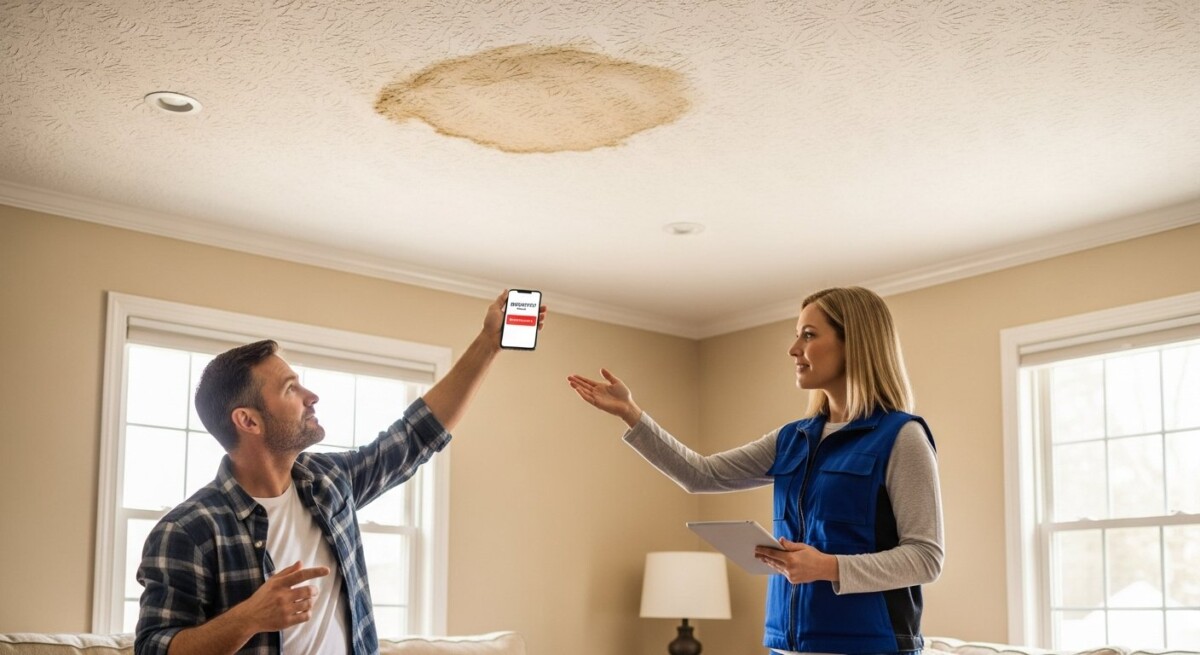
What starts as a minor leak or a small crack can quickly escalate. Water damage can lead to mold and structural rot. A faulty electrical issue can become a fire hazard. Addressing problems promptly with a qualified professional protects your family’s safety, preserves your property’s value, and ultimately saves you money by preventing catastrophic damage.
If you notice signs of this issue in your home, it may help to speak with a qualified contractor. Request a free quote or call to explore your repair or remodeling options.
Common Problems Homeowners Experience
When reviewing estimates, homeowners often face confusing or frustrating scenarios. You might receive a single, lump-sum number with no details, making it impossible to understand what’s included. Another common issue is a surprisingly low bid that seems too good to be true,it often is, and may signal subpar materials or hidden fees.
These problems can leave you feeling uncertain and vulnerable. An unclear estimate makes it hard to compare offers apples-to-apples, which is essential for making a smart decision. For a deeper dive into this, our guide on understanding contractor estimates for homeowners breaks down each component.
- Vague or incomplete scope of work
- Unrealistically low bids that hint at future cost overruns
- High-pressure sales tactics to sign immediately
- Estimates that don’t account for potential hidden problems (like rot behind a wall)
- Lack of clarity on material brands, grades, or quantities
- No defined payment schedule or project timeline
How Professionals Solve the Problem
A reputable contractor views the estimate as the foundation of a good working relationship. They want you to understand the project and feel confident in their proposal. Their expertise isn’t just in swinging a hammer; it’s in accurately diagnosing problems, foreseeing challenges, and providing a realistic plan to complete the job correctly the first time.
Professional work follows a systematic process that DIY fixes often miss. This thorough approach ensures the root cause of a problem is fixed, not just the visible symptom. It also includes proper permits, adherence to building codes, and warranties on both labor and materials, giving you long-term peace of mind.
- Initial Consultation & Inspection: The contractor assesses the full extent of the work, often spotting issues you might have missed.
- Detailed Proposal Creation: They draft a clear, itemized estimate outlining every task and material.
- Open Discussion: A good contractor will walk you through the estimate, explaining each cost and answering your questions.
- Contract Finalization: Once agreed upon, the estimate becomes a binding contract that protects both parties.
- Professional Execution: The work is completed by skilled tradespeople, with clean-up and a final walk-through.
A professional inspection can reveal hidden issues before they become expensive repairs. Compare contractor quotes here or call to discuss your project.
Warning Signs You Should Not Ignore
Before you even get to the negotiation table, it’s vital to spot red flags in an estimate or a contractor’s behavior. These warning signs can indicate a problematic working relationship ahead. Trust your instincts,if something feels off, it probably is.
Paying attention to these signs helps you filter out unreliable contractors early. This saves you time and protects you from potential scams, shoddy work, or financial disputes down the line. Early, careful vetting is the best negotiation tool you have.
- The contractor demands a large cash deposit or full payment upfront.
- They are hesitant to provide references or proof of insurance and licensing.
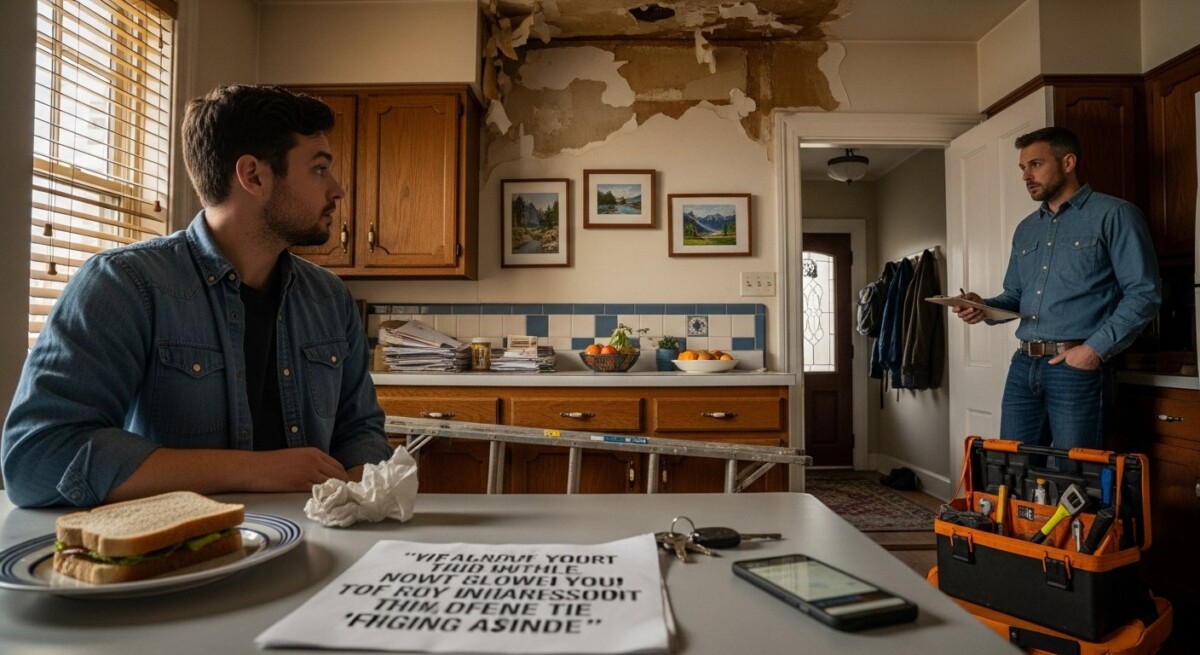
- The estimate is scribbled on a napkin or a blank piece of paper without details.
- They pressure you to sign immediately with a “today-only” discount.
- They are evasive when you ask specific questions about materials or process.
- Their bid is significantly lower than all others without a clear, justifiable reason.
What Affects the Cost of Repairs or Installation
Many factors influence a contractor’s estimate, and understanding them puts you in a stronger position to discuss value. The size and complexity of the project are the most obvious factors. A whole-house remodel will cost more than a bathroom update, but even within a bathroom, moving plumbing lines is far more involved than a simple fixture replacement.
Material choices create a wide range in price. Labor costs reflect the skill level required and local rates. The age and condition of your home also play a huge role; older homes often have surprises like outdated wiring or structural adjustments that need to be addressed, which adds to the project scope and cost.
Costs can vary depending on the condition of your home. The best way to know the price is to get a personalized estimate. Request free quotes from contractors or call today.
How to Choose the Right Contractor
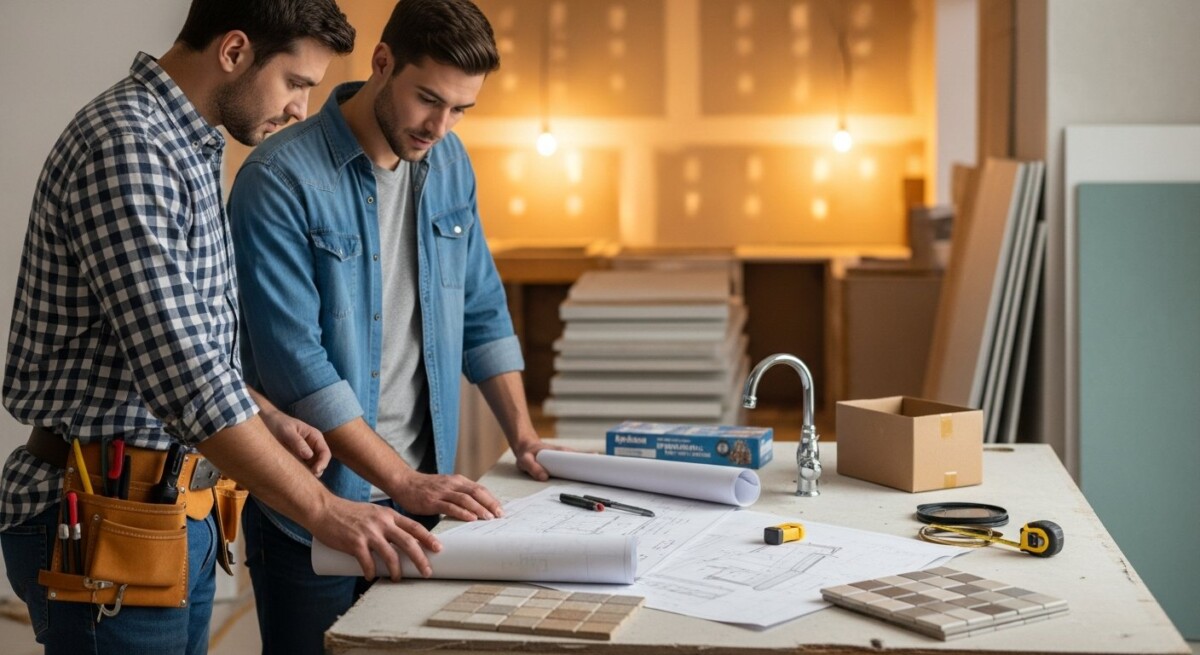
Your goal isn’t just to find the lowest price; it’s to find the best value. The right contractor delivers quality work, clear communication, and reliability. Start by getting at least three detailed estimates for your project. This comparison is your most powerful tool for understanding fair market pricing and scope.
Look beyond the bottom line. A slightly higher bid from a contractor with stellar reviews, a solid warranty, and a detailed plan is almost always a better investment than the cheapest option. Remember, you are building a partnership for the duration of your project.
- Verify their license, insurance, and bonding for your state.
- Read recent online reviews and ask for, then actually contact, past client references.
- Ensure every estimate is detailed and itemized for an apples-to-apples comparison of contractor estimates.
- Meet them in person to gauge their communication style and professionalism.
- Ask about their experience with projects exactly like yours.
Long-Term Benefits of Professional Work
Investing in professional, well-executed work pays dividends for years. First and foremost, it ensures the job is done safely and to code, protecting your family. Quality materials and skilled installation also mean greater durability, so you won’t be facing the same repair again in a few years.
This quality directly impacts your home’s value and efficiency. A proper roof installation or energy-efficient window replacement lowers utility bills. A beautifully finished basement or kitchen remodel increases your home’s market appeal and sale price. In essence, you’re not just spending money; you’re strategically investing in your largest asset.
Can You Negotiate a Contractor Estimate?
Yes, you can and often should. Negotiation is a normal part of the process. The key is to approach it as a collaborative conversation about value, not a confrontation. Focus on the scope and specifications. You might ask if there are comparable, more cost-effective materials, or if scheduling the work during a slower season could reduce the price.
For a comprehensive strategy, explore our dedicated article that answers can you negotiate a contractor estimate with practical tips.
How much should a contractor estimate cost?
There’s no standard percentage or fee. Costs are based on materials, labor, project complexity, and geographic location. The only way to know a fair cost for your specific project is to obtain multiple detailed estimates. This creates a pricing range that reflects your local market.
What is a fair deposit for a contractor?
A fair deposit typically ranges from 10% to 30% of the total project cost, often to secure materials. Be wary of contractors who demand 50% or more upfront. The payment schedule should be clearly outlined in the contract, with payments tied to completed milestones.
Should I always choose the lowest estimate?
Not necessarily. The lowest bid can sometimes indicate inexperience, the use of inferior materials, or an underestimation of the work that leads to change orders later. Always weigh the price against the contractor’s reputation, communication, and the detail in their proposal.
What questions should I ask a contractor?
Ask about their experience with similar projects, request a list of references, confirm who will be on-site daily, inquire about their cleanup process, and clarify the warranty details for both labor and materials. Get all answers in writing.
How long is a contractor estimate valid?
Estimates are typically valid for 30 to 90 days, as material prices and labor availability can fluctuate. The validity period should be stated on the estimate document. If you need to delay, communicate with the contractor, as they may be able to honor the quote or provide a slight update.
What’s the difference between an estimate and a quote?
An “estimate” is usually a professional’s best guess of costs and can change. A “quote” or “bid” is typically a fixed-price offer for the specified work. In practice, the terms are often used interchangeably, so always ask if the provided price is fixed or subject to change.
Navigating contractor estimates is a key skill for any homeowner. By understanding what you’re looking at, asking the right questions, and viewing the process as a collaboration, you can secure a fair price for quality work. Addressing home issues promptly with a trusted professional safeguards your investment and your peace of mind. Start by comparing detailed quotes from qualified contractors in your area to make an informed, confident decision for your home.