Renovation Contractors Atlanta Georgia: Your Guide to Smart Home Upgrades
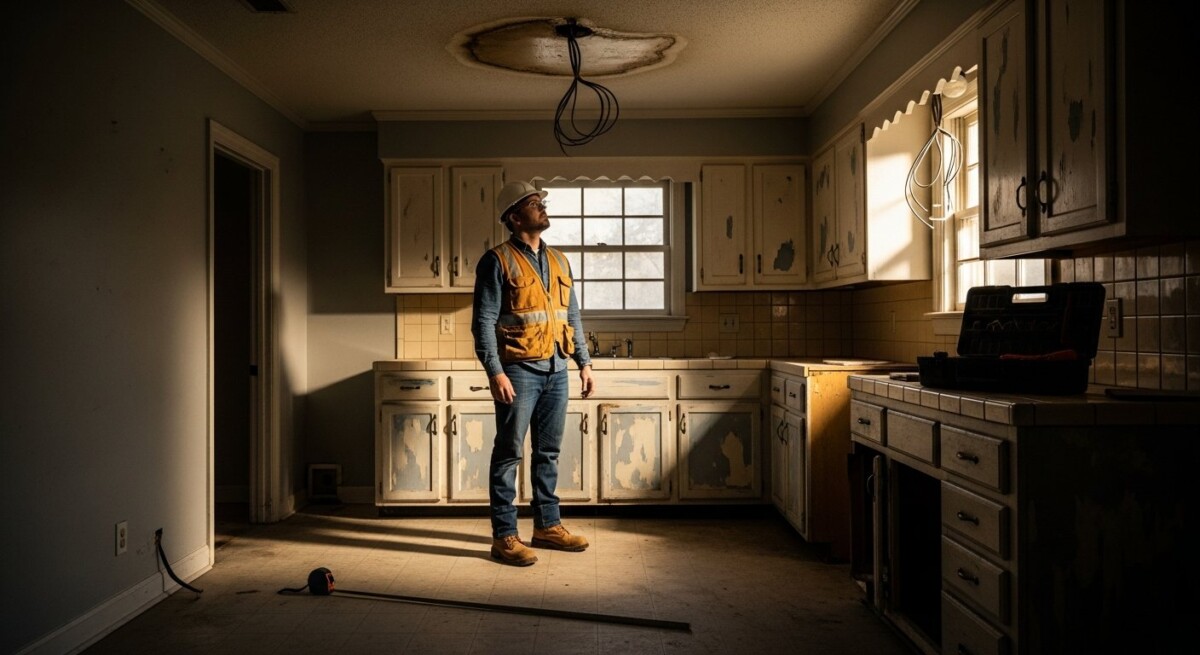
You walk into your kitchen one morning and notice a small water stain on the ceiling. Or maybe you step onto a creaky floorboard that feels a little too soft. These small signs can be easy to ignore, but they often point to bigger problems lurking behind your walls. For homeowners in Atlanta, finding reliable renovation contractors Atlanta Georgia is the first step toward protecting your home and your family. Delaying these repairs can turn a simple fix into a major expense.
Understanding Renovation Contractors Atlanta Georgia
A renovation contractor is a licensed professional who manages home improvement projects from start to finish. These projects can range from updating a single bathroom to remodeling an entire home. In Atlanta, where homes vary from historic bungalows to modern townhouses, a skilled contractor understands the local building codes and climate challenges.
Why do homeowners need these professionals? Because renovation work involves structural changes, electrical wiring, plumbing, and permits. Trying to handle these tasks without proper training can lead to costly mistakes and safety hazards. The best renovation contractors in Atlanta Georgia bring years of experience and a network of trusted subcontractors to every job.
What Makes Atlanta Renovations Unique?
Atlanta’s older homes often have outdated wiring, lead paint, or foundation issues that require specialized attention. Newer homes may have builder-grade materials that wear out quickly. A experienced contractor knows how to work with these conditions while keeping your project on budget and on time.
Why This Matters for Your Home
Ignoring needed renovations can lead to serious consequences. A small leak can rot wooden beams, attract pests, and cause mold growth. Outdated electrical systems can create fire hazards. Even cosmetic problems like peeling paint or worn flooring can lower your home’s value and make it harder to sell.
Beyond safety, renovations improve your daily comfort. A remodeled kitchen makes cooking easier. A finished basement adds living space for your family. And energy-efficient upgrades, such as new windows or insulation, can lower your utility bills every month. The longer you wait, the more expensive these fixes become.
If you notice signs of this issue in your home, it may help to speak with a qualified contractor. Request a free quote or call to explore your repair or remodeling options.
Common Problems Homeowners Experience
Atlanta homeowners often face renovation challenges that start small but grow quickly. Maybe your bathroom tiles are cracked, or your kitchen cabinets are falling apart. You might notice that your home feels drafty in winter or stuffy in summer. These are signs that your home needs professional attention.
Here are some of the most common issues that lead homeowners to search for renovation contractors in Atlanta Georgia:
- Water damage from leaking roofs or pipes
- Outdated kitchens and bathrooms that reduce home value
- Cracked foundations or uneven floors
- Poor insulation leading to high energy bills
- Worn-out flooring, such as carpet or laminate
- Outdated electrical panels or wiring that can’t handle modern appliances
How Professionals Solve the Problem
Professional renovation contractors follow a proven process to deliver quality results. They start with a thorough inspection to identify all issues, including hidden problems you might not see. Then they create a detailed plan, secure the necessary permits, and schedule the work in phases to minimize disruption to your life.
Here is what a typical renovation project looks like:
- Initial consultation and estimate. The contractor visits your home, listens to your goals, and provides a written quote.
- Design and material selection. You choose finishes, fixtures, and materials that fit your style and budget.
- Permits and prep work. The contractor handles all paperwork and protects your furniture and floors.
- Demolition and construction. Old materials are removed, and new systems are installed.
- Finishing touches. Painting, flooring, and final inspections are completed.
- Cleanup and walkthrough. The team cleans up and makes sure you are satisfied.
Professional work is almost always safer and more reliable than DIY fixes. Contractors carry insurance, know building codes, and have the right tools for the job. In our guide on smart home upgrades in Atlanta, we explain how to plan your project for the best results.
A professional inspection can reveal hidden issues before they become expensive repairs. Compare contractor quotes here or call to discuss your project.
Warning Signs You Should Not Ignore
Your home often gives you early warnings before a major problem occurs. Paying attention to these signs can save you thousands of dollars in repairs. If you notice any of the following, it is time to call a renovation contractor in Atlanta Georgia:
- Water stains on ceilings or walls
- Musty odors that suggest mold or mildew
- Doors or windows that stick or won’t close properly
- Cracks in walls, especially around door frames
- Frequent circuit breaker trips or flickering lights
- Peeling paint or wallpaper that was previously fine
Early action can prevent these small issues from turning into structural damage or health hazards. A simple patch today might cost a few hundred dollars, while a full roof replacement or foundation repair can run into the tens of thousands.
What Affects the Cost of Repairs or Installation
Every renovation project is different, so costs vary widely. The size of the room, the materials you choose, and the condition of your home all play a role. For example, a bathroom remodel in a 1950s home may require new plumbing, while a newer home might just need cosmetic updates.
Other factors that influence cost include:
- Project size. A full home renovation costs more than a single room update.
- Materials. Custom cabinetry and premium tile cost more than stock options.
- Labor. Skilled trades like electricians and plumbers charge higher rates.
- Accessibility. Hard-to-reach areas, like attics or crawl spaces, add time and difficulty.
- Permits and fees. Some cities require expensive permits for major work.
Costs can vary depending on the condition of your home. The best way to know the price is to get a personalized estimate. Request free quotes from contractors or call today.
How to Choose the Right Contractor
Finding a trustworthy renovation contractor in Atlanta Georgia takes a little research, but it pays off. Start by asking friends, neighbors, or local real estate agents for recommendations. Then verify each candidate’s credentials and reputation.
Here are practical tips to help you choose wisely:
- Check licenses and insurance. Georgia requires contractors to hold a state license for jobs over $2,500. Ask for proof of general liability and workers’ compensation insurance.
- Read customer reviews. Look for recent reviews on Google, Yelp, or the Better Business Bureau. Pay attention to how the contractor handles complaints.
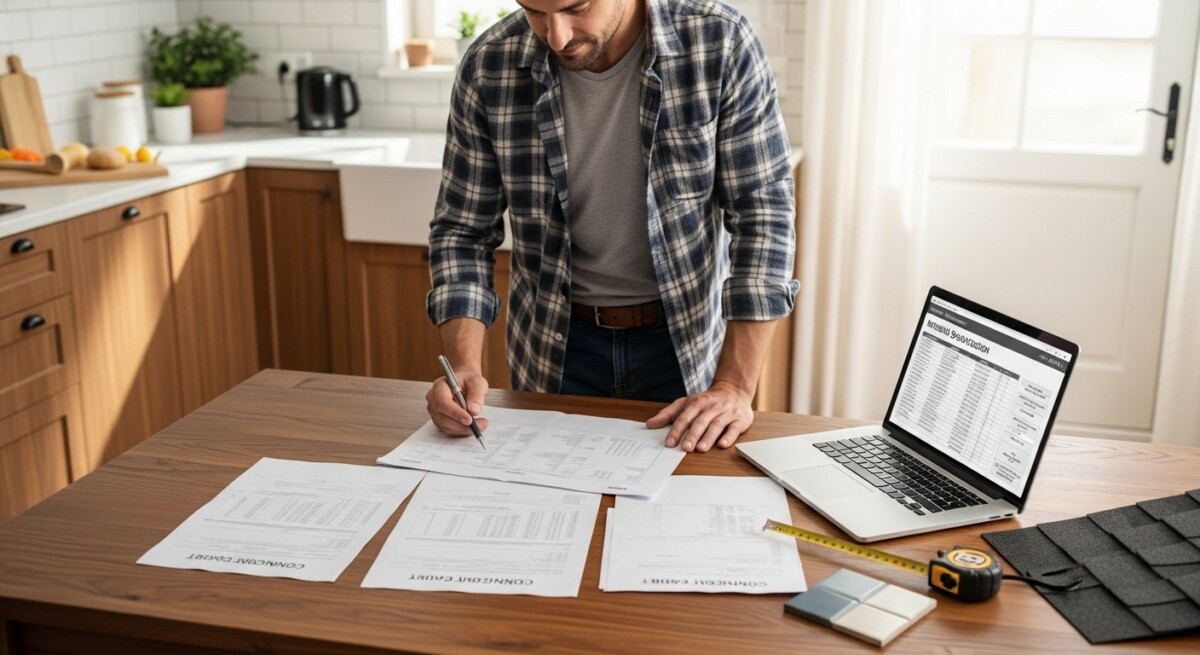
- Ask for detailed estimates. A good quote breaks down costs for materials, labor, permits, and cleanup. Avoid vague estimates that lump everything together.
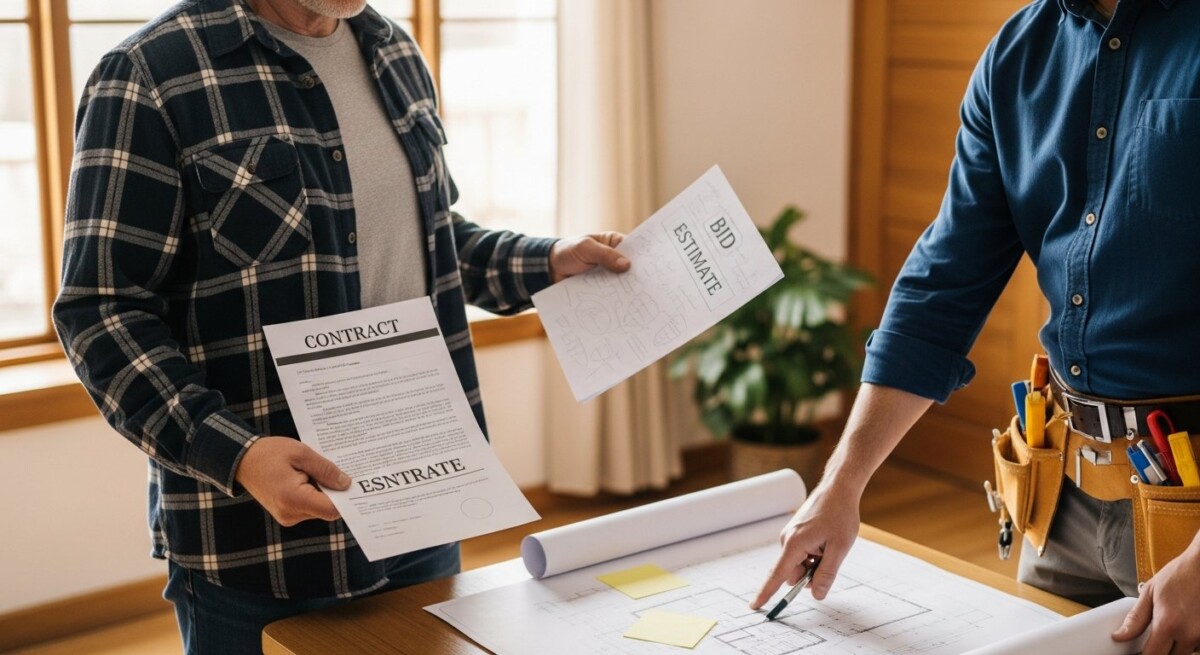
- Compare multiple quotes. Get at least three written bids. Be wary of any quote that is significantly lower or higher than the others.
- Confirm experience. Ask if they have completed similar projects. A contractor who specializes in kitchen remodels may not be the best choice for a deck build.
For more guidance on vetting professionals, read our homeowner’s guide to finding reliable home repair contractors in Atlanta.
Long-Term Benefits of Professional Work
Hiring a professional renovation contractor is an investment that pays off in many ways. First, your home becomes safer. Electrical work, plumbing, and structural changes are done correctly, reducing the risk of fire, flood, or collapse. Second, professional work lasts longer. Quality materials and proper installation mean you won’t need repairs again anytime soon.
Energy efficiency is another big benefit. New windows, insulation, and energy-efficient appliances can cut your utility bills by 20% or more. And when it comes time to sell your home, a well-done renovation can increase your property value by thousands of dollars. Buyers are willing to pay more for a move-in-ready home with modern finishes.
Finally, professional work reduces future maintenance. A properly sealed bathroom won’t develop mold. A well-built deck won’t rot. You spend less time and money on upkeep, and more time enjoying your home. If you are considering a renovation in a different market, our guide to finding reliable renovation contractors in Miami Florida offers similar tips for that region.
Frequently Asked Questions
How do I find the best renovation contractors in Atlanta Georgia?
Start by searching online directories like Homes.Contractors, asking for referrals, and reading reviews. Always verify licenses and insurance before hiring. Getting multiple quotes helps you compare prices and services.
How much does a kitchen remodel cost in Atlanta?
Kitchen remodels in Atlanta typically range from $15,000 to $50,000 or more, depending on size, materials, and scope. A minor update with new countertops and paint costs less than a full gut renovation with custom cabinets.
Do I need a permit for a home renovation in Atlanta?
Yes, most structural, electrical, plumbing, and mechanical work requires a permit. Your contractor should handle this for you. Working without permits can lead to fines and issues when selling your home.
How long does a typical bathroom remodel take?
A full bathroom remodel usually takes 3 to 6 weeks. Simple updates like replacing a vanity and toilet may take only a week. Complex jobs involving moving plumbing or walls take longer.
Can I stay in my home during a renovation?
It depends on the project. Small remodels in one room are usually fine. Major renovations that affect the kitchen, bathroom, or HVAC system may require you to stay elsewhere for a few days or weeks.
What is the difference between a contractor and a handyman?
A contractor is licensed and insured for large projects like room additions or full remodels. A handyman handles smaller tasks like painting, minor plumbing, or furniture assembly. For major renovations, always hire a licensed contractor.
How do I know if a contractor is trustworthy?
Check their license, insurance, and references. Read online reviews and ask for a written contract with a detailed scope of work. Avoid contractors who demand full payment upfront or give vague estimates.
What should I look for in a renovation contract?
A good contract includes a detailed description of the work, material specifications, payment schedule, start and completion dates, and a warranty clause. Never sign without reading everything carefully.
Your home is one of the biggest investments you will ever make. Protecting it with timely renovations and repairs keeps your family safe and your property value high. Whether you need a small repair or a full remodel, comparing quotes from professional renovation contractors in Atlanta Georgia is the smartest way to start. Reach out today and take the first step toward a better home.