
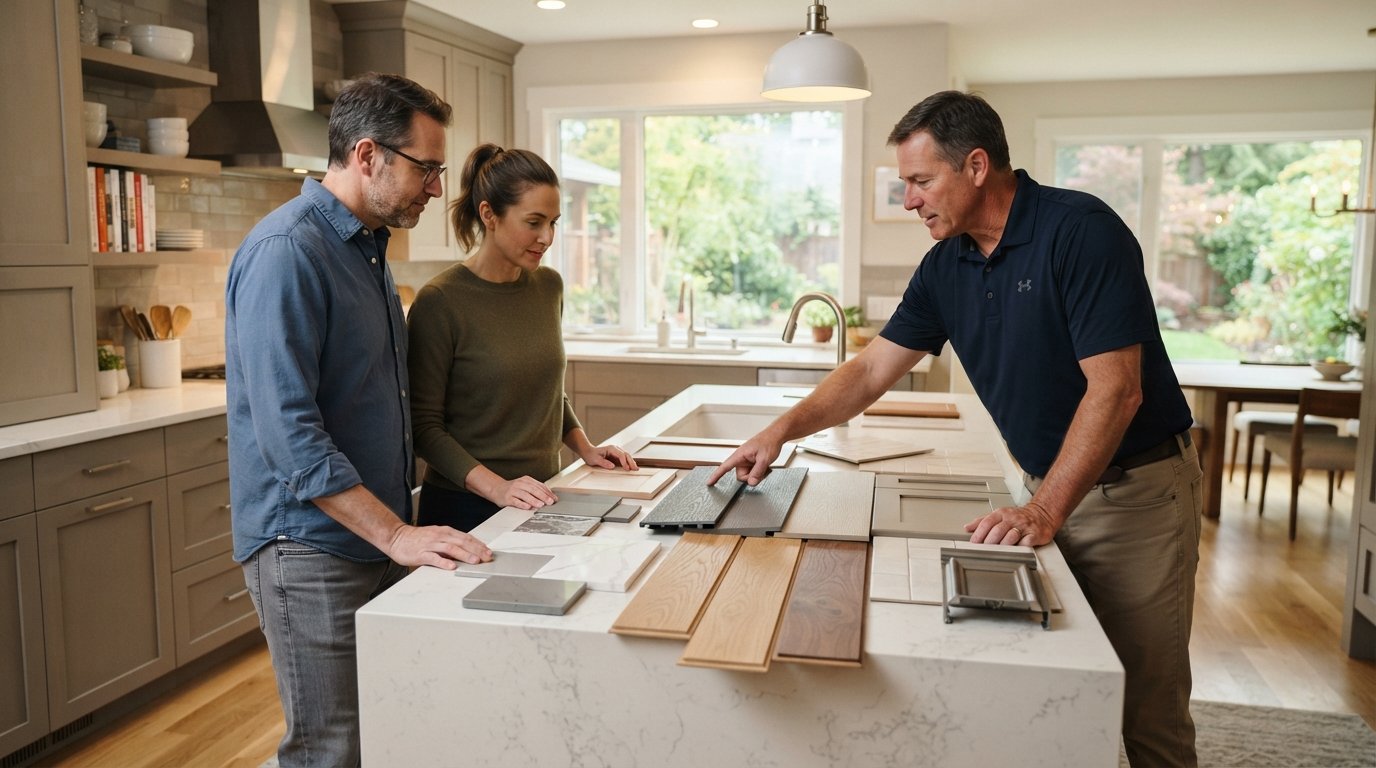
How to Choose Materials That Raise Home Resale Value
Discover how to choose materials that raise home resale value. Learn which durable, low-maintenance options deliver the best return on investment.
By Danica Leslie
Learn more about Home Remodeling for guides, costs, and what to expect.
Compare Home Remodeling Pros Near You

Enter your ZIP code to compare top-rated local professionals and request free quotes.
When you sell your home, buyers do not just see paint and furniture. They see potential maintenance costs, energy bills, and future repairs. The materials you choose for renovations or repairs directly influence how quickly your home sells and how much buyers are willing to pay. According to the National Association of Realtors, 96% of buyers consider a home's energy efficiency and durability when making a purchase decision. That means picking the right materials is not just about looks, it is about protecting your investment and maximizing your return at resale. This guide will walk you through how to choose materials that raise home resale value, room by room, with practical tips you can apply whether you are remodeling a bathroom or replacing a roof.
Why Material Choice Matters More Than Ever in 2026
In 2026, the housing market rewards homes that are move-in ready and low-maintenance. Buyers are more educated than ever, thanks to online research and home inspection reports. They know that cheap laminate flooring can warp, that certain siding types need frequent repainting, and that old windows leak money every month. Choosing durable, low-maintenance materials signals that you have taken care of the home and that they will not face costly surprises after closing. Plus, many buyers are willing to pay a premium for materials that are known to last, such as quartz countertops or fiber cement siding.
Another factor is insurance and financing. Some lenders and insurers offer better rates or coverage for homes with impact-resistant roofing, updated electrical panels, or energy-efficient windows. By selecting materials that meet these standards, you make your home more attractive to a wider pool of buyers and reduce the risk of a deal falling through. For example, in Florida and Texas, homes with hurricane-rated windows and roofing often sell faster and for higher prices because buyers can save on insurance premiums.
Finally, material choices affect your home's appraised value. Appraisers look at comparable sales and the quality of finishes. If your kitchen has solid wood cabinets and stone countertops, an appraiser will note that as a value-adding feature. Conversely, if you used builder-grade materials that are already showing wear, the appraisal may come in lower than expected, jeopardizing the buyer's mortgage approval. So, investing in the right materials is not just a design decision, it is a financial strategy.
Key Factors to Evaluate Before You Buy Any Material
Before you step into a showroom or browse online, you need a framework for evaluating materials. Not every expensive material adds value in every market. You must consider your local climate, the current condition of your home, and what buyers in your neighborhood expect. For instance, installing a high-end marble floor in a modest starter home may not recoup its cost because buyers in that price range are not looking for luxury finishes. On the other hand, updating a worn-out roof with architectural shingles will almost always pay off because it is a necessity.
Here are the five core factors to weigh for any material you are considering:
- Durability and lifespan: How long will the material last before it needs repair or replacement? A material that lasts 30 years may cost more upfront but saves money over time.
- Maintenance requirements: Does it need painting, sealing, or special cleaning? Low-maintenance materials like vinyl windows or composite decking appeal to busy buyers.
- Climate suitability: Will the material hold up in your region's humidity, temperature swings, or salt air? What works in Arizona may fail in Miami.
- Energy efficiency: Does the material improve insulation or reduce utility bills? Energy-efficient windows, doors, and roofing can qualify for tax credits and rebates.
- Local buyer preferences: What are similar homes in your area using? If every other house has granite countertops, laminate may stand out as a downgrade.
Once you have assessed these factors, you can prioritize materials that offer the best balance of cost, performance, and market appeal. Remember that your goal is not to create your dream home, it is to create a home that someone else will dream of owning. That means making choices that are broadly appealing and that signal quality and care.
High-ROI Materials for Specific Home Areas
Certain materials consistently deliver strong returns on investment because they address common pain points for buyers. Let us break down the best options by area of the home, along with typical cost ranges and expected payback.
Kitchen and Bathroom
The kitchen and bathrooms are the most scrutinized rooms during a home showing. Buyers open cabinets, test faucets, and look for signs of water damage. In these spaces, quartz countertops are a top choice because they are durable, non-porous, and require no sealing. They come in a wide range of colors and patterns that mimic natural stone, and they resist stains and scratches. According to Remodeling Magazine's 2025 Cost vs. Value report, a minor kitchen remodel with quartz counters recoups about 72% of its cost at resale, but in hot markets, that number can exceed 90%.
For cabinets, solid wood or high-quality plywood boxes with soft-close hinges are worth the investment. Avoid particleboard that can swell with moisture. If your cabinets are structurally sound, consider refacing them with real wood veneer instead of replacing them entirely, which can save thousands while still improving appearance. In bathrooms, porcelain tile floors and ceramic tile walls are standard expectations. They are water-resistant, easy to clean, and come in styles that appeal to most buyers. For shower surrounds, avoid cheap plastic panels and opt for tile or solid surface materials like acrylic or cultured marble.
Flooring
Flooring is one of the first things buyers notice. The best materials for resale are those that are durable, low-maintenance, and neutral in color. Hardwood flooring remains the gold standard in most markets, but it can be expensive and susceptible to water damage. Engineered hardwood offers a similar look with better moisture resistance and can be installed over concrete slabs. Luxury vinyl plank (LVP) has exploded in popularity because it is waterproof, scratch-resistant, and affordable. In fact, many buyers now prefer high-quality LVP over cheap hardwood because they know it will hold up to kids and pets.
Tile flooring is ideal for bathrooms, kitchens, and entryways. Porcelain and ceramic tiles are both durable and easy to clean, but porcelain is denser and less porous, making it better for wet areas. Avoid natural stone like marble in high-traffic areas unless you are prepared for the maintenance. Carpet is still expected in bedrooms by some buyers, but it can be a turnoff if it is worn or stained. If you do install carpet, choose a stain-resistant nylon or polyester in a neutral tone.
Exterior: Roofing, Siding, and Windows
Curb appeal starts with the exterior, and buyers often make up their minds before they even step inside. For roofing, asphalt shingles are the most common and cost-effective option, but they vary widely in quality. Architectural shingles (also called dimensional shingles) are thicker and more durable than standard three-tab shingles, and they can last 30 years or more. They also have a higher wind rating, which can lower insurance premiums in storm-prone areas. Metal roofing is more expensive upfront but can last 50 years and is highly energy-efficient, reflecting heat away from the home.
Siding is another major exterior material. Vinyl siding is affordable and low-maintenance, but it can crack in extreme cold and fade in strong sun. Fiber cement siding (like HardiePlank) is more durable, resists rot and insects, and holds paint longer. It costs more than vinyl but often recoups its cost through better energy efficiency and lower maintenance. Engineered wood siding is another option that offers a natural look with better stability than solid wood. For windows, double-pane vinyl or fiberglass frames with low-E glass are the new standard. They reduce energy loss, block UV rays, and are available in styles that match any home. In coastal areas, impact-resistant windows are a must, and they can significantly increase resale value because they eliminate the need for hurricane shutters.
Outdoor Living: Decks and Fences
Outdoor spaces have become more important to buyers, especially after the pandemic. A well-built deck or fence extends living space and adds perceived value. For decks, composite decking (like Trex) is a popular choice because it does not splinter, rot, or need annual staining. It costs more than pressure-treated wood but saves on maintenance and lasts longer. If you prefer wood, choose cedar or redwood, which are naturally resistant to rot and insects. For fences, materials like vinyl, composite, or aluminum offer privacy and durability with minimal upkeep. In Florida and other humid states, vinyl fences are particularly popular because they do not rust or rot.
When selecting materials for outdoor structures, consider the local climate. In areas with high winds, you need reinforced framing and proper anchoring. In snowy regions, choose materials that can handle freeze-thaw cycles. And always check with your homeowners association or local building codes before installing a fence or deck, as some materials may be restricted.
How to Balance Cost, Quality, and Resale Value
It is tempting to go for the cheapest option when you are renovating to sell, but that can backfire. Buyers and inspectors notice cut corners. A low-quality material may fail soon after the sale, leading to complaints or even legal issues if you failed to disclose known defects. On the other hand, over-improving for your neighborhood is a waste of money. You will not recoup the cost of a $50,000 kitchen remodel in a neighborhood where homes sell for $200,000.
To find the sweet spot, research recent home sales in your area. Look at listings and photos to see what materials are standard. If most homes have granite counters and stainless steel appliances, you should at least match that. If they have laminate, you can upgrade to quartz to stand out without going overboard. Talk to a local real estate agent for insights on what buyers expect. They can tell you which upgrades are worth it and which are not.
Another strategy is to focus on materials that address health and safety. For example, if your home has old galvanized pipes, replacing them with PEX or copper will add value because buyers worry about lead and leaks. If you have asbestos insulation, removing it professionally is a selling point. Energy-efficient upgrades like LED lighting, smart thermostats, and solar panels also appeal to buyers who want lower utility bills. In fact, homes with solar panels sell for about 4% more on average, according to Zillow.
When you are ready to get quotes for your project, using a platform like FreeQuotes.Contractors can connect you with pre-vetted local contractors who can help you select and install the right materials. They offer free, no-obligation quotes for a wide range of services, from roofing to flooring, so you can compare options and make an informed decision without pressure.
Mistakes to Avoid When Choosing Materials for Resale
Even well-intentioned homeowners make mistakes that hurt resale value. One common error is following trends too closely. Bold colors, patterned tiles, and unusual finishes may be popular on social media, but they can alienate buyers who prefer neutral, timeless looks. Another mistake is ignoring maintenance requirements. A material that needs frequent sealing or painting may be a deal-breaker for busy professionals or retirees. Similarly, choosing materials that are not compatible with your home's architecture can look odd and reduce curb appeal. For example, modern minimalist materials in a traditional colonial home may clash.
Another pitfall is neglecting permits and warranties. Some materials, like certain roofing or windows, require professional installation to maintain the warranty. If you install them yourself and something goes wrong, the buyer may inherit a problem. Always hire licensed contractors and keep records of permits and warranties to pass along to the buyer. This documentation reassures buyers and can be a selling point. Finally, do not overlook the importance of proper installation. Even the best material can fail if installed incorrectly. Poor workmanship can lead to leaks, cracks, and other issues that scare buyers away. So, vet your contractor carefully and insist on quality workmanship.
Final Thoughts on Material Selection for Resale
Choosing materials that raise home resale value is a blend of art and science. You need to understand your local market, the preferences of likely buyers, and the long-term performance of different materials. By focusing on durability, low maintenance, energy efficiency, and broad appeal, you can make choices that not only improve your home today but also pay off when you sell. Remember to balance cost with quality, avoid over-improving, and always prioritize proper installation. With careful planning and the right contractor, you can transform your home into a more valuable asset that stands out in a competitive market.
Learn more about Home Remodeling for guides, costs, and what to expect.
Compare Home Remodeling Pros Near You
Enter your ZIP code to compare top-rated local professionals and request free quotes.