
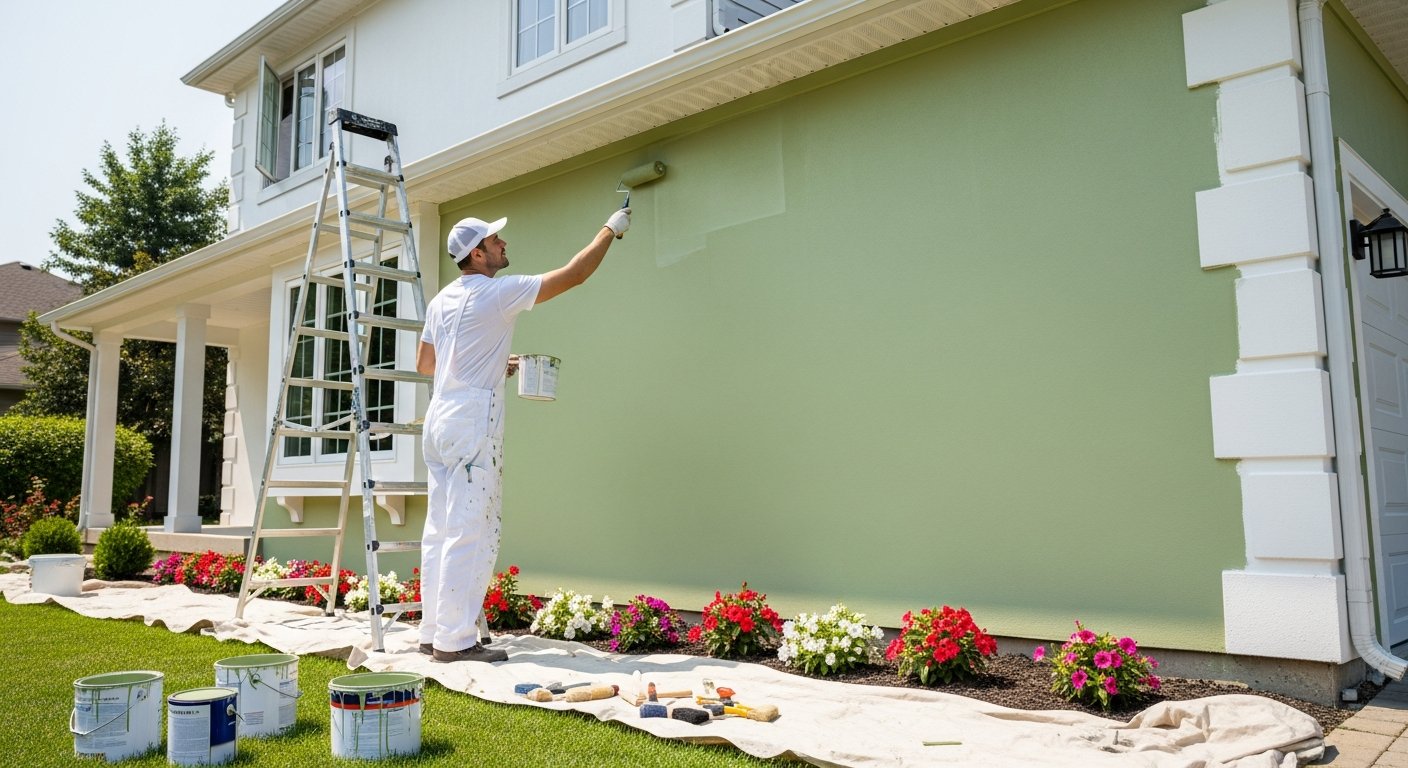
House Painting Guide: Costs, Prep, and Hiring Pros
Transform your home with a flawless house painting project. Learn expert tips on costs, prep, and hiring the right contractor to get a durable, beautiful finish.
By Alexia Mabel
Learn more about Interior Painting for guides, costs, and what to expect.
Compare Interior Painting Pros Near You

Enter your ZIP code to compare top-rated local professionals and request free quotes.
Few home improvement projects deliver as much visual impact for the investment as a fresh coat of paint. Whether you are refreshing a single room or transforming the entire exterior, a professional house painting job can boost curb appeal, protect your surfaces from the elements, and increase your property's value. Yet for many homeowners, the process can feel overwhelming, especially when it comes to budgeting, choosing the right materials, and deciding whether to tackle the work themselves or hire a professional painting contractor. This guide walks through every critical stage of a painting project, from estimating costs and preparing surfaces to selecting the right contractor and avoiding common pitfalls. By the end, you will have a clear, actionable plan to ensure your house painting project is a success.
Why Professional House Painting Matters
Paint does more than just change the color of a room or the facade of your home. It acts as a protective barrier against moisture, UV rays, and everyday wear and tear. A high-quality paint job can prevent wood rot, inhibit mold growth, and protect your drywall from stains and damage. Conversely, a poorly executed paint job can lead to peeling, blistering, and costly repairs down the line. Professional house painting services bring the expertise, tools, and materials to ensure that the finish is not only beautiful but also durable and long-lasting. They understand the nuances of surface preparation, the importance of primer, and the right application techniques for different types of paint and surfaces.
Moreover, professional painters are insured and often offer warranties on their work, providing you with peace of mind. If something goes wrong, you are protected. Attempting a complex painting project without the necessary skills can result in wasted time, wasted money, and a finish that does not meet your expectations. While DIY painting can be satisfying for small projects, hiring a professional for larger or more intricate jobs is often a wiser investment. The value of professional house painting extends beyond aesthetics, ensuring the long-term health and integrity of your home's surfaces.
The True Cost of House Painting in 2026
Understanding the cost of house painting is essential for any homeowner planning a project. Prices can vary dramatically based on several key factors, including the size of your home, the type and condition of the surfaces, the quality of paint you choose, and your geographic location. On average, homeowners spend between $1,800 and $4,500 for an interior painting project, while exterior painting typically ranges from $2,500 to $7,000. However, these are just averages, and your actual quote may be higher or lower depending on your specific circumstances. The most reliable way to get an accurate estimate is to request multiple quotes from pre-vetted painting contractors in your area. Homes.Contractors can connect you with qualified professionals who provide free, customized house painting quotes.
Several specific elements will influence your final cost. The first is labor. Painting is labor-intensive, and contractors will charge based on the time it takes to complete the job. This includes preparation work, such as scraping, sanding, and priming, as well as the actual painting. The second is materials. The cost of paint can range from $20 to $80 per gallon, and you will need a sufficient quantity to cover your home's square footage. Higher-quality paints often cost more upfront but provide better coverage and durability, saving you money in the long run. Finally, the condition of your surfaces plays a significant role. If your walls have cracks, holes, or existing peeling paint, additional repair work will be required, adding to the overall cost.
Cost Breakdown by Project Type
To better understand where your money goes, here is a breakdown of typical cost components for a house painting project:
- Interior Painting: Labor (60-70%), materials like paint and primer (20-30%), and prep work (10-15%).
- Exterior Painting: Labor (50-60%), materials (20-30%), and prep work including pressure washing and scraping (20-30%).
- Additional Costs: Repairs for rotted wood, drywall damage, or trim replacement can add $200 to $1,000 or more.
- Paint Quality: Premium paint brands can cost 30-50% more than standard options but offer better coverage and longevity.
When you receive quotes from contractors, ensure that each one itemizes the costs for labor, materials, and prep work. This transparency allows you to compare apples to apples and avoid surprise bills. Remember that the lowest bid is not always the best value. A lower price may reflect inferior materials or a rushed job. Focus on the overall value, including the contractor's reputation, experience, and the quality of the paint they plan to use.
Preparation: The Key to a Flawless Finish
The success of any house painting project hinges on meticulous preparation. Skipping this step is the most common reason for paint failure, leading to peeling, bubbling, and uneven color. Before a single drop of paint is applied, the surfaces must be clean, dry, and smooth. For interior projects, this means moving furniture to the center of the room or covering it with drop cloths, removing outlet covers and switch plates, and cleaning the walls to remove dust and grease. A simple solution of water and mild detergent is usually sufficient. Once the walls are clean, you need to patch any holes or cracks with spackling compound and sand the patched areas smooth. Applying painter's tape to trim, ceilings, and window frames ensures crisp, clean lines.
Exterior preparation is even more critical because the surfaces are exposed to the elements. A thorough power washing is essential to remove dirt, mildew, and loose paint. After the siding is clean and dry, you must scrape away any remaining loose paint and sand rough edges. If you have bare wood, applying a high-quality exterior primer is non-negotiable. Primer not only seals the wood and provides a uniform base for the paint, but it also helps the paint adhere properly, extending the life of your paint job. Ignoring these steps will almost guarantee a subpar result and a shorter lifespan for your paint. A professional house painting contractor will never overlook these crucial preparations, as their reputation depends on delivering a durable and beautiful finish.
Selecting the Right Paint and Sheen
Choosing the right paint is about more than just picking a color you love. You need to consider the paint's finish, also known as its sheen, as well as its quality and durability. The sheen affects not only the appearance but also the paint's ability to withstand scrubbing and moisture. For interior walls, flat or matte finishes hide imperfections and are ideal for low-traffic areas like living rooms and bedrooms. Eggshell and satin finishes offer a slight sheen and are more washable, making them a good choice for hallways and family rooms. Semi-gloss and high-gloss finishes are highly durable, easy to clean, and perfect for trim, doors, and kitchens. For exterior surfaces, a satin or semi-gloss finish is often recommended because it provides good weather resistance and is easier to clean than a flat finish.
When it comes to paint quality, the old adage 'you get what you pay for' holds true. Higher-quality paints contain more pigment and resins, which means better coverage, richer colors, and superior durability. They also tend to resist fading, chalking, and mildew growth better than cheaper alternatives. While premium paints cost more per gallon, they often require fewer coats, saving you money on both paint and labor in the long run. Ask your contractor for their recommendation on the best paint brands and products for your specific project. They will have the experience to know which paints perform best on different surfaces and in various climates. Investing in a premium paint is one of the smartest decisions you can make for a long-lasting, beautiful house painting result.
DIY vs. Hiring a Professional Painting Contractor
The decision to paint your home yourself or hire a professional is a significant one. DIY house painting can be a rewarding weekend project, particularly for small rooms or accent walls. It saves you the cost of labor, which is the largest component of a professional quote. However, it requires a significant time investment, and the results depend heavily on your skill level. You must be meticulous with preparation, have a steady hand for cutting in, and be able to properly apply paint without leaving brush marks or roller lines. For large areas like a whole house or a two-story exterior, the physical demands and the time required can quickly become overwhelming. A novice painter might take a week or more to complete a job that a professional team can finish in a couple of days, and the final result may not have the same flawless, smooth finish.
Hiring a professional painting contractor offers several distinct advantages. Professionals have the right tools, equipment, and training to handle any project efficiently and safely. They know how to navigate tricky areas like high ceilings, stairwells, and complex trim work. More importantly, professional house painting services include thorough surface preparation, which is the foundation of a durable finish. They also have access to high-quality paints and materials and can provide expert advice on color selection and finish. Most reputable contractors offer a warranty on their workmanship, giving you peace of mind that if any issues arise, they will be addressed. When you weigh the cost of hiring a professional against the value of your time, the risk of mistakes, and the quality of the final result, the choice often becomes clear. For most homeowners, the convenience, expertise, and longevity of a professionally executed paint job are well worth the investment.
How to Find and Vet Painting Contractors
Finding a trustworthy painting contractor can feel like a daunting task, but it is crucial to the success of your project. Start by asking for recommendations from friends, family, and neighbors who have recently had their homes painted. However, a personal referral is just the beginning. You need to do your own due diligence to ensure the contractor is qualified and reliable. A great starting point is to use a directory like Homes.Contractors, which connects homeowners with pre-vetted professionals in their area. This platform can provide you with a list of potential contractors, saving you the time and effort of searching on your own. You can then request quotes from multiple contractors and compare their offerings.
Once you have a list of potential contractors, it is time to vet them. Always verify that they are licensed and insured. A legitimate contractor should be happy to provide proof of their license and certificates of insurance. This protects you from liability in case of accidents or damage to your property. Next, ask for references and take the time to contact them. Ask about the quality of the work, the contractor's professionalism, and whether the project stayed on budget and on schedule. You should also get at least three written quotes from different contractors. These quotes should be itemized, detailing the cost of labor, materials, and specific tasks like surface preparation. Do not automatically choose the cheapest option. Evaluate the overall value, including the contractor's reputation, experience, and the quality of the materials they plan to use.
Essential Questions to Ask Before Hiring
Before you sign a contract, make sure you have asked these critical questions:
- Are you licensed and insured? Can you provide proof?
- How many years of experience do you have with house painting?
- Will you provide a detailed, written estimate?
- What type of paint and primer will you use?
- How will you protect my furniture, floors, and landscaping?
- Do you offer a warranty on your workmanship?
- Can you provide references from recent projects?
These questions will help you assess the contractor's professionalism and the level of service you can expect. A confident, reputable contractor will be happy to answer all of them transparently. The answers you receive will give you a strong indication of whether this is the right professional for your project.
Common House Painting Mistakes to Avoid
Even with the best intentions, house painting projects can go awry. Being aware of common mistakes can help you avoid them, whether you are doing the work yourself or overseeing a professional contractor. One of the most prevalent mistakes is skipping surface preparation. Painting over dirty, greasy, or peeling surfaces will lead to a poor finish that will not last. Another frequent error is choosing the wrong paint finish. Using a flat finish in a high-traffic hallway, for example, will result in a wall that is difficult to clean and prone to scuffs. Underestimating the amount of paint needed is also common, leading to trips to the store and potential color inconsistencies. Always buy a little extra paint than you think you need, typically about 10% more, to account for touch-ups and multiple coats.
When hiring a contractor, a major mistake is not getting everything in writing. A verbal agreement is not enough. Your contract should clearly state the scope of work, the specific paint brands and colors, the start and completion dates, and the payment schedule. Avoid contractors who demand a large upfront payment, as this is a red flag. A typical deposit is around 10% to 20% of the total project cost. It is also a mistake to focus only on the price. A significantly lower bid may indicate the contractor is cutting corners on materials or labor. Finally, do not neglect the cleanup and disposal process. Ensure your contract specifies that the contractor will clean up the job site thoroughly and dispose of any paint cans and debris. By avoiding these common pitfalls, you can ensure a smoother, more successful house painting experience.
Maximizing the Life of Your Paint Job
After investing in professional house painting, you want the results to last as long as possible. The lifespan of a paint job depends on several factors, including the quality of the paint, the preparation, and the environmental conditions. On average, an interior paint job can last 5 to 10 years, while an exterior paint job typically lasts 5 to 7 years. However, you can take steps to maximize its longevity. Regular cleaning is essential. For interior walls, gently wipe down surfaces with a soft cloth or sponge to remove dust and fingerprints. For exterior siding, a yearly power wash can remove dirt, mildew, and pollen that can degrade the paint over time. Be careful not to use high pressure, as this can damage the paint and the siding itself.
Addressing small issues promptly is another key to extending the life of your paint. If you notice a small crack or chip, touch it up right away with leftover paint. This prevents moisture from seeping in and causing bigger problems like peeling or blistering. Keep an eye out for signs of wear, such as fading, chalking, or bubbling, especially on exterior surfaces. These are indicators that the paint is reaching the end of its life and may need to be repainted sooner rather than later. By staying proactive with maintenance, you can protect your investment and keep your home looking fresh and vibrant for years to come.
Ready to Start Your House Painting Project?
A successful house painting project is the result of careful planning, smart budgeting, and the right expertise. From understanding the true costs involved to selecting the perfect paint and finish, each decision plays a vital role in the outcome. While the DIY route can work for small, simple projects, the value of hiring a professional for a comprehensive job cannot be overstated. Professional painters bring the skills, tools, and materials necessary to deliver a durable, flawless finish that enhances your home's beauty and protects its value. The key is to find the right contractor, one who is licensed, insured, and committed to quality workmanship.
If you are ready to transform your home with a fresh coat of paint, start by getting free, no-obligation quotes from qualified professionals. Homes.Contractors simplifies this process by connecting you with pre-vetted painting contractors in your area. You can compare quotes, read reviews, and choose the expert that best fits your needs and budget. Take the first step today and request your house painting quotes. A beautiful, refreshed home is just a few clicks away.
Learn more about Interior Painting for guides, costs, and what to expect.
Compare Interior Painting Pros Near You
Enter your ZIP code to compare top-rated local professionals and request free quotes.