
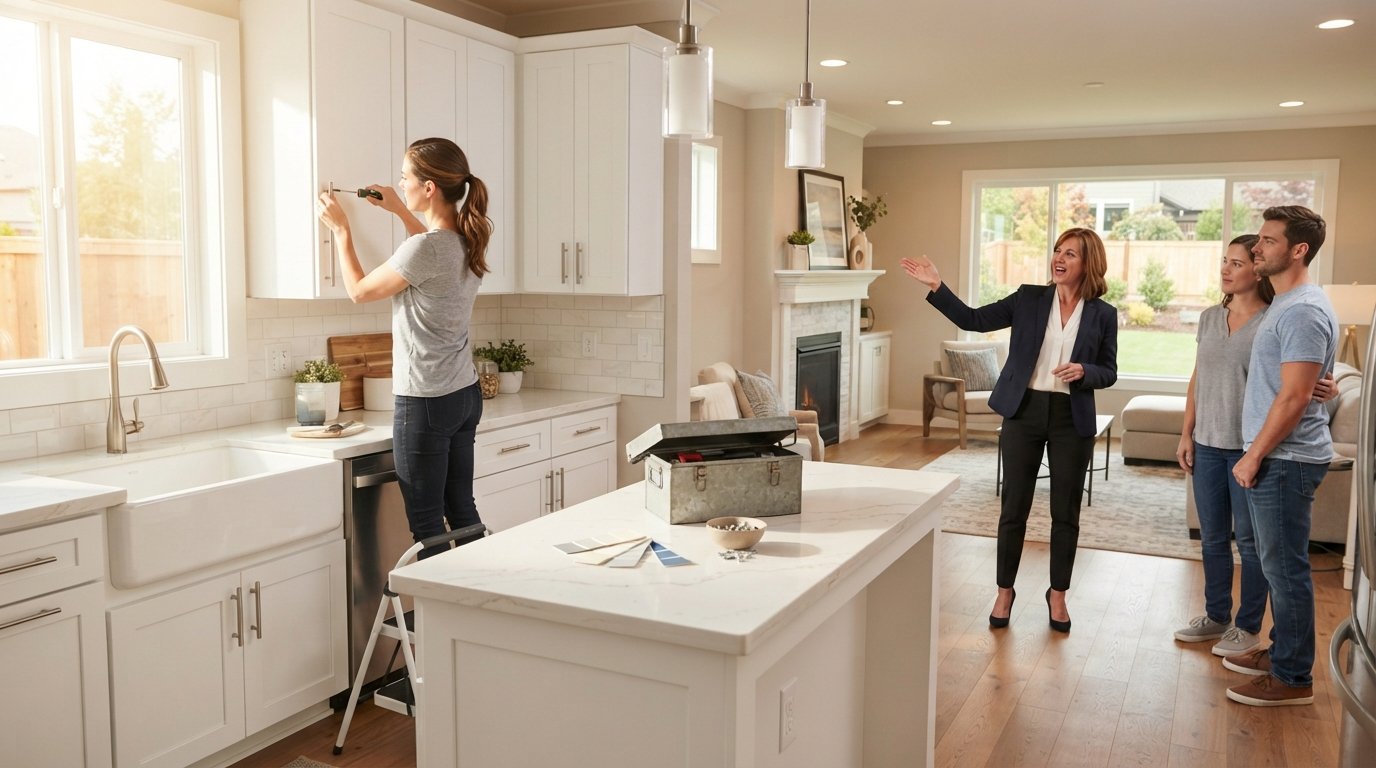
Home Upgrades That Increase Value Before Selling
Maximize your sale price with home upgrades that increase value before selling. Call (833)-439-3727 for contractor guidance and project planning.

By Alice Miller
Learn more about Home Remodeling for guides, costs, and what to expect.
Compare Home Remodeling Pros Near You

Enter your ZIP code to compare top-rated local professionals and request free quotes.
Selling a home is a major financial transaction, and the difference between a good offer and a great one often comes down to strategic preparation. You have likely heard that certain renovations pay for themselves, but not all upgrades are created equal. Some projects deliver a strong return on investment (ROI), while others may cost more than they add to your sale price. Understanding which home upgrades that increase value before selling are worth your time and money is essential for maximizing your profit and attracting serious buyers.
This guide breaks down the most effective improvements, from high-impact exterior replacements to low-cost cosmetic touches. We will explore how to interpret cost versus value reports, account for regional buyer preferences, and decide when to hire a pro versus reaching for the toolbox yourself. By the end, you will have a clear roadmap to prioritize your pre-sale projects and make confident, profitable decisions.
Focus on High-ROI Projects First
When preparing to sell, your goal is to appeal to the widest possible pool of buyers while spending wisely. According to industry cost versus value reports, certain projects consistently recoup a significant portion of their cost at resale. These are the upgrades that top the list for smart sellers.
Kitchen and bathroom remodels often dominate conversations, but they can be risky if overdone. A minor kitchen refresh, such as painting cabinets, updating hardware, and replacing dated countertops, typically offers a better return than a full gut renovation. Similarly, exterior replacements like siding, garage doors, and entry doors are reliable performers because they boost curb appeal and signal a well-maintained home.
Here are the upgrades that frequently deliver the highest ROI:
- Garage door replacement: A new garage door can return over 100% of its cost in many markets, according to Remodeling Magazine's Cost vs. Value report. It is a highly visible, low-fuss upgrade that dramatically improves first impressions.
- Entry door replacement: A new steel or fiberglass front door enhances security and aesthetics, often recouping most of its cost.
- Siding replacement: New siding (fiber-cement or vinyl) boosts energy efficiency and curb appeal, with returns often exceeding 80%.
- Minor kitchen remodel: Refacing cabinets, adding a new backsplash, and upgrading appliances can return around 70-80% while making the kitchen feel modern.
These projects are popular because they are relatively fast, less disruptive than major remodels, and appeal to a broad range of buyers. They also address common buyer concerns about maintenance and energy costs. For example, energy efficient home upgrades that pay you back are increasingly attractive as utility prices rise, and many of the above projects overlap with efficiency improvements.
Low-Cost Cosmetic Improvements That Appeal to Buyers
Not every seller has the budget for a new garage door or siding. Fortunately, small cosmetic changes can have an outsized impact on perceived value. Buyers form emotional attachments quickly, and a fresh, clean, and neutral space helps them envision themselves in the home.
Start with a deep clean and declutter. This costs little but can make rooms feel larger and more inviting. Then consider a fresh coat of paint in neutral tones. Paint is inexpensive, and it instantly modernizes a space while covering scuffs and odors. Updating light fixtures and plumbing fixtures (faucets, showerheads) is another low-cost way to signal quality. Even swapping out cabinet hardware and switch plates can make a dated kitchen or bathroom feel refreshed.
Landscaping is another area where a little effort goes a long way. Trim overgrown bushes, add fresh mulch, and plant colorful seasonal flowers. A well-manicured lawn and clear walkway create a strong first impression. According to the National Association of Realtors, exterior projects like landscaping often rank high for buyer appeal.
Here are some low-cost, high-impact cosmetic touches:
- Paint walls and trim in neutral, light colors.
- Replace dated light fixtures and switch plates.
- Update cabinet hardware and faucets.
- Deep clean carpets and windows.
- Add fresh mulch and potted plants for curb appeal.
These improvements do not add to the appraised value directly, but they can make your home sell faster and for a higher price by increasing its perceived condition and desirability. They also help your listing photos stand out in online searches, which is critical in today's digital-first market.
Regional Differences: What Buyers Value Where You Live
The value of specific upgrades can vary significantly by region and climate. What excites buyers in Arizona may not matter as much in Minnesota. Understanding local preferences helps you prioritize projects that resonate with your target audience.
In hot climates like Arizona, energy-efficient features such as solar panels, reflective roofing, and high-performance windows are highly prized. Buyers are willing to pay a premium for homes that promise lower cooling costs. In colder regions, upgrades like new siding, insulation, and energy-efficient heating systems are top priorities. Coastal areas may place a premium on storm-resistant features like impact windows and reinforced garage doors.
Urban buyers often value updated kitchens and bathrooms, while suburban buyers may prioritize outdoor living spaces like decks and patios. Rural buyers might appreciate additions like garages or workshops. To gauge local demand, talk to a real estate agent familiar with your neighborhood. They can tell you which upgrades are considered standard and which are seen as bonuses.
Cost vs. value reports also provide regional data, but they are national averages. Digging into local data or consulting a contractor who works in your area can give you a more accurate picture. For instance, a garage door replacement might have a higher ROI in a neighborhood where every home has a garage, while a deck addition might be more valuable in a community where outdoor entertaining is common.
Interpreting Cost vs. Value Reports Correctly
Cost vs. value reports, such as those published annually by Remodeling Magazine, are valuable tools for estimating ROI. They compare the average cost of a project to the average resale value it adds. However, these numbers are national averages and should be used as a guide, not gospel.
Several factors can skew your actual return. The quality of materials and workmanship, your home's existing condition, and the local market all play a role. For example, installing a high-end kitchen in a neighborhood of starter homes may not yield the expected return because the upgrade exceeds what buyers are willing to pay. Conversely, a modest upgrade in a luxury market might be undervalued.
Also, consider the timing of the sale. In a seller's market, you may recoup more of your investment; in a buyer's market, buyers may be more hesitant to pay a premium for upgrades. Use cost vs. value data to identify projects that consistently perform well, then adjust for your specific circumstances.
One practical approach is to focus on projects with a ratio of 70% or higher, meaning you recoup at least 70% of the cost. Projects like garage door replacement, siding, and minor kitchen remodels often exceed this threshold. Then, weigh the intangible benefits: a faster sale, fewer negotiations, and a smoother inspection process. Sometimes the goal is not just ROI but also reducing buyer objections.
DIY vs. Hiring a Contractor: Making the Right Choice
For many sellers, the temptation to DIY is strong, especially for cosmetic projects. However, not all upgrades are suitable for DIY, and a botched job can cost more to fix than hiring a pro. Knowing when to hire a contractor and when to roll up your sleeves is key to protecting your investment.
Cosmetic tasks like painting, landscaping, and hardware replacement are generally safe for DIY if you have the time and basic skills. They are low-risk and can be completed quickly. However, projects involving electrical, plumbing, structural changes, or roofing should be left to licensed professionals. Improper installation can lead to safety hazards, code violations, and failed inspections, which can derail a sale.
Even for DIY-friendly projects, consider the opportunity cost. If you are short on time or the quality of your work might be questionable, hiring a pro ensures a polished result. For bigger projects like siding or garage door replacement, professional installation is essential to maximize the ROI and ensure warranties remain valid.
When hiring a contractor, always get multiple quotes. Platforms like PlanRemodel can help you find pre-vetted professionals in your area. Compare bids carefully, check references, and verify licenses and insurance. A reputable contractor will provide a detailed estimate and timeline, helping you plan your pre-sale timeline with confidence.
Creating a Pre-Sale Upgrade Plan
With so many potential projects, it helps to create a structured plan. Start by setting a budget. Determine how much you are willing to spend and prioritize projects that offer the best ROI and address any obvious defects. Get a pre-listing inspection to identify issues that could scare off buyers, such as a leaky roof or outdated electrical panel. Fixing these first can prevent price reductions later.
Next, focus on curb appeal. The exterior is the first thing buyers see, so prioritize siding, garage door, entry door, and landscaping. Then, move to interior cosmetic updates like paint and light fixtures. If your budget allows, consider a minor kitchen or bathroom refresh. Avoid major structural changes unless they are necessary to bring the home up to code or to correct a functional flaw.
Finally, consider the timeline. Some projects can be completed in a weekend, while others take weeks. Plan accordingly to avoid rushing or delaying your listing. Work with your contractor to schedule work that minimizes disruption and allows for proper curing times (for paint, flooring, etc.).
By following a thoughtful plan, you can enhance your home's value, attract more buyers, and increase the likelihood of a smooth, profitable sale. For more guidance on selecting and managing contractors, explore resources like Homes.Contractors, which offers educational articles and a directory of pre-vetted professionals. Remember, the best upgrades are those that balance cost, effort, and buyer appeal in your specific market.
Learn more about Home Remodeling for guides, costs, and what to expect.
Compare Home Remodeling Pros Near You
Enter your ZIP code to compare top-rated local professionals and request free quotes.