Understanding Fence Installation Contractor Quotes for Homeowners
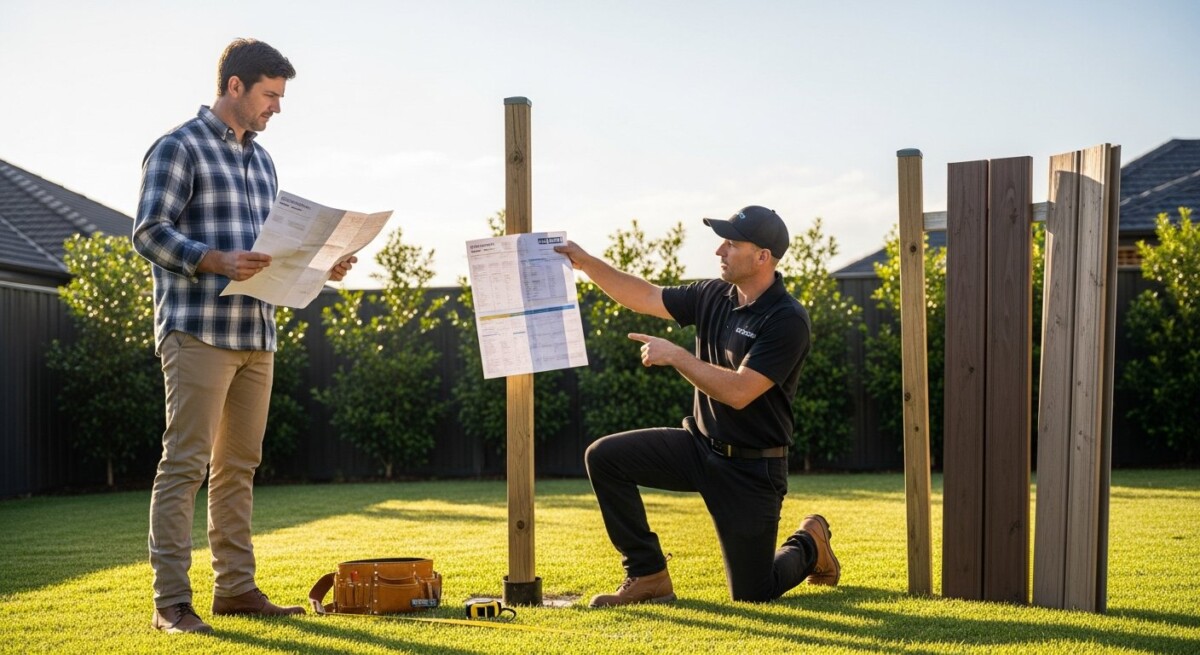
You’ve decided it’s time for a new fence. Maybe your old one is leaning, or you want more privacy and security for your family. You start calling a few local companies, and soon you have three estimates in hand. But they all look different,different line items, different prices, and different materials. Suddenly, what seemed like a straightforward project feels confusing and a bit overwhelming. Choosing the wrong quote can lead to unexpected costs, poor workmanship, or a fence that doesn’t last. Understanding fence installation contractor quotes is the key to turning your vision into a durable, beautiful reality that protects your home for years.
Understanding Fence Installation Contractor Quotes
A fence installation quote is more than just a price. It’s a detailed proposal that outlines what the contractor will do, what materials they’ll use, and how much it will cost. It’s their plan for your project.
These quotes can vary widely because every home, yard, and need is unique. The slope of your land, the type of soil, local permit requirements, and your choice of materials all play a huge role. A professional quote translates your needs into a clear, actionable plan with a defined cost.
Homes with uneven terrain, older properties with unknown underground utilities, or those requiring specific HOA approvals are most affected by quote variations. A good contractor will account for these challenges upfront.
Why This Matters for Your Home
Your fence is a major investment in your property’s function and value. It defines your space, provides security for children and pets, and enhances your home’s curb appeal. A poorly installed fence fails at all these jobs.
Choosing based solely on the lowest price can lead to big problems down the road. A fence with weak posts set in shallow concrete may blow over in the first storm. Using low-grade wood can mean rot and insect damage within a few years. These issues turn your investment into a recurring expense.
Getting clear, detailed quotes helps you avoid these pitfalls. It ensures you’re comparing apples to apples and investing in a solution that will stand the test of time, protecting your property and your peace of mind.
If you notice signs of this issue in your home, it may help to speak with a qualified contractor. Request a free quote or call to explore your repair or remodeling options.
Common Problems Homeowners Experience
When reviewing quotes, homeowners often encounter confusing gaps or assumptions. One quote might include removing the old fence, while another lists it as an extra charge. This makes direct comparison impossible and can lead to budget surprises.
Another common issue is vague descriptions like “install wood fence.” What type of wood? What’s the post depth? What brand of fasteners will be used? Without specifics, you have no guarantee of quality. For a systematic approach to evaluating these details, our guide on how to compare contractor quotes breaks down the essential steps.
These problems often appear as:
- Vague or missing material specifications (e.g., “premium lumber” vs. specific grade and treatment).
- Hidden costs for permits, disposal, or grading work.
- Unclear timelines or lack of a project start/end date.
- No mention of who is responsible for locating underground utilities (like gas or electrical lines).
- Insufficient detail on post installation depth and concrete footing specifications.
- Warranty information that is unclear or very short in duration.
How Professionals Solve the Problem
A reputable contractor solves the quote confusion by providing a transparent, thorough, and itemized proposal. They take the time to understand your property’s specific conditions and your goals for the fence.
Their expertise allows them to foresee challenges,like a rocky soil area or a drainage ditch,and plan for them in the quote. This prevents mid-project price hikes and ensures the job is done correctly the first time. Professional work follows local building codes, uses proper techniques for durability, and comes with the backing of insurance and warranties.
The typical professional installation process includes:
- Site Inspection & Measurement: Walking the property to assess terrain, soil, obstacles, and access.
- Utility Location: Calling 811 to have public utilities marked, then planning around private lines.
- Detailed Material Selection: Specifying exact product brands, dimensions, treatments, and quantities.
- Preparation: Removing old fencing, clearing the line, and marking post locations.
- Installation: Digging holes to proper depth, setting posts in concrete, attaching rails and pickets/panels with appropriate hardware.
- Finishing: Adding gates with sturdy hardware, applying stains or seals if included, and cleaning the site.
A professional inspection can reveal hidden issues before they become expensive repairs. Compare contractor quotes here or call to discuss your project.
Warning Signs You Should Not Ignore
Sometimes, the need for a new fence isn’t a want, but a necessity. Ignoring a failing fence can lead to safety hazards, property damage, and even disputes with neighbors. It’s important to act before a small repair becomes a full replacement crisis.
If your existing fence is showing its age, delaying action usually makes the problem worse. A leaning post can stress and break connecting sections. Rot can spread from one picket to the entire rail. Addressing issues early saves money and protects your property.
Watch for these warning signs:
- Posts that wobble, lean significantly, or have lifted out of the ground.
- Wood that is soft, crumbly, shows deep cracks, or has extensive insect holes.
- Rust on metal fences that has caused holes or severe weakening.
- Multiple broken, loose, or missing pickets, boards, or panels.
- Gates that sag, drag on the ground, or no longer latch securely.
- Fence sections that are visibly buckling or bowing between posts.
What Affects the Cost of Repairs or Installation
Understanding cost factors empowers you to make smart choices for your budget. The biggest variables are usually materials and labor, but many other details influence the final number. A clear quote will break these down for you.
For instance, a simple chain-link fence on flat ground will cost far less than a tall, custom cedar privacy fence on a steep hill. Knowing what drives cost helps you prioritize what’s most important for your home and where you might be able to adjust the scope.
Key factors include:
- Materials: Vinyl, aluminum, wood (cedar vs. pressure-treated pine), and composite all have different price points.
- Linear Footage & Height: More fence and taller fences require more materials and labor.
- Terrain & Accessibility: Hills, rocks, and tight backyard access increase labor time and complexity.
- Gates: The number, size, and type (single vs. double, with automation) add cost.
- Site Preparation: Removing an old fence, clearing brush, or dealing with tree roots.
- Local Factors: Permit fees, local labor rates, and even the time of year can affect pricing.
Costs can vary depending on the condition of your home. The best way to know the price is to get a personalized estimate. Request free quotes from contractors or call today.
How to Choose the Right Contractor
With a clear understanding of quotes, choosing the right partner becomes easier. Look for a contractor who communicates clearly, answers all your questions, and treats the estimate process with care. This attention to detail often reflects their work ethic.
Don’t just choose the lowest bidder. Choose the most thorough, trustworthy, and experienced professional whose quote aligns with your project’s needs. They should make you feel confident that your investment is in good hands. If you’re looking for contractors in a specific area, resources like our article on finding reliable fence installation contractors can offer valuable location-specific tips.
Follow these tips to make a confident choice:
- Verify they are licensed, insured, and bonded for your protection.
- Read recent customer reviews and ask for references from similar projects.
- Request and compare detailed, written estimates from at least three contractors.
- Ask about their experience with your specific fence material and property type.
- Ensure all communication, including any changes, is documented in writing.
Long-Term Benefits of Professional Work
Investing in a professionally installed fence pays dividends for years. It starts with the immediate benefit of safety and privacy but extends far beyond. A quality fence is a durable asset that requires minimal upkeep.
This durability protects your investment. You won’t face costly repairs from storm damage or premature rot. Your home’s exterior looks well-maintained, which directly boosts curb appeal and property value. It’s a one-time project done right, giving you years of enjoyment and security.
The long-term advantages include:
- Enhanced Safety & Security: A sturdy fence deters trespassers and safely contains pets and children.
- Superior Durability: Proper installation techniques and materials resist weather, decay, and wear.
- Increased Property Value: An attractive, functional fence is a sought-after feature for homebuyers.
- Reduced Maintenance: Quality materials and correct installation mean less time and money spent on stains, repairs, or replacements.
- Peace of Mind: Knowing your fence is built to last and backed by a warranty lets you relax and enjoy your outdoor space.
What should a fence installation quote include?
A comprehensive quote should include a detailed breakdown of materials (type, grade, quantity), all labor costs, a clear project timeline, permit fees if applicable, costs for old fence removal and disposal, warranty information, and the contractor’s license and insurance details. It should leave no question about what is and isn’t included.
How many contractor quotes should I get for a fence?
It’s wise to get at least three detailed quotes. This gives you a good range for comparing prices, approaches, and professionalism. It helps you identify the fair market rate for your specific project and find a contractor you feel comfortable working with.
Is the cheapest fence quote the best option?
Not usually. The cheapest quote often cuts corners on material quality, post depth, labor, or omits necessary costs that will appear later as change orders. Focus on the value and completeness of the quote rather than just the bottom line. A slightly higher upfront cost for quality work can save thousands in premature repairs.
How long does a professional fence installation take?
For a typical residential property, a professional crew can often complete a new fence installation in 1 to 3 days, depending on the length, material, and complexity of the terrain. The quote should provide an estimated start date and duration. Weather and permit approvals can sometimes cause delays.
What questions should I ask a fence contractor?
Ask about their experience with your chosen material, how deep they set posts, who handles utility locating, what their warranty covers, if they pull the required permits, and for a list of references. Also, confirm their insurance covers both liability and worker’s compensation.
Can I install a fence myself to save money?
While DIY is possible, fence installation is physically demanding and requires precision for a straight, durable result. Mistakes in post-setting or alignment are costly to fix. Professionals have the tools, expertise, and knowledge of local codes to ensure the job is done efficiently and correctly, often making it a better long-term value.
Taking the time to understand fence installation quotes is the most important step in your project. It transforms a potentially stressful purchase into a confident investment in your home’s beauty, security, and value. By comparing detailed proposals from qualified professionals, you ensure your new fence will be a source of pride and protection for many years to come. Start by requesting a few quotes to see your options clearly.