
Fall and Winter Home Maintenance Checklist Before Freezing Weather
Work through a fall and winter home maintenance checklist before freezing weather to avoid burst pipes and surprise bills. Call (833)-439-3727 for vetted pros.

By Leo Dawson
Learn more about Weatherization for guides, costs, and what to expect.
Compare Weatherization Pros Near You

Enter your ZIP code to compare top-rated local professionals and request free quotes.
When the first hard freeze is in the forecast, the clock starts ticking on a handful of tasks that protect your home from costly damage. A burst pipe, an ice dam, or a cracked heat exchanger can turn a quiet winter into a four-figure repair bill. The good news: most of the work takes a weekend, and a clear fall and winter home maintenance checklist before freezing weather helps you tackle jobs in the right order. This guide walks you through exterior sealing, furnace checks, pipe protection, chimney safety, and the line between do-it-yourself projects and licensed trades. Along the way, you will see where a pre-vetted local contractor can save you time and money.
Start with the Exterior: Gutters, Roof, and Sealing
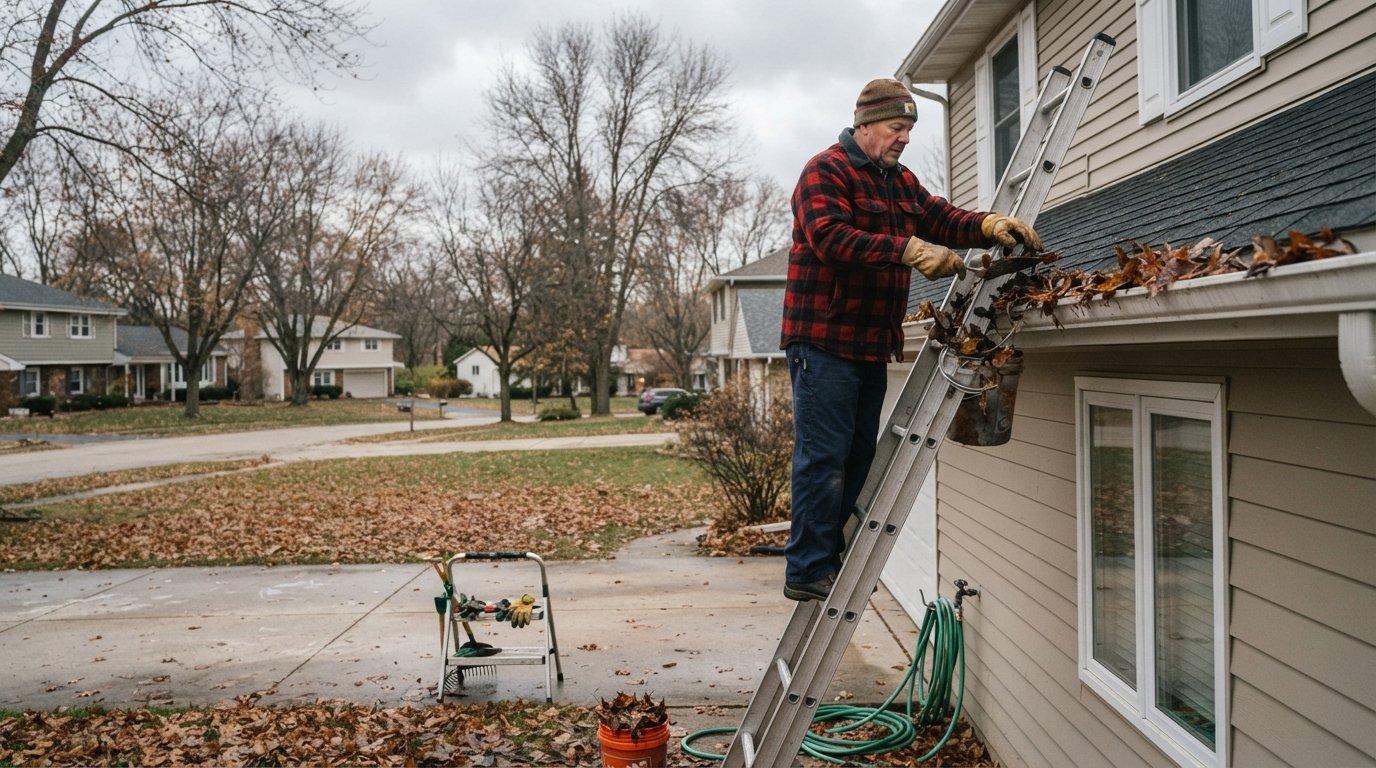
Water is the most destructive force in a winterized home, and it usually enters from above or below. Clogged gutters are the classic culprit: when leaves and grit block the flow, meltwater backs up under the roof edge, freezes, and pushes shingles apart. Before the first freeze, clear every run of gutter and flush the downspouts with a hose. While you are up there, check that downspouts discharge at least four to six feet away from the foundation and that the soil slopes away from the house.
The roof itself deserves a close look. Look for lifted, cracked, or missing shingles, worn flashing around the chimney and vents, and any sign of granules collecting in the gutters. Small repairs now are far cheaper than emergency repairs after a snow load or ice dam forms. If you are not comfortable on a ladder, or if the roof pitch is steep, this is a job for a professional. Our guide on a fall home maintenance checklist before winter hits covers additional roof and gutter details you can use as a cross-check.
Exterior sealing rounds out the top priority tier. Walk the perimeter and seal gaps around pipes, vents, and utility penetrations with exterior-grade caulk. Replace worn weatherstripping on doors and windows, and install door sweeps where you feel a draft. These steps keep cold air out, keep heated air in, and reduce the chance that moisture finds a path into wall cavities where it can freeze and expand. If siding is loose or a window seal has failed, a siding or window contractor can correct it before the weather turns.
Heating System: Furnace Inspection, Filters, and Thermostat
Your heating system will run almost nonstop for months, so it needs attention before the first cold snap. Change the furnace filter now, and note the size so you can stock replacements. A clogged filter forces the blower to work harder, which raises energy bills and shortens equipment life. If you have a programmable or smart thermostat, test it in heat mode and set a schedule that matches your household routine. A common winter setting is 68 degrees Fahrenheit while you are awake and home, with a setback of seven to ten degrees while you sleep or are away.
An annual furnace inspection is worth scheduling with a licensed HVAC technician. The technician will clean the burners, check the heat exchanger for cracks, test the blower motor, and verify that the flue is venting properly. A cracked heat exchanger can leak carbon monoxide into the home, so this is not a task to skip or improvise. While the technician is on site, ask them to check the condensate line and the outdoor unit if you have a heat pump. Book the visit early: HVAC companies fill their calendars quickly once the first freeze appears in the forecast.
Do not forget the humidifier and air filter accessories if your system has them. Replace the humidifier pad, check the water panel, and confirm the bypass damper is set for winter operation. If your home has a boiler, have it serviced as well, and check that radiators are bled and free of air pockets. A few minutes with a radiator key can restore even heat distribution and prevent noisy pipes.
Pipes, Hose Bibs, and Vacation Settings
Frozen pipes are the most expensive winter maintenance failure, and they are almost entirely preventable. Start by disconnecting garden hoses and shutting off the outdoor hose bibs. If your bibs have a separate interior shutoff valve, close it and drain the line. For frost-free sillcocks, remove the hose and let the fixture drain. Any exposed pipe in an unheated space, such as a garage, crawlspace, attic, or basement, should be wrapped with foam insulation or heat tape. Pay special attention to pipes along exterior walls and under sinks on outside walls.
If you plan to travel during the winter, set the thermostat no lower than 55 degrees Fahrenheit and ask a neighbor to check the house periodically. Shut off the main water supply if the house will be empty for an extended period, and consider installing a leak detector or automatic shutoff valve. These devices can alert you or cut the water supply when a leak is detected, which limits damage while you are away. A licensed plumber can install a shutoff valve and inspect your plumbing for weak points before the cold sets in.
Chimney and Fireplace Safety Checks
If you burn wood or use a gas fireplace, the chimney needs an annual inspection and cleaning. Creosote buildup in a wood-burning flue is highly flammable, and a blocked flue can send carbon monoxide into the living space. A certified chimney sweep will brush the flue, check the damper, inspect the firebox and cap, and look for cracks in the masonry. Gas fireplaces also need periodic service to confirm that the venting is clear and the logs and ignition system are working correctly.
Before the first fire, clear the area around the hearth, confirm the damper opens and closes smoothly, and test smoke and carbon monoxide detectors. Replace the batteries in both, and check the expiration date on the detector itself. If you use a wood stove, verify that the stovepipe connections are tight and that the stove meets clearance requirements from combustible walls and floors. When in doubt, hire a professional: fireplace and chimney work is not a do-it-yourself category for most homeowners.
Which Tasks Are DIY and Which Need a Licensed Pro
Some winterization tasks are well within reach for a careful homeowner, while others involve safety risks or building code requirements that call for a licensed professional. Use this quick breakdown to plan your weekend:
- DIY-friendly: changing furnace filters, clearing gutters from a stable ladder, sealing gaps with caulk, installing weatherstripping and door sweeps, wrapping exposed pipes with foam insulation, disconnecting hoses, and testing detectors.
- Hire a licensed pro: furnace and boiler inspections, chimney sweeping and inspection, gas fireplace service, electrical work for heat tape or shutoff valves, roof repairs, and any plumbing changes that involve soldering or new lines.
If you are unsure whether a task crosses the line, err on the side of caution. A licensed contractor carries insurance and permits, and their work is more likely to pass inspection and hold up under warranty. For homeowners who want to compare vetted professionals in their area, PlanRemodel offers a directory of pre-vetted contractors and educational resources that can help you request multiple quotes without obligation. The platform covers roofing, HVAC, plumbing, and more, so you can line up the right specialist before the first freeze.
Outdoor Prep and Landscape Protection
Winter weather also takes a toll on the yard and hardscape. Drain and store garden hoses, shut off irrigation systems, and blow out sprinkler lines if you live in a freezing climate. Store patio furniture and grills, or cover them securely. Trim tree branches that hang over the roof or power lines, and remove dead limbs that could come down under snow or ice. If you have a deck, clear debris from between boards and check for loose fasteners; a deck contractor can repair structural issues before winter.
For driveways and walkways, stock up on ice melt that is safe for concrete and pets, and store it in a dry place. Check exterior lighting and replace bulbs so that walkways are well lit during early sunsets. If you have a sump pump, test it by pouring water into the pit and confirming that it kicks on and discharges away from the foundation. A failed sump pump during a winter thaw can flood a basement quickly.
Indoor Air Quality and Safety Checks
Closed-up winter homes trap dust, mold spores, and combustion byproducts. Change the filter in your HVAC system, clean the vents and returns, and consider a professional duct cleaning if you have not had one in several years. Test carbon monoxide detectors on every level of the home and outside sleeping areas. If you use a portable generator during outages, never run it indoors or in an attached garage, and keep it at least 20 feet from windows and doors.
Check the dryer vent for lint buildup, and confirm that the exterior vent flap opens and closes freely. Clean the lint trap after every load, and have the duct cleaned if airflow seems weak. A clogged dryer vent is a fire hazard year-round, but the risk rises in winter when the house is sealed tight. Also inspect the attic for signs of moisture, such as frost on the roof deck or damp insulation, which can indicate poor ventilation or air leaks.
Budgeting and Scheduling Your Checklist
A winterization checklist is also a budgeting exercise. Most DIY tasks cost under $100 in materials, while professional inspections and repairs vary by region and system age. Set aside a contingency fund for unexpected repairs, and prioritize the tasks that prevent the most expensive damage: gutters, roof, pipes, and heating. If you need help finding a qualified contractor for any item on this list, Homes.Contractors provides free, no-obligation quotes from local professionals, and you can verify licenses and insurance before hiring.
Schedule the work in order of risk. Exterior and roof tasks come first because they protect the structure. Heating and plumbing come next because they prevent the most common winter emergencies. Chimney and fireplace checks should happen before the first fire, and indoor air quality tasks can follow. Keep a written record of what you completed and when, so next fall's checklist is faster and easier.
By working through this fall and winter home maintenance checklist before freezing weather, you turn a stressful season into a manageable one. A few hours of prep now can prevent burst pipes, ice dams, and furnace failures later, and it gives you confidence that your home is ready for whatever the forecast brings. When a task calls for a licensed pro, compare quotes early and keep your records organized.