
Fall Home Maintenance Checklist Before Winter Hits
Work through a fall home maintenance checklist before winter to prevent frozen pipes, ice dams, and costly emergency repairs when temperatures drop.
By Danica Leslie
Learn more about Weatherization for guides, costs, and what to expect.
Compare Weatherization Pros Near You

Enter your ZIP code to compare top-rated local professionals and request free quotes.
The first hard freeze always seems to arrive earlier than expected. One morning the lawn is still green, and the next, your pipes are groaning and the furnace is fighting for its life. Every year, homeowners who skipped their autumn walkthrough end up paying for it in emergency repair bills, insurance headaches, and cold nights waiting on a service call. A disciplined fall home maintenance checklist before winter is not busywork. It is the cheapest insurance policy you will ever buy for your house.
The good news is that most of this work is simple, inexpensive, and entirely within reach of a weekend or two. Some tasks take ten minutes. A few require a ladder or a flashlight and a slow crawl through the attic. And a handful, like roof repairs or HVAC service, are best handed to a licensed professional. Knowing which is which is exactly what separates a smooth winter from a stressful one.
Start With the Roof, Gutters, and Drainage
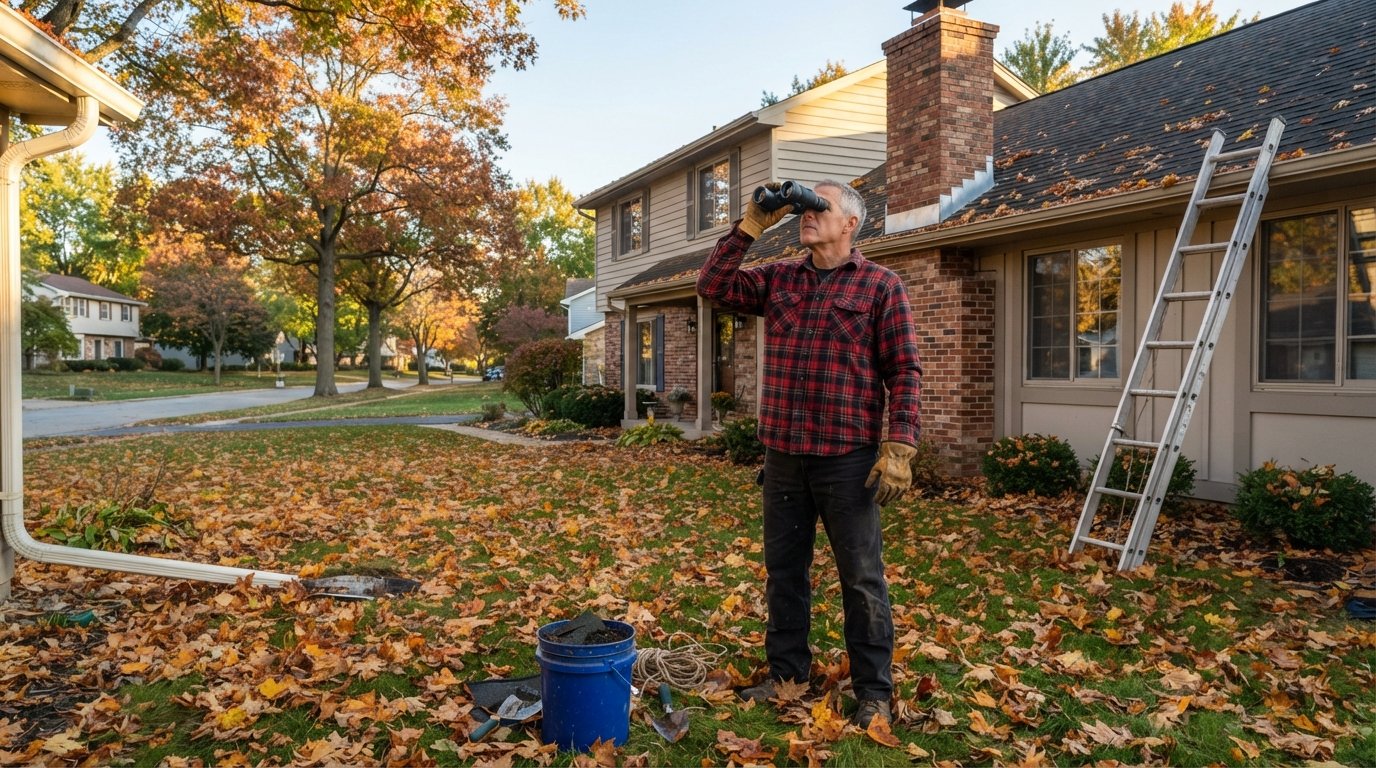
Water is the single most destructive force your home faces in winter, and almost all of it arrives from above. Before the first snow or the first hard rain, walk your property and look at the roof from the ground with binoculars. You are checking for curling, cracked, or missing shingles, rusted flashing around chimneys and vents, and any granule buildup in the gutters below. Small roof problems that seem harmless in October become ice dam fuel in January, and ice dams can push water straight under your shingles and into your ceilings.
Once the roof checks out, clean the gutters and downspouts completely. Leaves, twigs, and shingle grit are the most common cause of overflow, and overflow means water running down your fascia, soaking your foundation, and pooling near your basement walls. While you are up there, confirm that downspouts discharge at least four to six feet away from the foundation and that extensions are still attached. If your gutters are chronically clogged, a fitted gutter guard is often worth the cost.
Finally, grade the soil around the house. The ground should slope away from the foundation at roughly a six-inch drop over the first ten feet. If it does not, add compacted soil and recheck after the first heavy rain. This one step prevents more basement water problems than almost any other fall task.
Seal the Envelope: Windows, Doors, and Insulation
Air leaks are silent money thieves. A single unsealed door frame or a cracked window caulk line can bleed heat all winter and force your furnace to work harder than it should. Walk the interior of your home on a windy day and feel around window frames, door frames, electrical outlets on exterior walls, and the baseboards along outside walls. If you feel a draft, you have found a leak worth fixing.
Caulk and weatherstrip are cheap and effective. Re-caulk any window or door trim where the seal has shrunk or cracked, and replace worn weatherstripping on exterior doors. Add foam gaskets behind exterior outlet and switch plates. For older homes, plastic window film kits are a low-cost way to add an extra air barrier, though they are not a substitute for proper insulation or window replacement.
Attic insulation deserves a closer look than most homeowners give it. Heat rises, and an under-insulated attic lets your expensive heated air escape through the roof. Check the depth of your insulation against the recommended R-value for your climate zone, and look for compressed, wet, or missing sections. If your attic is consistently cold in winter and hot in summer, insulation is usually the culprit. For a deeper look at what professional repairs and upgrades should cost before you commit, this guide to home repair estimates online can help you benchmark quotes.
Heating System and Chimney Service
Your furnace or heat pump has been idle for months, and the first cold snap is the worst possible time to discover a problem. Schedule a professional HVAC inspection in early fall, before service calendars fill up. A technician will clean the burners, check the heat exchanger for cracks, test the blower motor, and verify that the system is running safely and efficiently. This is also the right time to replace the air filter, and you should plan to check it monthly through the winter.
If you heat with a wood stove, fireplace, or pellet stove, have the chimney inspected and swept by a certified chimney professional. Creosote buildup is the leading cause of chimney fires, and it accumulates quietly all season. The inspection also catches cracked flue tiles, damaged caps, and animal nests that can block airflow.
Do not forget carbon monoxide safety. Test every CO detector in the house, replace the batteries, and confirm you have at least one detector on each level and near sleeping areas. If you do not have a CO detector, buy one today. It costs less than a service call and can save lives.
While you are thinking about major systems, this is also the right moment to consider whether any larger upgrade, such as window replacement, solar, or a full HVAC changeout, makes sense before winter pricing and demand rise. Platforms like USremodel connect homeowners with independent local contractors for those bigger projects, which can be a practical first step if your fall inspection turns up something beyond a simple repair.
Plumbing and Pipe Freeze Protection
Frozen pipes are one of the most expensive winter disasters a homeowner can face, and they are almost entirely preventable. Start by locating the pipes most at risk: those in unheated basements, crawl spaces, garages, attics, and along exterior walls. Any pipe that has frozen before will likely freeze again.
Insulate exposed pipes with foam pipe sleeves or heat tape, paying special attention to elbows, joints, and any section near an exterior vent. Disconnect garden hoses, drain outdoor spigots, and shut off and drain any irrigation systems. If you have a sprinkler system, have it blown out by a professional before the first freeze.
Know where your main water shutoff valve is and make sure it turns freely. If a pipe bursts while you are away, being able to shut off the water quickly can mean the difference between a small cleanup and a full flooring and drywall replacement. If you travel during winter, set your thermostat no lower than 55 degrees Fahrenheit and consider asking a neighbor to check the house after hard freezes.
Water heaters also deserve attention in fall. Flush the tank to remove sediment, test the pressure relief valve, and check for corrosion around the fittings. A water heater that fails in January is an emergency; one you service in October is a planned expense.
Exterior Surfaces, Decks, and Driveways
Winter is hard on anything outdoors, so take stock of your exterior surfaces before the freeze sets in. Walk the driveway, patio, and walkways and seal any cracks wider than a quarter inch. Water that seeps into cracks, freezes, and expands will widen them year after year until a simple seal becomes a full replacement.
Inspect your deck for loose boards, popped nails, and soft spots that could indicate rot. Tighten or replace hardware, and apply a fresh coat of sealant or stain if the wood has gone gray or dry. Wood that absorbs water through winter will rot faster, and a deck repair in spring is far more expensive than a fall resealing.
Check exterior paint and siding as well. Peeling paint and cracked caulk around windows and trim let water into the wall assembly. Touch up small areas now, and if the siding itself is failing, plan a proper assessment rather than a patch. The same logic applies to masonry: repair cracked mortar joints and tuckpoint where needed, because freeze-thaw cycles punish weak mortar.
Safety Systems and Emergency Readiness
Fall is the ideal time to run through every safety system in the house while the weather is still mild and the days are still long. Test smoke detectors and carbon monoxide alarms, replace batteries, and check the expiration date on each unit. Most detectors should be replaced every ten years regardless of whether they still beep.
Check that your fire extinguishers are charged and accessible, especially in the kitchen and near any heating equipment. If you use a generator, test it under load, store stabilized fuel, and never run it indoors or in a garage. If you rely on a sump pump, test it by pouring water into the pit and confirm the float activates the pump. A failed sump pump during a winter thaw can flood a basement overnight.
Build or refresh an emergency kit for the house. At minimum, include:
- Flashlights, extra batteries, and a battery-powered or hand-crank radio
- Bottled water, nonperishable food, and a manual can opener
- A basic first aid kit and any prescription medications
- Blankets, warm clothing, and a safe alternative heat source with proper ventilation
- Ice melt, snow shovels, and sand or kitty litter for traction
Keep the kit in a place everyone in the household knows. Review your family emergency plan, including how you would communicate if power and cell service go down. These steps take an afternoon and pay off in the worst-case scenario.
When to Call a Pro Instead of Doing It Yourself
Many fall maintenance tasks are safe DIY projects: cleaning gutters, caulking windows, replacing filters, and testing alarms. Others are genuinely better left to licensed professionals. Roof work, chimney sweeping, HVAC service, electrical repairs, and any structural issue should be handled by qualified contractors, both for safety and for warranty and insurance reasons.
If your fall inspection turns up a project that is beyond a simple repair, get multiple written estimates before you commit. Homeowners who collect three or more quotes typically save significantly compared to those who accept the first bid, and the comparison process also helps you spot contractors who are pricing too low to do the work properly. Ask each contractor for proof of license, insurance, and references, and put the scope, timeline, and payment schedule in writing.
It also helps to understand typical costs before you start calling. Knowing rough price ranges for common fall and winter repairs, from furnace tune-ups to roof patching, keeps you from overpaying and helps you prioritize which projects to tackle now versus in spring. If a major system is near the end of its life, fall is often the best time to replace it, before winter demand drives up prices and wait times.
A Simple Order of Operations
If the checklist feels overwhelming, work through it in a logical sequence rather than jumping around. Start with water and heat, because those are the two systems that cause the most expensive winter damage. Then move to air sealing and insulation, which reduce your heating bills all season. Finish with safety checks and exterior surfaces, which are lower risk but still important.
Set aside two weekends in early to mid fall. Use the first for roof, gutters, grading, and exterior surfaces, and the second for HVAC, plumbing, insulation, and safety systems. Anything that requires a licensed professional should be scheduled as early as possible, since contractors book up fast once the first cold front appears in the forecast.
Done properly, a fall home maintenance checklist before winter takes far less time and money than most homeowners expect. It is the difference between a season of comfort and a season of surprises. Walk the house, fix the small things, call a pro for the rest, and you will head into winter knowing your home is ready for whatever the weather brings.
Learn more about Weatherization for guides, costs, and what to expect.
Compare Weatherization Pros Near You
Enter your ZIP code to compare top-rated local professionals and request free quotes.