
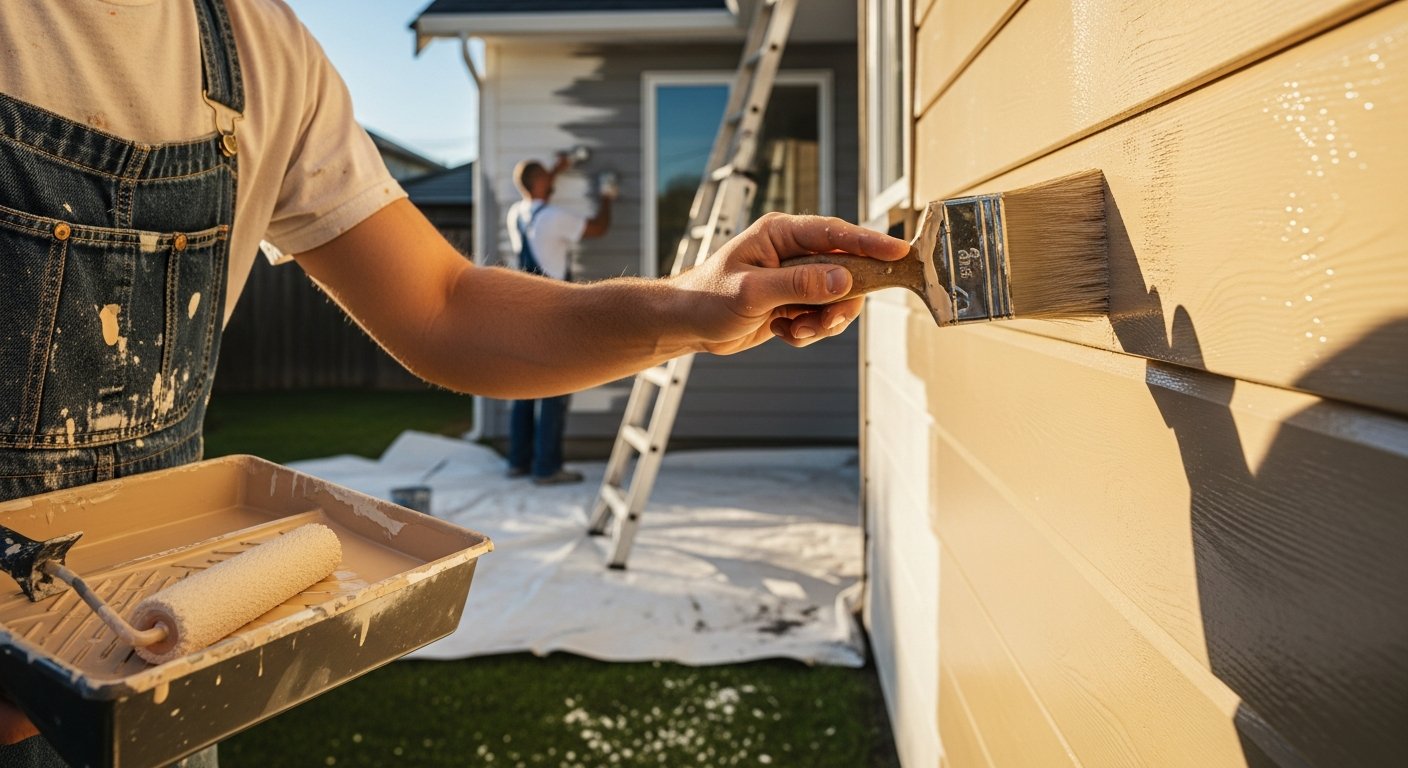
Exterior Painting: Prep, Timing, and Hiring Pros
Exterior painting protects your home and boosts curb appeal. Learn the key steps for prep, timing, and hiring the right pro for a lasting finish.
By Adnan Nazir
Learn more about Exterior Painting for guides, costs, and what to expect.
Compare Exterior Painting Pros Near You

Enter your ZIP code to compare top-rated local professionals and request free quotes.
Your home's exterior is the first thing people see, and it takes a beating from sun, rain, wind, and temperature swings. A fresh coat of paint does more than boost curb appeal: it protects your siding, trim, and doors from moisture damage, rot, and pests. But exterior painting is not a weekend project you can rush. Doing it right requires careful planning, proper surface preparation, and a skilled hand. Whether you plan to tackle it yourself or hire a contractor, understanding the key steps and costs will help you achieve a durable, beautiful finish that lasts for years.
In this guide, we walk through the essential phases of an exterior paint job, from choosing the right time of year to selecting materials and evaluating professional quotes. We also show you how to use a service like Homes.Contractors to connect with pre-vetted painting pros in your area. By the end, you will know exactly what to expect and how to avoid the most common mistakes that lead to peeling, cracking, and wasted money.
Why Exterior Painting Is More Than Cosmetic
Paint acts as a protective skin for your home. It seals out moisture, prevents wood from rotting, stops metal from rusting, and shields masonry from freeze-thaw damage. Without a sound paint layer, your home's exterior materials degrade much faster. For example, bare wood siding can absorb water, swell, and eventually rot. Likewise, stucco that is not properly sealed can develop cracks that let water behind the wall, leading to structural issues and mold growth.
Beyond protection, a well-maintained exterior directly affects your property's value. According to real estate experts, a fresh exterior paint job can return more than 50 percent of its cost in added resale value. Even if you are not selling, a clean, cohesive color scheme makes your home feel inviting and well cared for. It also sets the tone for the entire neighborhood.
Given these benefits, exterior painting is a smart investment. But the key to reaping those rewards lies in doing the job correctly the first time. That means paying attention to surface prep, using quality paints, and applying them under the right conditions. Let us break down each step so you can approach your project with confidence.
When to Paint: Timing and Weather Conditions
Timing is everything in exterior painting. Paint needs a moderate temperature range to cure properly, usually between 50 and 85 degrees Fahrenheit. If it is too cold, the paint will not dry evenly and may fail to bond. If it is too hot, the solvent evaporates too quickly, leaving brush marks and a weak film. Ideal conditions are mild, dry days with low humidity and little wind.
In most parts of the United States, spring and early fall are the best seasons for exterior work. Summer can work in northern climates, but southern states often push painting into late fall or even winter, as long as temperatures stay above freezing. Avoid painting during rainy spells or when frost is expected overnight. Also, direct sunlight on a wall can cause uneven drying, so many pros prefer to paint the shaded side of the house first and follow the sun around the building.
Signs That Your Home Needs a New Coat
How do you know when it is time to repaint? Look for these warning signs:
Peeling or cracking paint, especially on trim and around windows. This exposes bare wood to moisture.
- Chalking: if you run your hand across the siding and get a powdery residue, the paint is breaking down.
- Fading or color change, particularly on south-facing walls that get the most sun.
- Bubbling or blistering, which often indicates moisture trapped under the paint film.
- Visible mildew or mold growth on the surface.
If you notice any of these issues, address them promptly. Waiting too long can lead to more extensive damage, such as rotting sheathing or structural decay, which turns a painting project into a costly repair.
Preparation: The Foundation of a Lasting Finish
Professional painters will tell you that prep work is 80 percent of the job. Skipping it is the fastest way to end up with a paint job that fails within a year. Here is what proper preparation involves.
First, clean the entire surface. Dirt, mildew, and loose paint must be removed before any new paint can adhere. A power washer can handle most grime, but use it carefully to avoid driving water behind siding or into windows. For stubborn mildew, a solution of bleach and water applied with a soft brush works well. After cleaning, allow the surface to dry completely, which can take up to two days.
Next, scrape and sand any loose or peeling paint. You do not need to strip the whole house unless the paint is failing everywhere. Just remove the loose areas and feather the edges with sandpaper. Then, caulk all gaps around windows, doors, and corners. Use a high-quality exterior caulk that stays flexible to prevent future cracks. Prime bare wood or patched areas with a stain-blocking primer. This step ensures good adhesion and prevents tannins from bleeding through the topcoat.
Finally, protect everything you do not want painted. Cover windows, doors, and fixtures with plastic sheeting or painter's tape. Lay drop cloths over shrubs, walkways, and outdoor furniture. This not only keeps the job tidy but also prevents paint drips from damaging your landscaping or hardscaping.
Choosing Paint and Materials
The type of paint you choose matters as much as the preparation. Exterior paints are formulated to withstand UV rays, moisture, and temperature extremes. Look for a 100 percent acrylic latex paint, which offers excellent flexibility and adhesion. Acrylic paints resist fading and chalking better than vinyl or alkyd options, and they clean up with soap and water.
You also need to select a sheen. Flat or matte finishes hide imperfections on older siding but are less washable. Satin and semi-gloss finishes are easier to clean and more durable, making them ideal for trim, doors, and shutters. Many painters recommend a combination: flat on large wall areas and satin or semi-gloss on trim for a subtle contrast.
Color choice is another consideration. Darker colors absorb more heat, which can cause paint to fail faster in hot climates. They also require more coats for even coverage. Lighter colors reflect heat and help your home stay cooler, but they may show dirt more easily. Neutral tones like beige, gray, and sage are popular because they pair well with any roof and landscaping. If you are unsure, test a few samples on different sides of the house and observe them at various times of day.
Finally, buy quality brushes and rollers. Cheap tools leave streaks and shed bristles. A good 4-inch brush for cutting in and a 9-inch roller with a 1/2-inch nap for siding will give you a smooth, professional result. If you are using a sprayer, practice on a scrap board first to get the hang of the technique.
Hiring a Professional vs. DIY
Exterior painting is physically demanding and time-consuming. A typical single-story home can take a team of two to three days to prep and paint, while a two-story house may take a week or more. You also need ladders, scaffolding, and safety gear. Climbing a ladder while holding a paint bucket is risky, especially on uneven ground.
Hiring a professional painting contractor offers several advantages. They have the experience to spot hidden issues like rotted wood or insect damage. They also have the equipment to work safely at heights. Most importantly, they guarantee their work, so if the paint peels within a year, they will come back and fix it at no extra charge. That peace of mind is often worth the cost.
On the other hand, if your home is a single-story ranch with minimal trim, and you have the time and physical ability, DIY can save you a significant amount of money. You will still need to invest in quality paint and tools, but your labor is free. Just be realistic about your skill level and the size of the project. A botched paint job is harder to fix than it is to do it right the first time.
How to Compare Contractor Quotes
When you decide to hire a pro, getting multiple quotes is essential. Prices vary widely based on location, house size, number of stories, and the condition of your siding. To make accurate comparisons, ask each contractor for a detailed written estimate that breaks down labor, materials, prep work, and any optional upgrades.
Here is a checklist to use when evaluating bids:
- Does the quote specify the type and brand of paint?
- Does it include power washing, scraping, sanding, caulking, and priming?
- Will the contractor repair rotted wood or replace siding if needed?
- What is the warranty, and what does it cover (e.g., peeling, fading, failure)?
- Is the contractor licensed and insured? Ask for proof of insurance.
- How many coats of paint are included? Two coats are standard for a durable finish.
Beware of bids that are significantly lower than others. They often cut corners by skipping prep or using cheap paint. Also, be wary of contractors who demand a large deposit upfront. A deposit of 10 to 20 percent is normal, but the balance should be due only after the work is completed to your satisfaction. Always get everything in writing, including the start date, estimated completion date, and payment schedule.
Using a directory like Homes.Contractors can simplify this process. The platform lets you request free quotes from multiple pre-vetted contractors in your area. You can compare their estimates side by side, read reviews from other homeowners, and choose the professional who best fits your budget and timeline. This approach saves you hours of research and helps you avoid unlicensed or unreliable operators.
Cost Factors and Budgeting
The cost of exterior painting depends on several variables. The size of your home is the biggest factor. A typical 1,500-square-foot single-story house might cost between $1,500 and $4,000 for a full paint job, while a larger two-story home can run $3,000 to $7,000 or more. These figures include labor and materials but vary by region and the condition of your siding.
Other factors that influence price:
- Number of stories: two-story homes require more time and safety equipment.
- Siding material: wood and stucco are more labor-intensive to paint than vinyl or aluminum.
- Condition of the surface: extensive scraping, priming, or repairs add to the cost.
- Paint quality: premium paints cost more but last longer and look better.
- Trim complexity: multiple colors and intricate trim increase both labor and material costs.
To budget accurately, get at least three quotes and compare them on a per-square-foot basis. This helps you see if one contractor is charging significantly more for the same scope of work. Remember that the cheapest quote is not always the best value. A slightly higher price may buy you better materials, more experience, or a longer warranty.
If you are financing your project, consider home improvement loans or credit cards with promotional 0 percent interest periods. Just make sure you can pay off the balance before the promotional rate expires. Alternatively, some contractors offer payment plans, but interest rates may be high. Always read the fine print.
Maintenance and Longevity
Once your exterior paint job is complete, regular maintenance will extend its life. Inspect your home twice a year, in spring and fall, for any signs of wear. Look for cracks in caulking, peeling paint, or areas where moisture might be getting in. Touch up small problems immediately before they become larger issues.
Cleaning your exterior annually is also beneficial. A gentle wash with a garden hose and a soft brush can remove dirt, pollen, and mildew. Avoid using a pressure washer on full blast, as it can damage the paint film. If you see mildew, treat it with a mild bleach solution and rinse thoroughly.
Depending on your climate and the quality of the paint, a well-maintained exterior paint job can last anywhere from five to ten years. In areas with harsh sunlight, extreme temperatures, or frequent storms, repainting may be needed more often. By staying proactive, you protect your investment and keep your home looking its best.
Final Thoughts
Exterior painting is one of the most effective ways to enhance your home's beauty, protect its structure, and increase its value. But success hinges on careful planning, proper surface preparation, and choosing the right materials and professionals. Whether you decide to tackle the job yourself or hire a contractor, the insights in this guide will help you avoid costly mistakes and achieve a finish that stands up to the elements.
If you are ready to start your project, the smartest move is to compare quotes from qualified professionals. Homes.Contractors makes it easy to connect with pre-vetted painting contractors in your area. Request free quotes today and take the first step toward a beautiful, long-lasting exterior that you can be proud of.
Learn more about Exterior Painting for guides, costs, and what to expect.
Compare Exterior Painting Pros Near You
Enter your ZIP code to compare top-rated local professionals and request free quotes.