
Do I Need a Permit for a Bathroom Remodel? 2026 Guide
Do I need a permit for a bathroom remodel? Most projects require one. Learn when permits are mandatory and how to avoid fines and delays.
By Adnan Nazir
Learn more about Bathroom Remodel for guides, costs, and what to expect.
Compare Bathroom Remodel Pros Near You

Enter your ZIP code to compare top-rated local professionals and request free quotes.
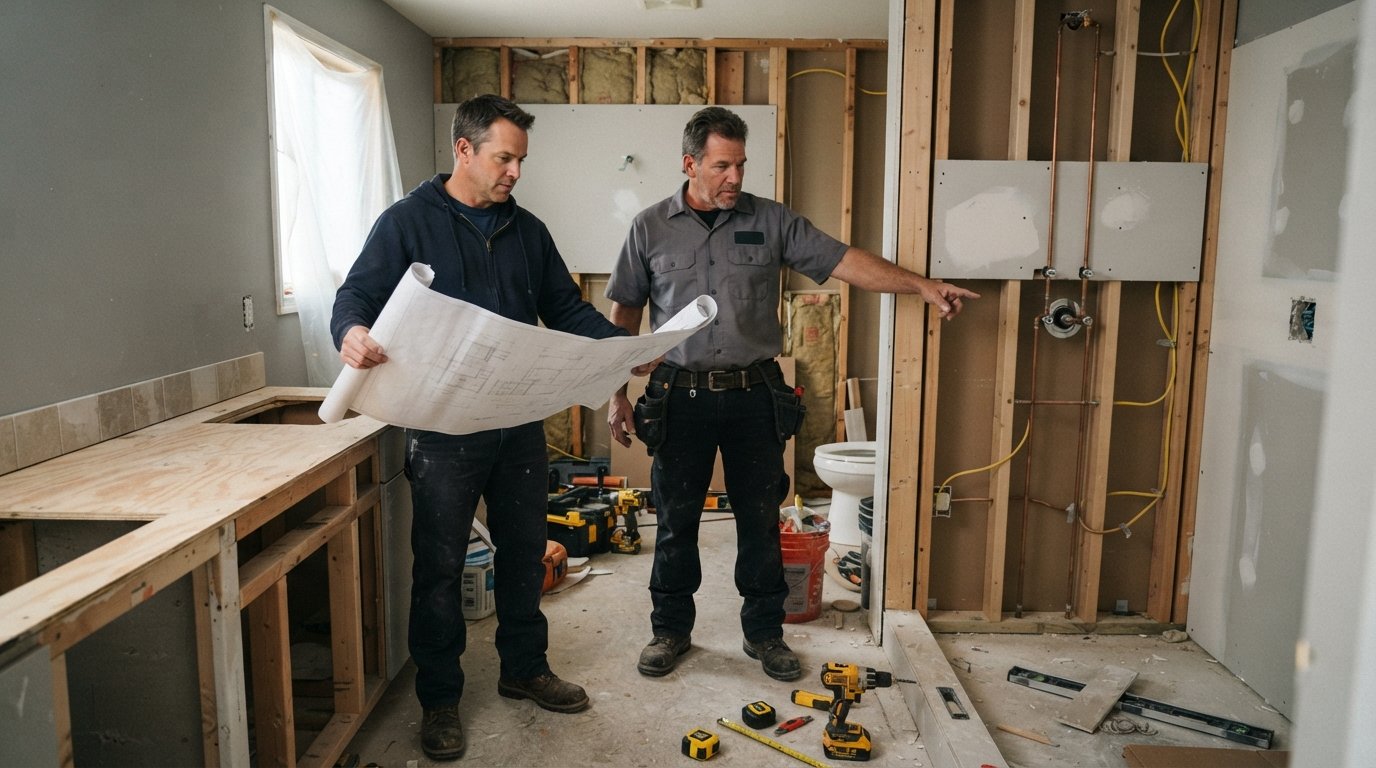
You are standing in a dated bathroom, envisioning a spa-like retreat with a walk-in shower, new tile, and a double vanity. Before you swing a hammer or sign a contractor agreement, one question can make or break your project: do I need a permit for a bathroom remodel? The answer is almost always yes, but the specifics depend on what you plan to change. Skipping the permit can lead to fines, forced demolition, and major headaches when you sell your home. This guide walks you through when permits are required, how to get them, and why working with a licensed contractor makes the process far smoother.
When a Bathroom Remodel Requires a Permit
Building codes exist to protect your safety and the value of your home. Any work that touches the structural, electrical, plumbing, or mechanical systems of your bathroom will require a permit. Cosmetic updates, like painting or swapping out a faucet, typically do not. The line between cosmetic and permitted work is clearer than you might think.
Here are the most common bathroom remodel tasks that require a permit:
- Moving or adding plumbing lines, including relocating a sink, toilet, or shower
- Installing new electrical outlets, GFCI receptacles, or light fixtures
- Adding or relocating a vent fan or upgrading HVAC connections
- Removing or altering load-bearing walls
- Changing the footprint of the bathroom or converting a window to a door
- Installing a new shower pan or tub where none existed before
- Replacing a water heater or updating major appliance connections
If your project involves only surface-level changes, such as replacing a vanity top, installing a new mirror, or regrouting tile, you likely do not need a permit. However, even small plumbing changes like swapping a standard toilet for a bidet seat with an electrical connection can trigger a permit requirement. Always check with your local building department before assuming your project is exempt.
Cosmetic vs. Structural: Where the Permit Line Falls
Homeowners often assume that because they are not moving walls, they are in the clear. But permits are not just about structure. They cover the systems behind the walls that keep your home safe and functional. A bathroom is one of the most code-regulated rooms in the house because it combines water, electricity, and humidity in a small space.
Cosmetic work that usually does not require a permit includes:
- Painting walls, ceilings, or cabinets
- Replacing a toilet with a similar model (no plumbing line changes)
- Swapping out a light fixture if the wiring remains the same
- Installing a new mirror, towel bars, or shelving
- Refinishing or reglazing a tub or tile
- Replacing a vanity top without moving plumbing
Structural or system-level work that always requires a permit includes:
- Relocating or adding a toilet, sink, or shower
- Adding a new electrical circuit or outlet
- Installing a new exhaust fan or upgrading ductwork
- Removing a wall or creating a new doorway
- Replacing a tub with a walk-in shower that changes the drain location
- Any work that involves cutting into the framing or subfloor
If you are unsure, the safest approach is to call your local building department. A quick phone call can save you thousands in fines and rework. In many jurisdictions, even a simple permit application can be filed online, and the fee is a small price for peace of mind.
How to Obtain a Bathroom Remodel Permit
The permit process varies by city and county, but the general steps are similar across most of the United States. Understanding the sequence helps you plan your timeline and avoid delays. Most homeowners hire a licensed contractor who handles the permitting, but you can also pull permits yourself as the homeowner in many areas.
Here is a typical permit application process:
- Determine which permits are required: building, electrical, plumbing, and mechanical permits are often separate.
- Prepare your plans: you will need drawings showing the layout, dimensions, and scope of work. Some small projects may only require a description.
- Submit your application: this can be done online, by mail, or in person at your local building department.
- Pay the permit fees: fees are usually based on the project value or square footage and can range from $50 to several hundred dollars.
- Schedule inspections: once work begins, you will need inspections at specific stages (rough-in, insulation, final).
- Get final approval: after all inspections pass, the permit is closed, and your remodel is officially legal.
If you hire a contractor, confirm that they will pull the permits. Some homeowners prefer to pull permits themselves to maintain control, but this can complicate insurance and liability if something goes wrong. A reputable contractor will include permit costs in their estimate and handle the paperwork.
Consequences of Remodeling Without a Permit
Skipping the permit might seem like a way to save time and money, but the risks far outweigh the short-term savings. Unpermitted work can lead to serious financial and legal consequences. Here is what can happen if you remodel your bathroom without the required permits:
- Fines and penalties: local building departments can issue citations and daily fines until the work is brought into compliance.
- Forced demolition: if the work does not meet code, you may be required to tear it out and start over with proper permits.
- Failed inspections: when you sell your home, a home inspector or appraiser may flag unpermitted work, jeopardizing the sale.
- Insurance denial: if a fire or flood occurs due to unpermitted electrical or plumbing work, your insurance company may deny your claim.
- Liability: if a contractor or future homeowner is injured due to unsafe work, you could be held liable.
- Difficulty selling: buyers and their agents often check permit history, and unpermitted work can reduce your home's value or kill a deal.
In some cases, you can apply for a retroactive permit, but this often involves paying double fees and exposing your home to inspection, which may reveal other code violations. The best approach is to get the permit before you start.
Working with a Licensed Contractor
Hiring a licensed contractor is the most reliable way to ensure your bathroom remodel is permitted and code-compliant. A licensed professional knows the local building codes, has experience with the permit process, and can coordinate inspections. They also carry insurance and bonding, which protects you if something goes wrong.
When you work with a contractor, clarify who is responsible for pulling permits. In most cases, the contractor will obtain the permits and include the cost in their bid. You should verify their license number and check that it is active with your state licensing board. Also, ask for a copy of their insurance certificate and confirm that it covers workers' compensation and general liability.
If you are looking for a bathroom remodel cost estimate to plan your budget, keep in mind that permit fees and contractor labor are part of the total. A detailed estimate should break down materials, labor, permits, and any other fees. This transparency helps you compare bids and avoid surprise charges later.
For homeowners who want to find pre-vetted contractors in their area, resources like homes.contractors can simplify the search. The platform connects you with local professionals who specialize in bathroom remodeling and can guide you through the permitting process. You can request multiple quotes and compare them side by side, all without obligation.
Special Considerations for Different States
Permit requirements can vary significantly from state to state, and even from one city to the next. What is exempt in a rural area might require a permit in a major city. For example, some jurisdictions require a permit for any plumbing work, while others allow homeowners to replace a toilet without one. Similarly, electrical work almost always requires a permit, but the scope of what is considered electrical can differ.
In Florida, for instance, bathroom remodels that involve plumbing or electrical changes require permits, and the state has specific requirements for hurricane-resistant construction. In Ohio, local building departments govern permits, and homeowners can often pull their own permits for minor work. In Texas, some cities require permits for any structural or system changes, while others have more lenient rules for cosmetic updates.
To avoid guesswork, check your local building department's website or call them directly. Many departments have online portals where you can look up permit requirements by project type. If you are working with a contractor, they should be familiar with the local rules and can advise you accordingly.
How to Budget for Permits and Inspections
Permit fees are a relatively small part of your overall bathroom remodel budget, but they are essential. Fees typically range from $50 to $500, depending on the scope of work and your location. In some high-cost areas, permit fees can exceed $1,000 for major remodels. Inspections are usually included in the permit fee, but missed inspections or re-inspections may incur additional charges.
When planning your budget, allocate 5 to 10 percent of your total project cost for permits and contingency. This buffer covers unexpected fees, such as a required engineering report or a last-minute code upgrade. It also helps you avoid cutting corners when the budget gets tight.
Remember that unpermitted work can cost far more in the long run. Fines, legal fees, and remediation can easily exceed the cost of a permit. Plus, a permitted remodel adds value to your home and gives you peace of mind knowing the work meets safety standards.
Final Thoughts
Do I need a permit for a bathroom remodel? In most cases, yes, especially if your project involves plumbing, electrical, structural, or mechanical changes. The permit process is not a hurdle; it is a safeguard that protects your investment and your family's safety. By working with a licensed contractor and following local requirements, you can transform your bathroom with confidence. Start by checking with your local building department, get multiple contractor quotes, and budget for permits from the beginning. Your future self, and your home's value, will thank you. 180Remodel
Learn more about Bathroom Remodel for guides, costs, and what to expect.
Compare Bathroom Remodel Pros Near You
Enter your ZIP code to compare top-rated local professionals and request free quotes.