
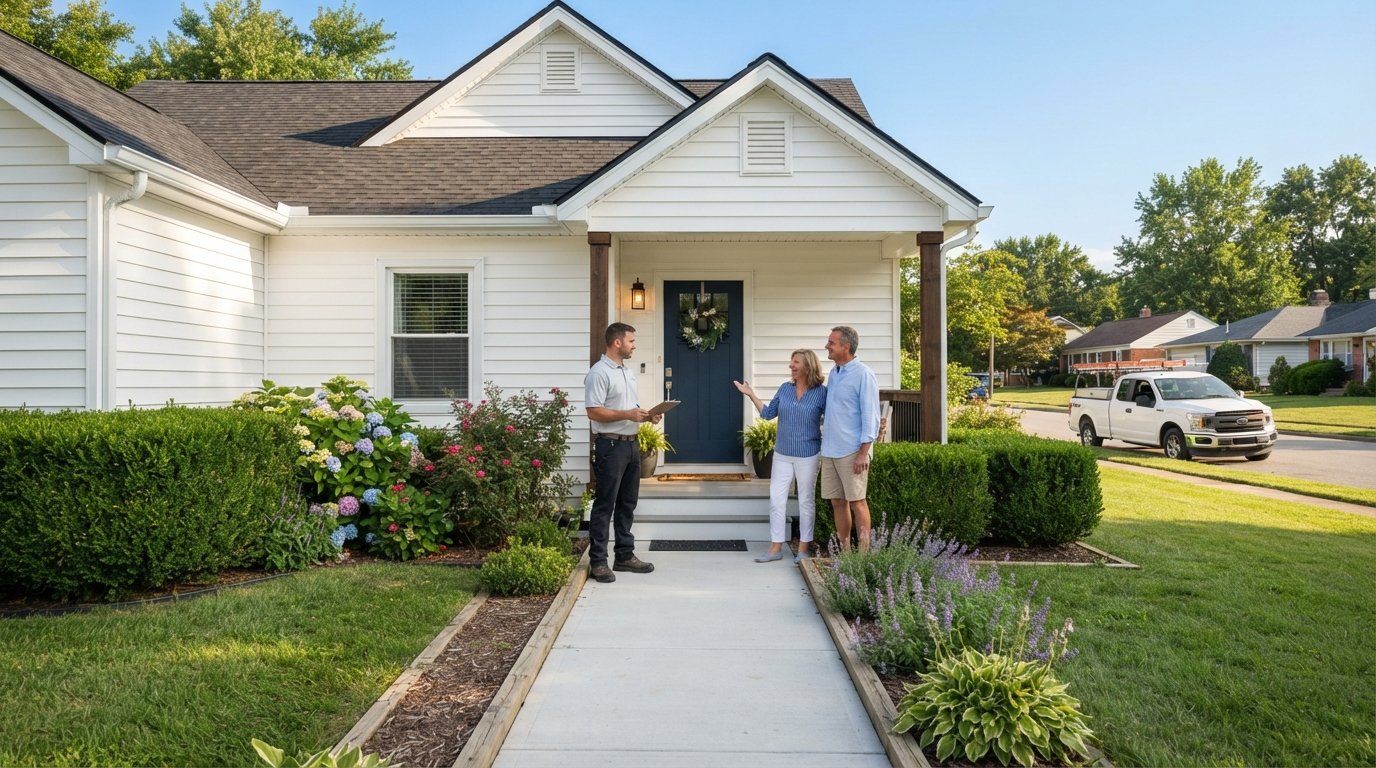
Curb Appeal Upgrades With the Highest ROI
Boost resale value with curb appeal upgrades with the highest return on investment, from garage doors to stone veneer, and learn how to prioritize them.
By Chelsea Kris
Learn more about Garage Door Installation or Replacement for guides, costs, and what to expect.
Compare Garage Door Installation or Replacement Pros Near You

Enter your ZIP code to compare top-rated local professionals and request free quotes.
Your home's exterior is the first thing buyers, appraisers, and even your neighbors see. It sets expectations before anyone steps through the front door. That first impression carries real financial weight: according to industry data, a well-maintained exterior can influence a buyer's offer by several percentage points, and certain projects routinely recoup more than 100 percent of their cost at resale. The challenge is knowing which improvements actually move the needle and which ones simply drain your budget. This guide breaks down the curb appeal upgrades with the highest return on investment, explains why they work, and shows you how to plan them without overpaying.
Why Curb Appeal ROI Matters More Than Ever
Real estate professionals consistently report that buyers decide whether they like a home within the first few seconds of seeing it. That snap judgment is based almost entirely on the exterior: the roof, the siding, the entryway, the landscaping, and the overall maintenance level. If any of those elements look neglected, buyers immediately assume the interior has problems too, and they adjust their offer accordingly.Return on investment for curb appeal projects is calculated by dividing the increase in home value by the project cost. National remodeling cost versus value studies show that several exterior projects consistently return more than 90 percent of their cost, and a few exceed 100 percent. Compare that to a major kitchen remodel, which often recoups only 50 to 70 percent. The lesson is clear: when your goal is maximizing resale value per dollar spent, start outside.
Beyond resale, curb appeal upgrades improve your daily experience. A welcoming exterior makes you feel better about where you live, and it can reduce maintenance headaches by addressing small problems before they become expensive repairs. For homeowners preparing to sell, these projects also shorten time on market, which saves carrying costs like taxes, insurance, and mortgage interest.
The Top Curb Appeal Upgrades by Return on Investment
Not all exterior improvements are created equal. The following projects have earned a reputation for delivering the strongest financial payback, based on years of cost versus value data, appraiser feedback, and buyer surveys. Each one targets a different part of the exterior, so you can prioritize based on your home's specific weaknesses and your budget.
1. Garage Door Replacement
A new garage door is frequently the single highest-ROI project in the entire home improvement industry. The garage door occupies a huge portion of the home's front facade, so its condition and style dramatically affect perceived value. Replacing an old, dented, or faded door with a modern, insulated model typically costs between $1,200 and $4,000, and homeowners routinely recoup 100 percent or more of that cost at resale.Beyond appearance, a new garage door improves security and energy efficiency, especially if you choose an insulated model. Many manufacturers offer styles that mimic wood carriage doors while using low-maintenance steel or composite materials, giving you high-end looks without high-end upkeep. If your current door is more than 15 years old, squeaks loudly, or has visible damage, this is often the first project to tackle.
2. Manufactured Stone Veneer
Adding manufactured stone veneer to the lower portion of your home's front facade is another consistent top performer. This upgrade creates visual depth and texture, making the entryway feel more substantial and custom. The cost typically ranges from $8,000 to $12,000 depending on the square footage covered, and national data shows an average return of roughly 95 percent.The key is restraint. You do not need to cover the entire house. Focusing on the entryway, the area around the garage, or a single accent wall delivers the same perceived value boost at a fraction of the cost. Manufactured stone is lighter and less expensive than natural stone, and it installs faster, which keeps labor costs down.
3. Siding Replacement (Fiber Cement)
Replacing worn siding with fiber cement is a heavyweight curb appeal upgrade with a proven track record. Fiber cement resists rot, pests, and fire, and it holds paint far longer than wood or vinyl. A full replacement on a typical single-family home costs $15,000 to $20,000, and homeowners often recover around 90 percent of that investment.The ROI comes from both appearance and durability. Fresh, uniform siding instantly modernizes a home, and buyers appreciate knowing they will not face repainting or repairs in the near future. If a full replacement is not in the budget, painting existing siding in a current, neutral color can deliver a strong visual improvement for a few thousand dollars.
4. Entry Door Replacement
The front door is the focal point of your home's exterior. A new steel or fiberglass door signals quality and security before a buyer even reaches the porch. Steel doors are the budget-friendly option, typically costing $1,500 to $3,000 installed, while fiberglass doors offer more design flexibility and can mimic wood grain at a lower maintenance cost. Returns commonly land between 65 and 75 percent.Small touches amplify the impact: a fresh coat of paint on the door, new hardware, a stylish doormat, and a pair of planters can make even an older door look intentional and inviting. If your door is structurally sound, painting it a bold, complementary color is one of the cheapest ways to boost curb appeal.
5. Window Replacement
New windows improve energy efficiency, reduce outside noise, and sharpen the home's architectural lines. Vinyl window replacement typically costs $15,000 to $20,000 for a full house and returns about 65 to 70 percent. While the ROI percentage is lower than some other projects, the combination of lower utility bills and improved comfort makes windows a smart long-term investment.If a full replacement is not feasible, consider replacing only the front-facing windows, which have the greatest visual impact. Adding fresh trim and caulking gaps can also make older windows look better while improving efficiency.
6. Roof Replacement
A new roof is one of the most expensive exterior projects, often costing $20,000 to $40,000 depending on size, pitch, and materials. The ROI varies widely, but a new roof is often non-negotiable: if the roof is failing, buyers may struggle to get financing, and insurers may refuse coverage. A new roof also boosts energy efficiency and can dramatically improve appearance, especially if you upgrade to architectural shingles or a modern color.Even a thorough roof cleaning and repair of minor damage can improve curb appeal at a fraction of replacement cost. If your roof is in good shape but looks dingy, professional soft washing can restore its appearance safely.
7. Deck Addition or Refresh
A well-built deck extends living space outdoors and appeals strongly to buyers, especially in warmer climates. A wood deck addition typically costs $10,000 to $15,000 and returns around 65 to 70 percent. If you already have a deck, cleaning, staining, and repairing loose boards is a low-cost project that makes the entire backyard feel maintained and inviting.
Composite decking costs more upfront but requires less maintenance, which appeals to buyers who want a turnkey outdoor space. Whichever material you choose, keep the design simple and proportional to the house.
Low-Cost Curb Appeal Wins That Still Pay Off
Not every high-ROI project requires a five-figure budget. Several inexpensive improvements deliver outsized visual impact and make your home feel cared for. These are particularly valuable if you are preparing to list soon and need to maximize appeal without a major construction project.
- Fresh exterior paint: A new coat of paint in a neutral, current color can transform a home's appearance for $2,000 to $4,000, and it often returns more than 50 percent at resale.
- Landscaping refresh: Trimming overgrown shrubs, adding mulch, and planting seasonal flowers costs a few hundred dollars and dramatically improves first impressions.
- Lighting upgrades: Matching sconces, path lights, and a well-lit entryway add warmth and security, with costs starting under $500 for DIY-friendly options.
- House number and mailbox updates: Modern, readable house numbers and a new mailbox are tiny details that buyers notice when they are consistent with the home's style.
- Pressure washing: Cleaning driveways, walkways, and siding removes years of grime for a few hundred dollars, often with same-day results.
These small projects work best when combined with one or two larger upgrades. For example, a new garage door paired with fresh landscaping and updated lighting creates a cohesive, move-in-ready impression that justifies a higher asking price.
How to Prioritize Your Curb Appeal Projects
With so many options, the smartest approach is to sequence projects by impact, urgency, and budget. Start by walking to the curb and viewing your home as a buyer would. Identify the three most noticeable problems, whether that is a faded front door, a cracked walkway, or overgrown hedges. Those are your first targets.Next, separate must-fix items from nice-to-have upgrades. A failing roof or damaged siding falls into the must-fix category because it affects safety, financing, and insurance. Cosmetic improvements like paint and lighting can wait if the budget is tight, but they often deliver the highest visual return per dollar.
Finally, get professional quotes before committing. Exterior projects involve variables like square footage, material grade, local labor rates, and permit requirements that are hard to estimate on your own. A platform like FreeQuotes.Contractors lets you request multiple no-obligation quotes from pre-vetted local contractors, so you can compare pricing and scope side by side. That competition helps you avoid overpaying and gives you confidence that the contractor you choose is licensed and insured.
Mistakes That Kill Your Curb Appeal ROI
Even high-ROI projects can underperform if you make common planning errors. Over-improving for the neighborhood is the biggest one: if you install a $30,000 stone facade on a home surrounded by vinyl-sided houses, you will not recoup the cost because buyers in that price range are not paying for luxury finishes. Always keep your upgrades in line with nearby home values.Choosing trendy materials or bold colors that clash with the architecture is another frequent mistake. What looks striking in a magazine may look out of place on your street, and future buyers may see it as a cost to undo. Stick with timeless materials and colors that complement the home's style.
Neglecting maintenance after installation also erodes returns. A new deck that is never sealed, or new siding that is never cleaned, will look worn within a few years. Budget a small amount each year for upkeep to protect your investment.
Finally, skipping permits or hiring unlicensed contractors can create legal and financial headaches that wipe out any ROI. Always verify credentials, ask for proof of insurance, and confirm that the contractor will pull the required permits. Reputable professionals expect these questions and answer them willingly.
Financing Your Curb Appeal Upgrades
If you do not have the cash on hand, several financing options can make high-ROI projects affordable. Home equity loans and home equity lines of credit (HELOCs) typically offer lower interest rates than personal loans because they are secured by your home. Cash-out refinancing can work if you are also lowering your interest rate, but closing costs can be significant.
Some contractors offer financing directly, which can be convenient but often carries higher rates. Government-backed programs, such as FHA Title I loans or VA renovation loans, may be available depending on your situation. Before borrowing, calculate the monthly payment and confirm that the projected value increase justifies the cost. A project that returns 90 percent of its cost is a strong investment, but only if the financing does not strain your budget.
Regional Considerations for Curb Appeal
Curb appeal priorities shift depending on where you live. In hot, humid climates like Florida, homeowners should prioritize materials that resist moisture, mold, and sun damage. Fiber cement siding, impact-rated windows, and metal roofs tend to perform better and hold value longer in those conditions. Landscaping should feature native, drought-tolerant plants that look good year-round with minimal watering.In colder regions, energy efficiency upgrades carry more weight. Insulated garage doors, energy-efficient windows, and proper drainage around the foundation protect against freeze-thaw damage and lower heating bills. Roofing materials should handle snow loads and ice dams. Buyers in these markets often ask about insulation and heating costs, so those upgrades contribute directly to perceived value.No matter your location, the principle is the same: invest in projects that address your home's most visible weaknesses and align with what buyers in your area expect. Local contractors familiar with regional building codes and buyer preferences can help you avoid costly missteps.
Final Thoughts on Maximizing Curb Appeal Returns
The best curb appeal investments are the ones that combine visual impact, durability, and broad buyer appeal. Garage doors, manufactured stone veneer, fiber cement siding, entry doors, and strategic landscaping consistently rank among the curb appeal upgrades with the highest return on investment, and they can be sequenced over time to fit almost any budget. Start with the projects that fix obvious problems, get multiple quotes to keep costs competitive, and choose materials that suit your climate and neighborhood. With careful planning, your exterior improvements will pay you back both at resale and in daily enjoyment.
Learn more about Garage Door Installation or Replacement for guides, costs, and what to expect.
Compare Garage Door Installation or Replacement Pros Near You
Enter your ZIP code to compare top-rated local professionals and request free quotes.