Contractor Cost Estimates: A Homeowner’s Guide to Fair Pricing
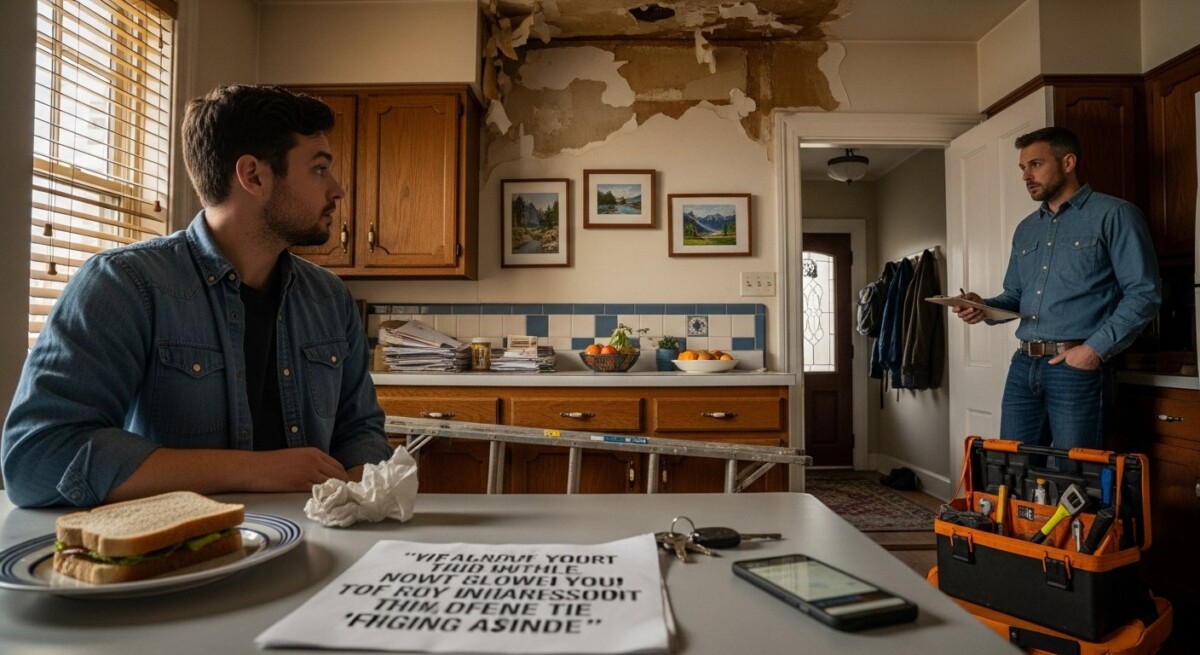
You finally decide to fix that dripping faucet or replace the worn-out roof, only to freeze when you start collecting contractor cost estimates. Some quotes seem sky-high, others feel too good to be true, and you have no idea which one is fair. This confusion is frustrating,and it can also lead to costly mistakes if you choose the wrong contractor or delay the project entirely.
Understanding contractor cost estimates is the first step toward a successful home improvement project. When you know what goes into a quote, you can compare offers with confidence and avoid surprises later. This guide breaks down everything you need to know about pricing, warning signs, and how to find a contractor you can trust.
Understanding Contractor Cost Estimates
A contractor cost estimate is a detailed breakdown of the expected expenses for your project. It includes materials, labor, permits, and any other fees the contractor will charge. A thorough estimate helps you plan your budget and compare bids from different professionals.
Estimates vary because every home and every job is unique. Factors like the size of your project, the materials you choose, and the condition of your home all influence the final price. For example, remodeling a small bathroom in a newer home often costs less than renovating a vintage kitchen with outdated wiring and plumbing.
Homeowners most affected by confusing estimates are those tackling medium-to-large projects,like roof replacements, kitchen remodels, or basement finishing. These jobs involve multiple trades and can quickly grow in complexity. Without a clear estimate, you might end up with unexpected charges or a contractor who cuts corners to stay within a low bid.
Why This Matters for Your Home
Getting an accurate contractor cost estimate isn’t just about saving money,it’s about protecting your home. A lowball quote might mean the contractor plans to use cheap materials or skip essential steps. This can lead to shoddy work that fails prematurely, costing you far more in repairs down the road.
Safety is another major concern. If a contractor underestimates the work needed, they might rush through critical tasks like electrical wiring or structural reinforcement. A faulty installation can create fire hazards, water damage, or even collapse risks. On the flip side, a realistic estimate from a qualified professional ensures the job is done right the first time.
Delaying repairs because of estimate anxiety often makes problems worse. A small leak ignored today can become a mold infestation next month. A cracked foundation may widen over winter and require a full replacement. In our guide on contractor cost estimates, we explain how to spot fair pricing and avoid these expensive pitfalls.
If you notice signs of this issue in your home, it may help to speak with a qualified contractor. Request a free quote or call to explore your repair or remodeling options.
Common Problems Homeowners Experience
Many homeowners struggle with vague or incomplete estimates. Some contractors give a single number without explaining what’s included, leaving you to guess about materials, cleanup, and permits. Others provide a very low initial estimate, only to add surprise charges once the work begins.
Another common issue is comparing apples to oranges. One contractor might quote standard materials while another includes premium options. Without a detailed breakdown, you can’t tell which bid offers better value. This confusion often leads to choosing the cheapest option, which may not meet your needs.
Here are typical problems homeowners face with contractor cost estimates:
- Estimates that don’t include permit fees or disposal costs
- Quotes that vary wildly,thousands of dollars apart,for the same job
- Contractors who refuse to put estimates in writing
- Bids that lack a timeline or payment schedule
- Hidden charges for “unforeseen issues” that should have been anticipated
- Pressure to sign immediately without time to compare offers
How Professionals Solve the Problem
Experienced contractors follow a systematic process to create accurate estimates. They start by inspecting your home thoroughly, measuring spaces, checking for hidden damage, and discussing your goals. This assessment allows them to identify all the work required and avoid surprises later.
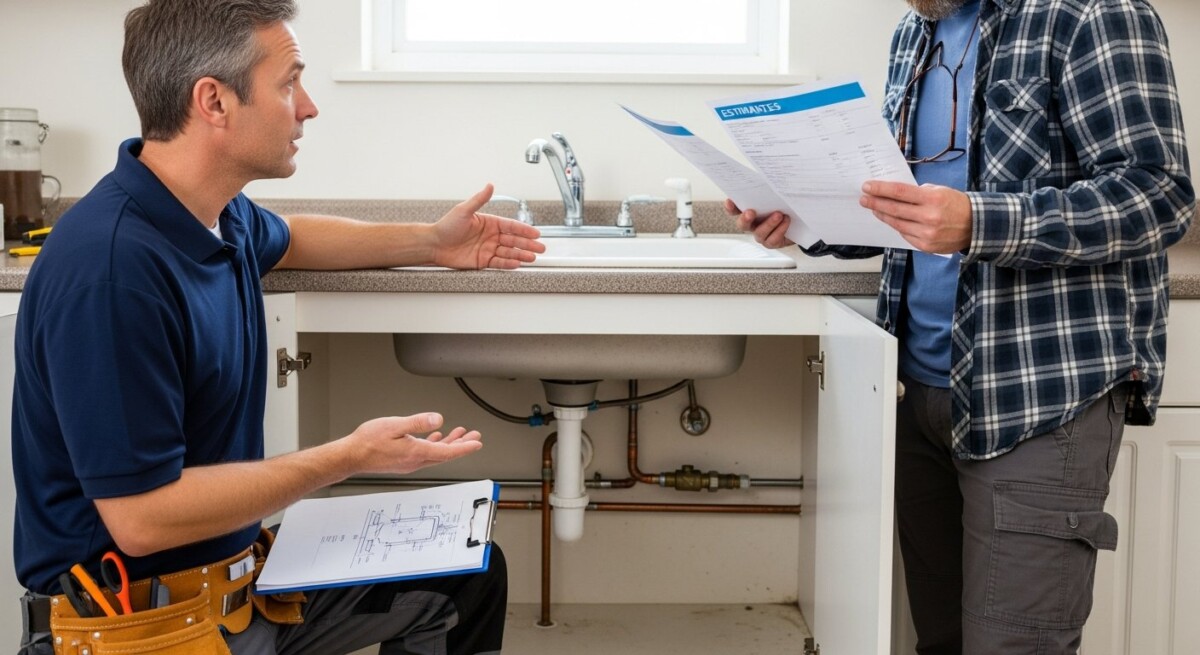
Once the inspection is complete, a professional contractor provides a written estimate that breaks down every cost. You’ll see line items for materials, labor, permits, cleanup, and any warranties. This transparency lets you understand exactly what you’re paying for and makes it easy to compare bids from different companies.
Here is the typical process a professional follows:
- Initial consultation , Discuss your project, needs, and budget.
- On-site inspection , Measure, assess conditions, and identify potential challenges.
- Material and labor calculation , Determine quantities, costs, and required trades.
- Permit and fee research , Check local requirements and include them in the estimate.
- Written estimate delivery , Provide a clear, itemized quote with a timeline and payment terms.
Professional work is safer and more reliable than DIY fixes because contractors carry insurance, know building codes, and have the right tools. They also stand behind their work with warranties, giving you peace of mind.
A professional inspection can reveal hidden issues before they become expensive repairs. Compare contractor quotes here or call to discuss your project.
Warning Signs You Should Not Ignore
Your home often gives clues that a repair or renovation is overdue. Paying attention to these warning signals can save you thousands of dollars and prevent safety hazards. Early detection also gives you time to collect accurate contractor cost estimates without rushing.
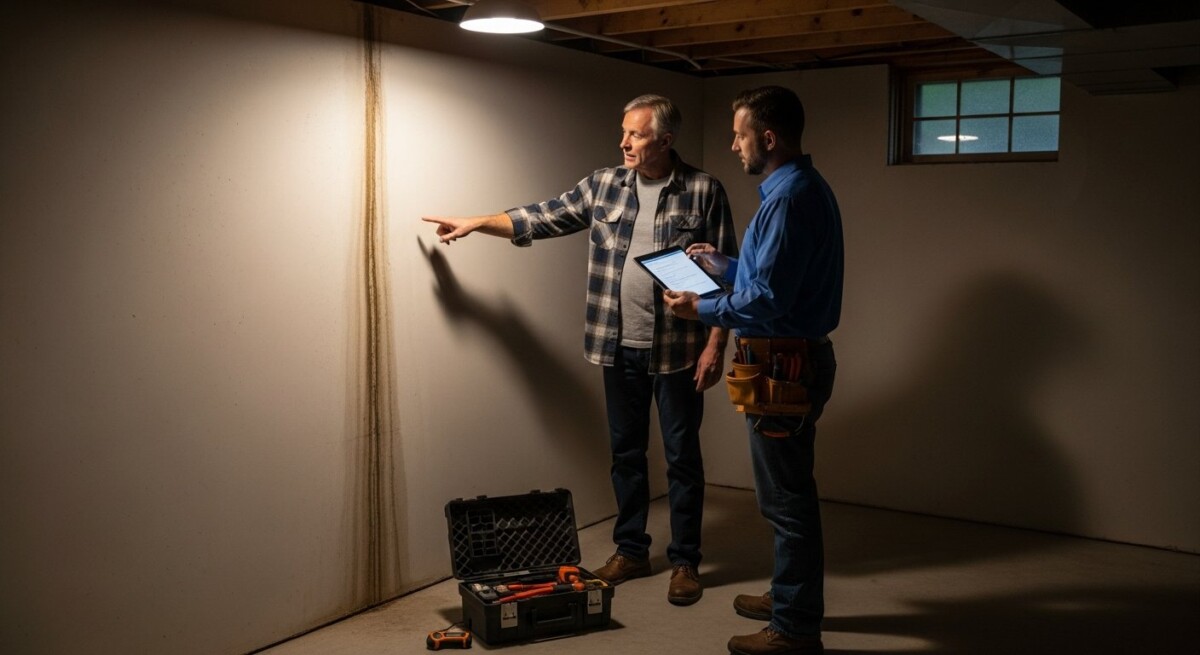
For example, a musty smell in the basement might indicate a slow leak behind the walls. Cracks in your driveway could signal soil movement that also affects your foundation. Addressing these issues promptly keeps them from escalating into major structural problems.
Here are warning signs that suggest you may need professional help:
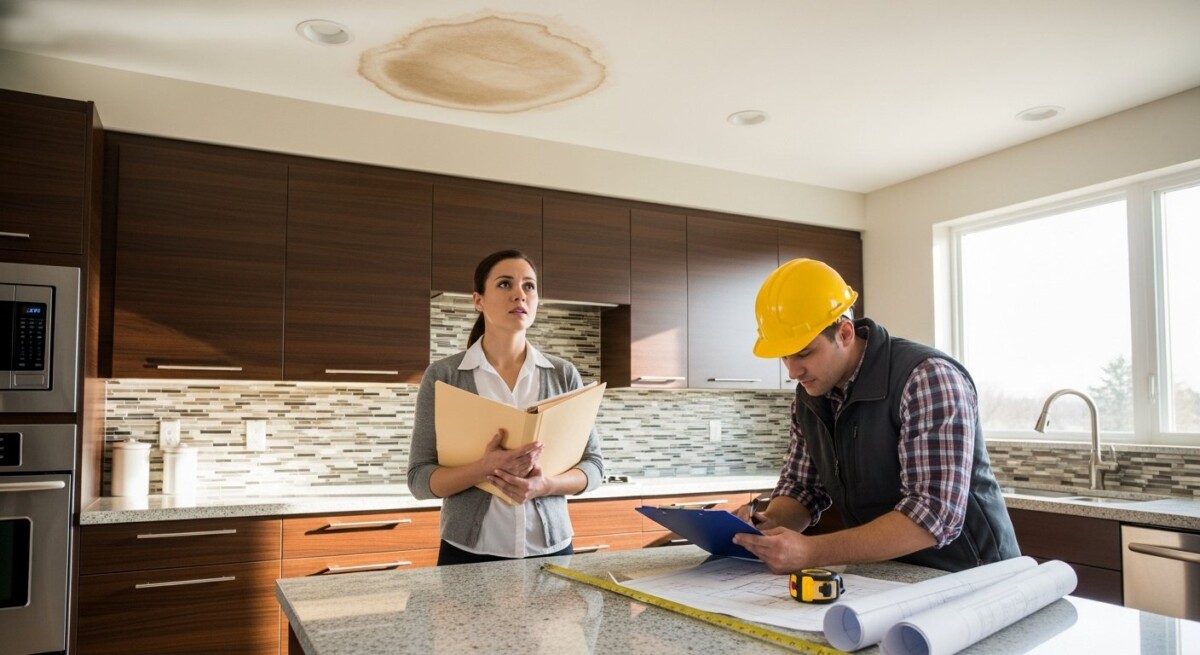
- Water stains on ceilings or walls
- Windows that stick or don’t close properly
- Drafts or uneven temperatures between rooms
- Sagging gutters or missing shingles
- Cracks in foundation walls or floors
- Frequent circuit breaker trips or flickering lights
What Affects the Cost of Repairs or Installation
Several key factors influence the final price of any home improvement project. Understanding these can help you interpret contractor cost estimates and set realistic expectations. The more you know, the better prepared you’ll be to discuss options with contractors.
Project size and complexity are the biggest cost drivers. A simple faucet replacement costs far less than a full kitchen remodel because of the scope of work. Materials also vary widely,granite countertops cost more than laminate, and copper piping is pricier than PEX.
Labor rates depend on your location and the contractor’s experience. Urban areas often have higher rates than rural ones. Accessibility matters too: a roof with a steep pitch or a crawlspace with low clearance takes more time and effort. Finally, the age of your home can add costs if it contains outdated systems that need upgrading to meet current codes.
Costs can vary depending on the condition of your home. The best way to know the price is to get a personalized estimate. Request free quotes from contractors or call today.
How to Choose the Right Contractor
Selecting a contractor is about more than just price. You want someone who communicates clearly, shows up on time, and delivers quality work. Taking a few extra steps during the selection process can save you headaches later.
Start by asking for recommendations from neighbors or friends who have had similar work done. Then, interview at least three contractors and request written estimates from each. Compare not only the total cost but also the details,what’s included, the timeline, and the warranty offered.
Here are tips for choosing a reliable contractor:
- Check licenses and insurance , Verify they are licensed in your state and carry liability and workers’ compensation insurance.
- Read customer reviews , Look for recent feedback on sites like the Better Business Bureau or Google Reviews.
- Ask for detailed estimates , Ensure the quote itemizes materials, labor, permits, and cleanup.
- Compare multiple quotes , Get at least three bids to understand the market rate.
- Confirm experience , Ask if they have completed similar projects and request photos or references.
For more insight on comparing bids, read our article on home project cost estimates, which covers how to evaluate different pricing models and avoid common pitfalls.
Long-Term Benefits of Professional Work
Hiring a professional contractor isn’t just about getting the job done,it’s an investment in your home’s future. Quality workmanship adds value, improves safety, and reduces the need for frequent repairs. Over time, the upfront cost of professional service pays for itself.
For example, a properly installed roof lasts 20,30 years, while a DIY or cheap repair might fail in five. Energy-efficient windows and insulation lower your utility bills month after month. A well-executed bathroom remodel can boost your home’s resale value by 60% or more of the project cost.
Professional contractors also provide warranties on their work. If something goes wrong after the project is complete, they’ll come back to fix it at no extra charge. This peace of mind is something you simply can’t get from a handyman or a weekend DIY project.
What is a contractor cost estimate?
A contractor cost estimate is a written document that outlines the expected expenses for a home improvement project. It includes costs for materials, labor, permits, and any other fees. A detailed estimate helps you compare bids and plan your budget.
How long does a contractor estimate last?
Most contractor estimates are valid for 30 to 90 days. Material prices and labor availability can change, so contractors may need to adjust the quote if you wait too long. Always ask about the validity period when you receive an estimate.
Why do contractor estimates vary so much?
Estimates vary because contractors use different methods to calculate costs, and they may include different materials or levels of labor. One contractor might quote basic materials while another includes premium options. Comparing the details, not just the total price, helps you understand the differences.
Can I negotiate a contractor estimate?
Yes, you can discuss the estimate with the contractor and ask about lower-cost alternatives. For example, you might choose a different material or reduce the scope of work. However, be cautious about pushing the price too low, as it may result in corners being cut.
What should a contractor estimate include?
A thorough estimate should include a breakdown of materials, labor hours, permit fees, cleanup costs, and a payment schedule. It should also specify the project timeline and any warranty offered. If an estimate is vague or missing details, ask for clarification.
Is a free estimate really free?
Most contractors offer free initial estimates for standard projects. However, some may charge a fee for complex jobs or if they need to travel far. Always confirm whether the estimate is free before scheduling a visit.
How many contractor estimates should I get?
It’s a good idea to get at least three written estimates from different contractors. This gives you a sense of the market rate and helps you identify outliers that are too high or too low. Comparing multiple quotes also helps you evaluate each contractor’s professionalism.
Understanding contractor cost estimates puts you in control of your home improvement projects. By knowing what to look for and how to compare bids, you can avoid overpaying and ensure quality work. Don’t let confusion or fear of high prices keep you from fixing what needs attention. Start by requesting a few quotes, ask questions, and choose a contractor who earns your trust. Your home,and your wallet,will thank you.