Why Renovation Costs Increase and How to Plan for Them
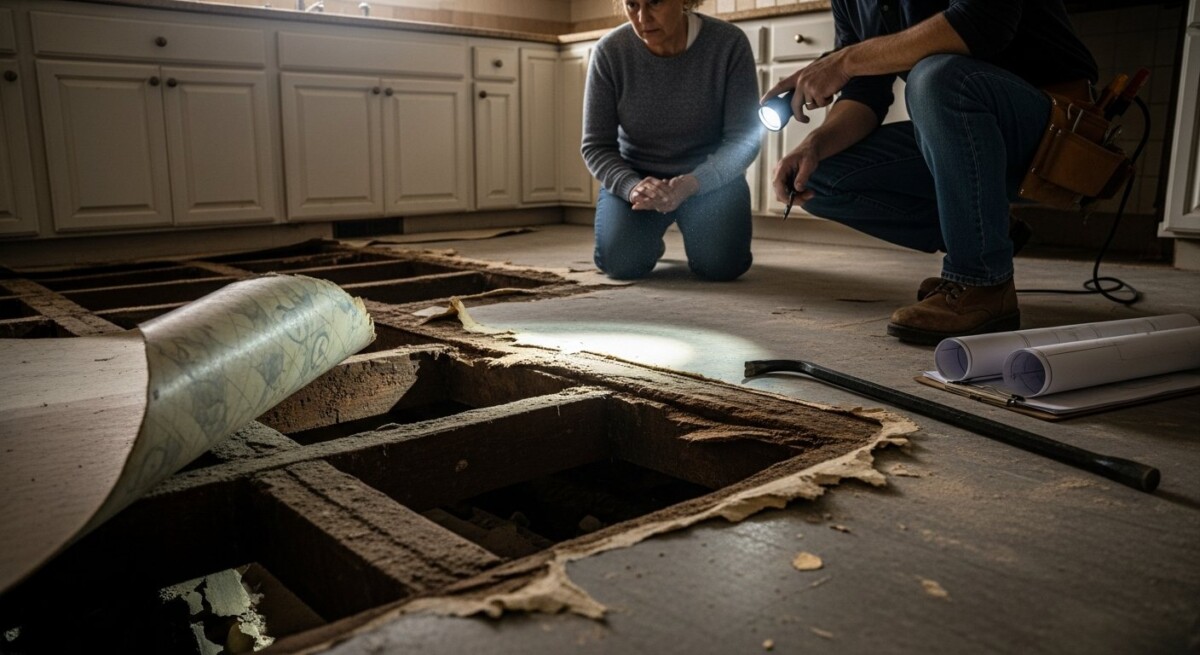
You’ve saved for your dream kitchen remodel or finally decided to finish the basement. You get a quote, set a budget, and feel ready to begin. Then, a few weeks into the project, your contractor discovers rotted floor joists under the old linoleum or outdated wiring hidden behind the walls. Suddenly, the estimate you agreed on is no longer accurate, and the project’s cost is climbing. This frustrating scenario is a common reality for homeowners, and it often stems from hidden problems that only reveal themselves once work begins. Understanding why renovation costs increase is the first step to managing your budget and protecting your investment.
Understanding Why Renovation Costs Increase
At its core, a renovation cost increase happens when the final price of a project exceeds the original estimate or contract price. This isn’t always about poor planning or contractor error. More often, it’s about the unknown conditions lurking behind your walls, under your floors, and above your ceilings.
When a contractor gives an initial quote, they base it on what they can see and assume. They can’t see inside your walls or know the full history of your home’s construction. Once demolition starts, the true condition of your home is revealed. This discovery phase can uncover issues that must be addressed for the renovation to be safe, legal, and durable, leading to necessary changes in scope and cost.
Older homes are particularly susceptible to these hidden surprises, but even newer homes can have construction flaws or previous DIY repairs that complicate a project. The key is to expect the unexpected and plan for it financially.
Why This Matters for Your Home
Ignoring the potential for cost increases can put your entire project,and your home,at risk. If you budget every last dollar for the initial quote, a surprise $5,000 foundation repair could force you to choose cheaper, inferior materials or halt the project entirely, leaving your home in disarray.
More importantly, some uncovered issues pose real safety threats. Faulty electrical wiring, structural weaknesses, or mold growth aren’t just budget line items; they are hazards to your family’s well-being. Addressing them is non-negotiable, and a reputable contractor will insist on it. Proactive planning for potential overages ensures these critical fixes happen without compromising the quality or safety of your finished renovation.
If you notice signs of this issue in your home, it may help to speak with a qualified contractor. Request a free quote or call to explore your repair or remodeling options.
Common Problems Homeowners Experience
The problems that drive up costs are usually hidden from view until the renovation is underway. A simple bathroom update can quickly escalate when the subfloor around the old tub is soft and spongy from water damage. What seemed like a surface-level project suddenly requires structural carpentry and potentially addressing a leak source.
These issues aren’t just inconveniences; they are integral to your home’s health. Fixing them ensures your beautiful new renovation has a solid, long-lasting foundation. Common culprits include:
- Structural Damage: Rotted wood, cracked foundations, or compromised support beams that are essential to your home’s integrity.
- Outdated Systems: Knob-and-tube wiring, old galvanized plumbing, or insufficient electrical panels that don’t meet modern safety codes.
- Water and Mold Damage: Long-term leaks from roofs, windows, or plumbing that have damaged framing, insulation, and drywall.
- Asbestos or Lead Paint: Hazardous materials common in homes built before the 1980s that require specialized, costly abatement.
- Inadequate Insulation or Ventilation: Issues that affect energy efficiency and indoor air quality, often requiring system upgrades.
- Previous Shoddy Work: DIY or unprofessional repairs that must be torn out and redone correctly.
How Professionals Solve the Problem
A professional contractor’s value lies in their ability to anticipate, manage, and communicate about these cost drivers. They don’t just swing a hammer; they are problem-solvers and project managers. Their experience allows them to spot potential red flags during the initial walk-through and build a more accurate contingency into their estimate.
When a hidden issue is discovered, a trustworthy professional will immediately halt work, document the problem with photos, and present you with a clear change order. This document outlines the new work required, the associated costs, and how it will affect the timeline. This transparent process, while sometimes delivering unwelcome news, protects you from rogue charges and ensures you approve every dollar spent. A typical professional approach involves:
- Thorough Initial Inspection: Looking for visible clues of hidden problems before giving a quote.
- Building a Contingency Fund: Recommending you set aside 10-20% of your total budget for unknowns.
- Clear Communication Protocols: Establishing how they will communicate discoveries and request approvals.
- Systematic Problem-Solving: Using proven methods to repair structural or system issues correctly the first time.
- Code Compliance: Ensuring all work meets local building codes, which often dictates necessary upgrades.
A professional inspection can reveal hidden issues before they become expensive repairs. Compare contractor quotes here or call to discuss your project.
Warning Signs You Should Not Ignore
While some issues are completely hidden, others give off subtle warnings before you even start a renovation. Paying attention to these signs can help you and your contractor create a more realistic initial budget. If your home shows these symptoms, the chances of uncovering costly problems during a reno are much higher.
Addressing these warnings early, perhaps as a separate pre-renovation repair, can sometimes prevent a massive budget blowout later. It allows you to tackle the essential but unglamorous work first, ensuring your cosmetic upgrades are built on a sound foundation. Be wary if you notice:
- Sagging Floors or Ceilings: A clear indicator of potential structural issues.
- Persistent Moisture or Mold: In basements, around windows, or under sinks.
- Flickering Lights or Frequently Tripped Breakers: Signs of an overburdened or outdated electrical system.
- Poor Water Pressure or Discolored Water: Hints at corroded or failing plumbing pipes.
- Bouncing or Uneven Floors: Can point to undersized or damaged floor joists.
- Doors and Windows That Stick: Could signal foundation settlement or framing shifts.
What Affects the Cost of Repairs or Installation
The final price tag for addressing a hidden problem depends on several factors. A small patch of mold on a bathroom wall is a far different,and less expensive,problem than mold throughout a basement’s framing. Understanding these variables helps you make sense of a change order and assess its fairness.
For a deeper look into how contractors arrive at these numbers, our guide on how contractors estimate renovation costs breaks down the process. Key factors that influence the cost of unforeseen repairs include:
- Scope and Severity: How widespread is the damage? Is it a repair or a full replacement?
- Materials: The cost of lumber, piping, wiring, and other materials needed for the fix.
- Labor Intensity: Some repairs, like replacing a main sewer line, are highly complex and time-consuming.
- Accessibility: Is the problem in an easy-to-reach crawl space or behind a finished wall?
- Age and Style of Home: Historic homes often require custom solutions and specialty materials.
- Local Permit and Code Requirements: Bringing old systems up to code can mandate specific, sometimes costly, upgrades.
Costs can vary depending on the condition of your home. The best way to know the price is to get a personalized estimate. Request free quotes from contractors or call today.
How to Choose the Right Contractor
The contractor you choose is your best defense against runaway costs. A skilled, honest professional will work with you to navigate surprises, not use them as an opportunity to inflate the bill. Your selection process should focus on finding a partner who values communication and transparency.
Start by getting at least three detailed, written estimates. Don’t just compare the bottom line; compare what’s included. A suspiciously low bid might mean the contractor is cutting corners or hasn’t accounted for potential problems. Ask specific questions about how they handle unforeseen issues and what their change order process looks like. Essential tips include:
- Verify Licenses and Insurance: This is non-negotiable for your protection.
- Read Reviews and Ask for References: Talk to past clients about how the contractor handled surprises.
- Request a Detailed, Written Estimate: It should outline materials, labor, timeline, and payment schedule.
- Compare Multiple Quotes: Look for consistency in scope and red flags in pricing.
- Ask About Their Contingency Plan: How do they budget for and communicate about hidden problems?
Long-Term Benefits of Professional Work
While addressing hidden problems increases your short-term costs, it delivers immense long-term value. Think of it as an investment in the core systems of your home, not just an expense. This work ensures your beautiful new finishes are supported by a safe, sound, and efficient structure.
This proactive approach protects your investment for years to come. You’ll avoid the nightmare of discovering a leak in your brand-new custom cabinetry because the old plumbing wasn’t replaced. The benefits are clear:
- Enhanced Safety: Eliminating fire, electrical, and structural hazards.
- Superior Durability: Quality repairs mean your renovation will last for decades.
- Improved Energy Efficiency: Upgrading insulation, windows, and systems lowers utility bills.
- Increased Home Value: Buyers and appraisers recognize the value of updated, code-compliant systems.
- Peace of Mind: Knowing your home is solid and safe is priceless.
Why do renovation costs always go over budget?
They don’t always, but it’s very common. The primary reason is encountering hidden problems like bad wiring, water damage, or structural issues once walls are opened. Changes in homeowner choices for materials or design, known as “scope creep,” is another major factor. Proper planning and a contingency fund are the best defenses.
What is a normal contingency budget for a renovation?
For a major renovation, most professionals recommend a contingency fund of 10% to 20% of your total project budget. For older homes or if you suspect underlying issues, leaning toward 20% is wiser. This fund is separate from your main budget and is only used for necessary, unforeseen repairs.
Can I avoid cost overruns by doing some work myself?
DIY can save on labor costs for simple tasks, but it can also lead to costly overruns if done incorrectly. A professional mistake in plumbing or electrical work can cause damage that costs far more to fix than hiring a pro initially. It’s best to clearly define DIY tasks with your contractor first.
What should I do if my contractor finds a major hidden problem?
First, ask for a detailed explanation and photos. Then, request a written change order that describes the new work, the added cost, and any timeline adjustments. Do not authorize verbal changes. If the cost is significant, it’s reasonable to get a second opinion from another professional before proceeding.
How can I negotiate costs when unexpected issues arise?
Open communication is key. Ask your contractor to explain the necessity of the repair and the cost breakdown. You can sometimes negotiate on the labor rate or explore different material grades for the fix. For strategies on this conversation, see our article on how to negotiate home renovation costs successfully.
Does homeowner’s insurance cover unexpected renovation repairs?
Typically, no. Homeowner’s insurance covers sudden, accidental damage (like a pipe bursting). It does not cover problems that develop over time, such as rot, mold, or outdated systems discovered during a renovation. These are considered maintenance issues.
Should I get a home inspection before a renovation?
Absolutely. A pre-renovation inspection by a qualified home inspector can identify many potential hidden problems before you get estimates. This information allows contractors to provide more accurate bids and helps you budget realistically from the start, reducing the shock of mid-project discoveries.
What’s the difference between an estimate and a quote?
An estimate is an educated guess of the project cost and can change. A quote (or bid) is a fixed-price offer for the defined scope of work. Always get a detailed, written quote or contract before work begins. Understanding this is part of a smart contractor’s estimation process.
Renovation cost increases are often a sign that your home is getting the essential care it needs beneath the surface. By understanding the common causes, planning with a contingency fund, and choosing a communicative contractor, you can navigate these challenges without derailing your project. The most cost-effective strategy is always to address issues early with professional help. Start by comparing detailed quotes from qualified contractors to understand your true starting point and build a realistic plan for your home’s transformation.