
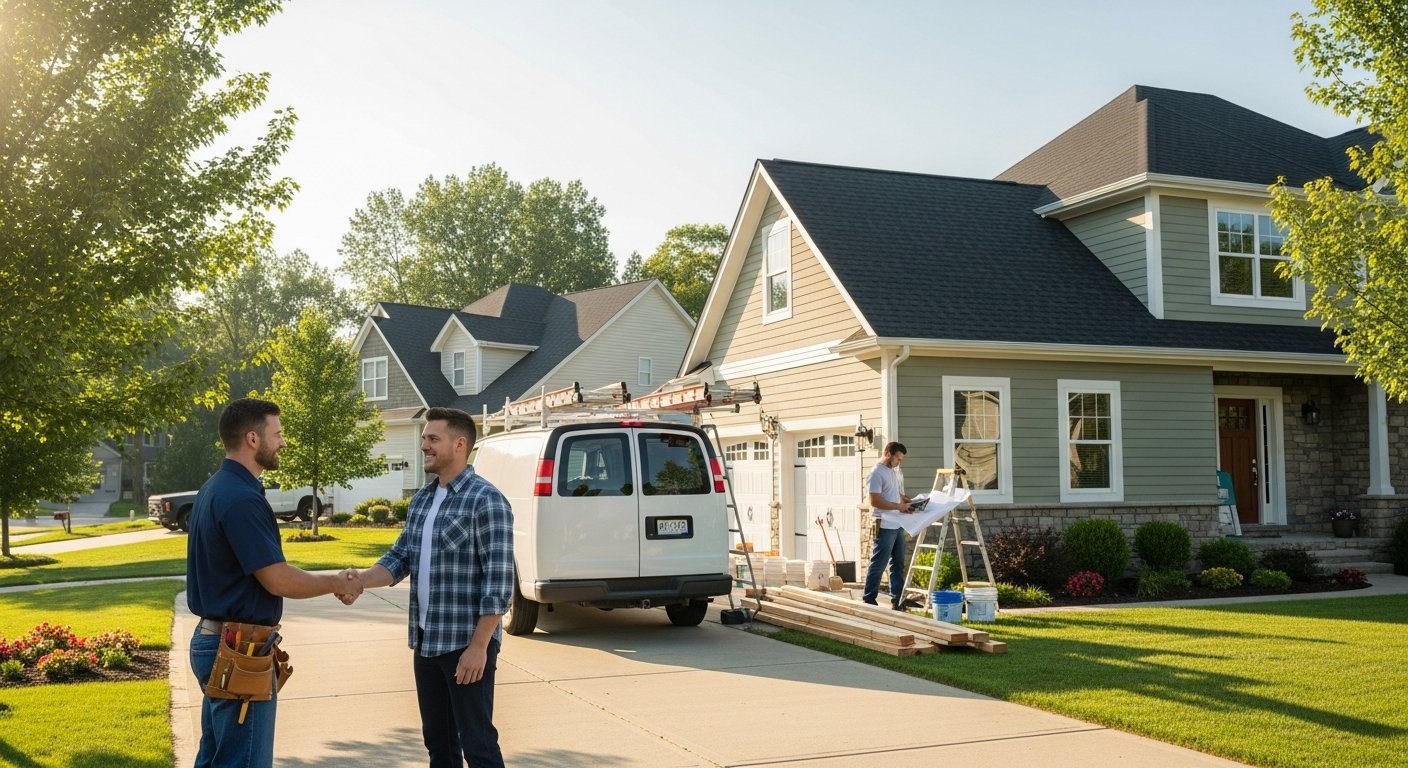
Why Hire Local Contractors for Home Projects
Discover why hiring local contractors for your home improvement projects ensures faster service, better accountability, and a smoother renovation experience.
By Chelsea Kris
Learn more about General Contracting for guides, costs, and what to expect.
Compare General Contracting Pros Near You

Enter your ZIP code to compare top-rated local professionals and request free quotes.
When a home improvement project looms, the temptation to hire the first name from an online search can be strong. Yet the choice of who wields the hammer or manages the remodel often determines whether your experience is a smooth success or a costly headache. This is precisely where the value of local contractors becomes clear. They bring not just skills, but a deep understanding of your community's building codes, climate challenges, and typical project costs. For homeowners, working with nearby professionals often means faster response times, easier communication, and a level of accountability that distant companies simply cannot match.
This guide explores the many reasons to prioritize local expertise, how to vet candidates effectively, and how to use a resource like Homes.Contractors to streamline your search for qualified help. Whether you need a quick repair or a full home renovation, understanding the local landscape is your first step toward a successful outcome.
The Tangible Benefits of Choosing Nearby Expertise
Opting for local contractors offers more than just the satisfaction of supporting neighborhood businesses. It delivers practical, everyday advantages that directly impact your project's success. A contractor who operates in your area has a reputation to uphold within the community. They are more likely to care about the quality of their work because their next job often depends on word-of-mouth referrals from satisfied neighbors. This local stake translates into a stronger work ethic and a genuine commitment to doing the job right.
Furthermore, local pros are well-versed in the specific building codes and permit requirements of your city or county. They know the local inspectors and the common pitfalls that can delay a project. If an unexpected issue arises, such as a hidden plumbing problem or a structural surprise, a nearby contractor can often address it more quickly because they are already familiar with the area's typical construction styles and infrastructure. This can save you significant time and money compared to working with an out-of-town company that may need to subcontract the work or spend time learning local regulations.
Accountability and Communication
Communication is the bedrock of any successful renovation. With local contractors, you are not just a ticket number in a call center. You can often meet them in person at their office or at your home to discuss concerns. If a problem occurs, they are usually just a short drive away, making it easier to schedule a site visit and resolve the issue face-to-face. This direct line of communication helps prevent misunderstandings and keeps the project on track. In contrast, handling a dispute with an out-of-state company can involve lengthy phone calls, emails, and delays.
The economic impact of hiring locally also matters. Money spent with local contractors tends to circulate within the community, supporting other local businesses and services. While this may not directly affect your project's outcome, it contributes to the overall health of your neighborhood and helps maintain a robust local workforce that is available when you need future repairs or improvements.
How to Vet Local Contractors Effectively
While the benefits of hiring local are clear, not every contractor in your area is equally qualified. A systematic vetting process is essential to ensure you choose a professional who is competent, reliable, and trustworthy. Start by creating a shortlist of potential candidates. You can gather names through recommendations from friends, family, and neighbors, or by using an online directory that pre-vets its listings, such as Homes.Contractors. The platform connects homeowners with pre-screened professionals, saving you time and providing a layer of initial verification.
Once you have a list, conduct a thorough interview for each candidate. Ask about their experience with projects similar to yours, their licensing and insurance status, and their estimated timeline. Request references from recent clients and actually call them. Ask about the contractor's communication, adherence to budget, and cleanliness. A reputable local contractor will be happy to provide references and will have a portfolio of past work you can review.
Key Verification Steps
Before signing any agreement, verify the following details with each candidate:
- License and Insurance: Confirm they hold the required state or local license for your project type and carry general liability and workers' compensation insurance.
- Written Estimates: Obtain a detailed, written estimate that outlines the scope of work, materials, labor costs, and payment schedule.
- Permits: Ask who will be responsible for pulling the necessary permits. The contractor should handle this as part of their service.
- References: Speak with at least two recent clients and, if possible, visit a completed project site.
These steps are non-negotiable. They protect you from liability, ensure the work meets local standards, and provide a clear contractual basis for the project. Skipping any of these checks can lead to serious problems down the line, from substandard workmanship to legal disputes.
Comparing Quotes from Multiple Local Pros
One of the most effective ways to ensure you get a fair price is to compare quotes from multiple contractors. This practice, often referred to as shopping around, is not just about finding the lowest bid. It is about understanding the range of pricing and the different approaches each contractor proposes. A significantly lower quote might indicate the use of inferior materials or a rushed timeline, while a much higher quote could include unnecessary upgrades or reflect a premium for a well-known brand name.
When comparing quotes, look beyond the final number. Examine the breakdown of costs for materials, labor, and permits. Ask each contractor to explain their line items and be wary of vague descriptions. A transparent quote shows that the contractor has a clear understanding of the work involved. Using a service like Homes.Contractors can simplify this process by allowing you to request multiple quotes from pre-vetted local contractors through a single request, making it easier to compare apples to apples.
After you receive the quotes, take the time to evaluate each one against your priorities. Consider the contractor's reputation, their proposed timeline, and the quality of materials they plan to use. The cheapest option is not always the best value. A slightly higher quote from a contractor with excellent references and a clear, detailed plan is often the wiser investment.
Understanding the Cost Factors and Budgeting
Budgeting for a home project involves more than just accepting a quote. You need to understand why costs vary and what factors influence the final price. Local contractors base their estimates on several elements, including the cost of materials in your area, the complexity of the job, the season, and the current demand for their services. For example, roofing projects are often more expensive in the spring and fall when demand peaks, while interior renovations may be more affordable in the winter months.
Additionally, the size and layout of your home play a significant role. A simple bathroom remodel can cost anywhere from $10,000 to $25,000, but the exact figure depends on whether you are changing the plumbing layout, upgrading fixtures, or installing custom tile. Similarly, a new roof can range from $8,000 to $20,000 or more, depending on the material (asphalt shingles vs. metal) and the pitch of your roof. Local contractors can provide accurate estimates because they know the typical costs for materials and labor in your specific region.
Setting a Realistic Budget
To avoid financial surprises, plan for a contingency fund of at least 10 percent to 20 percent of your total project cost. This buffer covers unexpected issues like hidden water damage, structural repairs, or changes in material prices. When you receive quotes, ask each contractor to identify potential areas where costs might exceed the estimate. A proactive contractor will point out common pitfalls they have encountered in similar projects, giving you a more realistic picture of your potential expenses.
Remember that the cheapest estimate is not always the most cost-effective in the long run. A slightly higher upfront cost for better quality materials or a more experienced contractor can save you money on repairs and replacements later. When you compare quotes, consider the long-term value and the contractor's track record for delivering durable, high-quality work.
Navigating the Contract and Payment Schedule
Once you have selected a local contractor, the next critical step is to finalize the contract. This document should be detailed and leave no room for ambiguity. It should include the full scope of work, a list of materials (including brands and models), the project timeline, and a clear payment schedule. Do not accept a verbal agreement or a handshake deal. A written contract protects both you and the contractor by establishing clear expectations.
Payment schedules typically involve an initial deposit, followed by progress payments at key milestones, with a final payment due upon completion and your final inspection. Be cautious of contractors who demand a large upfront payment before any work begins. A typical deposit is between 10 percent and 20 percent of the total cost. The remaining payments should be tied to tangible progress, such as the completion of framing, rough-in inspections, or the installation of major systems. This structure protects you from paying for work that has not yet been completed.
Before making the final payment, conduct a thorough walkthrough with the contractor. Create a punch list of any incomplete or unsatisfactory items and agree on a timeline for their correction. Only release the final payment after all issues are resolved and you are fully satisfied with the work. This final step ensures that the contractor has a financial incentive to finish the job to your standards.
Leveraging Local Resources and Directories
Finding reliable local contractors can be a daunting task, but you do not have to do it alone. Online directories and referral services have revolutionized the way homeowners connect with professionals. A resource like Homes.Contractors is specifically designed to bridge this gap. It provides a comprehensive database of pre-vetted contractors across the United States, covering a wide range of services from roofing and HVAC to flooring and bathroom remodeling. The platform simplifies your search by allowing you to request multiple quotes from qualified local professionals through a single, user-friendly form.
When using such directories, take advantage of the educational content they offer. Many provide detailed articles and guides on topics like understanding contractor quotes, planning a renovation budget, and navigating the installation process. This information empowers you to make informed decisions and to communicate more effectively with your chosen contractor. The site also features a ratings-by-state feature, which helps you see how contractors are rated by homeowners in your specific area, adding another layer of confidence to your selection.
While national chains and online marketplaces have their place, the specificity of a local contractor directory is unmatched. It filters for professionals who are already familiar with your region's unique requirements, ensuring that the quotes you receive are relevant and accurate. By using a dedicated resource, you save time, reduce risk, and increase the likelihood of a successful project outcome.
Managing the Project and Maintaining Communication
Even with a well-vetted contractor, the success of your project depends on ongoing communication and proactive management. Establish a clear line of communication from day one. Agree on how you will receive updates, whether it is daily check-ins, weekly summaries, or a shared project management app. Regular communication helps you stay informed about progress, potential delays, and any decisions that need your input.
Be present at key milestones, such as the start of work, after the demolition, and during the final walkthrough. This allows you to see the quality of the work firsthand and address any concerns early. Do not be afraid to ask questions. A good contractor will welcome your engagement and appreciate your attention to detail. If you notice something that does not look right, speak up immediately. It is much easier to correct an issue during the process than after the work is complete.
Remember that your contractor is a professional with experience in managing similar projects. They can offer valuable insights and suggestions that may improve the outcome or save you money. Keep an open mind, but also stay true to your vision. The best results come from a collaborative partnership where both parties feel heard and respected.
In conclusion, the decision to hire local contractors is a strategic one that pays dividends in quality, accountability, and peace of mind. By leveraging local expertise, conducting thorough vetting, and maintaining open communication, you set the stage for a successful home improvement experience. Whether you are planning a minor repair or a major renovation, the right local professional can turn your vision into reality, enhancing your home's value and your enjoyment of it for years to come.
Learn more about General Contracting for guides, costs, and what to expect.
Compare General Contracting Pros Near You
Enter your ZIP code to compare top-rated local professionals and request free quotes.