What Happens If a Contractor Goes Over Budget: A Homeowner Guide
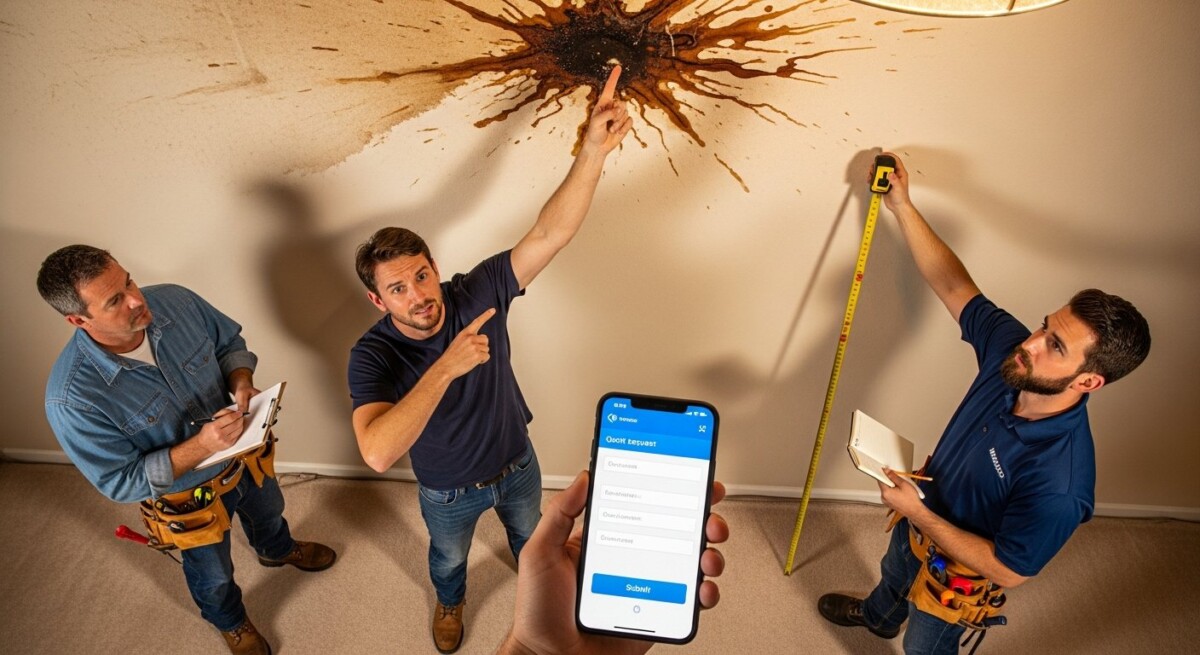
You hired a contractor, agreed on a price, and felt good about the project. Then the invoices started creeping up. Maybe it was an “unexpected” structural issue, a material price increase, or a change order you didn’t fully understand. Now you are staring at a final bill thousands of dollars higher than the original estimate. You are not alone,this scenario plays out in homes every day. Understanding what happens if a contractor goes over budget is the first step toward protecting your wallet and your peace of mind.
When a contractor exceeds the agreed-upon budget, the consequences can ripple through your finances, your timeline, and even your trust in home improvement professionals. Left unchecked, cost overruns can turn a manageable renovation into a financial headache. In our detailed guide on managing contractor budgets, we explain how to spot overruns early and what steps you can take to regain control. Whether you are finishing a basement, updating a bathroom, or repairing storm damage, knowing how to handle budget overruns is essential for every homeowner.
Understanding what happens if contractor goes over budget
A contractor goes over budget when the final cost of a project exceeds the original estimate or agreed-upon price. This happens for many reasons: inaccurate initial bids, unforeseen site conditions, material price fluctuations, or scope creep where additional work is added without clear pricing. Some overruns are legitimate,like discovering dry rot behind bathroom tiles,but others result from poor planning or communication.
Homes most affected by budget overruns are older properties with hidden issues, large-scale renovations with many subcontractors, and projects where the homeowner made frequent changes during construction. However, even small jobs like a roof repair or a kitchen backsplash can see cost increases if the contractor underestimates labor or materials. The key is understanding that not all overruns are avoidable, but many can be managed with the right approach.
Why This Matters for Your Home
Ignoring a contractor going over budget can lead to more than just financial stress. When costs spiral, homeowners often make compromises,choosing cheaper materials, skipping necessary repairs, or halting the project mid-way. These decisions can result in poor workmanship, unfinished spaces, or even safety hazards like improper wiring or water damage from incomplete waterproofing.
Delaying action also increases long-term costs. A small budget overrun today might force you to postpone critical repairs, allowing minor issues to grow into major structural problems. Your home’s value can suffer too: a half-finished renovation or a poorly executed repair can lower resale appeal and make future projects more expensive. Protecting your investment means addressing budget concerns as soon as they arise, not after the checks are written.
If you notice signs of this issue in your home, it may help to speak with a qualified contractor. Request a free quote or call to explore your repair or remodeling options.
Common Problems Homeowners Experience
When a contractor goes over budget, homeowners often face a cascade of frustrating problems. The most obvious is financial strain,you may need to pull from savings, delay other expenses, or take out a loan to cover the difference. But the issues go deeper than money.
Trust erodes quickly when costs rise without clear explanation. You might feel pressured to approve additional charges because the work is already underway, leaving you with little leverage. Some contractors also slow down the project when disputes arise, hoping you will agree to higher fees just to get the job finished.
- Unexpected out-of-pocket costs that exceed your available budget or financing
- Project delays as the contractor waits for payment disputes to resolve
- Incomplete work if you run out of funds before the project is finished
- Subpar materials used to cut costs after the budget is blown
- Strained relationships with the contractor, making communication difficult
- Legal disputes over unpaid invoices or breach of contract
How Professionals Solve the Problem
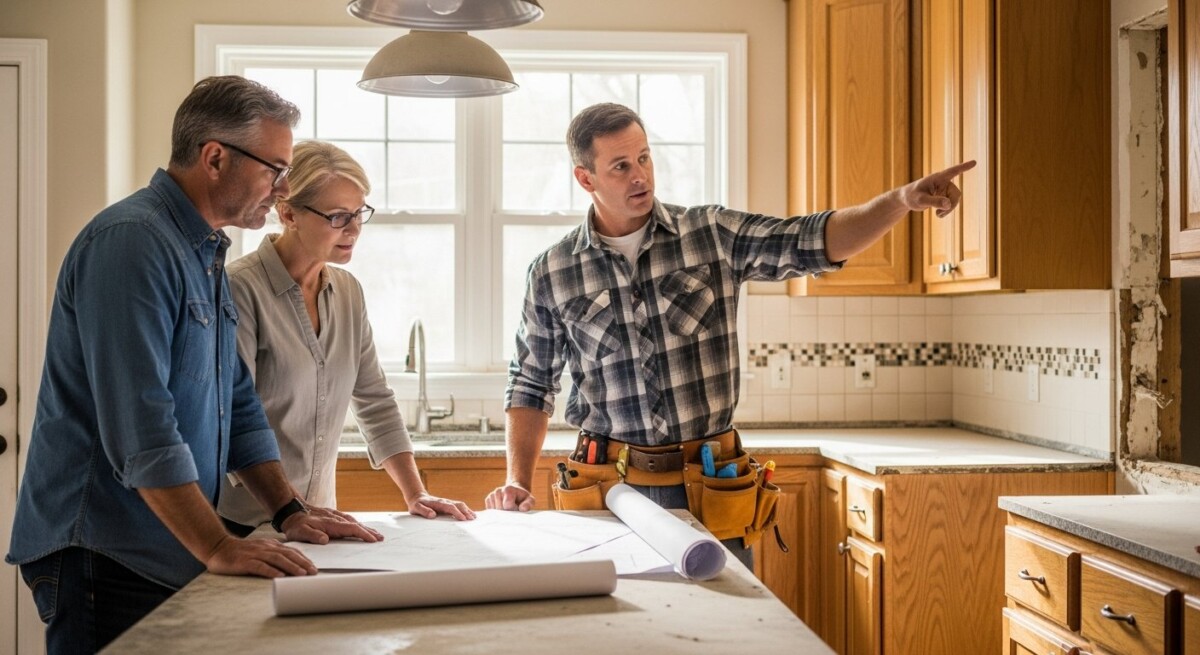
Experienced contractors handle budget overruns differently than amateurs. A professional will communicate potential cost increases before they happen, not after the work is done. They provide written change orders that detail the extra cost, the reason for it, and how it affects the timeline. This transparency lets you make informed decisions rather than feeling blindsided.
Professionals also build contingencies into their initial estimates,typically 10 to 20 percent of the total project cost,to cover unexpected issues. They know how to scope a job accurately and will walk you through potential risk areas before you sign a contract. If an overrun does occur, a good contractor will work with you to find alternatives, such as substituting materials or adjusting the scope, to keep the project within your comfort zone.
- Initial consultation , The contractor inspects your home and discusses your goals, budget, and timeline.
- Detailed estimate , A written quote breaks down labor, materials, permits, and a contingency buffer.
- Clear change order process , Any extra work is documented and approved by you before it begins.
- Regular progress updates , You receive invoices and status reports so there are no surprises.
- Final walkthrough , The project is inspected together, and any remaining issues are addressed before final payment.
A professional inspection can reveal hidden issues before they become expensive repairs. Compare contractor quotes here or call to discuss your project.
Warning Signs You Should Not Ignore
Spotting potential budget overruns early can save you thousands of dollars. Pay attention to how your contractor communicates about costs from the very first conversation. Vague estimates, reluctance to put pricing in writing, or pressure to start work immediately are all red flags. During the project, watch for workers who seem disorganized, materials sitting unused for days, or subcontractors who are unfamiliar with the plan.
Your own behavior matters too. Making frequent changes to the project scope without asking about cost implications is a common way budgets blow up. If you find yourself approving verbal change orders or signing documents without reading them, pause and ask for a written breakdown first. In our companion article on contractor overruns, we cover additional red flags and how to avoid them.
- Initial estimate is significantly lower than other quotes , May indicate the contractor is low-balling to win the job.
- Contractor asks for large upfront payments , Could signal cash flow problems or a plan to cut corners later.
- Change orders are verbal, not written , Makes it easy for costs to pile up without your knowledge.
- Work stops for several days without explanation , Often means the contractor is waiting for funds or materials.
- You feel rushed to make decisions , Haste leads to mistakes and expensive changes later.
- Invoices arrive with unexpected line items , Indicates poor tracking or intentional padding.
What Affects the Cost of Repairs or Installation
Several factors influence how much a repair or renovation will ultimately cost, and understanding them helps you budget realistically. The size of the project is the most obvious factor,a full kitchen remodel will naturally cost more than a backsplash update. But even within similar projects, material choices, labor rates, and site conditions create wide price variations.
Accessibility matters too. A bathroom on the second floor with limited space for workers and materials will cost more than a ground-floor powder room. The age of your home also plays a role: older homes often have outdated wiring, plumbing, or structural elements that require additional work once walls are opened. Finally, the time of year can affect pricing, as demand for contractors peaks in spring and summer, driving up rates.
Costs can vary depending on the condition of your home. The best way to know the price is to get a personalized estimate. Request free quotes from contractors or call today.
How to Choose the Right Contractor
Selecting the right contractor is your best defense against budget overruns. A reliable professional will be upfront about pricing, provide references, and have a track record of completing projects on time and on budget. Take your time during the selection process,rushing often leads to hiring someone who overpromises and underdelivers.
Always get at least three written estimates for any significant project. Compare not just the total price but how each contractor breaks down costs. A detailed estimate shows they have thought through the work required. Ask about their contingency policy and how they handle unexpected issues. A contractor who says “we never have surprises” is either inexperienced or not being honest.
- Verify licenses and insurance , Protects you from liability and shoddy work.
- Read online reviews and ask for references , Past clients can tell you about budget and timeline performance.
- Insist on a detailed written contract , Should include scope, materials, payment schedule, and change order process.
- Ask about contingencies , A good contractor includes a buffer for surprises.
- Compare multiple quotes , Three estimates give you a realistic price range and help you spot outliers.
Long-Term Benefits of Professional Work
Investing in a professional contractor who manages budgets transparently pays off long after the project is complete. Professional work is more durable, which means fewer repairs and replacements down the road. A properly installed roof, bathroom, or floor system will perform better and last longer than one where corners were cut to stay under budget.
Energy efficiency is another major benefit. Professional contractors use quality materials and proper installation techniques that can lower your utility bills. They also ensure the work meets local building codes, which protects your home’s value and prevents issues when you eventually sell. Finally, working with a professional gives you peace of mind,you know the job was done right, and you have a warranty to back it up.
Can a contractor legally go over budget?
Generally, a contractor cannot unilaterally increase the price beyond the agreed contract amount unless the contract allows for it or you approve a change order. However, many contracts include clauses for unforeseen conditions, material price increases, or owner-requested changes. Always read your contract carefully and ask about any language that permits additional charges.
What should I do if my contractor exceeds the budget?
First, stop any additional work and request a written explanation of all charges. Review your contract to see what was agreed upon. Then, schedule a meeting with the contractor to discuss the overrun and negotiate a solution. If you cannot reach an agreement, consider mediation or consulting a construction attorney. Do not make additional payments until you understand the charges.
How much over budget is normal for a home renovation?
A 10 to 20 percent overrun is common for most renovation projects, especially in older homes where hidden issues are likely. Some contractors build this into their initial estimate as a contingency. If the overrun exceeds 20 percent, it is usually a sign of poor planning, scope creep, or miscommunication. Always ask for a breakdown of why costs increased.
Can I refuse to pay if the contractor goes over budget?
You can refuse to pay for unauthorized work or charges that violate your contract. However, you may still be responsible for work that was necessary to complete the project or that you implicitly approved. Withholding payment can lead to a lien on your home or legal action. It is best to document everything and seek legal advice before withholding funds.
How can I avoid contractor budget overruns?
Start with a detailed written contract that includes a clear scope of work, material specifications, and a payment schedule tied to milestones. Build a 10 to 20 percent contingency into your own budget. Avoid making changes during construction unless absolutely necessary, and always get written change orders with pricing before work begins. Finally, hire a contractor with strong references and a transparent pricing style.
What is a change order and why does it affect my budget?
A change order is a written document that modifies the original contract, adding or removing work and adjusting the price accordingly. It is the proper way to handle any changes during a project. Without a change order, verbal agreements can lead to confusion and unexpected costs. Always insist on a written change order before any extra work is done.
Does homeowners insurance cover contractor budget overruns?
Homeowners insurance typically does not cover cost overruns from contractor errors, poor planning, or material price increases. It may cover damage caused by a covered peril (like a burst pipe discovered during renovation), but not the extra cost of the repair itself. Check your policy and consider a renovation insurance rider for large projects.
Should I pay a contractor in full before the work is done?
No. Never pay the full amount upfront. A standard payment schedule involves a small deposit (10 to 20 percent), progress payments tied to completed work, and a final payment after the project is finished and you are satisfied. Paying in full before completion removes your leverage if the contractor goes over budget or does poor work.
Budget overruns are a common part of home improvement, but they do not have to derail your project or your finances. By understanding what happens if a contractor goes over budget, you can take proactive steps to protect yourself. Start by getting multiple quotes, reading contracts carefully, and communicating openly with your contractor. The best time to address potential overruns is before they happen,so compare contractor quotes, ask the right questions, and move forward with confidence.