
Siding Replacement Cost and Payback in 2026
Discover the true cost of siding replacement, how to maximize your return on investment, and get free quotes from pre-vetted contractors today.
By Danica Leslie
Learn more about Siding Installation for guides, costs, and what to expect.
Compare Siding Installation Pros Near You

Enter your ZIP code to compare top-rated local professionals and request free quotes.
The siding on your home is more than just an exterior finish. It acts as the first line of defense against rain, wind, and pests while playing a major role in your home's curb appeal. Over time, however, even the best siding can crack, warp, fade, or simply become outdated. When that happens, you are faced with a significant decision: repair the damaged sections or invest in a full siding replacement. For most homeowners, the choice is not about aesthetics alone. It is about protecting one of your largest financial assets and avoiding the surprise of escalating repair bills. Understanding the true cost, the payback potential, and the signs that replacement is necessary can save you from making a costly mistake.
This guide will walk you through the key factors that influence siding replacement, from material selection to labor costs and return on investment. We will also explain how to get accurate quotes from pre-vetted professionals, so you can approach the project with confidence and avoid common pitfalls. Whether you are dealing with a few damaged panels or planning a full exterior update, the information here will help you make a smart, budget-conscious decision.
Signs That Your Siding Needs Replacement
Before you start comparing quotes, you need to know whether your siding can be repaired or if a full replacement is the better route. Some issues are purely cosmetic, while others indicate deeper structural problems. If you notice any of the following, a siding replacement may be the only safe and cost-effective option.
- Visible cracks, warping, or buckling: These can allow moisture to penetrate the wall system, leading to rot and mold.
- Frequent painting or staining: If you are repainting every few years, the siding may be absorbing too much moisture.
- High energy bills: Damaged or missing siding reduces insulation value, forcing your HVAC system to work harder.
- Soft spots or rot on the exterior walls: This indicates water has already damaged the sheathing beneath the siding.
- Bubbling or blistering paint: This often signals trapped moisture behind the siding.
If you see these signs, a repair might only patch the visible damage. The underlying problem, such as a broken moisture barrier or failing insulation, will remain. In that case, a full siding replacement is the only way to restore the integrity of your home's envelope. Even if the damage seems isolated, it is worth having a professional inspect the entire surface to assess the true scope of the issue.
Ignoring these warning signs can lead to more severe problems, including wood rot, termite infestation, and compromised structural framing. The longer you wait, the more extensive the damage becomes, and the higher the eventual cost. A proactive approach to siding replacement can prevent these issues and keep your home safe and comfortable.
Choosing the Right Siding Material
Once you have decided that replacement is necessary, the next step is selecting the material. The choice you make will affect not only the upfront cost but also the longevity, maintenance requirements, and energy efficiency of your home. There are several popular options on the market, each with its own set of advantages and drawbacks.
Vinyl Siding
Vinyl is the most common choice for homeowners because it is affordable, low-maintenance, and available in a wide range of colors and styles. It does not rot or warp, and it resists insect damage. However, it can crack in extreme cold and may fade over time. The average cost for vinyl siding replacement ranges from $3 to $7 per square foot, making it the most budget-friendly option.
Fiber Cement Siding
Fiber cement, often known by the brand name HardiePlank, is a durable mix of cement, sand, and cellulose fibers. It mimics the look of wood but is fire-resistant, termite-resistant, and can last 50 years or more. It requires more maintenance than vinyl, including periodic repainting, and it is more expensive, typically costing between $6 and $12 per square foot. Its longevity and curb appeal often justify the higher price.
Engineered Wood Siding
This material is made from wood fibers and resins, bonded together under high pressure. It offers the natural look of wood at a lower cost than solid wood. It is resistant to moisture and rot, but it does require regular painting or staining. The cost is generally between $4 and $8 per square foot, making it a middle-ground option.
Other materials, such as aluminum, steel, and stucco, are also available, but they are less common for full residential replacements. When making your choice, consider the climate in your area, the architectural style of your home, and your long-term maintenance preferences. A professional contractor can help you weigh these factors and select the material that fits your budget and needs.
Understanding the Full Cost of Siding Replacement
The price of a siding replacement project involves more than just the material cost. You also need to account for labor, removal of old siding, disposal fees, and any necessary repairs to the underlying structure. On average, homeowners can expect to pay between $5,000 and $14,000 for a full siding replacement on a 1,500 to 2,000 square foot home, depending on material and region.
Here is a rough breakdown of what contributes to the total cost:
- Material cost: This is the largest portion, often 40% to 50% of the total.
- Labor: Installation labor is typically $2 to $5 per square foot, but it can be higher for complex designs or hard-to-reach areas.
- Removal and disposal: Taking off the old siding and hauling it away adds $1 to $2 per square foot.
- Sheathing repairs: If water damage is found, you will need to replace rotted wood, which can add hundreds or thousands of dollars.
- Permits and inspections: Local building permits usually cost between $100 and $500.
These numbers are estimates, and actual costs vary widely based on your location, the condition of your home, and the contractor you hire. To get a realistic picture, you should obtain multiple quotes from licensed and insured contractors. This not only helps you find a fair price but also gives you leverage to negotiate better terms.
One way to avoid surprise bills is to ask for a detailed, line-item quote that specifies all costs, including materials, labor, and any potential add-ons. A reputable contractor will walk you through the estimate and explain any variables that could affect the final price. This transparency is a sign of a trustworthy professional.
Return on Investment and Energy Savings
While a siding replacement is a significant expense, it is also an investment that can pay off in several ways. According to industry data, homeowners typically recoup about 70% to 80% of the project cost in increased home value when they sell. This makes it one of the more rewarding exterior renovations in terms of return on investment.
Beyond resale value, new siding can lower your monthly energy bills. Many modern siding materials come with integrated insulation or can be installed over a layer of rigid foam. This improves the thermal envelope of your home, reducing heat loss in winter and heat gain in summer. In some cases, homeowners see a 10% to 20% reduction in their energy costs after upgrading their siding.
Another financial benefit is the avoidance of future repair costs. Old, failing siding can lead to water damage, mold remediation, and even pest control issues. By replacing it proactively, you are protecting yourself from these potentially expensive problems down the road. For many, this peace of mind is worth the upfront investment.
If you are planning to sell your home in the near future, a siding replacement can also make your property more attractive to buyers. A fresh, modern exterior creates a strong first impression, which can lead to faster offers and potentially higher bids. It is a strategic way to differentiate your home in a competitive market.
How to Get Accurate Quotes and Avoid Scams
Finding the right contractor is just as important as choosing the right material. A poor installation can ruin even the best siding, leading to leaks, drafts, and premature wear. To protect your investment, you need to work with a qualified professional who has a track record of quality work.
Start by asking for referrals from friends, family, or neighbors who have recently had siding work done. You can also use an online directory like Homes.Contractors to find pre-vetted contractors in your area. This platform allows you to request multiple quotes from professionals who have been vetted for licensing and insurance, which simplifies the process and gives you peace of mind.
When you receive quotes, compare them carefully. The lowest bid is not always the best option. Look for a bid that is detailed, transparent, and competitive. A contractor who offers a significantly lower price than others may be cutting corners on materials or labor. Conversely, an excessively high bid does not guarantee superior quality.
During the selection process, ask each contractor the following questions:
- Are you licensed and insured in my state?
- Can you provide references from recent siding projects?
- What warranty do you offer on materials and workmanship?
- How do you handle unexpected issues, such as rotted sheathing?
- Will you obtain the necessary building permits?
Taking the time to vet contractors thoroughly can save you from costly mistakes and legal headaches. A reputable contractor will be happy to answer your questions and provide documentation of their credentials. If a contractor is hesitant or vague, consider that a red flag.
Preparing Your Home for the Siding Replacement
Once you have selected a contractor and signed a contract, there are a few steps you can take to prepare your home for the project. This will help ensure a smooth process and minimize any disruption to your daily life.
First, move any outdoor furniture, plants, or decorations away from the work area. This gives the crew easy access to the exterior walls and prevents damage to your belongings. Also, make sure there is clear access to your home's electrical panel, as the crew may need to turn off power during certain phases of the installation.
Second, communicate with your contractor about the work schedule. Ask when they expect to start and how long the project will take. A typical siding replacement takes about one to two weeks, depending on the size of your home and the complexity of the job. Knowing the timeline helps you plan for any disruptions, such as noise or workers coming and going.
Third, if you have landscaping close to the foundation, consider trimming bushes or trees that might interfere. The crew will need space to set up ladders and scaffolding. Clearing the area not only speeds up the work but also reduces the risk of accidental damage to your plants.
Finally, keep children and pets indoors during the most active phases of the project. Construction sites have many hazards, including sharp tools, heavy materials, and open wall cavities. Your contractor will have safety protocols in place, but it is best to keep curious family members away from the work zone.
By taking these simple steps, you contribute to a safer and more efficient installation. The result will be a beautiful, durable exterior that you can enjoy for years to come.
The Installation Process: What to Expect
Understanding the installation process can help you feel more in control and know what to expect. A professional siding replacement involves several key steps, each of which is critical to the final outcome.
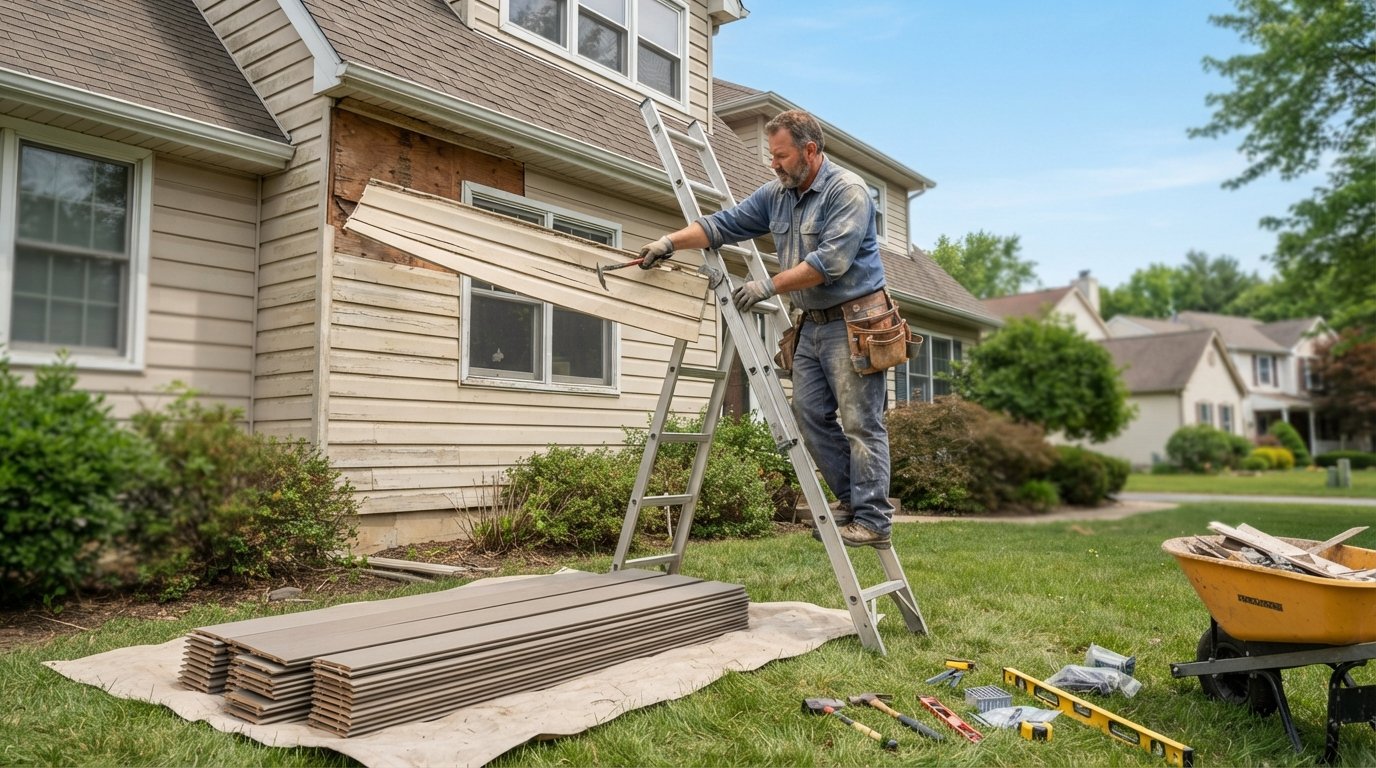
First, the crew will remove the old siding. This is done carefully to avoid damaging the underlying structure. Once the old siding is stripped, they will inspect the sheathing for any signs of rot, mold, or water damage. If they find issues, they will address them before proceeding, which may involve replacing sections of wood or installing new building wrap.
Next, the crew will install a weather-resistant barrier over the sheathing. This is a crucial step that prevents moisture from seeping into the wall cavity. The barrier is typically a synthetic wrap that is stapled or nailed to the wood. It is then sealed around windows, doors, and other openings.
After the barrier is in place, the new siding is installed. The crew will work from the bottom up, ensuring that each panel overlaps properly to shed water. They will also install trim around windows, doors, and corners, and make sure all seams are sealed. Proper installation is essential for both aesthetics and performance.
Finally, the crew will do a walkthrough with you to ensure you are satisfied with the work. They will clean up the job site, removing debris and disposing of old materials. You should also receive warranty information for both the product and the installation. This documentation is important for future reference.
Throughout the process, maintain open communication with the project manager. If you have questions or concerns, address them immediately. A good contractor will be responsive and willing to make adjustments to ensure your satisfaction.
Financing Your Siding Replacement
The cost of a siding replacement can be a significant burden on your budget, but there are several financing options available to help manage the expense. Homeowners often use a combination of savings, home equity, and personal loans to fund their projects.
One of the most common methods is using a home equity line of credit (HELOC) or a home equity loan. These options typically offer lower interest rates than personal loans because they are secured by your home. However, they require that you have sufficient equity in your property, and they carry the risk of foreclosure if you cannot make the payments.
Another option is a personal loan from a bank, credit union, or online lender. These loans are unsecured, so they do not require collateral, but they often come with higher interest rates. The approval process is usually faster, and you can receive the funds in a matter of days. This can be a good choice for smaller projects or when you need quick access to cash.
Some siding contractors offer financing plans through third-party lenders. These plans may come with promotional offers, such as zero-interest periods for the first 12 or 18 months. If you can pay off the balance within the promotional period, you can save a significant amount on interest. However, be sure to read the fine print, as the interest rate may jump substantially after the promo ends.
Before choosing a financing method, compare the total cost of each option, including interest and fees. Also, consider the impact on your monthly budget. A siding replacement is a long-term investment, and you want to ensure that the payment plan fits comfortably within your financial situation.
If you are unsure which option is best for you, consult with a financial advisor or the loan officer at your bank. They can help you assess your options and choose a plan that aligns with your goals.
Hiring the Right Contractor: The Homes.Contractors Advantage
Selecting the right contractor is the single most important factor in the success of your siding replacement project. A skilled professional will not only ensure a flawless installation but also provide valuable guidance on material selection, cost savings, and long-term maintenance. On the other hand, an inexperienced or dishonest contractor can turn your dream renovation into a nightmare.
Homes.Contractors makes it easy to find qualified, pre-vetted contractors in your area. By using their free quote service, you can receive multiple customized quotes from professionals who have been thoroughly screened for licensing, insurance, and reputation. This eliminates the guesswork and gives you the confidence to make an informed decision.
The platform also offers a wealth of educational resources, including articles, FAQs, and a ratings-by-state feature. You can research local contractors, read reviews from other homeowners, and compare quotes side by side. This transparency is invaluable when you are making a significant financial commitment.
When you request quotes through Homes.Contractors, you are not obligated to hire any of the contractors. You are free to use the quotes as a baseline for negotiations or to compare with other estimates you receive. The service is designed to empower you with information, not to pressure you into a decision.
By leveraging the resources on Homes.Contractors, you can approach your siding replacement project with clarity and confidence. You will know that you have explored your options, selected a reputable professional, and secured a fair price for quality work.
Final Thoughts on Siding Replacement
A siding replacement is a major home improvement project that can significantly enhance the beauty, comfort, and value of your home. It requires careful planning, a realistic budget, and the right team of professionals. By recognizing the signs that replacement is necessary, choosing a suitable material, and obtaining multiple quotes, you can ensure a smooth and successful renovation.
The financial commitment is substantial, but the long-term benefits often outweigh the costs. From improved energy efficiency to increased resale value, new siding is an investment that pays dividends for years. It also provides peace of mind, knowing that your home is protected from the elements and that you have addressed potential issues before they escalate.
If you are ready to take the next step, start by getting free quotes from trusted contractors through Homes.Contractors. Their network of pre-vetted professionals can offer you competitive pricing and expert advice, helping you turn your home improvement vision into reality. Your home is your sanctuary, and investing in its exterior is one of the best ways to ensure it remains a source of pride and comfort for you and your family.
Learn more about Siding Installation for guides, costs, and what to expect.
Compare Siding Installation Pros Near You
Enter your ZIP code to compare top-rated local professionals and request free quotes.