
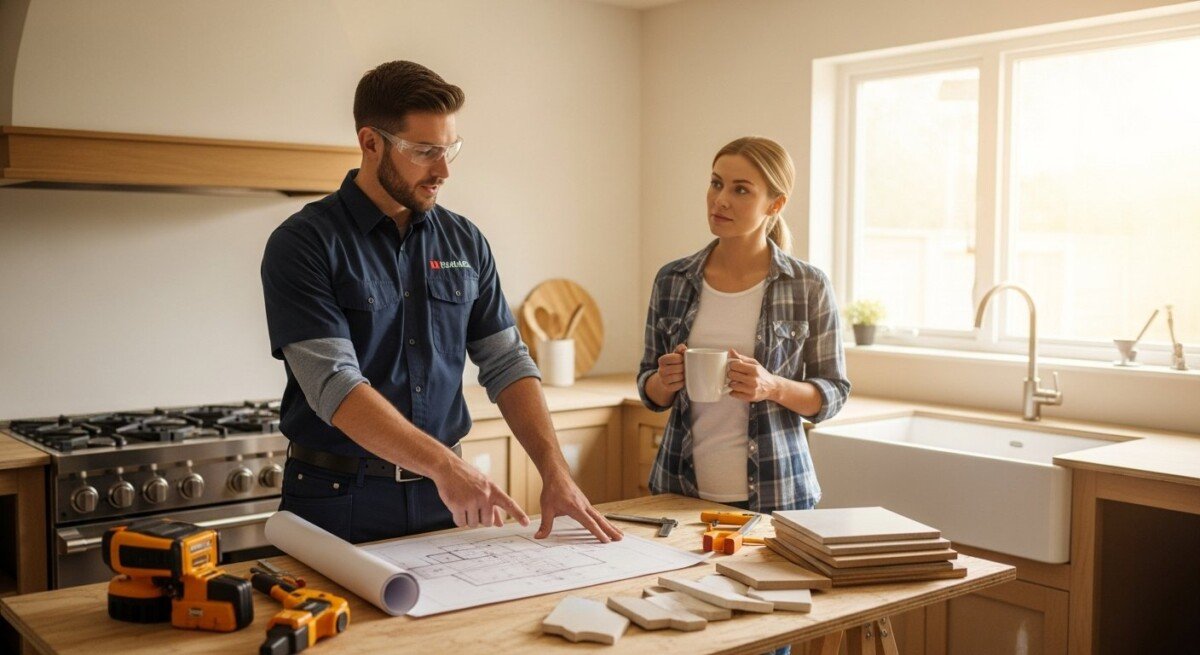
How to Select Reliable Contractors for Your Home Project
A practical guide for homeowners on how to select reliable contractors, avoid common pitfalls, and ensure a successful home project.
By Chelsea Kris
Learn more about General Contracting for guides, costs, and what to expect.
Compare General Contracting Pros Near You

Enter your ZIP code to compare top-rated local professionals and request free quotes.
You’ve finally decided to tackle that kitchen remodel or fix the persistent leak in your basement. You start searching online, asking friends for recommendations, and soon you’re overwhelmed with names, numbers, and wildly different price estimates. The excitement of the project quickly mixes with anxiety. How do you know who is trustworthy, skilled, and will actually finish the job correctly? Choosing the wrong contractor can turn your dream renovation into a costly, stressful nightmare of delays, shoddy work, and unexpected bills.
Understanding How to Select Reliable Contractors
Selecting a reliable contractor is the process of vetting and choosing a skilled professional to complete work on your home. It goes beyond just finding the lowest price. It’s about finding a partner you can trust with your biggest investment.
This challenge happens because the home improvement industry has varying standards, and not all businesses operate with the same level of integrity. While most contractors are honest, the few who aren’t can cause significant problems. Any homeowner planning a repair, renovation, or installation needs to navigate this selection process carefully.
The Foundation of a Successful Project
Think of your contractor as the foundation of your project. A strong, reliable foundation leads to a beautiful, lasting result. A weak one puts everything else at risk. Your goal isn’t just to hire someone to do a task, but to find a professional who will communicate clearly, respect your home, and deliver quality work on time and on budget.
Why This Matters for Your Home
Getting this decision right protects more than just your immediate project budget. It safeguards your home’s long-term value, your family’s safety, and your own peace of mind. A poor contractor choice can have consequences that last for years.
Substandard work can lead to hidden structural issues, water damage, or electrical hazards that aren’t apparent until long after the contractor is gone. These hidden problems often cost far more to fix than the original project would have cost if done properly the first time. Your home is your sanctuary and your most valuable asset; entrusting it to the right professional is a critical responsibility.
If you notice signs of this issue in your home, it may help to speak with a qualified contractor. Request a free quote or call to explore your repair or remodeling options.
Common Problems Homeowners Experience
When the contractor selection process fails, homeowners often face a series of frustrating and expensive problems. These issues typically stem from poor communication, lack of experience, or outright dishonesty.
The stress of dealing with a bad contractor can overshadow the joy of improving your home. Common complaints aren’t just about aesthetics; they’re about fundamental failures in the process and the final product.
- Project Abandonment: The contractor starts the job but then disappears for days or weeks, leaving your home in disarray.
- Ballooning Costs: The final bill is significantly higher than the initial estimate due to “unforeseen” charges that weren’t discussed upfront.
- Poor Craftsmanship: The work is visibly sloppy, with uneven tiles, crooked cabinets, or paint drips everywhere.
- Code Violations: The work isn’t up to local building codes, which can cause problems during a future home sale or even lead to safety issues.
- Damage to Property: The contractor’s crew damages other parts of your home, like floors, walls, or landscaping, and refuses to fix it.
- No Communication: Your calls and texts go unanswered for days, leaving you in the dark about the project timeline.
How Professionals Solve the Problem
A reliable contractor doesn’t just perform tasks; they manage a process. They bring system, expertise, and accountability to your project, transforming a potential headache into a smooth experience. Their value lies in their ability to foresee challenges, coordinate specialized labor, and ensure everything meets a high standard.
Professional work is almost always safer and more durable than DIY attempts or cut-rate jobs. They know how to properly prepare surfaces, use the right materials for the application, and follow building science principles that ensure longevity. This expertise prevents callbacks and protects your investment for the long haul.
- Detailed Consultation & Estimate: They begin by thoroughly understanding your goals and inspecting the work area to provide a clear, written scope and price.
- Planning & Permitting: They handle the necessary paperwork, secure building permits if required, and create a realistic timeline.
- Material Procurement: They source quality materials, often at better trade prices, and ensure everything is on-site when needed.
- Skilled Execution: They employ or subcontract qualified tradespeople who specialize in each phase of the work, from plumbing to finish carpentry.
- Quality Control & Cleanup: They oversee the work, perform inspections at key stages, and leave your home clean and functional.
A professional inspection can reveal hidden issues before they become expensive repairs. Compare contractor quotes here or call to discuss your project.
Warning Signs You Should Not Ignore
During your search, certain red flags can help you weed out unreliable contractors before you sign a contract. Trust your instincts. If something feels off during the initial conversations, it’s likely a sign of bigger problems to come.
Paying attention to these early warnings can save you immense time, money, and stress. It’s much easier to walk away from a bad deal before it starts than to try to fix a project gone wrong.
- Pressure to Pay Everything Upfront: A large deposit (more than 10-30%) is standard, but demanding full payment before any work begins is a major red flag.
- No Written Contract: They insist a handshake deal is enough. A detailed contract protects both you and the contractor.
- Vague or Verbal-Only Estimates: They give a rough number over the phone but refuse to put a detailed, itemized quote in writing.
- No Proof of License or Insurance: They are evasive or refuse to provide copies of their business license, liability insurance, and workers’ compensation coverage.
- No Physical Business Address: They operate solely out of a truck with a PO box, making them hard to track down if problems arise.
- Unusually Low Bid: If one estimate is drastically lower than all the others, it often means they are cutting corners, using inferior materials, or planning to add costs later.
What Affects the Cost of Repairs or Installation
Understanding what goes into a contractor’s price helps you evaluate quotes more intelligently. Cost isn’t just about materials and hourly labor; it reflects the contractor’s overhead, expertise, and the project’s complexity. A fair price ensures they can pay skilled workers, carry proper insurance, and use quality materials.
Several key factors influence the final cost. Being aware of these allows you to have more productive conversations with potential contractors and make informed decisions about where to allocate your budget.
The size and scope of the project are the most obvious factors. A full bathroom remodel costs more than replacing a toilet. The quality and type of materials you choose (e.g., laminate vs. hardwood flooring) also create a wide price range. Labor intensity, such as intricate tile work or custom cabinetry, increases costs. The accessibility of the work area,like a rooftop or a cramped basement,can add time and difficulty. Finally, the age of your home often reveals hidden issues like outdated wiring or plumbing that must be addressed to meet code, adding to the project cost.
Costs can vary depending on the condition of your home. The best way to know the price is to get a personalized estimate. Request free quotes from contractors or call today.
How to Choose the Right Contractor
The selection process is your most powerful tool for a successful outcome. It requires a bit of homework, but the payoff is a smooth project and a result you’ll love. Start by gathering 3-4 detailed estimates for comparison, as outlined in our guide on how to find reliable contractors in busy renovation seasons.
Don’t just compare the bottom-line number. Look at what’s included, the proposed timeline, and the feeling you get from each professional. The goal is to find the best value, not just the lowest price.
- Verify Credentials: Check their state license number online and ask for certificates of insurance for liability and workers’ comp.
- Read Reviews & Ask for References: Check sites like Google, BBB, and Houzz. Ask for 2-3 past client references and actually call them.
- Review the Contract Thoroughly: Ensure it includes a detailed scope of work, materials list, payment schedule, start/end dates, and warranty information.
- Meet Them in Person: Gauge their communication style and professionalism. Do they listen to your ideas and offer thoughtful suggestions?
- Ask About Their Process: How do they handle unexpected issues? Who will be the daily point of contact on-site?
Long-Term Benefits of Professional Work
Investing in a reliable contractor pays dividends long after the project is complete. Quality workmanship and proper installation extend the life of your improvements, meaning you won’t have to repair or replace them prematurely. This durability translates directly into long-term savings.
Beyond savings, professional work enhances your daily life and protects your financial future. It ensures systems operate efficiently, your home is safe for your family, and your property value is maximized. A well-done renovation or repair is an investment that grows over time, both in enjoyment and in resale value.
You’ll enjoy improved safety from correctly installed electrical and structural elements. Better durability means fewer callbacks and repairs. Energy-efficient installations, like proper insulation or windows, lower utility bills. Most importantly, quality work significantly increases your home’s market value and appeal. Finally, it reduces future maintenance costs and headaches, giving you peace of mind.
FAQs
How long does it typically take to get multiple estimates?
Plan for at least one to two weeks to properly solicit, receive, and compare 3-4 detailed estimates. Rushing this process often leads to poor decisions. A thorough contractor needs time to assess your project and provide an accurate quote.
What questions should I ask contractor references?
Ask if the project was completed on time and on budget. Inquire about the crew’s cleanliness and professionalism. Most importantly, ask if they would hire the contractor again for a future project. The answer to this last question is very telling.
Is a permit always required for home projects?
Not always, but for structural, electrical, plumbing, or major renovations, a permit is usually mandatory. A reliable contractor will know the local codes and pull the necessary permits, which also provides an extra layer of inspection for your safety.
What’s the difference between an estimate and a quote?
An estimate is a rough, often verbal, approximation of cost. A quote (or bid) is a fixed-price offer for the defined scope of work. You should always insist on a detailed, written quote before signing a contract.
Should I be home while the work is being done?
It’s a good idea to be available, especially at the start and end of each day, for quick check-ins. However, you don’t need to hover. A trustworthy contractor will communicate progress and won’t mind reasonable questions.
How do I handle disagreements during the project?
Refer to your contract first. Then, speak directly with the project manager or owner. Clear communication early on usually resolves most issues. Having a detailed contract makes these conversations much easier.
Selecting the right contractor is the most important step in any home improvement journey. By taking the time to research, verify, and compare your options, you invest in a stress-free process and a result that will stand the test of time. Don’t let the fear of making a wrong choice paralyze you,let it motivate you to do the necessary homework. Start by gathering a few detailed quotes from screened professionals to understand your options and move forward with confidence.
Learn more about General Contracting for guides, costs, and what to expect.
Compare General Contracting Pros Near You
Enter your ZIP code to compare top-rated local professionals and request free quotes.