
Roof Replacement Cost Guide for Homeowners in 2026
Understand the true cost of a roof replacement and learn the essential steps to hire a qualified contractor and avoid costly mistakes.
By Alexia Mabel
Learn more about Roof Installation or Replacement for guides, costs, and what to expect.
Compare Roof Installation or Replacement Pros Near You

Enter your ZIP code to compare top-rated local professionals and request free quotes.
Your roof is one of the most critical components of your home, protecting everything beneath it from the elements. But when it reaches the end of its lifespan, or suffers significant storm damage, a roof replacement becomes an unavoidable expense. For many homeowners, the thought of this project brings up immediate concerns about cost, disruption, and finding a trustworthy contractor. The key to navigating this major home improvement is to arm yourself with the right information before you commit to anything.
This guide will walk you through every critical aspect of a roof replacement, from understanding the true cost factors to selecting the right materials and choosing a qualified professional. We will break down the process into clear, actionable steps, helping you avoid common pitfalls and ensuring you get the best possible outcome for your investment. Whether you are dealing with an emergency leak or planning a proactive upgrade, this resource is designed to give you confidence and clarity.
How Much Does a Roof Replacement Cost?
The cost of a roof replacement is influenced by a complex mix of factors, and it is rarely a one-size-fits-all number. According to industry data, the national average for a standard asphalt shingle roof replacement typically ranges from $8,000 to $15,000, but this figure can easily escalate depending on your specific circumstances. High-end materials, complex roof designs, and difficult access can push costs to $30,000 or more. Understanding these variables is the first step in creating a realistic budget.
Several key elements will drive the final price you are quoted. These include the size and pitch of your roof, the type of materials you choose, the complexity of the roof's architecture, and the region where you live. Labor costs also vary significantly by state and city due to differences in the cost of living and local demand for roofing services. To get a truly accurate estimate, you will need to have a professional assess your specific roof and your home's unique characteristics.
Key Factors That Influence the Final Price
Before you start collecting quotes, it helps to understand the primary cost drivers so you can ask informed questions and evaluate proposals effectively. Here are the most significant factors that will affect your roof replacement estimate:
- Roof Size and Complexity: Larger roofs require more materials and labor. Steep slopes and complex architectural features like valleys, dormers, and skylights add significant time and difficulty to the installation, increasing costs.
- Material Selection: Asphalt shingles are the most budget-friendly option, while metal, tile, and slate are premium materials with a much higher upfront cost but often a longer lifespan.
- Geographic Location: Labor rates and material costs vary across the country. Homes in urban areas or with stricter building codes may see higher estimates. Local climate also influences material recommendations and requirements.
- Existing Roof Removal: The cost of tearing off and disposing of your old roofing material is typically included in a replacement estimate. The number of existing layers that need to be removed will affect this cost.
- Structural Repairs: Once the old roof is removed, contractors may discover rot or damage to the roof deck that needs to be repaired or replaced before the new roof can be installed. This can add an unexpected but necessary expense.
By understanding these factors, you can better assess the quotes you receive and ensure they are comprehensive. A detailed estimate should clearly break down these costs, so you are not caught off guard by hidden fees later in the project.
Signs You Need a Full Roof Replacement
Not every roofing issue requires a full replacement. Some problems can be solved with simple repairs. However, there are several clear signs that indicate a replacement is the more practical and cost-effective long-term solution. Recognizing these signs early can help you address the issue before it leads to more extensive and expensive damage to your home's interior.
If you notice any of the following, it is time to consult with a professional roofer for an assessment. They can determine the true extent of the damage and advise you on whether repairs will suffice or if a full roof replacement is necessary. Ignoring these signs can lead to leaks, mold growth, structural decay, and compromised energy efficiency.
Age of the Roof and Visible Damage
The age of your roof is one of the most telling indicators. Most asphalt shingle roofs are designed to last between 20 and 25 years, while metal roofs can last 50 years or more. If your roof is approaching or has surpassed this age, it is more susceptible to failure. Visible signs of aging and damage include cracked, curling, or missing shingles, as well as granules from the shingles accumulating in your gutters.
Another critical sign is daylight peeking through the roof boards in your attic, or a sagging roofline, which indicates a structural problem. Water stains on your ceilings or walls are a definitive sign of a leak. If you see widespread damage, such as many shingles that are loose or broken, or if the roof deck is rotting, a full replacement is almost always the recommended course of action.
Selecting the Right Roofing Material
Your choice of roofing material is a significant decision that impacts not only the cost of the project but also the look, durability, and energy efficiency of your home. The most common and cost-effective option is the architectural asphalt shingle, which offers a good balance of affordability, durability, and curb appeal. They come in a variety of colors and styles to match most home designs.
For homeowners seeking a longer-lasting and more premium option, metal roofing is gaining popularity. It offers exceptional longevity, is highly resistant to fire and extreme weather, and is energy efficient. While the upfront cost is higher, the lifespan of a metal roof can make it a sound investment. Tile and slate are other premium options with a distinct aesthetic and excellent durability, but they are heavier and require a stronger roof structure, which can add to the installation cost.
Choosing a Qualified Roofing Contractor
Selecting the right contractor is arguably the most important step in the entire roof replacement process. A poor installation can lead to a host of problems, including leaks, premature failure, and even damage to your home's interior. It is essential to do your due diligence and not simply pick the lowest bidder. A professional, pre-vetted contractor will provide a fair price, use quality materials, and stand behind their work.
Start by asking for recommendations from friends, family, and neighbors who have recently had roofing work done. Then, verify each candidate's credentials. Ensure they are licensed and insured, including workers' compensation and liability insurance. Check their references and look at examples of their previous work. A reputable contractor will be happy to provide this information and will conduct a thorough inspection of your roof before giving you a detailed, written estimate. Using a trusted directory like Homes.Contractors can significantly simplify this process by connecting you with qualified professionals in your area.
Questions to Ask Before Hiring
Once you have a shortlist of potential contractors, it is important to interview them. Come prepared with a set of questions to gauge their expertise and professionalism. A confident and reputable contractor will answer your questions clearly and directly. Here are some essential questions to ask:
- How long have you been in business? Do you have a physical address and a permanent place of business?
- Are you licensed and insured in my state? Can I see proof of insurance?
- Will you provide a detailed, written estimate that includes all costs, materials, and timelines?
- Do you use subcontractors? If so, who are they and are they also insured?
- What type of warranty do you offer on both materials and labor?
- Can you provide references from recent, similar projects?
Asking these questions will help you differentiate between a professional and a potentially problematic contractor. Take the time to verify the information they provide, and trust your instincts. The right contractor will make you feel confident and informed throughout the process.
The Roof Replacement Process: What to Expect
Understanding the steps of a roof replacement can help you prepare and ensure the project runs smoothly. The process is not just a single day of work; it involves several stages, from the initial inspection to the final cleanup. Knowing what to expect can also help you protect your property and communicate effectively with your contractor.
A typical roof replacement involves the following steps:
- Initial Inspection and Estimate: The contractor will assess your roof's condition, measure its dimensions, and provide a detailed quote.
- Material Delivery and Preparation: The roofing materials are delivered, and the crew will prepare your property by covering landscaping and setting up a dumpster.
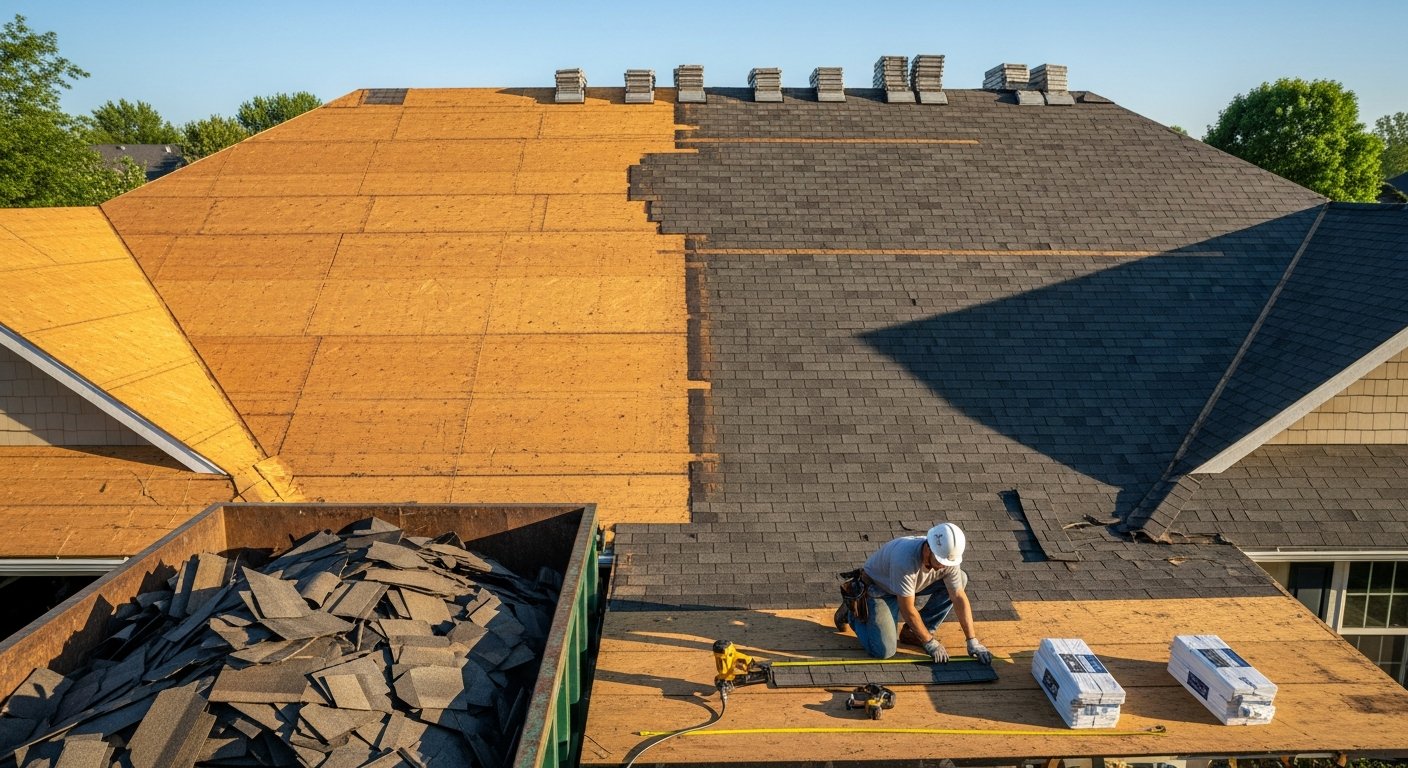
- Removing the Old Roof: The crew will tear off the existing shingles and underlayment, inspecting the roof deck for any damage.
- Repairing the Roof Deck: Any rotten or damaged wood is replaced to ensure a solid foundation for the new roof.
- Installing New Underlayment and Flashing: A waterproof barrier is laid down, and new flashing is installed around vents, chimneys, and skylights.
- Installing New Roofing Material: The new shingles, tiles, or metal panels are installed according to the manufacturer's specifications.
- Final Inspection and Cleanup: The crew will inspect the work, walk the property to pick up any stray nails, and ensure everything is left clean.
The duration of the project will depend on the size of your roof and the weather conditions. A typical residential roof replacement can take anywhere from one to three days. Your contractor should provide you with a clear timeline before work begins.
Financing Your Roof Replacement
Given the significant cost, many homeowners worry about how to pay for a roof replacement. There are several financing options available, and the right one for you will depend on your financial situation and long-term goals. A common option is to use a home equity loan or a home equity line of credit (HELOC), which typically offers lower interest rates because the loan is secured by your home.
Another popular approach is to use a roofing company's financing program. Many reputable contractors partner with financial institutions to offer payment plans to their customers. These plans can range from short-term, no-interest options if paid in full within a certain period, to longer-term loans with fixed monthly payments. It is essential to read the fine print and understand the interest rates and terms before committing to any financing agreement. If you have the cash on hand, paying outright is always the most cost-effective option, as it avoids interest charges.
The Value of a New Roof
While a roof replacement is a substantial investment, it is also one of the most valuable home improvements you can make. A new roof not only provides essential protection but also significantly boosts your home's curb appeal and market value. In fact, a roof replacement is one of the few home improvement projects that can offer a high Return on Investment (ROI) when you sell your home.
Beyond the financial value, a new roof offers peace of mind. You will no longer have to worry about leaks, drafts, or structural damage. Modern roofing materials are also more energy efficient, helping to reduce your heating and cooling costs. This combination of protection, aesthetics, and energy savings makes a roof replacement a wise investment in the long-term health and comfort of your home.
Ultimately, a roof replacement is a significant decision that requires careful planning and execution. By understanding the costs, recognizing the signs of failure, choosing the right materials, and hiring a qualified contractor, you can navigate the process with confidence. Take the time to research and get multiple quotes, and you will be well on your way to securing a durable, beautiful, and reliable roof for your home for years to come.
Learn more about Roof Installation or Replacement for guides, costs, and what to expect.
Compare Roof Installation or Replacement Pros Near You
Enter your ZIP code to compare top-rated local professionals and request free quotes.