Understanding Your Roof Installation Contractor Estimate
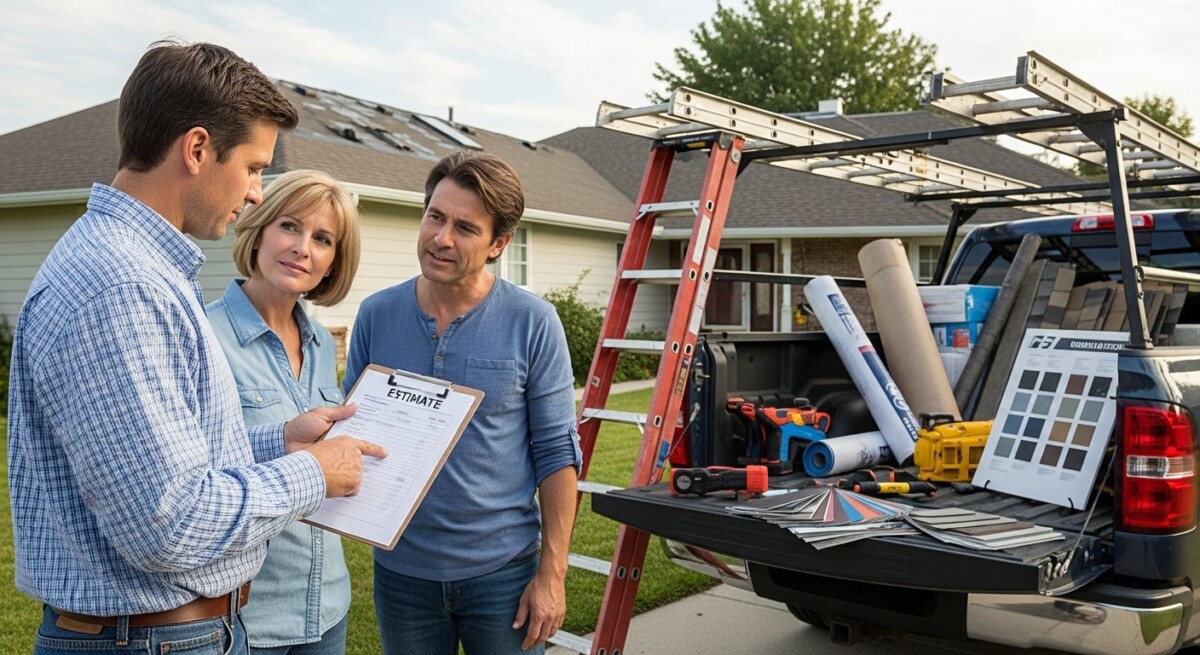
You notice a few missing shingles after a storm, or maybe your energy bills have been creeping up. You know your roof is getting older, and the thought of a major replacement project feels overwhelming. The first step for most homeowners is to get a roof installation contractor estimate, but that document can be confusing. Understanding what you’re looking at is crucial, as a low-quality roof or a misunderstanding about costs can lead to serious problems down the line, from leaks to structural damage.
Understanding Roof Installation Contractor Estimate
A roof installation contractor estimate is a detailed proposal that outlines the cost, materials, timeline, and scope of work for your roofing project. It’s more than just a price tag; it’s a blueprint for the entire job. This document is your primary tool for comparing different contractors and ensuring you know exactly what you’re paying for.
It happens when a contractor assesses your home’s specific needs. They consider the roof’s size, pitch, current condition, and your chosen materials. Every home is unique, which is why estimates can vary significantly. While any home with a roof will eventually need this service, homes with older roofs (typically 20+ years), those in areas with severe weather, or homes showing clear signs of wear are most affected.
Why This Matters for Your Home
Your roof is your home’s first line of defense. A clear, accurate estimate is the foundation of a successful project that protects your biggest investment. Choosing a contractor based solely on the lowest price, without understanding the estimate’s details, can compromise your home’s safety and value.
An incomplete or poor-quality installation can lead to immediate leaks, water damage to your attic and walls, and even mold growth. Over time, these issues can weaken your home’s structure and lead to exponentially higher repair costs. A professional estimate helps you avoid these risks by planning for a durable, long-lasting solution from the start.
If you notice signs of this issue in your home, it may help to speak with a qualified contractor. Request a free quote or call to explore your repair or remodeling options.
Common Problems Homeowners Experience
Homeowners often face confusion and frustration when reviewing estimates. One contractor’s bid might be thousands less than another’s, leading to suspicion or the temptation to choose the cheapest option without asking why. This price disparity usually stems from differences in materials, labor warranties, or the scope of work included.
Another common problem is the “surprise” cost. An estimate that isn’t detailed can hide necessary work, like decking replacement or ice and water shield installation. When these are discovered mid-project, the price increases, leaving you with an unexpected bill. A thorough estimate prevents this by outlining all potential costs upfront.
- Vastly different prices between contractors with no clear explanation.
- Estimates that are vague or lack line-item details for materials and labor.
- Pressure to sign a contract immediately without time to review.
- Contractors who won’t put everything in writing.
- Lowball bids that seem too good to be true (they often are).
- Confusion about what is and isn’t covered under warranty.
How Professionals Solve the Problem
A reputable roofing contractor solves these problems by providing a comprehensive, transparent estimate. They view this document as a partnership agreement, not just a sales tool. Their goal is to set clear expectations, so you feel confident and informed throughout the process.
Professional work is safer and more reliable because it follows building codes, uses proper installation techniques, and includes crucial steps a DIY approach might skip. They also carry insurance, protecting you from liability if an accident occurs on your property. Our guide on how to get accurate contractor estimates dives deeper into what a trustworthy proposal should include.
- On-Site Inspection: A thorough evaluation of your roof’s structure, decking, flashing, and existing damage.
- Detailed Scope of Work: A clear list of every task, from tear-off and disposal to installation of underlayment, shingles, and ventilation.
- Material Specifications: Exact product names, grades, colors, and quantities, so you know the quality you’re getting.
- Project Timeline: A realistic schedule for start and completion, accounting for weather.
- Payment Schedule: A fair breakdown of payments tied to project milestones, not a large upfront sum.
- Warranty Information: Clear terms for both the manufacturer’s warranty on materials and the contractor’s warranty on labor.
A professional inspection can reveal hidden issues before they become expensive repairs. Compare contractor quotes here or call to discuss your project.
Warning Signs You Should Not Ignore
Knowing when to seek an estimate is just as important as understanding the estimate itself. Your roof often gives clear signals that it’s nearing the end of its service life. Ignoring these signs can turn a planned replacement into an emergency repair, which is always more costly and stressful.
Acting early gives you the time to research contractors, secure financing if needed, and schedule the work at a convenient time. It also prevents minor damage from escalating into major interior repairs. If you see any of the following, it’s time to start gathering estimates.
- Curling, cracking, or missing shingles.
- Granules from shingles accumulating in your gutters or downspouts.
- Dark streaks or moss growth, which can indicate moisture retention.
- Signs of water damage or leaks in your attic or on ceilings.
- Sagging areas on the roof deck.
- Daylight visible through the roof boards in the attic.
What Affects the Cost of Repairs or Installation
Many factors influence your final roof installation cost, which is why personalized estimates are essential. The size and slope of your roof are the most obvious factors,a larger, steeper roof requires more materials and labor. The type of roofing material you choose (asphalt shingles, metal, tile, slate) creates a significant price range.
Other cost drivers include the complexity of your roof’s design (multiple valleys, dormers, chimneys), the condition of the underlying wood decking that may need replacement, and your location’s accessibility. Local labor rates and the cost of disposing of the old roofing material also play a role. Understanding these variables helps you make sense of the numbers on your estimate.
Costs can vary depending on the condition of your home. The best way to know the price is to get a personalized estimate. Request free quotes from contractors or call today.
How to Choose the Right Contractor
Your estimate is only as good as the contractor behind it. Choosing the right professional is the most critical decision in your roofing project. Look for a contractor who communicates clearly, answers all your questions patiently, and provides a detailed, written estimate without pressure.
A trustworthy contractor will welcome your diligence. They understand you are making a major investment and want you to feel secure in your choice. Taking the time to compare contractor estimates properly is the best way to ensure you select a partner who will do the job right.
- Verify they are licensed, insured (liability and workers’ compensation), and have a good standing with the Better Business Bureau.
- Read recent customer reviews and ask for references from past jobs.
- Ensure the estimate is detailed, with a clear scope of work and material specifications.
- Get at least three estimates to understand the market rate for your project.
- Ask about their experience with your specific type of roof and chosen material.
Long-Term Benefits of Professional Work
Investing in a professional roof installation pays dividends for years. First and foremost, it ensures the safety of your family and belongings by creating a watertight, secure barrier against the elements. A properly installed roof with adequate ventilation can also improve your home’s energy efficiency, lowering heating and cooling costs.
This work significantly boosts your home’s curb appeal and resale value, often providing a strong return on investment. Most importantly, quality workmanship backed by strong warranties means peace of mind. You’ll have fewer worries during storms and know that your home is protected for decades, with minimal maintenance required. Learning how to request a project contractor estimate is the first step toward securing these long-term benefits.
How long does a roof installation estimate take?
A thorough on-site inspection typically takes 30-60 minutes. The contractor will then prepare the detailed estimate, which you should receive within a day or two. Be wary of anyone who gives an instant quote without examining your roof.
What’s the difference between an estimate and a quote?
In roofing, the terms are often used interchangeably. However, an “estimate” can sometimes be a preliminary approximation, while a “quote” or “proposal” is usually a fixed-price offer for the specified work. Always ask if the price is firm.
Should I always choose the lowest estimate?
Not necessarily. The lowest price may mean lower-quality materials, less experienced labor, or missing crucial steps. Compare the scope of work, materials, and warranties line-by-line to understand why prices differ.
What questions should I ask a contractor about their estimate?
Ask what specific brand and grade of materials are included, if the cost of permits is covered, how they protect your property during work, what the payment schedule is, and the exact terms of their workmanship warranty.
How much should a deposit be for a roofing project?
A reasonable deposit to secure materials and schedule your project is typically 10-30% of the total cost. Be extremely cautious of contractors who demand 50% or more upfront before any work begins.
Does my roof estimate include gutter replacement?
Usually, no. A standard roof installation estimate covers the roof itself. Gutter and downspout work is typically a separate line item. If your gutters are old, discuss this with your contractor during the estimate phase.
Understanding your roof installation contractor estimate empowers you to make smart, confident decisions for your home. It transforms a complex project into a manageable process with a clear path forward. By addressing roof issues early and comparing detailed, professional estimates, you invest in lasting protection, comfort, and value for your home. Start by gathering a few estimates from qualified local contractors to understand your specific options and costs.