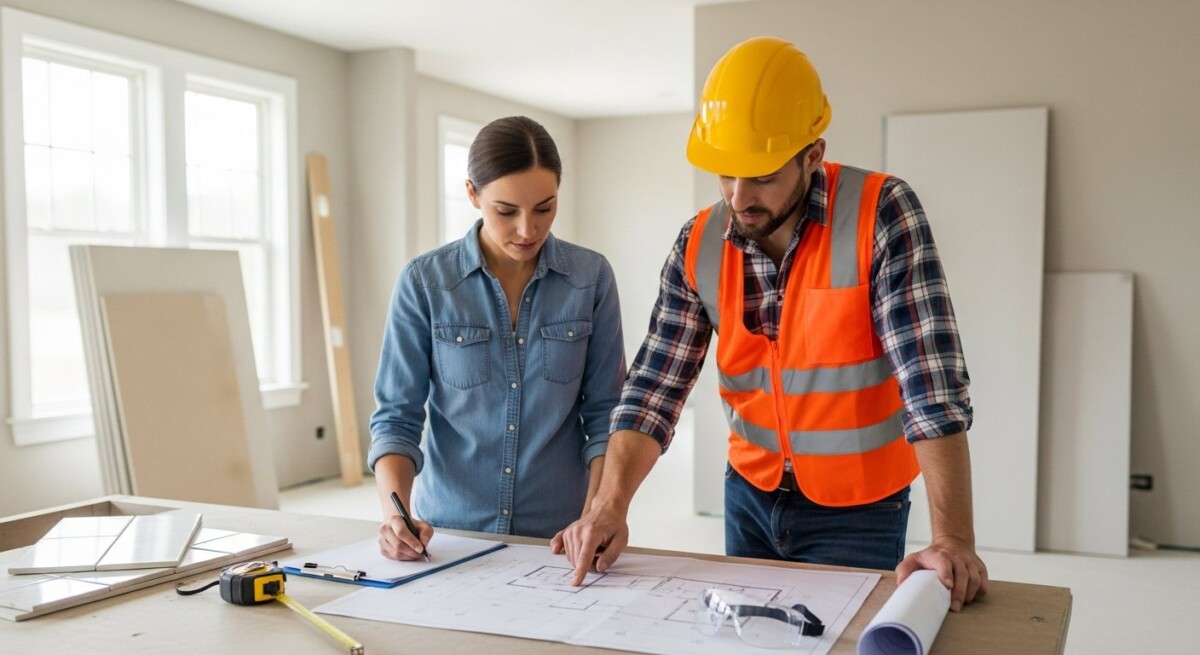
What Questions to Ask Contractor Before Hiring: A Homeowner Guide
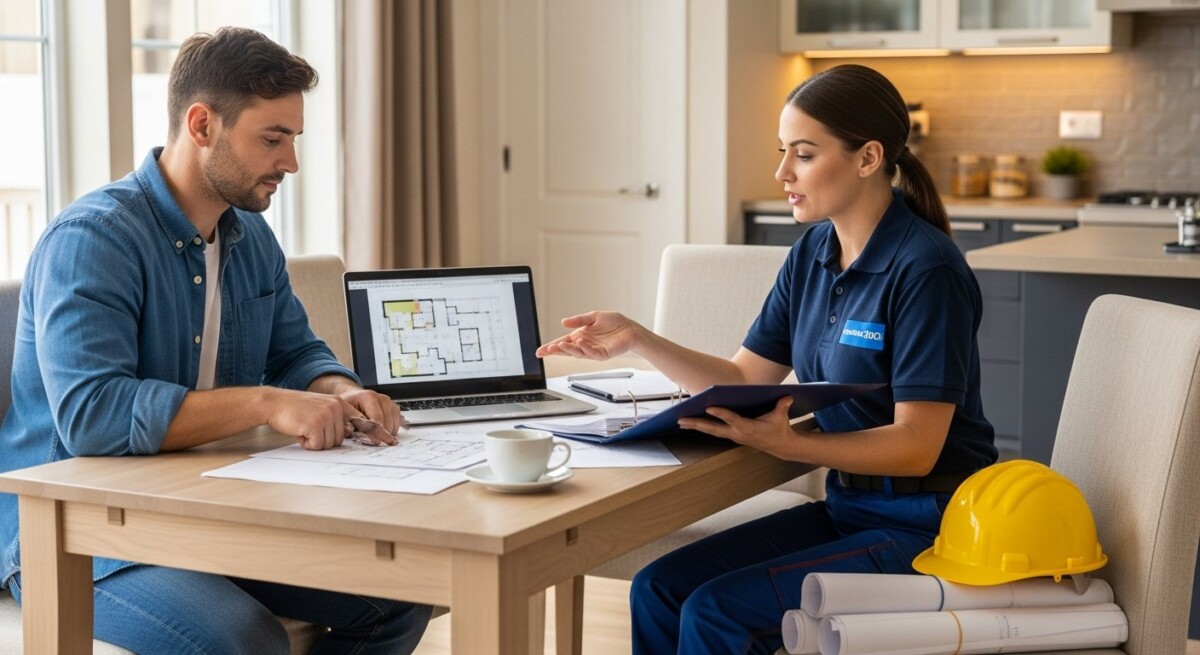
You’ve finally decided to remodel your bathroom or fix that leaky roof. You’ve saved up, cleared your schedule, and maybe even picked out new tiles. But then reality hits: you need to find someone to do the work,and the thought of trusting a stranger with your home feels unsettling. You’ve heard horror stories about unfinished projects, surprise costs, and shoddy work. That’s why knowing what questions to ask contractor before hiring can mean the difference between a smooth renovation and a costly headache. Asking the right questions early helps you avoid miscommunication, hidden fees, and subpar results. It’s not about being difficult,it’s about protecting your biggest investment.
When you hire a contractor without vetting them properly, you risk paying for repairs twice, dealing with safety hazards, or even facing legal trouble if the contractor isn’t licensed or insured. The good news is that a few simple, direct questions can reveal a lot about a contractor’s reliability, experience, and professionalism. This guide walks you through exactly what to ask so you can hire with confidence and avoid common pitfalls.
Understanding What Questions to Ask Contractor Before Hiring
Asking the right questions isn’t just about checking boxes,it’s about gathering the information you need to make a smart decision. What questions to ask contractor before hiring typically fall into categories: licensing and insurance, project timeline, payment terms, references, and communication expectations. When you cover these areas, you get a clear picture of how the contractor operates and whether they’re a good fit for your project.
Homeowners often skip this step because they feel rushed or uncomfortable questioning a professional. But a reputable contractor expects these questions and will answer them openly. If a contractor hesitates, gives vague answers, or seems annoyed, consider it a red flag. The best contractors welcome transparency because they have nothing to hide.
Why This Matters for Your Home
Your home is likely your most valuable asset, and any renovation or repair affects its safety, comfort, and resale value. Hiring the wrong contractor can lead to structural damage, code violations, or even accidents that injure your family. For example, a poorly installed roof might leak for months before you notice, causing mold and rotting wood that costs thousands to fix. Similarly, an unlicensed electrician could create fire hazards that put your entire home at risk.
Beyond safety, a bad contractor can waste your time and money. Projects that should take two weeks can drag on for months, and you might end up paying more than your original budget to fix mistakes. By learning what questions to ask contractor before hiring, you significantly reduce these risks. You’ll hire someone who respects your home, your timeline, and your wallet.
If you notice signs of this issue in your home, it may help to speak with a qualified contractor. Request a free quote or call to explore your repair or remodeling options.
Common Problems Homeowners Experience
Many homeowners jump into a project without asking enough questions, only to face problems later. One common issue is a contractor who demands a large deposit upfront and then disappears or does subpar work. Another is discovering mid-project that the contractor isn’t licensed to pull permits, which can halt work and lead to fines. You might also find that the contractor’s timeline was overly optimistic, leaving your home in disarray for weeks longer than expected.
These problems often stem from a lack of clear communication from the start. When you don’t establish expectations about payment schedules, change orders, or daily cleanup, misunderstandings are almost guaranteed. Many homeowners also forget to ask about subcontractors,the contractor might hire other workers you never meet, and those workers might not be insured.
- Contractor demands full payment before work is complete
- Project drags on weeks past the agreed deadline
- Unexpected costs appear for “extras” that weren’t discussed
- Workers show up late, leave early, or don’t clean up
- Permits are missing, causing code violations
- Subcontractors aren’t insured or vetted
How Professionals Solve the Problem
Experienced contractors have systems in place to minimize these issues. They provide written contracts that detail the scope of work, payment schedule, and timeline. They also carry liability insurance and worker’s compensation, so if an accident happens on your property, you’re not liable. A professional contractor will pull all necessary permits and schedule inspections, ensuring your project meets local building codes.
Here’s what a typical professional process looks like:
- Consultation and Estimate: The contractor visits your home, discusses your goals, and provides a detailed written estimate.
- Contract Signing: Both parties agree on the scope, payment terms, and timeline, with clear language about change orders.
- Permitting and Preparation: The contractor secures permits, orders materials, and prepares the work area.
- Project Execution: Work proceeds according to schedule, with regular updates and minimal disruption.
- Final Walkthrough and Payment: You inspect the completed work, address any punch-list items, and make final payment only when satisfied.
Professional work is safer and more reliable than DIY fixes because contractors have the training, tools, and insurance to handle unexpected issues. They also guarantee their work, giving you peace of mind that if something goes wrong later, they’ll make it right.
A professional inspection can reveal hidden issues before they become expensive repairs. Compare contractor quotes here or call to discuss your project.
Warning Signs You Should Not Ignore
Your home often gives you clues that something needs attention. Pay attention to these early warning signs,ignoring them can turn a small repair into a major project. For example, a small water stain on the ceiling might indicate a slow roof leak that, left unchecked, could rot your attic framing. Cracks in your foundation walls might start small but widen over time, compromising your home’s structural integrity.
Don’t assume these issues will go away or that they’re purely cosmetic. Many homeowners delay repairs because they’re busy or hope the problem isn’t serious. But delaying often leads to more damage, higher costs, and potentially dangerous conditions. If you spot any of the signs below, it’s time to call a contractor for an evaluation.
- Water stains, peeling paint, or bubbling wallpaper on walls or ceilings
- Musty odors or visible mold, especially in basements or bathrooms
- Gaps around windows or doors that let in drafts
- Flooring that feels spongy, slopes, or is visibly warped
- Electrical outlets that spark, feel warm, or stop working
- Cracks in walls, ceilings, or foundation that grow over time
What Affects the Cost of Repairs or Installation
Several factors influence how much a contractor will charge for your project. The size of the job is obvious,a full kitchen remodel costs more than replacing a sink. But less obvious factors also matter. Materials play a big role: custom cabinets or high-end flooring can double your costs compared to standard options. Labor rates vary by region and by the complexity of the work, especially if your home has unique features or difficult access.
Your home’s age and condition also affect pricing. Older homes often have hidden problems like outdated wiring, asbestos, or lead paint that require special handling. Accessibility matters too,if a contractor has to haul materials up several flights of stairs or work in a cramped crawl space, expect higher labor charges. Understanding these factors helps you budget realistically and avoid sticker shock when you receive estimates.
Costs can vary depending on the condition of your home. The best way to know the price is to get a personalized estimate. Request free quotes from contractors or call today.
How to Choose the Right Contractor
Choosing a contractor isn’t just about price,it’s about trust and fit. You want someone who communicates clearly, shows up on time, and has a track record of quality work. Start by asking friends and neighbors for recommendations, then check online reviews on trusted platforms. Once you have a few candidates, interview them using the questions we’ve discussed.
Always get at least three written estimates for major projects. This gives you a sense of the fair market price and helps you spot outliers,either suspiciously low bids that might cut corners or unusually high bids that might be overpriced. During interviews, pay attention to how the contractor listens to your concerns and whether they offer solutions that match your vision.
- Verify the contractor’s license and insurance (liability and worker’s comp)
- Read recent online reviews and ask for references from past clients
- Get a detailed written estimate that breaks down materials, labor, and timeline
- Compare at least three quotes to understand pricing and scope differences
- Confirm the contractor has experience with your specific type of project
Long-Term Benefits of Professional Work
Investing in professional repairs or remodeling pays off over time. Quality workmanship means your roof, flooring, or bathroom will last years longer than a quick DIY or budget job. Many professional contractors also offer warranties on their labor, so if something goes wrong, you’re covered. That peace of mind is valuable, especially for major systems like your HVAC or electrical.
Professionally completed projects also boost your home’s resale value. Buyers are willing to pay more for a home with updated kitchens, bathrooms, or roofs that were installed by licensed contractors. Energy-efficient upgrades, like new windows or insulation, lower your utility bills month after month. And because professionals handle permits and inspections, you avoid future headaches when selling your home,no surprises from code violations or unpermitted work.
Frequently Asked Questions
What should I ask a contractor before hiring them?
Ask about their license and insurance, written estimates, payment schedule, timeline, and references. Also ask who will be doing the work,will it be the contractor or subcontractors? A good contractor will answer all these questions clearly and provide documentation.
How do I know if a contractor is reliable?
Check online reviews, ask for references from recent projects, and verify their license with your state’s licensing board. Reliable contractors also communicate promptly, provide written contracts, and don’t pressure you to sign immediately.
Is it normal to get multiple quotes from contractors?
Yes, it’s standard practice. Getting at least three quotes helps you understand the market price and compare services. Be wary of quotes that are significantly lower than others,they may indicate shortcuts or hidden fees.
What questions to ask a contractor about payment?
Ask about the payment schedule, including deposit amount and when final payment is due. Avoid contractors who demand full payment upfront. A typical schedule might be 10,30% deposit, progress payments, and final payment upon completion and satisfaction.
Should I ask a contractor for proof of insurance?
Absolutely. Ask for a certificate of liability insurance and worker’s compensation coverage. This protects you if a worker is injured on your property or if the contractor damages your home. Never skip this step.
How do I handle changes to the project after work starts?
Discuss change orders before any extra work begins. Ask the contractor how they handle changes,ideally, they’ll provide a written change order with the cost and timeline impact. Never approve verbal changes without documentation.
What questions to ask a contractor about timeline?
Ask for a start date, estimated completion date, and what factors could delay the project. Also ask how they handle unexpected issues like weather or material shortages. A detailed timeline keeps everyone accountable.
Can I ask a contractor for a list of recent projects?
Yes, and you should. Ask for photos or addresses of similar projects they’ve completed recently. If possible, contact those homeowners to ask about their experience. This gives you real insight into the contractor’s quality and professionalism.
Choosing the right contractor starts with asking the right questions. When you know what questions to ask contractor before hiring, you protect your home, your budget, and your peace of mind. Don’t rush the process,take time to interview multiple contractors, check references, and compare estimates. The effort you invest upfront will save you from costly mistakes down the road. Ready to find a qualified contractor for your project? Compare quotes from trusted professionals today and get the job done right the first time.