
Permit Requirements for Replacing a Water Heater
Permit requirements for replacing a water heater vary by city. Learn when a permit is mandatory and how to avoid fines, failed inspections, and insurance denials.
By Chelsea Kris
Learn more about Water Heater Installation or Replacement for guides, costs, and what to expect.
Compare Water Heater Installation or Replacement Pros Near You

Enter your ZIP code to compare top-rated local professionals and request free quotes.
Replacing a water heater feels like a straightforward plumbing job until you discover your city requires a permit, inspection, and sometimes even a licensed professional to sign off on the work. Homeowners across the United States face a patchwork of rules that vary dramatically from one jurisdiction to the next. Some municipalities demand a permit for every replacement, while others only require one when you switch fuel types or relocate the unit. Understanding these permit requirements for replacing a water heater before you hire anyone protects you from fines, failed inspections, and insurance headaches that can cost far more than the permit itself.
This guide walks you through what permits typically cover, when they are mandatory, how much they cost, and why skipping them is almost never worth the risk. Whether you are swapping a failed tank in a Texas suburb or upgrading to a tankless system in California, the information below helps you ask the right questions and avoid expensive surprises.
Why Water Heater Permits Exist in the First Place
Building codes treat water heaters as potentially dangerous appliances. A conventional tank-style heater stores dozens of gallons of scalding water under pressure and connects to both a fuel source and a ventilation system. If installed incorrectly, the unit can leak carbon monoxide, explode from excessive pressure, or flood a home. Permits create a paper trail that ensures a qualified person performed the work and that an inspector verified critical safety measures.
Those safety measures include proper temperature and pressure relief valve installation, correct venting for gas units, adequate combustion air, secure seismic strapping in earthquake zones, and electrical connections that meet current code. An inspector checks these items during a brief visit, but that visit only happens if someone pulled a permit first.
Permits also protect future buyers and sellers. When you sell your home, a title search or disclosure form may reveal unpermitted work. Buyers increasingly request proof that major appliance replacements were inspected, and lenders may hesitate to finance a property with code violations. A simple permit receipt can prevent a deal from falling apart months or years later.
When a Permit Is Usually Required for Water Heater Replacement
Most jurisdictions require a permit when you replace a water heater, even if you are installing an identical model in the same location. The reasoning is simple: the replacement involves disconnecting and reconnecting gas, electrical, or water lines, and the new unit must meet current code rather than the code in effect when the old one was installed. However, there are exceptions, and understanding them saves time and money.
Common triggers for a mandatory permit include switching from a tank to a tankless system, changing fuel sources (for example, electric to gas), relocating the unit to a different room or floor, increasing the tank capacity beyond a certain threshold, and installing a unit in a new construction or addition. Some states also require a permit when the replacement involves any modification to the venting system or electrical panel.
The following scenarios almost always require a permit:
- Replacing a gas water heater, regardless of whether the size or model changes
- Installing a tankless water heater, which often needs upgraded gas lines or electrical circuits
- Moving the water heater to a new location within the home
- Changing from an electric to a gas unit or vice versa
- Installing a solar thermal or heat pump water heater that ties into existing systems
In contrast, some rural counties and a handful of states allow a direct swap of an identical electric water heater without a permit, provided the homeowner or plumber follows local code and the work does not alter any connections. Even then, the installer must still meet code requirements, and an accident or flood caused by improper work could void your insurance if no permit exists. When in doubt, call your local building department and ask a direct question: does replacing a like-for-like water heater require a permit in this jurisdiction? The answer takes two minutes and eliminates guesswork.
How to Find Out What Your Local Code Requires
Permit rules are set at the city, county, or state level, and no single national database covers every jurisdiction. The most reliable source is your local building department or permit office. Most offices publish a fee schedule and a list of projects that require permits on their official website. If the website is unclear, a phone call to the permit desk usually resolves the question quickly.
You can also ask a licensed plumber who regularly works in your area. Contractors pull permits every week and know the local quirks, including which suburbs require separate electrical or gas permits in addition to the plumbing permit. If you are working with a contractor, confirm in writing who is responsible for pulling the permit and scheduling the inspection. Some homeowners prefer to pull the permit themselves to save money, but many jurisdictions only issue permits to licensed contractors for plumbing and gas work.
For a broader view of contractor vetting and local requirements, resources like expert water heater repair contractors can help you understand how professionals in your region handle permitting and inspections. A qualified contractor will never suggest skipping a required permit, and any professional who does is a red flag.
What the Permit Process Actually Involves
The permit process typically follows a predictable sequence, though timelines and fees vary. Understanding each step helps you plan the project and avoid delays, especially if your old water heater has already failed and you need hot water restored quickly.
First, someone applies for the permit, either online, in person, or by mail. The application asks for the property address, the type of work, the water heater model, and sometimes the installer's license number. Second, the building department reviews the application and issues the permit, often the same day for simple replacements. Third, the installer performs the work according to code. Fourth, you or your contractor schedules an inspection. Fifth, an inspector visits the property, verifies the installation, and signs off on the permit.
Inspection requirements vary. Some jurisdictions inspect every water heater replacement, while others use a self-certification process for licensed plumbers and only inspect a percentage of jobs. Even when an inspection is not required, the permit itself remains mandatory in most areas. Failing to schedule a required inspection can result in a expired permit, which is nearly as problematic as having no permit at all.
Permit fees for water heater replacement generally range from about $50 to $300, depending on the jurisdiction and the complexity of the work. Some cities charge a flat fee, while others base the fee on the value of the project or the number of fixtures involved. A separate electrical permit may add another $50 to $150 if the job requires new wiring or a dedicated circuit. Compared to the cost of a new water heater and installation, the permit fee is a small price for peace of mind.
Consequences of Skipping the Permit
Skipping a required permit might save a few dollars upfront, but the downside can be severe. If a building inspector discovers unpermitted work during a routine visit or a complaint investigation, you may be required to remove and reinstall the water heater to expose the connections for inspection. That means paying twice for labor and possibly replacing materials damaged during the removal.
Insurance companies can deny claims related to unpermitted work. If a water heater leaks and causes thousands of dollars in water damage, and the insurer determines the unit was installed without a required permit, the claim may be rejected. The same logic applies to fires or carbon monoxide incidents caused by improper gas or venting work. Most homeowners never imagine their insurance company will investigate permit records, but adjusters do exactly that when a claim involves a major appliance.
Finally, unpermitted work complicates a home sale. Disclosure laws in many states require sellers to reveal known code violations or unpermitted improvements. Buyers may demand a price reduction, request that the work be permitted retroactively, or walk away entirely. Retroactive permits often cost more than the original permit and may require opening walls or ceilings to verify code compliance. The financial and emotional cost of dealing with these issues far exceeds the modest fee and brief inspection associated with doing it right the first time.
Who Can Pull the Permit and Perform the Work
Most jurisdictions allow only licensed plumbers, or in some cases licensed electricians and gas fitters, to pull permits for water heater replacement. A handful of states permit homeowners to pull their own permits for work on their primary residence, provided they perform the labor themselves and sign an affidavit stating they will not sell the home for a certain period. Even in those states, the work must meet the same code requirements and pass the same inspection as work done by a professional.
Hiring a licensed contractor shifts the responsibility for permits and inspections to the professional. A reputable contractor will include the permit fee in the estimate and handle the paperwork, scheduling, and inspection coordination. If a contractor suggests avoiding the permit to keep the price low, consider that a serious warning sign. It suggests the contractor may cut other corners or may not carry the proper license and insurance.
When comparing contractor quotes, ask each bidder three questions: Will you pull the required permit? Is the permit fee included in your quote? Who schedules the inspection? Clear answers to these questions separate professionals from amateurs. For homeowners who want to compare multiple quotes from pre-vetted local contractors, services like FreeQuotes.Contractors streamline the process by connecting you with licensed professionals who understand local permit rules and can handle the paperwork correctly.
Special Situations That Change Permit Requirements
Certain circumstances introduce additional permit requirements or exemptions. Tankless water heater installations often require a larger gas line, a new electrical circuit, or upgraded venting, any of which may trigger separate mechanical, electrical, or gas permits. Heat pump water heaters need condensate drainage and clearance from walls, and some jurisdictions treat them as mechanical equipment subject to additional review.
Solar water heating systems typically require both a plumbing permit and an electrical permit because they involve collectors, pumps, and controls. In historic districts or environmentally sensitive areas, additional design review or zoning approval may be necessary before a permit is issued. Condominium and townhome owners may need approval from a homeowners association in addition to the municipal permit.
If your water heater is located in a garage, attic, closet, or crawlspace, the inspector will pay close attention to venting, combustion air, and access. Units installed in bedrooms or bathrooms without proper sealed combustion are generally prohibited by code. Relocating a water heater to a different floor or room almost always requires a permit, even if the replacement itself would not.
Step-by-Step: A Practical Permit Checklist for Homeowners
Use the following checklist to keep your project on track and avoid missed steps. It applies whether you are hiring a contractor or, in rare cases, doing the work yourself under a homeowner permit.
- Call your local building department and ask whether a permit is required for your specific replacement scenario.
- Ask what inspections are required and how far in advance you must schedule them.
- Obtain written confirmation of the permit fee and any separate electrical or gas permit costs.
- Confirm in writing that your contractor will pull the permit and schedule the inspection.
- Keep copies of the permit, inspection report, and receipt for your records and future home sale.
After the inspection passes, store the documentation with your home maintenance records. If you ever sell the home, you will have proof that the work was done legally and safely. If you applied for the permit yourself, verify that the final inspection has been recorded and the permit closed. An open permit can stall a real estate transaction months or years later.
Costs, Timelines, and What to Expect on Inspection Day
Permit fees are modest compared to the total project cost, but timelines matter when your water heater has failed. In many cities, a simple replacement permit is issued the same day or within 24 hours. Inspections are often scheduled within one to three business days, though busy seasons can push that to a week or more. If you are without hot water, ask the permit office whether an emergency or expedited inspection is available.
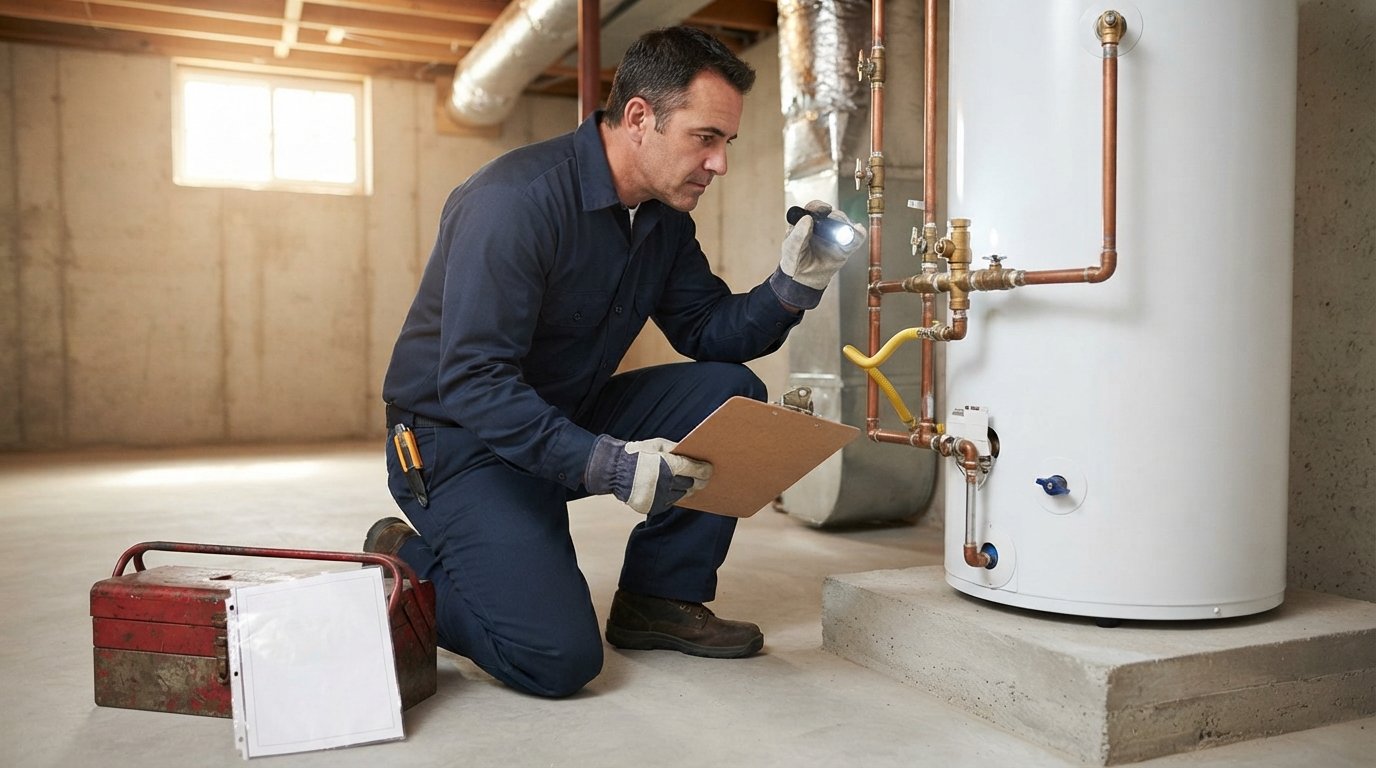
On inspection day, the inspector will verify that the water heater is properly installed, the relief valve is piped to a safe location, the venting is correct for gas units, and electrical connections are secure. They may also check for a drip pan, seismic strapping, and adequate clearance from combustibles. If something fails, the inspector will issue a correction notice, and you or your contractor must fix the issue and schedule a re-inspection. Most re-inspections are free if scheduled within a certain window, but repeated failures can add fees.
Homeowners sometimes ask whether they can avoid a permit by installing the water heater themselves. The answer depends on local rules, but even where self-installation is allowed, the permit and inspection requirements usually still apply. The inspection is not a judgment of your skills; it is a safety check that benefits you, your family, and anyone who lives in the home after you.
Understanding permit requirements for replacing a water heater is ultimately about protecting your investment and your household. A few phone calls, a modest fee, and a brief inspection ensure the job is done safely, legally, and in a way that will not come back to haunt you at resale or during an insurance claim. Take the time to confirm local rules before the work begins, and insist that your contractor does the same.
Learn more about Water Heater Installation or Replacement for guides, costs, and what to expect.
Compare Water Heater Installation or Replacement Pros Near You
Enter your ZIP code to compare top-rated local professionals and request free quotes.