
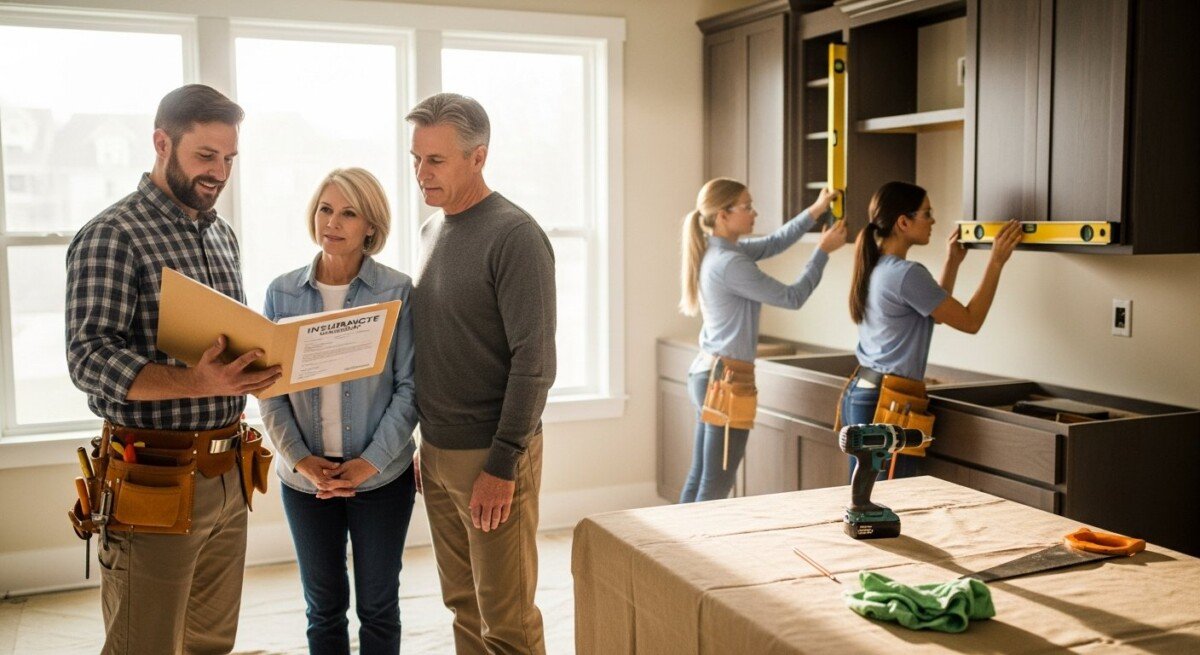
Why You Need Insured Contractors for Your Home Project
Learn why hiring insured contractors is critical for protecting your home, finances, and peace of mind during any repair or remodel project.
By Chelsea Kris
Learn more about Construction Services for guides, costs, and what to expect.
Compare Construction Services Pros Near You

Enter your ZIP code to compare top-rated local professionals and request free quotes.
You’ve finally decided to tackle that home renovation. Maybe it’s a new bathroom, a kitchen update, or repairing a leaky roof. You find a contractor with great reviews and a low quote, and the work begins. Then, an accident happens. A worker is injured, or a wall is accidentally damaged. Suddenly, you’re facing a lawsuit or a massive, unexpected bill. This stressful scenario is why finding insured contractors near me isn’t just a suggestion,it’s essential protection for your home, your finances, and your peace of mind.
Understanding Insured Contractors Near Me
An insured contractor carries specific business insurance policies designed to protect you, the homeowner, from liability. This isn’t about their tools or truck insurance. It’s about coverage that steps in if something goes wrong on your property.
There are two key types of insurance you should look for. General liability insurance covers property damage or injuries caused by the contractor’s work. Workers’ compensation insurance covers medical costs if a worker is injured on your job site.
Without these policies, you could be held financially responsible. This is a risk no homeowner should take, whether you’re planning a small repair or a major remodel.
Why This Matters for Your Home
Hiring an uninsured contractor might save you money upfront, but it exposes you to enormous risk. Your homeowner’s insurance may not cover incidents related to a contractor’s work, especially if they are not properly licensed and insured.
Imagine a worker falling from a ladder while installing your new gutters. Without workers’ comp, their medical bills could become your legal responsibility. Or, what if a plumbing mistake during a bathroom remodel causes a major leak, damaging your floors and your neighbor’s ceiling below? Liability insurance handles those claims.
Protecting your home investment means protecting yourself from these unforeseen events. It’s not just about the quality of the work; it’s about ensuring a safety net is in place for the entire process.
If you notice signs of this issue in your home, it may help to speak with a qualified contractor. Request a free quote or call to explore your repair or remodeling options.
Common Problems Homeowners Experience
The risks of hiring an uninsured handyman or contractor become painfully clear when problems arise. Homeowners often don’t discover the lack of coverage until it’s too late, facing situations that can drain savings and create legal headaches.
These issues often stem from a desire to save money or from not knowing the right questions to ask. Unfortunately, the consequences fall squarely on the homeowner’s shoulders. It turns a simple home improvement project into a source of significant stress and financial strain.
- Property Damage: A contractor accidentally causes a fire, floods a room, or structurally damages part of your home.
- Injury Liability: A subcontractor or laborer gets hurt on your property and sues you for medical bills and lost wages.
- Unfinished or Poor Work: The contractor walks off the job or does substandard work, but you have no recourse through a bonding company.
- Neighbor Disputes: Damage spills over to a neighbor’s property, making you liable for repairs.
- Permit Problems: Uninsured contractors often skip permits, leading to fines and issues when you sell your home.
- Warranty Voidance: Manufacturer warranties on materials like roofing or windows may be void if not installed by a licensed, insured pro.
How Professionals Solve the Problem
Reputable, insured contractors build their business on reliability and trust. They obtain proper insurance because it’s a mark of professionalism and a commitment to doing things the right way. Their process is designed to protect you from start to finish.
They start with a detailed assessment and a clear contract. This document should outline the scope of work, timeline, payment schedule, and proof of insurance. Before work begins, they can often provide a certificate of insurance naming you as an additional insured party for the project’s duration.
- Initial Consultation & Estimate: They assess your project, discuss your needs, and provide a written estimate.
- Proof of Insurance Verification: They supply certificates for general liability and workers’ compensation insurance for you to verify.
- Contract Signing: You sign a detailed contract that includes insurance clauses, project scope, and terms.
- Project Management: The insured contractor manages the crew, materials, permits, and timeline, assuming all associated risks.
- Final Walkthrough & Completion: You inspect the work, ensure satisfaction, and make final payment, protected by their insurance for any latent issues.
A professional inspection can reveal hidden issues before they become expensive repairs. Compare contractor quotes here or call to discuss your project.
Warning Signs You Should Not Ignore
Protecting yourself starts by recognizing red flags before you hire. An uninsured contractor often exhibits certain behaviors or makes specific requests that should prompt caution.
Trust your instincts. If a contractor is hesitant to provide proof of insurance, pressures you for a large cash deposit, or only communicates verbally, consider it a major warning. Taking the time to verify their credentials can prevent a world of trouble down the line.
- “Don’t worry about permits”: A professional knows permits protect you and ensure work meets building codes.
- Cash-only discounts: This is a tactic to avoid a paper trail and often indicates they are not operating a legitimate, insured business.
- No written contract: Always insist on a detailed contract. A handshake deal offers you zero protection.
- Unable to provide proof of insurance: If they can’t instantly provide a certificate of insurance (COI), walk away.
- Extremely lowball estimates: Prices significantly lower than others may mean they’re cutting corners on insurance, materials, or skilled labor.
- Pressure to decide immediately: Reputable contractors give you time to review their proposal and check their references.
What Affects the Cost of Repairs or Installation
It’s natural to focus on the bottom line, but understanding what goes into a contractor’s quote helps you see the value of hiring an insured professional. Their price reflects not just materials and labor, but also their overhead, which includes insurance premiums, licensing fees, and quality tools.
While an insured contractor’s estimate might be higher than an uninsured individual’s, you are paying for security and expertise. The cost difference is your financial shield. Factors like project complexity, material quality, your home’s age, and local labor rates also play significant roles in the final price.
Costs can vary depending on the condition of your home. The best way to know the price is to get a personalized estimate. Request free quotes from contractors or call today.
How to Choose the Right Contractor
Finding the right professional requires a little homework. The goal is to vet contractors thoroughly so you can feel confident in your choice. This process is an investment in your home’s future and your own security.
Start by asking friends and neighbors for referrals. Then, follow a consistent checklist with every contractor you interview. This ensures you’re comparing apples to apples and making a decision based on facts, not just a friendly demeanor.
- Verify License and Insurance: Ask for their license number and a Certificate of Insurance (COI). Contact the insurance provider to confirm it’s current.
- Check Reviews and References: Read online reviews and ask for 2-3 recent references for similar projects. Actually call them.
- Get Detailed, Written Estimates: Estimates should break down costs for materials, labor, permits, and cleanup. For more on this process, see our guide on where to find trusted home contractors near you.
- Compare Multiple Quotes: Get at least three detailed quotes. The middle price is often the sweet spot between quality and value.
- Assess Communication: Choose someone who listens, answers questions clearly, and communicates professionally from the first contact.
Long-Term Benefits of Professional Work
Hiring an insured contractor pays dividends long after the project is complete. The benefits extend far beyond avoiding a disaster during construction. You gain lasting value, safety, and confidence in your home.
Quality workmanship stands the test of time, reducing the need for costly repairs later. Properly permitted work also ensures your home improvements are documented, which is a major advantage when it’s time to sell. Buyers and appraisers look favorably on professionally completed projects.
Ultimately, you are preserving and enhancing your most valuable asset. The peace of mind that comes from knowing the job was done right,and that you were protected throughout,is perhaps the greatest benefit of all.
What does “insured contractor” mean?
An insured contractor carries business insurance, primarily general liability and workers’ compensation. General liability covers accidental damage to your property. Workers’ comp covers medical bills if a worker is injured on your job, protecting you from being sued.
Why is contractor insurance so important for me?
It transfers the financial risk from you to the contractor’s insurance company. Without it, you could be personally liable for thousands of dollars in medical bills or property damage caused during the project. Your homeowner’s insurance may not cover these incidents.
How can I verify a contractor’s insurance?
Always ask for a Certificate of Insurance (COI) directly from their insurance provider. A reputable contractor will provide this easily. Contact the insurance company listed on the COI to verify the policy is active and covers your project dates.
Is a licensed contractor automatically insured?
Not always. Licensing and insurance are separate requirements. A contractor must have a license to operate legally, but they must actively purchase insurance separately. Always verify both. For specialized work like exterior projects, our resource on finding reliable driveway repair contractors explains similar verification steps.
What if an uninsured worker gets hurt at my house?
You could be held responsible for their medical expenses, lost wages, and even disability payments. This could lead to a lawsuit and a lien being placed on your home. Workers’ compensation insurance exists specifically to prevent this scenario.
Are bonded and insured the same thing?
No. Being “bonded” refers to a surety bond that protects you if the contractor fails to complete the job or doesn’t pay for permits/materials. “Insured” refers to liability and injury coverage. The best contractors are both licensed, bonded, and insured.
Does hiring an insured contractor cost more?
Their quote may be higher than an uninsured handyman’s because it includes the cost of their insurance premiums. However, this cost is your financial protection. Think of it as insurance for your project, preventing potentially massive unexpected costs.
What should I do for a very small job?
Even for small jobs, the risk remains. A worker can trip on a flat surface or cause a small electrical fire. It’s always safest to hire a professional who is insured. For smaller tech-focused projects, understanding the standards is still key, as outlined in our article on smart home installation contractors.
Your home is your sanctuary and your investment. Protecting it means making smart choices about who you let work on it. Taking the time to find and verify insured contractors near you is one of the most important steps in any home project. It ensures that your dream renovation or necessary repair adds value and security, not hidden risk. Start by comparing detailed quotes from several local, insured professionals to understand your options and move forward with confidence.
Learn more about Construction Services for guides, costs, and what to expect.
Compare Construction Services Pros Near You
Enter your ZIP code to compare top-rated local professionals and request free quotes.